NEC Hazardous Location Bonding: Why It Matters Now
Why NEC hazardous location bonding matters right away in classified areas
When an electrical system sits inside a hazardous classified environment, we take bonding seriously from the start. At Kord Electric, we focus on NEC hazardous location bonding because it directly supports safer fault control, steady equipotential connections, and a path for stray current where people and property cannot afford surprises. We do not treat this as paperwork. Instead, our technicians treat it as a real world safety layer that helps equipment behave the way it should, even under abnormal conditions.
In short, NFPA 70 Section 250.100 sets a clear expectation: bonding must connect the right metal parts in the right hazardous spaces. And yes, that “right” can feel like a maze at first. But we have seen enough installs, inspections, and troubleshooting calls to know the maze has a map, and our team knows how to follow it.
NFPA 70 Section 250.100 in plain terms for facility teams
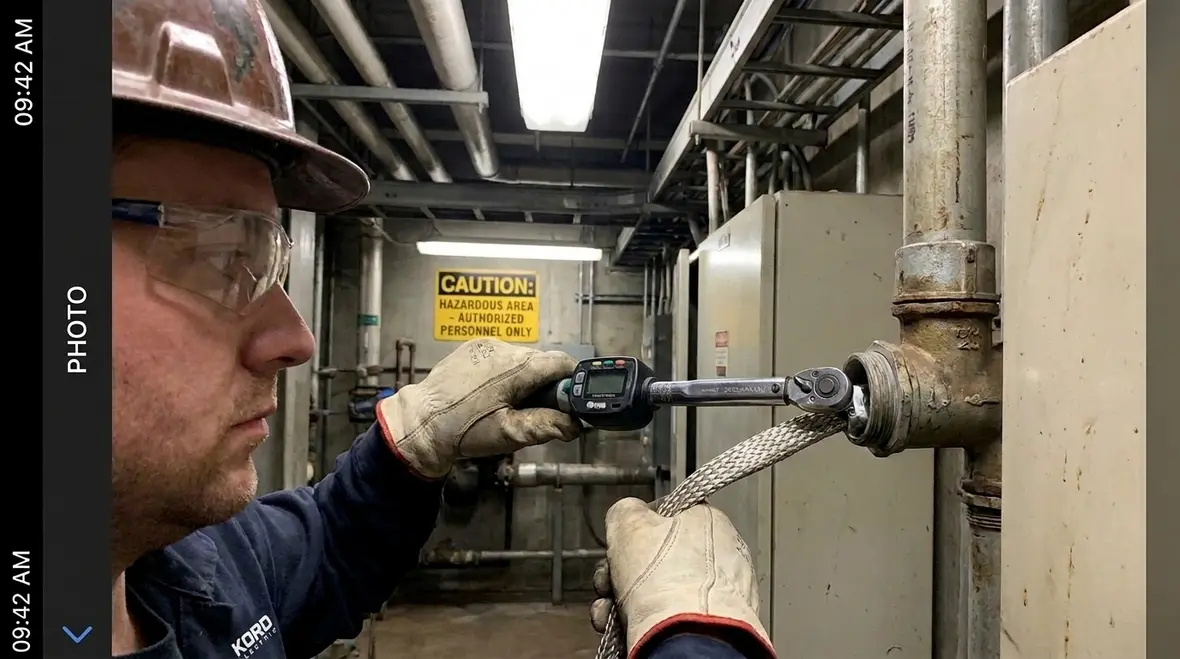
NFPA 70 Section 250.100 addresses bonding in hazardous (classified) locations, with the goal of reducing dangerous differences in electrical potential between conductive parts. That means we connect metal structures and equipment so they do not “float” at different voltages. Consequently, if a fault, surge, or energization event occurs, the system gains a controlled electrical reference.
Moreover, Section 250.100 does not ask for a one time gesture. It expects proper bonding practices that remain effective for the life of the installation. So, when a facility adds equipment, runs new conduits, or replaces panels, we recheck bonding continuity rather than hoping nothing changed. Our technicians explain this clearly on site, because a bonding mistake often shows up later, after the project team has moved on to the next job.
If you want a quick mental image, think of bonding like making sure every seat on the boat stays tied down. If one rope loosens, the boat does not become “safe” just because the rest of the ropes look fine. It only takes one connection that fails to ruin the whole plan.
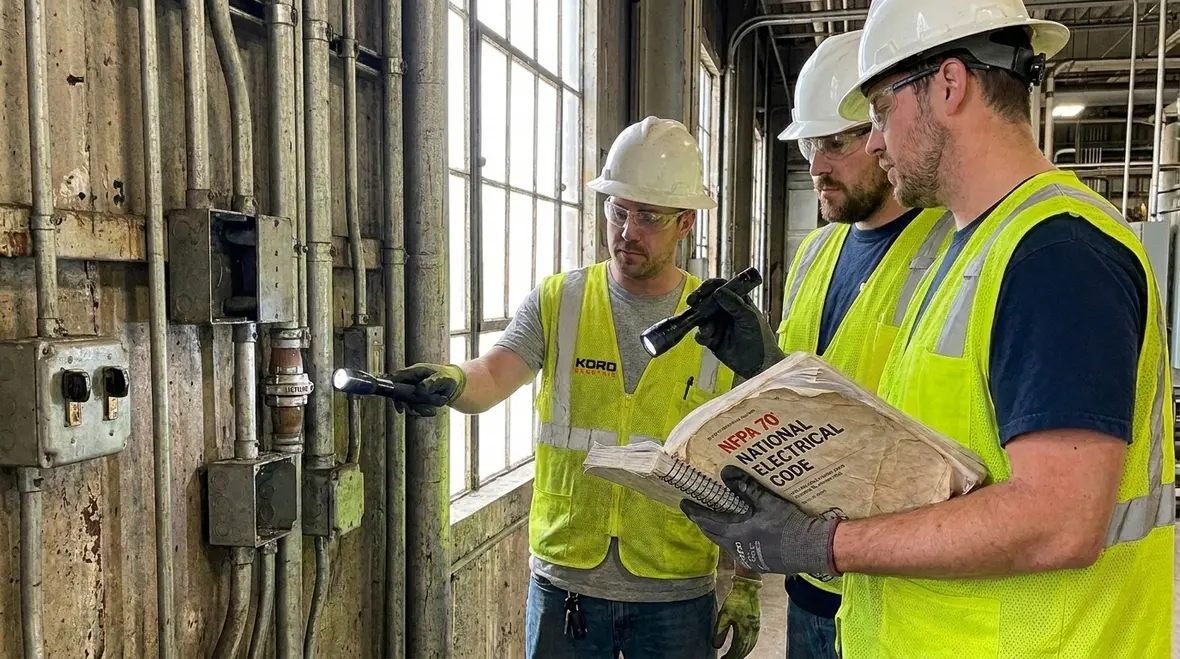
Classified areas, fault control, and why bonding does more than “connect metal”
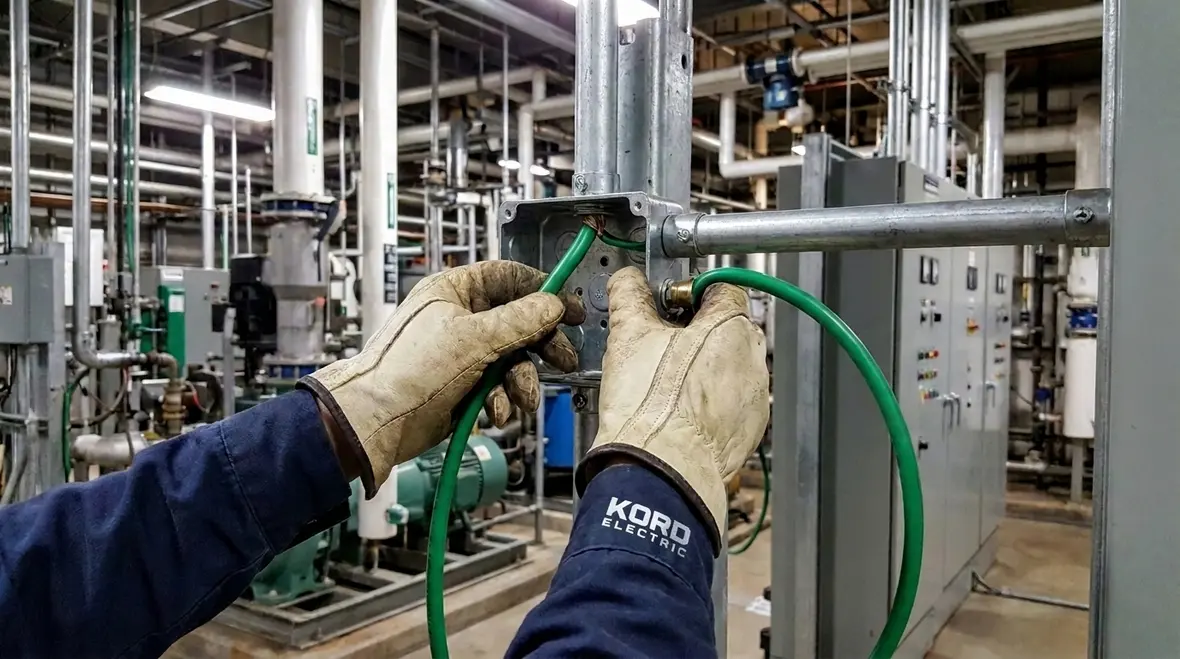
Many teams hear “bonding” and picture a simple jumper wire. However, in hazardous locations, bonding supports multiple safety outcomes at the same time. First, it helps limit voltage differences between exposed conductive parts. Second, it supports the effectiveness of overcurrent protection by creating the return path intended by the design.
Additionally, bonding works with grounding, wiring methods, and equipment design to reduce the chance that a fault produces an unsafe condition. In practice, we look at how conductive components interact: enclosures, raceways, cable trays, structural steel, metallic frames, and any other metal that can become energized.
Our experts often describe it like this: grounding tells the fault where to go. Bonding tells the surrounding metal what not to do. When those ideas align, the whole system behaves more predictably during abnormal events. And predictability matters, especially in commercial and industrial facilities where downtime costs money and risk carries real consequences.
To keep it engaging, yes, electricity still does whatever it wants. But bonding helps us guide that “whatever” into safer channels.
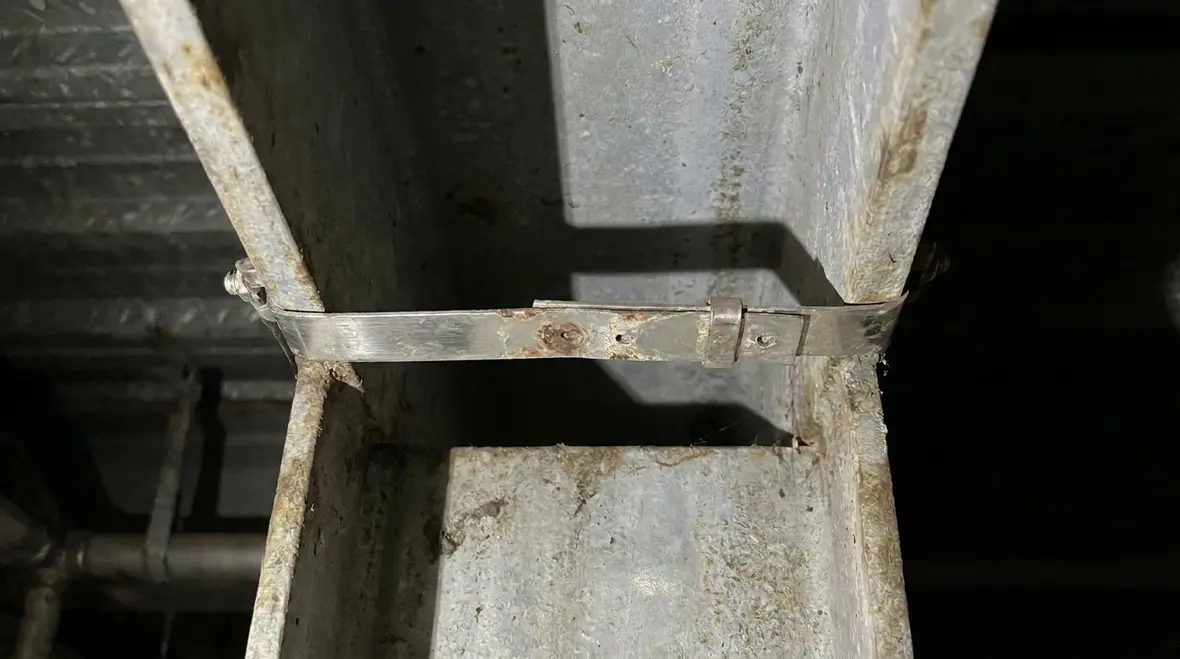
Where bonding connections typically get missed during installation
We see the same types of gaps across projects, and our staff trains with these patterns in mind. Common issues include loose or missing bonds at equipment joints, overlooked metallic conduits entering enclosures, and weak points created by vibration tolerant connections that still require proper electrical continuity.
Next, facilities sometimes expand the system without revisiting bonding. A new pump skid, a new compressor motor, or a new distribution panel can introduce fresh conductive paths. Even if the electrician installs new wiring correctly, the bonding network might not get tied in as expected.
Furthermore, teams can underestimate the value of continuity checks. In hazardous classified work, a single overlooked discontinuity can allow potential differences to develop. Then, under a fault or transient event, the system may not clear safely or quickly. That is why our technicians take time to verify connections, not just install them.
We also remind project managers that “it passed once” does not always mean “it stays right.” Coatings, dissimilar metals, and field modifications can change performance. Therefore, we recommend planned verification during commissioning and after major changes.
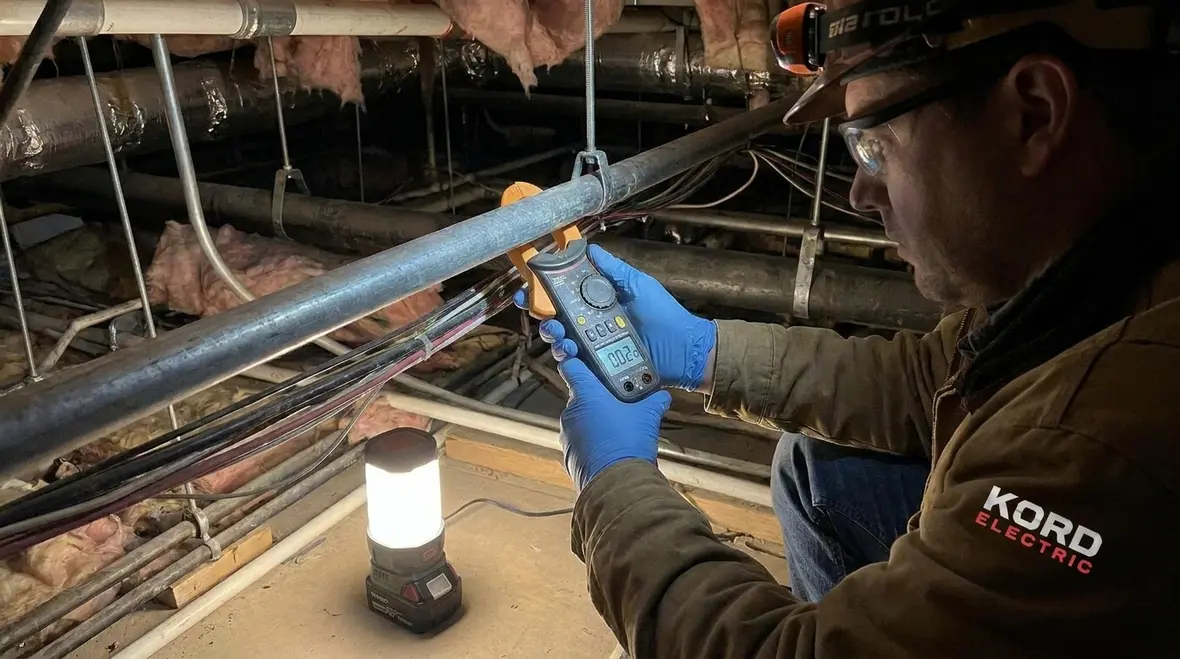
How Kord Electric’s technicians verify bonding continuity on commercial projects
At Kord Electric, we handle hazardous location electrical work for commercial and industrial facilities and major property buildings. We do not chase small jobs for the sake of volume. We focus on quality, documentation, and practical safety outcomes that stand up to inspections and real operation.
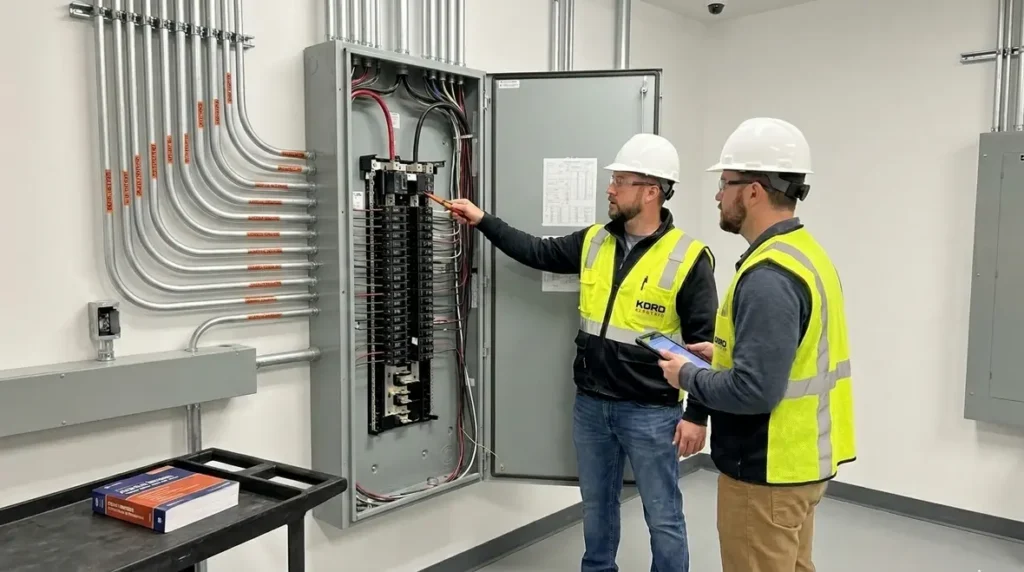
Our expert service staff uses a disciplined approach. First, we review the installed layout and identify conductive parts that must share electrical reference in the classified space. Then, we confirm bonding paths based on applicable code requirements and the design intent.
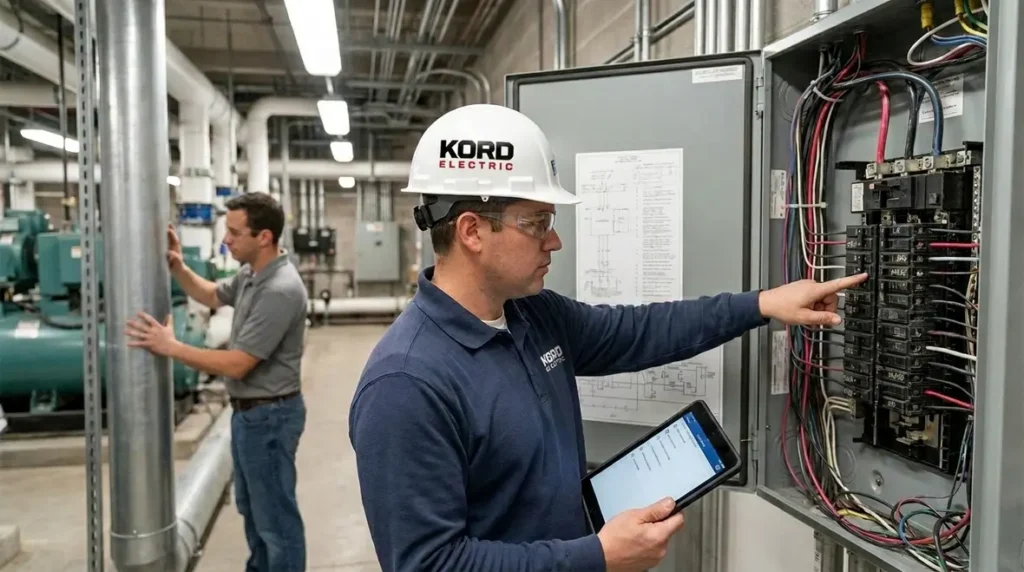
Next, we verify continuity and connection integrity using appropriate testing methods and visual checks. That means we look at attachment points, mechanical stability, and how the connection performs under real conditions. When a facility team asks questions, our technicians explain the “why” behind each step so the operation staff understands what they are maintaining.
To make this easier, we build clear reporting for stakeholders. After all, nobody wants a binder full of mystery. They want to know what is bonded, what is verified, and what remains acceptable.
Coordination with code references and related standards
NFPA 70 sits inside a bigger ecosystem of electrical requirements, and we coordinate our work accordingly. We align our interpretation with recognized guidance on the National Electrical Code, including the structure and compliance mindset explained in our resources. When you review overviews from Kord Fire’s NEC guidance and the broader explanations published in Kord Electric’s code breakdown, you see the same theme: the code aims to reduce risk through consistent design and installation practices.
In the field, that means we do not treat Section 250.100 as a standalone checklist. Instead, we connect it to how the rest of the system handles grounding, conductor routing, equipment bonding points, and hazardous space boundaries. In addition, we stay aware of how fire and pump systems integrate in many industrial environments, because electrical failures rarely show up alone.
For facilities that also rely on pumps, remember that electrical discipline supports the whole system behavior. If you want additional context on building and utility systems, resources such as Fire Pumps help teams think through life safety integration and expectations.
And yes, we keep our guidance practical. We use plain language in site meetings because your team does not need a lecture. They need answers that drive safe, buildable decisions.
Best practices for maintaining NEC hazardous location bonding over time
Even when the original installation follows the rules, the job does not end on day one. Therefore, we recommend a maintenance mindset that treats bonding as part of the electrical system, not an afterthought. That includes planning inspections after renovations, equipment swaps, and expansions.
When a facility adds metal structures, new conduit runs, or replacement enclosures, the bonding network can change. So, we verify continuity across the new work and ensure it ties into the existing bonded system appropriately. Also, we check for conditions that degrade connections over time, such as corrosion, damaged clamps, or loosened hardware caused by vibration and thermal cycling.
We encourage facility leaders to ask for bonding documentation alongside test results, not just a verbal claim. Our technicians will explain what they see and what they recommend so maintenance staff can act confidently. That is how we reduce risk slowly, steadily, and on purpose.
Think of it like maintaining a strong handshake between components. If someone changes the meeting location or adds a new person, you still confirm the handshake exists.
For facilities in Los Angeles County and across Southern California planning larger code-driven upgrades, our team also supports broader design reviews and modernization efforts. Resources like our electrical infrastructure upgrade planning guides, commercial electrical safety protocols, and articles on how to read NFPA 70 help connect NEC hazardous location bonding to wider system reliability, not just a single project punch list.
When your site moves beyond small corrections and into system level work, we coordinate bonding and grounding with load planning, panel upgrades, and inspection readiness. That is where partnering with a commercial and industrial specialist matters more than ever.
If you are mapping future renovations or industrial facility electrical upgrades, aligning NEC hazardous location bonding with your overall Los Angeles County electrical services strategy helps avoid rework and keeps compliance built into every phase rather than bolted on at the end.
FAQ
Ready to harden your classified area electrical safety with expert service?
When your commercial or industrial facility operates in a hazardous classified environment, bonding cannot be a guess. At Kord Electric, we send our expert technicians to verify NEC hazardous location bonding, confirm continuity, and document results that help your team stay inspection ready. If you plan an upgrade, expansion, or new classified install, contact us. We will review the scope, explain the plan in plain language, and help you move forward with confidence. Call Kord Electric today and let’s get it right the first time.
If your next project also includes wider electrical modernization, we can align hazardous location bonding with panel upgrades, load studies, and code driven design support. Our broader service offerings for commercial and industrial facilities across Los Angeles County help you move from one off fixes to a grounded, documented strategy for long term reliability.