
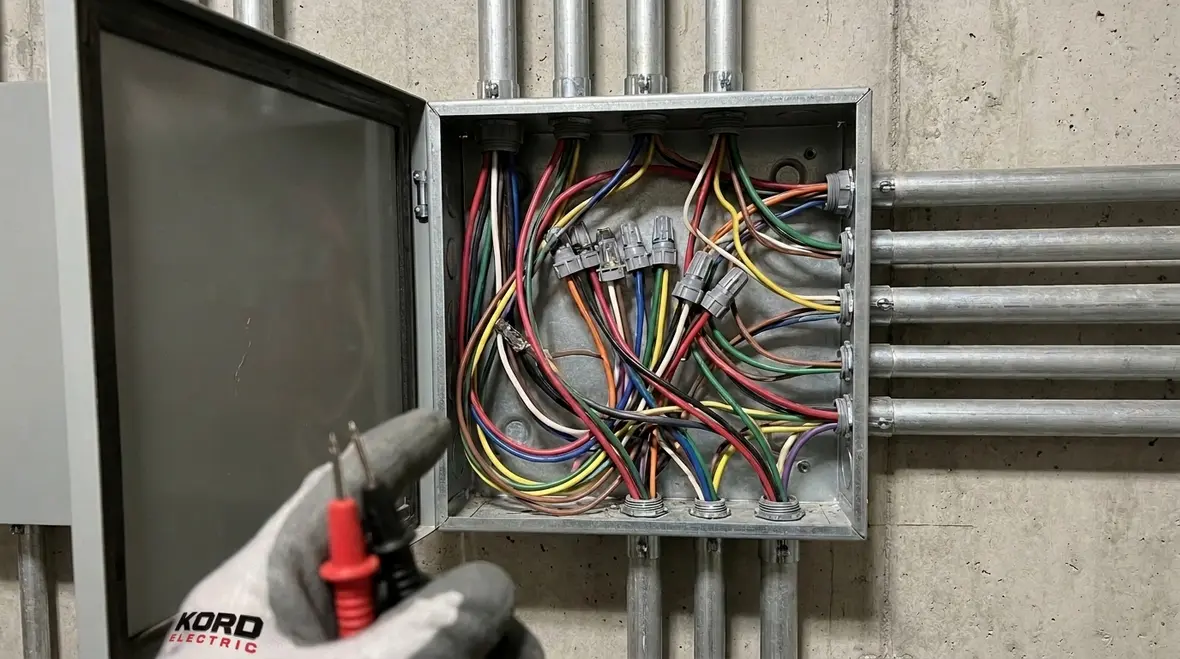
NEC Pull Junction Boxes Explained for NFPA 70 314.28
At Kord Electric, we work on commercial and industrial facilities and major property buildings where electrical systems must be dependable, traceable, and built to last. That is why we often start safety conversations with the basics of NEC pull junction boxes during walkthroughs. Our expert service staff explain what these boxes do, why they matter, and how they help crews manage wiring without turning your building into a maze. Then, once people understand the purpose, the rest of the code stops feeling like a mystery novel. And yes, we promise it is less painful than guessing the right breaker after lunch. Still, we will help you do it right, the first time.
What NEC pull junction boxes do inside a building
NEC pull junction boxes are not just small metal containers that collect wire. They give electrical crews a safe, standard place to route, connect, and access conductors. When technicians need to change direction, bring circuits together, or troubleshoot a run, the box becomes the controlled access point. In other words, it prevents frantic digging in walls and ceilings, which is great for both budgets and temper.
Meanwhile, the facility benefits in practical ways. Proper pull points reduce the strain on cables during installation and make future maintenance more efficient. As a result, we see fewer delays when teams return for upgrades, inspections, or repairs. Furthermore, when the system has structured access points, the building stays easier to operate. Finally, clear access supports compliance documentation because the wiring path remains easier to verify.
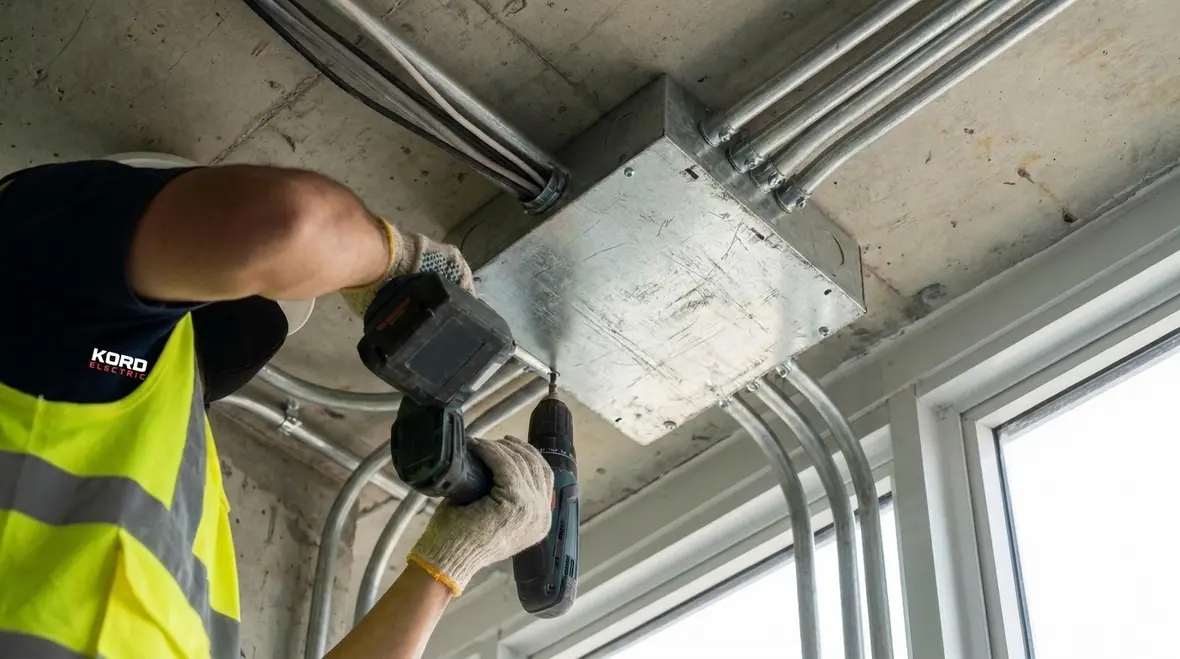
NFPA 70 Section 314.28 requirements in plain terms
NFPA 70, also called the National Electrical Code, sets baseline rules for safe electrical installations. Section 314.28 focuses on pull and junction boxes, and it drives several details that matter on commercial and industrial projects. Our team approaches these requirements like we approach every job: calmly, line by line, with the goal of preventing mistakes before they become costly field fixes.
At a high level, the rules support safe wiring access and help ensure the box can be installed and used properly. That includes how boxes are selected, how they receive raceways or cables, and how crews can pull conductors without damaging insulation. Additionally, the code supports safe working clearances and proper installation so technicians can open the box and work safely.
However, the main idea remains simple. If a box supports pulling and interconnecting, it must do so in a way that keeps conductors protected and keeps crews safe. We explain this during planning meetings because misunderstandings usually show up late, when the schedule has already started to sweat.
For teams who want a broader view of how the National Electrical Code fits into commercial and industrial work, our guide Understanding NFPA 70: The National Electrical Code Explained for 2026 walks through how code changes shape real projects, from design through inspection.
How crews use pull points for routing and future service
In commercial and industrial facilities, electrical work does not end when the ceiling tiles close. Systems change. Loads grow. Equipment gets upgraded. Therefore, crews need wiring access that makes sense now and later. When pull and junction boxes are installed with Section 314.28 in mind, future service becomes more predictable.
Our technicians typically use pull points in three common ways.
- Changing direction in a raceway run while keeping conductor pulls controlled and safe.
- Connecting circuits or extending a path without forcing questionable splices in the field.
- Supporting troubleshooting by allowing technicians to access terminations and connections without destructive work.
Also, these boxes help the building team during inspections and maintenance cycles. When access points match the original design intent, maintenance staff can confirm labeling, verify connections, and document work faster. As a result, the facility’s operations staff get fewer surprises. And honestly, they deserve that peace and quiet. Schedulers already have enough to worry about without a hidden wiring problem becoming a dramatic season finale.
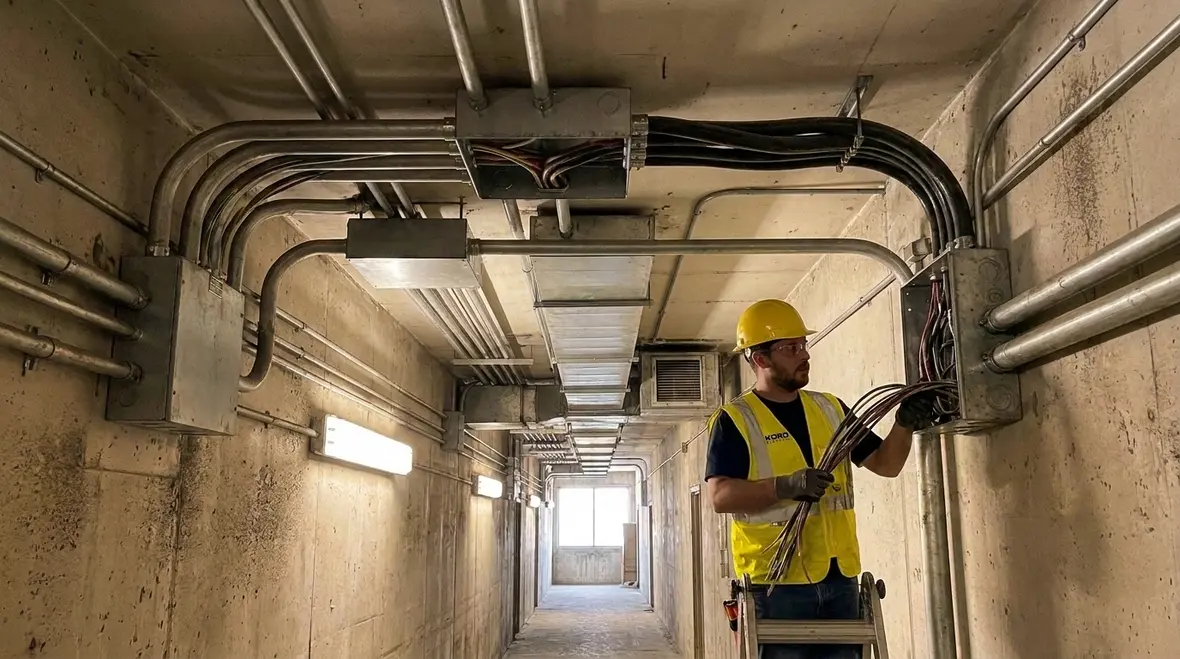
Where the code decisions show up during installation
During the install phase, compliance becomes real. It shows up in details that affect safety and workmanship. Our expert service staff often explain these decisions with the same tone we use when we train new crew members: steady, direct, and without drama. Because drama has no place near live electrical conductors.
Here are the points that usually matter most on site.
- Box placement so technicians can reach it and work safely.
- Raceway and cable entry so conductors stay protected and routing stays clean.
- Support and alignment so the box remains stable and does not become a weak point.
- Access for pulling so conductors can be installed without bending them beyond safe limits.
- Protection of wiring so the box does not become a place where insulation gets damaged.
As crews work through these items, they also consider how the building is used. In a commercial facility, maintenance cycles might occur after hours. In an industrial setting, equipment schedules often run tight. Therefore, the design and installation decisions need to support real operations. Kord Electric focuses on those needs because we serve commercial and industrial facilities and major property buildings, not one off residential jobs.
Coordination with other electrical and fire safety needs
Electrical code compliance does not live in isolation. In major buildings, pull and junction box design can impact other systems, including fire alarm wiring, emergency circuits, and equipment power distribution. Consequently, teams must coordinate across disciplines.
We collaborate with stakeholders so the electrical layout aligns with the facility’s overall safety approach. For example, fire related systems rely on clean, accessible wiring paths. If a pull point is installed in a place that creates conflict with access panels or later fire stopping work, technicians end up solving a different problem than the one planned.
In addition, our broader safety mindset connects with the work Kord Fire supports through education and code awareness. When we reference NEC requirements, we also keep fire protection implications in focus, because the building cares about outcomes, not just paperwork.
If you want to read more context about NEC updates and code thinking, Kord Electric and related code resources at Kord Fire provide helpful guidance, including how teams interpret and apply the National Electrical Code across building types. Facilities that approach the code as a system tend to install smarter, and that saves money over time.
Best practices Kord Electric applies on commercial projects
Code is the baseline, not the finish line. On commercial and industrial sites, we build to a higher standard because our clients need systems that stay reliable under real use. Our expert service staff follow best practices that make compliance easier to maintain after installation.
We emphasize these practical steps.
- Plan pull paths early so the installation team does not improvise once the ceiling is closed.
- Use the right box type and confirm compatibility with the wiring method so technicians avoid awkward fixes.
- Keep access clear so maintenance staff can reach boxes without removing major components.
- Coordinate with drawings so the field matches the design intent, not just the best guess.
- Label and document connections so future troubleshooting stays fast and safe.
And because we are humans, we add one more habit. We check the basics twice. That includes verifying entry points and ensuring the routing supports safe conductor pulls. It sounds simple, but it saves time when schedules are tight. Think of it as taking two sips of water before you run, rather than trying to sprint through a desert with a dry throat.
FAQ about NFPA 70 Section 314.28 and pull junction boxes
Short featured answers
- Are pull and junction boxes required for all wiring? Some wiring needs access points for pulling and connections, and Section 314.28 guides when and how boxes must be used in supported systems.
- Why do technicians prefer proper box placement? Because it speeds troubleshooting and reduces the risk of unsafe work in tight ceiling and wall spaces.
- How does this relate to safety? It helps protect conductors, supports safe access, and reduces installation damage that can lead to failures.
Wrap-up and next step with Kord Electric
When commercial and industrial electrical systems include well installed pull and junction boxes, the entire building runs smoother. That is why we help teams interpret NFPA 70 Section 314.28 requirements and apply them to real layouts, real schedules, and real maintenance needs. Our technicians and expert service staff explain what matters, then we install with care so future service does not turn into guesswork. If you are planning a project or upgrading an existing facility, contact Kord Electric to review your pull point approach and protect your timeline.
If your facility is in Southern California and you need help beyond NEC pull junction boxes, our Los Angeles County commercial electrical services support panels, distribution, lighting, EV charging, and other critical systems so your projects stay compliant and on schedule.


