
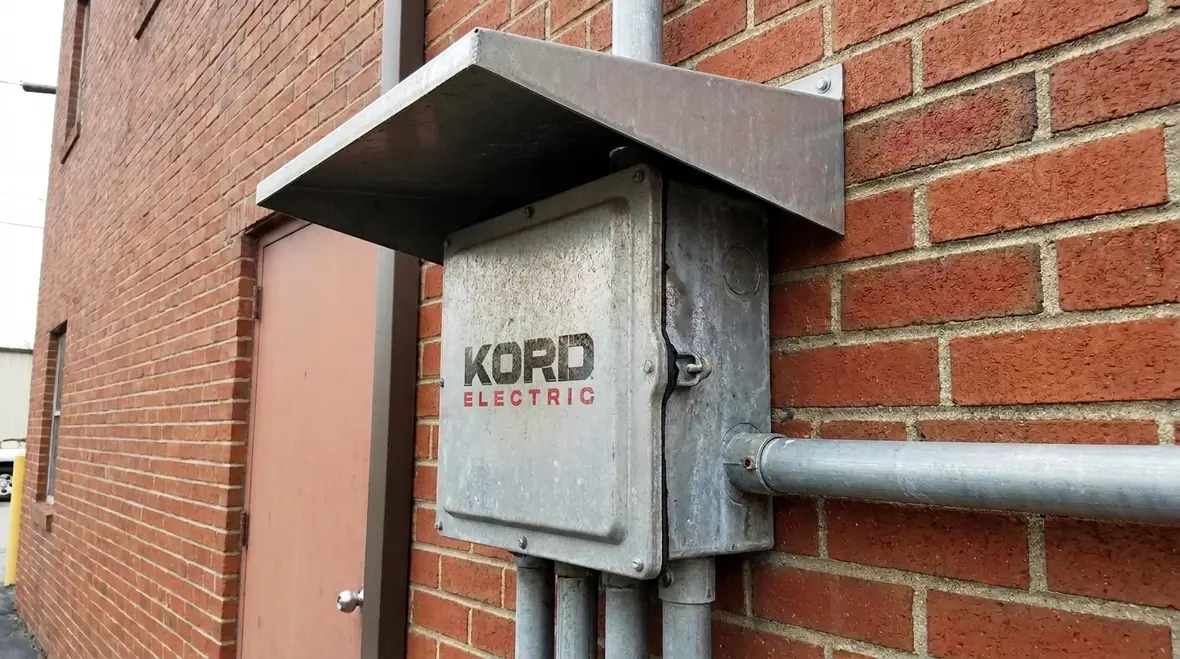
NFPA 70 Section 314.25 NEC Box Covers Canopies for Protection
NFPA 70 Section 314.25 and NEC rules for box covers that protect real spaces
At Kord Electric, we do not treat NEC box covers canopies like an afterthought, because in commercial and industrial buildings they rarely get noticed until something goes wrong. In the first moments after a field tech opens a panel or inspects an exterior run, the right cover and canopy choices start to matter. NFPA 70 Section 314.25 lays out the expectations for box covers and canopies, and it ties safety, protection, and proper use to how electrical boxes live in the real world. And yes, the real world includes dust, rain, vibration, and the occasional careless contractor who treats conduit like it is a suggestion.
Others may skim this rule. We slow down, measure, and explain it clearly with our own expert service staff, so facility managers, electrical contractors, and owners of major property buildings get decisions they can defend.
What NFPA 70 Section 314.25 requires for box covers and canopies
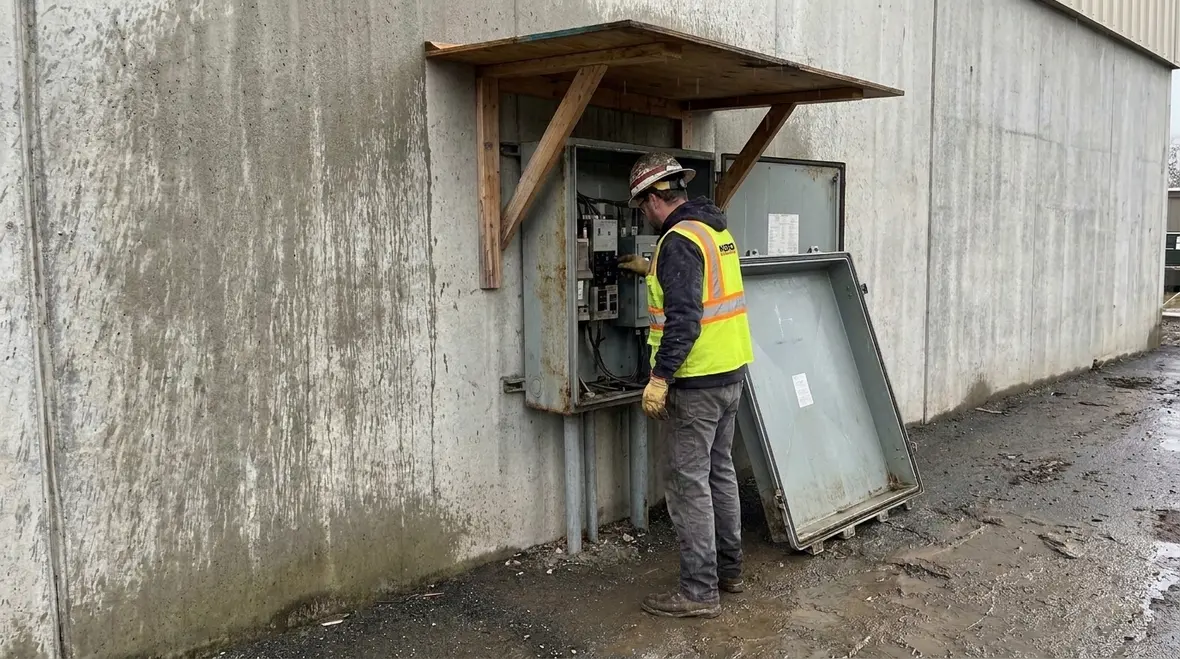
NFPA 70, also known as the National Electrical Code, assigns practical requirements to box covers and canopies because boxes do not install themselves. Section 314.25 addresses how these parts must be installed and used, especially when a box is in a location that needs physical protection.
In plain terms, this section requires that covers fit the box and remain in place, and that canopies provide protection where exposure risks exist. Therefore, when an installation team selects covers and canopies, they must match the box type, environment, and installation method. If someone tries to “make it work” with the wrong part, it often works for a while and then fails in the dumbest possible moment, like when the building is full and the maintenance schedule is already booked.
Our technicians use a simple approach. First, we confirm the box and cover pairing. Then, we check the mounting and fastening method. After that, we verify how the cover supports environmental protection. Finally, we explain what we see and why it matches Section 314.25.
Why commercial and industrial locations demand the right protection
Commercial and industrial facilities expose electrical hardware to more than office dust. In warehouses, manufacturing areas, parking structures, and major property buildings, boxes can face impacts, moisture, temperature swings, and ongoing movement from normal operations. Consequently, the cover and canopy function as a physical barrier that reduces chances of contact, water entry, and damage to internal components.
Additionally, the environment shapes how we recommend NEC box covers canopies solutions. For example, outdoor and wet locations require more careful selection than dry interior areas. Meanwhile, areas with vibration or routine access may need robust fastening and a cover that stays secure over time.
When our team installs or inspects, we look for real conditions, not just nameplate conditions. We ask how the building operates, where maintenance workers stand, and what weather and cleaning methods do to the equipment. Because if the facility washes the exterior walls weekly, that matters for cover performance. If forklifts bump equipment, that matters too. We explain these details so the decision does not rely on guesswork.
How box covers and canopies connect to safe enclosure practices
Section 314.25 sits inside a broader idea: electrical equipment needs proper enclosure practices. As we move from boxes to covers to canopies, the goal stays consistent. The enclosure must protect conductors, devices, and connection points while maintaining safe access and physical integrity.
So, we focus on fit and function. A correct cover blocks accidental contact and helps prevent foreign material from entering. A canopy adds a layer of protection where exposure is likely, such as overhead areas or outdoor service conditions. Then, when covers remain intact, the installation supports safer operation and helps reduce interruptions caused by contamination or damage.
Our expert service staff also pay attention to practical details that many people miss. We verify that covers do not interfere with required openings. We check that fasteners keep the cover secure through typical vibration and service cycles. And we confirm that the assembly design supports the surrounding installation, including conduit entry points and mounting surfaces.
In short, we connect the rule to how the system behaves after the building opens. That is where safety becomes real, and where a cheap shortcut becomes a costly punchline.
Common installation mistakes we see in the field
In commercial and industrial settings, small deviations can create big problems. And even when teams mean well, the pressure to move fast can lead to avoidable mistakes. That is why we train our technicians to look beyond the moment of installation.
Here are issues we commonly spot during inspections or service visits:
- Wrong cover or wrong fit: Teams install a cover that does not match the box type or leaves gaps. Over time, those gaps invite dust, water, and tampering.
- Loose or incomplete fastening: Covers and canopies that are not secured correctly can shift with vibration. Then, the enclosure stops doing its job.
- No canopy when exposure requires it: Some areas need extra protection, yet crews treat the canopy as optional. The environment then collects the data.
- Improper alignment with openings: If conduit entries and openings do not align, the enclosure can become a weak point.
- Service access ignored: When crews choose a cover that complicates routine maintenance, they often get removed, reinstalled loosely, or skipped during future checks.
To keep installations on track, we explain these risks during project check points. Also, we document what we find and we show how the solution supports the NEC intent. It is less drama, more compliance, and it keeps the lights on. Nobody wants their troubleshooting session to feel like a mystery show where the villain is actually a missing screw.
Planning compliant upgrades for major property buildings
When a major property building needs an update, the best path is not to replace parts blindly. Instead, we plan the upgrade around how the site actually performs. Therefore, before we recommend changes tied to NFPA 70 Section 314.25, we assess the existing condition of the boxes, covers, and canopies.
Our process usually starts with location mapping. We identify where boxes are mounted, where moisture or exposure occurs, and how people and equipment move through the areas. Next, we review installation details that influence enclosure performance, such as mounting surfaces, conduit routing, and access requirements.
Then we match the solution to the site. We help teams select compatible components and we coordinate installation so covers stay secure. Also, we support contractors and facility managers with clear explanations, because the best compliance program includes communication. If the building team understands why something matters, they maintain it better.
Finally, we handle upgrades with an eye toward continuity of operations. For commercial and industrial sites, downtime carries real costs. So, we schedule work to reduce disruption, and we confirm performance before we close out the job.
If your building team wants a deeper overview of how the National Electrical Code shapes decisions beyond box covers, you can pair this guidance with our broader NEC explainer: Understanding NFPA 70: The National Electrical Code Explained for 2026. Together, these perspectives help connect specific rules like Section 314.25 to the larger code framework your projects depend on.
Using NEC guidance to keep projects consistent
Because code requirements link to safe design, consistent execution matters. Kord Electric supports that consistency by keeping our field teams aligned with NEC expectations and by explaining the “why” behind the “what.” We also reference broader NEC guidance from trusted resources, including content aligned with the National Electrical Code and NFPA 70 principles shared by Kord Electric and Kord Fire organizations.
When teams treat code language as a checkbox, they miss the practical intent. However, when they treat it as a design rule for protection, installations hold up in daily operations. And that is the difference between a system that looks correct on day one and a system that stays correct after weather, vibration, and real life do their thing.
Our technicians and expert service staff do not just point to a section number. They explain how to implement safe enclosure strategies for boxes, covers, and canopies, so facility and project stakeholders can make confident decisions.
For facilities across Los Angeles County and surrounding areas that want those strategies applied on real projects, our dedicated regional team delivers design, installation, and upgrade support through our comprehensive Los Angeles County electrical services, aligning everyday field work with NEC requirements and practical risk reduction.
FAQ about NFPA 70 Section 314.25 and NEC box cover requirements
Next steps with Kord Electric
If your commercial or industrial facility needs safer, more dependable enclosure protection, we can help. Kord Electric can review your current box cover and canopy setup, explain the NFPA 70 expectations in plain language, and guide compliant upgrades that support day to day operations. Then, our technicians and expert service staff verify the work and document what matters for long term performance. Contact us to schedule an inspection or consult today, and let’s keep your electrical hardware protected instead of improvising like it is a sitcom.


