
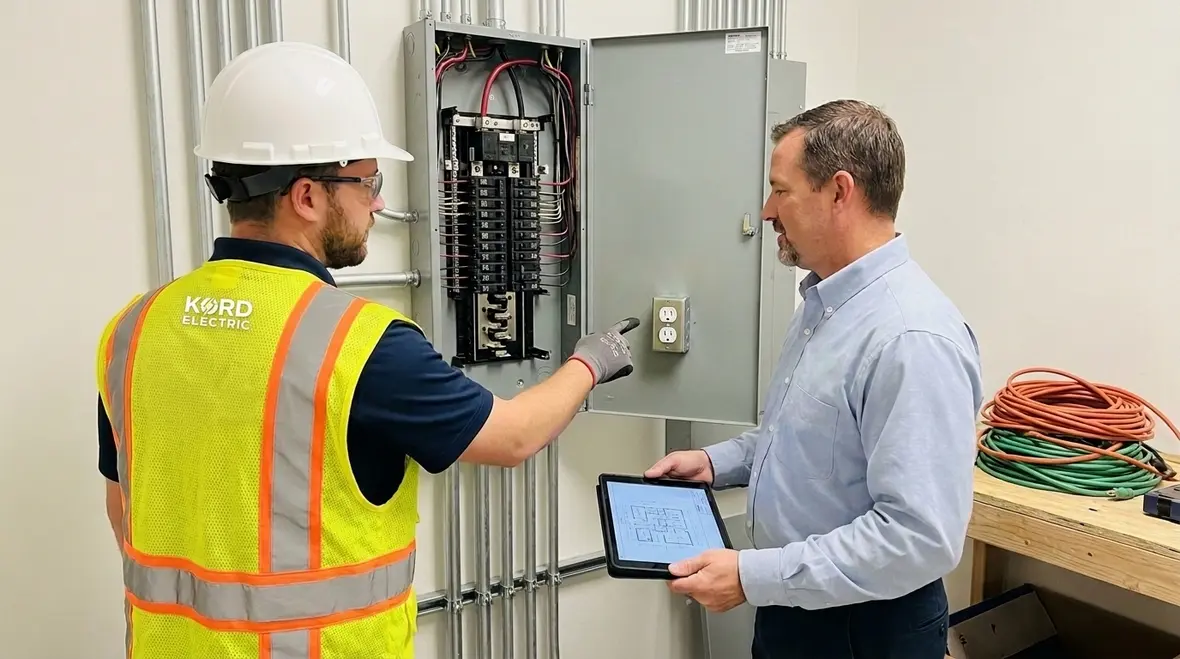
NEC Receptacle Outlet Requirements Explained 210.50
Kord Electric supports commercial and industrial facilities, so we see the same question pop up again and again: what do the NEC rules really require for receptacle outlets. In this guide, we explain NFPA 70 Section 210.50 and the NEC receptacle outlet requirements explained in plain, practical terms so facility teams, contractors, and property owners stop guessing. And yes, our expert service staff does explain things, because letting electrical codes live only in paperwork is like using a fire pump manual as a coaster. It looks funny until someone needs it fast.
If you want a bigger-picture code overview alongside this focused look at receptacle outlets, we also recommend pairing it with our resource Understanding NFPA 70: The National Electrical Code Explained for 2026, which walks through how the NEC fits into modern commercial and industrial planning.
What NFPA 70 Section 210.50 actually covers in commercial spaces
NFPA 70 Section 210.50 focuses on the basic rule set for receptacle outlet requirements that apply across many building areas. In a commercial or industrial setting, this section helps determine where receptacles should be located and how they should serve everyday equipment. Therefore, your layout does not just “look right” on a drawing, it must function correctly for work activities.
When we review designs, we often find that teams treat Section 210.50 like a checklist item. However, it is more than that. It links the needs of the space to the physical placement of outlets, and it ties into how people actually use power during operations, maintenance, and routine tasks.
Moreover, if your facility uses temporary power during projects or has moving workstations, you need a receptacle plan that stays reliable while meeting code intent.
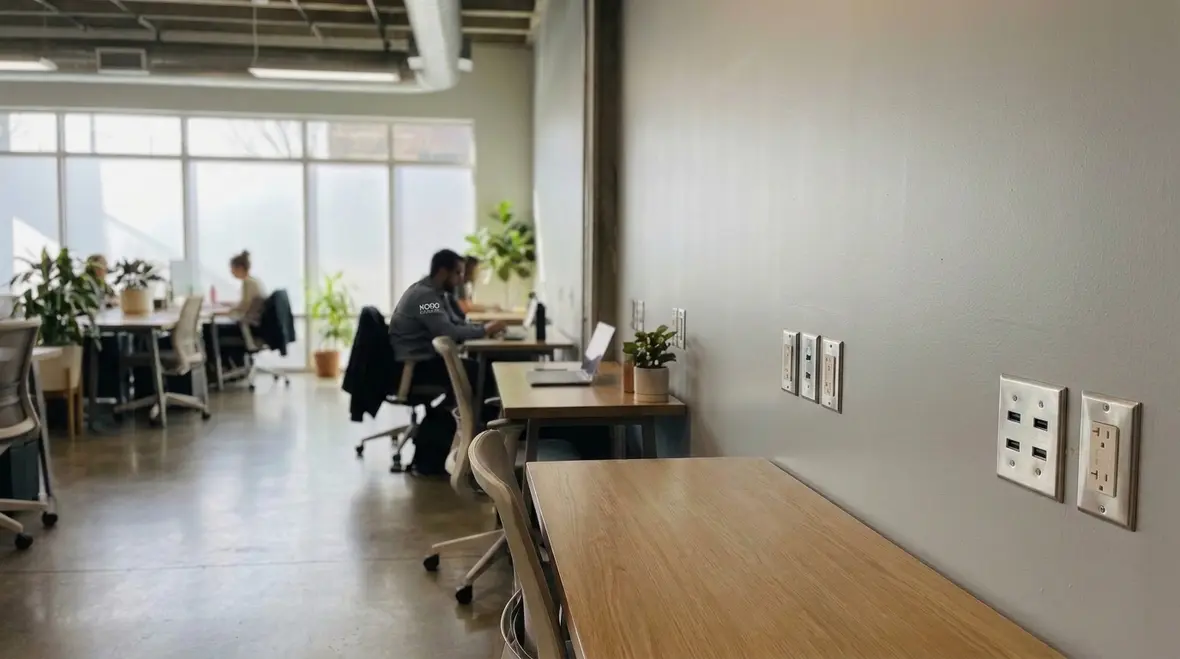
How we interpret the outlet rules without losing the real world
Our technicians approach Section 210.50 the same way they approach any system issue: by translating code language into field conditions. So, first we examine the space type, then we map the likely equipment connections, and finally we confirm the outlet count and placement strategy.
To keep it simple, we look at how the room supports work. For example, an area with frequent portable tools and cleaning equipment requires a plan that prevents long extension cords. At the same time, a major property building needs a layout that supports tenant turnover and ongoing maintenance without constant rewiring.
Also, our expert service staff explains the “why” behind the rule because it helps decision makers approve projects faster. When people understand the logic, they stop asking for changes at the last second. And the last second is when everyone pretends they are calm, but their eyes scream like a buffering video.
Where receptacles go and how spacing impacts compliance
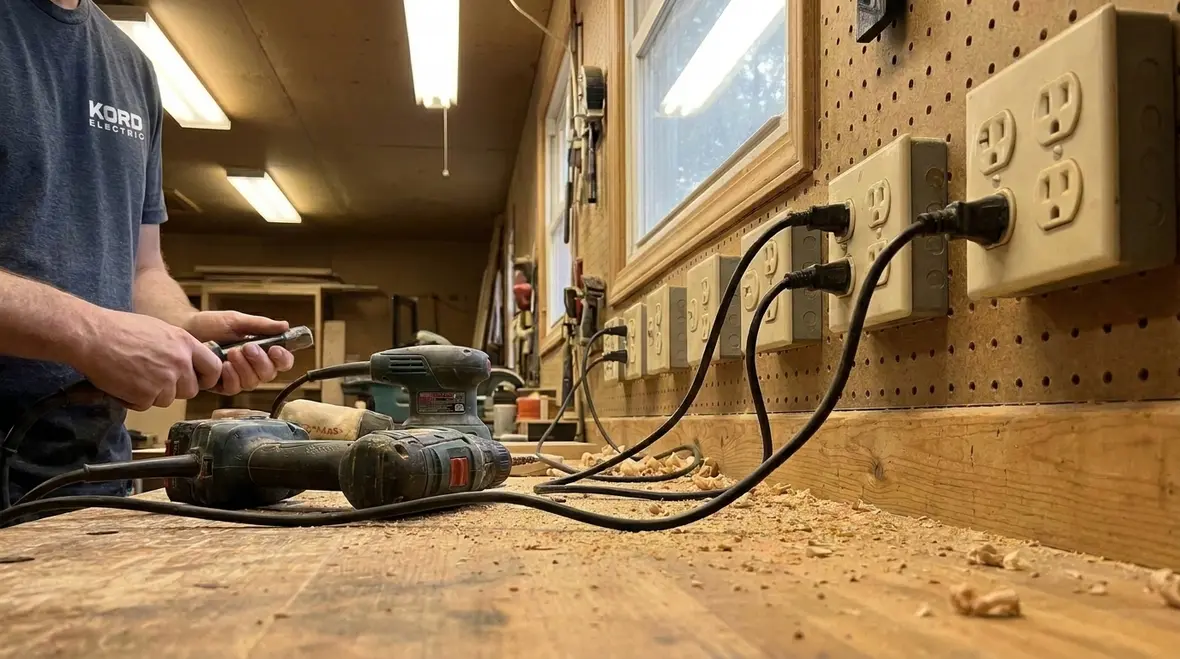
Once a facility team understands the scope of Section 210.50, the next step becomes placement and spacing. Even when a design includes enough outlets on paper, spacing gaps can still create practical violations because workers end up overusing cords, power strips, or improvised extension setups.
In commercial and industrial applications, we treat spacing as a safety and productivity issue, not just a code metric. When receptacles sit too far from likely tool use points, the facility team often compensates. That is when risks rise: cords get pinched, connections loosen, and outlets take on loads they were not meant to handle.
Additionally, receptacle outlet planning should match traffic patterns and equipment movement. Therefore, we coordinate outlet location with pathways, work benches, and service areas so the building stays usable on day one and day 800.
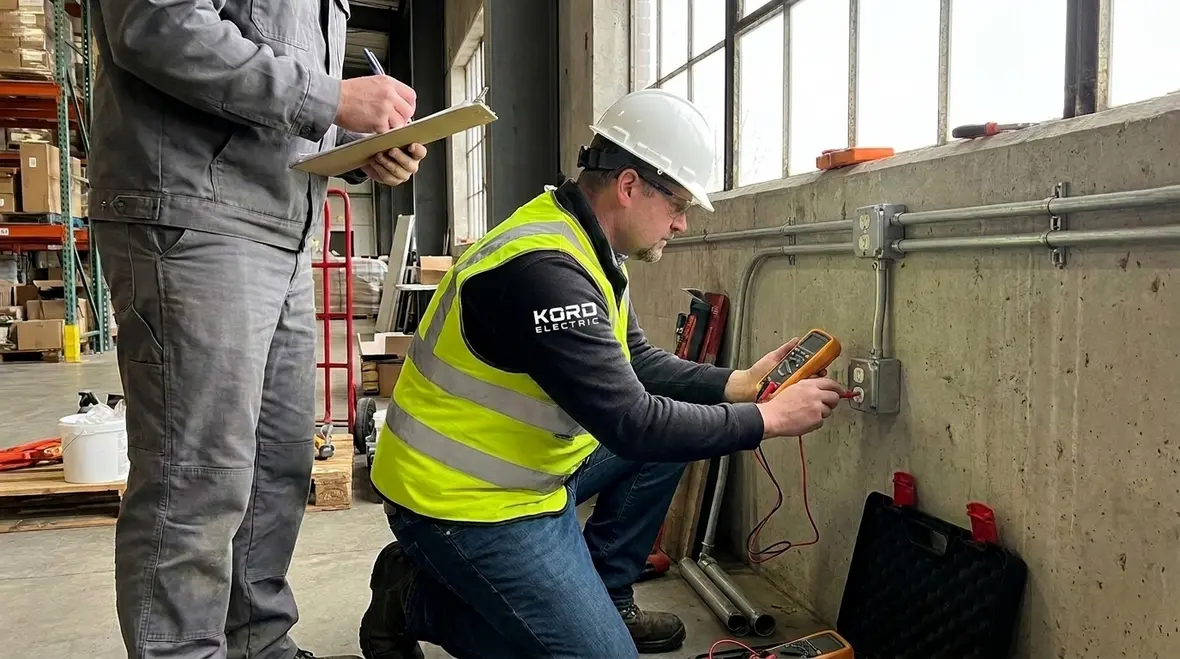
Practical workflow for audits, retrofits, and new builds
At Kord Electric, we handle this work with a workflow that reduces surprises. First, we gather existing electrical drawings, lighting plans, equipment layouts, and any tenant or operations requirements. Next, our technicians compare the field reality to the NEC rules that govern placement and outlet coverage. Then we propose corrections that keep the facility running and limit downtime.
If you are retrofitting an older building, we do not just add outlets and hope. We evaluate the existing panel capacity, branch circuit design, and how the receptacle additions will connect into the system safely.
We also coordinate with fire and life safety realities. For example, emergency power and life safety equipment can change how circuits get assigned and labeled. In addition, major property buildings often include shared spaces where power access needs to support multiple tenants, so the plan must remain consistent and maintainable.
And if your team has ever tried to “quickly fix” an outlet problem with a temporary arrangement that lasted years, we understand. We help you replace those shortcuts with compliant, permanent solutions that do not create future headaches. Believe me, future headaches are not a business strategy.

Common mistakes teams make with receptacle outlet coverage
Many facilities get tripped up by the same patterns. First, teams undercount receptacles in work areas where portable equipment connects frequently. Then they place the few receptacles in locations that look tidy rather than functional. After that, workers respond by stretching cords across pathways, under tables, and around active zones.
Second, teams sometimes confuse “available” outlets with “accessible” outlets. Accessibility matters in real operations. If an outlet sits behind equipment that gets moved every shift, the outlet may as well not exist. Therefore, we consider the service reality of the space during layout.
Third, some projects focus only on new cable runs and ignore long term maintenance. That is a problem because major property buildings require a design that stays serviceable as spaces change. When access becomes painful, maintenance falls behind. And when maintenance falls behind, electrical issues tend to show up unannounced.
Our expert service staff guides teams through these risks. So, instead of discovering issues during final inspection, we validate the plan early and correct it while changes are still easy.
How NEC updates shape decisions for ongoing building operations
National Electrical Code updates influence how design teams document compliance and how contractors interpret requirements. For major property buildings, the bigger challenge is operational continuity. Therefore, we help owners plan updates that match the current NEC direction while maintaining safe, stable service for tenants and staff.
When teams review the NEC for newer requirements, they often focus on what changes. However, compliance also depends on how you manage the electrical system in day to day operations. That includes proper labeling, safe cord use culture, and maintenance practices that keep circuits healthy.
Also, when a facility supports adjacent disciplines like fire protection systems and pump rooms, coordination matters. We align electrical planning with how fire protection systems operate and how building teams manage emergency readiness. For organizations that build with a strong life safety mindset, that coordination reduces gaps between disciplines. And nobody wants a meeting where electrical points one way and fire points another.
For teams who want more background on why the code is structured the way it is, our partners at Kord Fire walk through broader NFPA guidance in their NFPA codes resource center on NFPA codes and guidelines for fire protection and life safety, which pairs well with a receptacle-focused review.
Receptacle coverage and safety outcomes we track on the job
When we deliver projects for commercial and industrial facilities, we track outcomes beyond “pass or fail.” We look at how workers connect equipment during normal operations, how maintenance teams access receptacles for repairs, and whether the installation reduces unsafe workarounds.
We also verify that the installation supports predictable load management. When circuits serve intended tasks, outlets stay reliable and maintenance becomes less disruptive. Then the facility benefits from fewer call backs, quicker repairs, and a steadier uptime record.
As part of our service, we explain the requirements in a way that facility leaders can use. That is important because the building team needs to understand what was installed, why it was installed, and what to watch for later. In other words, we do not just install; we teach. Then we go quiet and let the building run. That is the best kind of professional peace.
If your facility is located in or around Los Angeles County and you want this level of care for your receptacle layout and broader power distribution, our Los Angeles County electrical services team can evaluate your current coverage, recommend upgrades, and implement NEC-compliant solutions that fit your schedule.
FAQ: NEC receptacle outlet requirements explained for featured snippets
Next step: get your receptacle plan validated
If your facility needs receptacle outlet coverage that holds up in real operations, Kord Electric is ready. We help commercial and industrial property teams interpret NFPA 70 requirements, review designs, and deliver compliant installations that reduce extension cord chaos and inspection surprises. Our technicians and expert service staff explain the decisions clearly, then we execute with professional care. Contact Kord Electric today to schedule a code-focused receptacle outlet review for your building or retrofit project.
Note: For additional context on the NEC and code-centered planning, we often reference the guidance discussed across Kord Electric and Kord Fire resources, including the broader NEC explanation pages and regional resources like kordfire.com.au.
If you want to explore more electrical code guidance alongside this article, you can also review our deep dives on topics like NFPA 70 enforcement and code reading workflows in the Kord Electric blog, then circle back to this NEC receptacle outlet requirements explained guide as a field-ready reference when you plan specific rooms, circuits, and future upgrades.


