
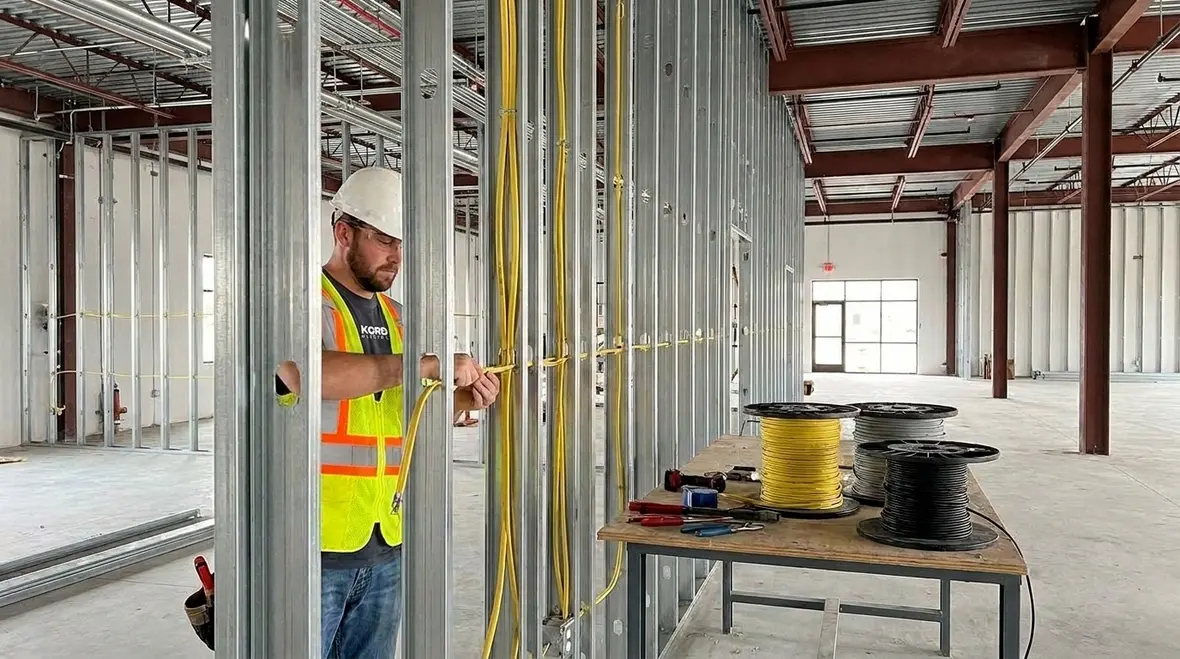
NEC Section 320.10 NM Cable Uses Permitted Guide
NFPA 70 Section 320.10 tells us when NM cable is permitted, and in this guide we explain what it means for commercial and industrial facilities. At Kord Electric, our team treats the National Electrical Code like a map, not a mystery novel. After all, nobody wants to “guess” their way through a wiring rule, even if a TV character does it every episode. We also lean on our expert service staff, and our technicians walk clients through the practical limits, the safe install steps, and the documentation that helps facilities stay ready for inspection. And yes, we keep it business casual, because the only thing that should be dramatic in your electrical system is the lighting design.
What Section 320.10 actually controls in NEC NM cable installs
NFPA 70 Section 320.10 focuses on the specific locations where NEC NM cable uses permitted by the Code. In other words, the rule does not simply say “use NM cable.” Instead, it sets boundaries based on building type, wiring method, and where the cable can safely run without creating hazards. Therefore, if an electrical plan proposes NM cable, the designer and installer must verify the route and termination points meet the conditions in Section 320.10.
Consequently, the real work starts when a facility team asks, “Can we use NM cable here, in this space?” Then we look at the environment: temperature, moisture risk, physical damage potential, and how the cable will be protected. At Kord Electric, our technicians explain these requirements in plain language, so project teams can make fast decisions and avoid costly rework.
For facility teams that want a broader grounding in the Code before zooming into Section 320.10, pairing this guide with resources like Kord Fire’s NFPA 70 overview and Kord Electric’s NFPA 70: Section 90.4 AHJ enforcement article can help put NM cable decisions into a bigger NEC context. Those pieces explain how the Code is structured and how Authorities Having Jurisdiction (AHJs) enforce it, which is exactly the backdrop you need when deciding where a wiring method truly belongs.
Where NM cable finds legal footing: common permitted locations
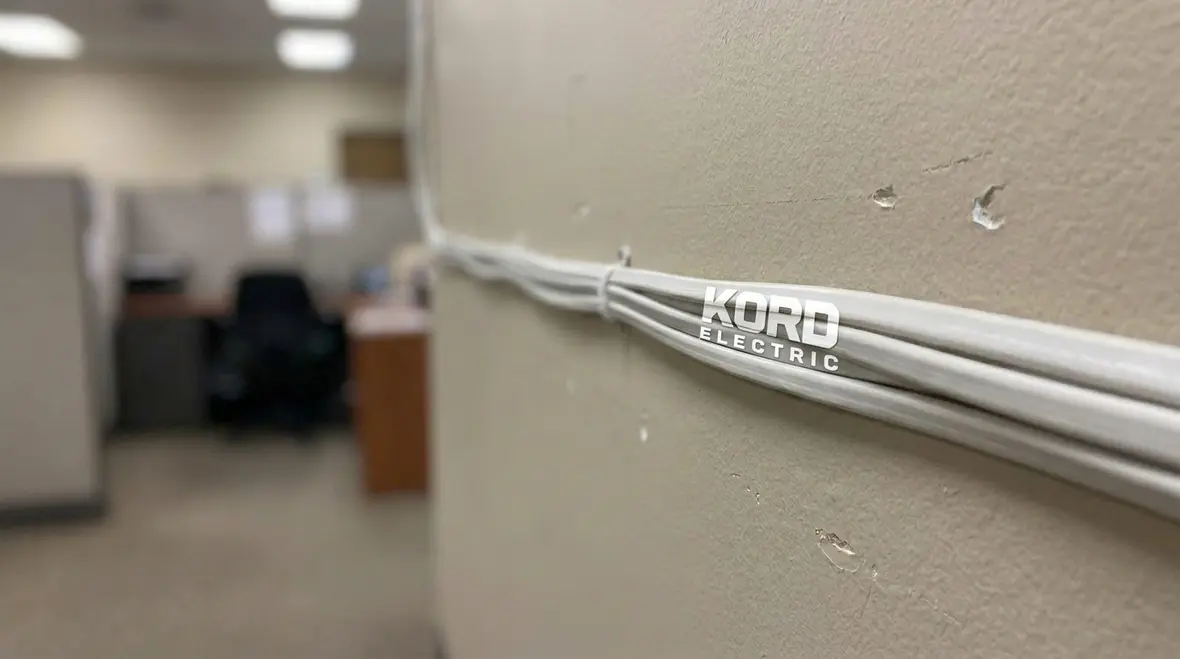
Section 320.10 permits NM cable only in places that the Code considers suitable for this wiring method. While the exact allowance depends on the broader NEC context, our team routinely sees approved usage patterns in interior areas where physical damage is limited and where the cable is not exposed to conditions the Code restricts.
Still, it is easy to overgeneralize. So we emphasize that “permitted” does not mean “anywhere you feel like it.” For commercial and industrial sites, we evaluate the actual building conditions, not just the spec sheet.
For example, our expert service staff often helps property teams confirm:
- Whether the cable runs through spaces with limited mechanical impact
- Whether the installation keeps protection where the Code expects it
- Whether the cable remains in allowed building areas and follows the route rules
When these points align, the installation can move forward with confidence. And when they do not, we adjust the design before anyone spends a weekend tearing open walls that should have stayed closed.
If your facility teams are also considering broader code-driven improvements — like electrical troubleshooting programs, emergency power strategies, or surge protection — Kord Electric’s blog library on topics such as electrical troubleshooting in Los Angeles County and emergency power for business continuity can help you understand how NM cable choices fit into a larger reliability plan.
Protection matters: shielding NM cable from real world harm
Even when Section 320.10 allows NM cable, the job does not end at the first “yes” on the permit list. Facilities deal with daily wear and tear, and NM cable must survive that reality. Therefore, we treat protection as a primary requirement, not an afterthought.
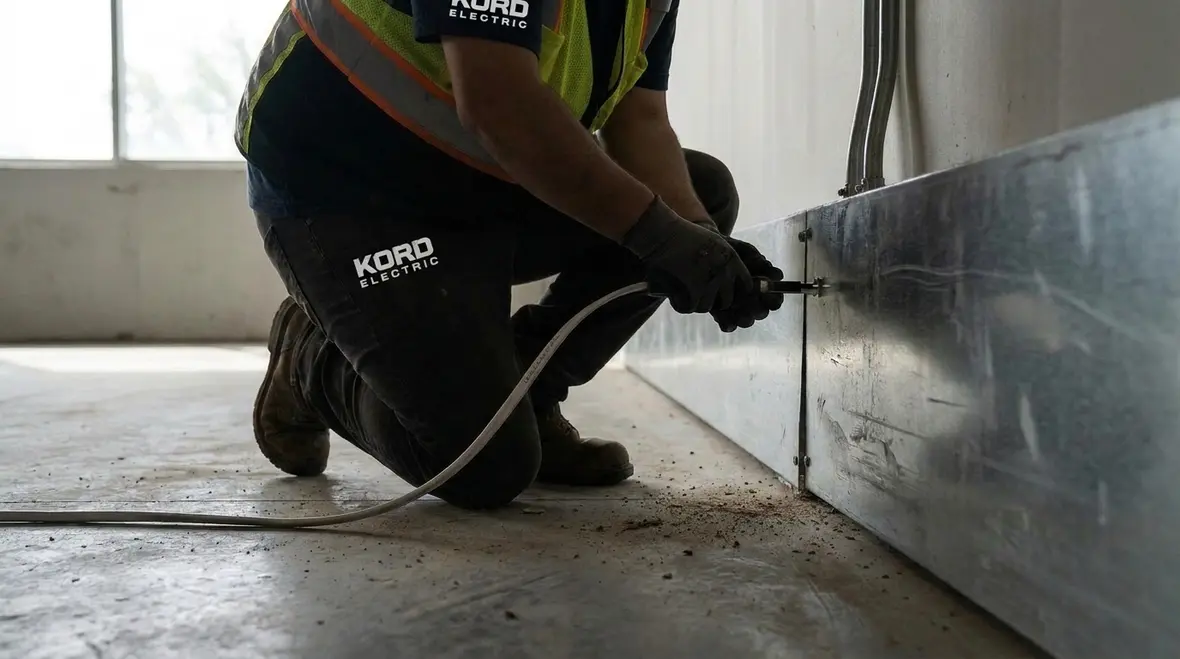
Our technicians look at where the cable travels and what can bump it, snag it, or stress it. Then we plan the route so the cable avoids areas that invite damage. Additionally, we confirm that any required physical protection is provided, especially where maintenance activity, equipment movement, or storage practices could threaten the cable.
At this stage, our team also helps clients understand a simple truth: inspection teams care about what they can verify. So we document the path, the protection approach, and the installation details in a way that supports the final walkdown. That way, the electrical system does not just pass today. It stays understandable for the next service cycle, too.
Protection planning is also where NM cable design conversations often intersect with bigger questions about service reliability and risk management. Facility leaders who are already exploring solutions like commercial surge protection upgrades, emergency power projects, or industrial preventive maintenance programs will recognize that the same mindset applies here: design for everyday conditions, design for the worst day, and then document it so the plan holds up under inspection and in real life.

How building use and environment change the decision
Commercial and industrial facilities do not all behave the same. A distribution warehouse, a manufacturing line, and an office support building each present different risks. As a result, Section 320.10 conditions must connect to the facility’s use, occupancy, and physical conditions.
For example, a place that seems “normal” during design can still develop hazards over time. Forklifts change routes. Racks get moved. Temporary staging becomes permanent because people get busy, and nobody wants to update the plan. Then the cable route faces new stress. That is why we advise facilities to treat wiring methods as part of an ongoing system, not a one-time install.
Moreover, we work closely with facility managers and property owners to review cable routing with future operations in mind. If the environment shifts, we adjust. If access increases, we protect. And if moisture risk rises, we steer the design toward methods that match the Code and the site conditions.
These decisions rarely happen in a vacuum. Many of our clients in Los Angeles County fold NM cable planning into bigger conversations about energy efficiency retrofits, business continuity design, or entertainment venue electrical upgrades. When you evaluate equipment layouts, lighting changes, or backup power strategies, it becomes much easier to spot where NM cable is a good fit and where a different wiring method makes more long term sense.
Design and documentation: what plans should show for inspection readiness
In the commercial and industrial world, paperwork can feel as heavy as the equipment it supports. Yet it matters, because a clear plan reduces confusion and speeds approvals. Therefore, we help teams align the design with NEC requirements, including the boundaries tied to Section 320.10.
When our expert service staff reviews drawings, we look for practical signals that the project team understands where NM cable is permitted and how it gets protected. Then we ensure the install instructions match what the plan shows. That means the route makes sense, the protection is specified where required, and the termination details stay consistent.
We also coordinate with project partners to confirm that the installation reflects the intended conditions. For instance, if the plan assumes an interior space with limited risk, then the construction field work should preserve that assumption. Otherwise, the facility can end up paying for a “surprise” change later.
And if you are thinking, “We will handle it in the field,” we hear you. But the field does not forget. The inspector does not forget. The building itself does not forget. Like a plot twist from a long running franchise, it shows up when you least want it.
For many of our clients, NM cable design reviews sit alongside broader NEC consultations. Articles like Kord Electric’s deep dive on NFPA 70 Section 90.4 help project teams understand how AHJs interpret plans, enforce compliance, and respond when field conditions diverge from the drawings. When you align NM cable design, documentation, and AHJ expectations upfront, inspections become less of a cliffhanger and more of a scheduled milestone.
Common mistakes we see and how we prevent them
Based on experience across major properties and industrial projects, we regularly spot the same failure patterns. Typically, they appear when teams treat NEC rules like a checklist rather than a real safety system. So our technicians help prevent issues before they reach the inspection stage.
Here are mistakes we often address:
- Using NM cable in spaces that do not match Section 320.10 conditions
- Planning a cable route that runs too close to areas where physical damage is likely
- Assuming protection exists because it appears in one part of the drawings
- Skipping documentation or making it too vague for a clean inspection review
To counter this, our expert service staff explains the “why” behind the rule. When teams understand the hazard the Code tries to prevent, decisions become easier. Then the install teams follow the same logic, and the result holds up under real conditions.
We also encourage property managers to think about NM cable decisions in the same way they think about choosing an electrical partner in the first place. Just as you would vet a Los Angeles County electrician based on code knowledge, communication, and real world experience, you can evaluate each proposed NM cable route based on how well it respects the Code, handles day to day operations, and keeps your facility ready for inspection.
FAQ for commercial facilities and major property owners
Next steps: get a site aligned plan with Kord Electric
If your facility project calls for NM cable, we recommend you confirm the route and protection details against NFPA 70 Section 320.10 before you install. At Kord Electric, we help commercial and industrial teams avoid guesswork with a clear design review and expert technician support. Our service staff explains the requirements in a calm, practical way, so your project moves forward with confidence. Contact us to schedule a review and bring your wiring plan into strong Code alignment.
For organizations in Southern California that want a deeper, service focused partnership, our Los Angeles County electrical services programs provide a practical way to fold NM cable design checks, NEC reviews, and ongoing maintenance into one coordinated plan. That way, the same team that helps you interpret Section 320.10 can also support troubleshooting, upgrades, and future projects without restarting the learning curve each time.
If you are building a long term roadmap around NFPA 70, consider pairing this NM cable guide with Kord Fire’s NEC and NFPA resource center and Kord Electric’s broader blog on topics like emergency power design and commercial surge protection. Together, they give facility owners, property managers, and project teams a practical, code grounded playbook that stretches well beyond a single wiring method.


