
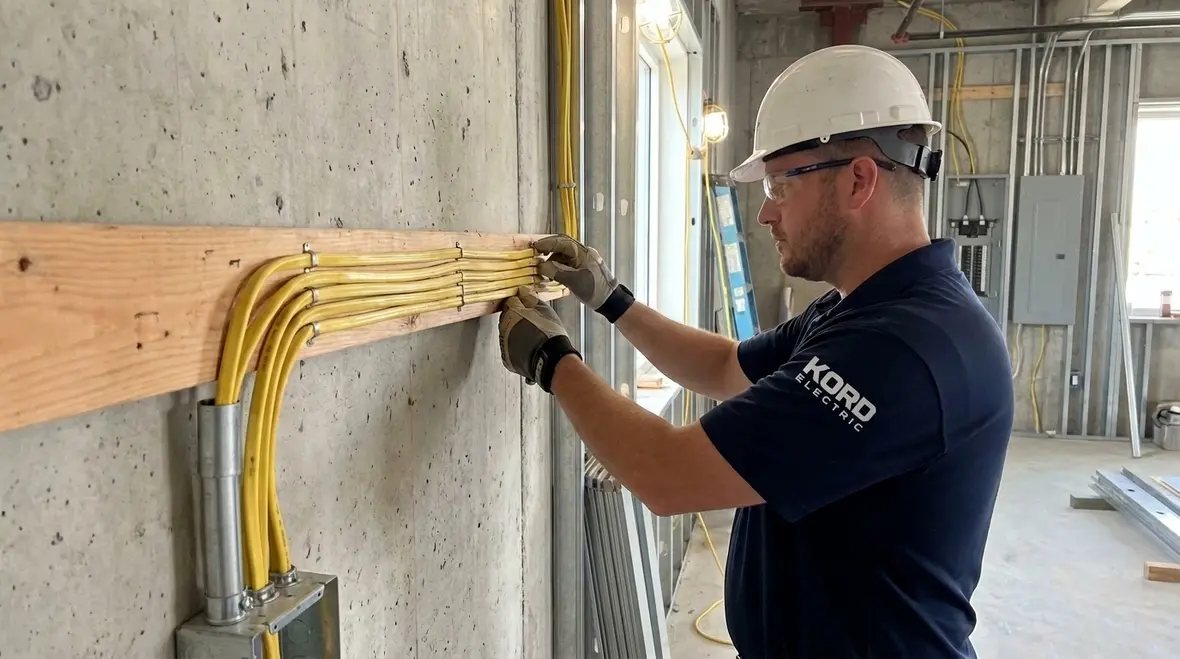
NFPA 70 320.15 Guide for NEC Exposed NM Cable
In many commercial and industrial facilities, teams eventually run into the question of how to handle NEC exposed NM cable work safely and correctly. We see it in real life: someone wants a quick visual inspection, someone else wants a clean finish, and somewhere in the middle the code gets involved, calm as a fire drill in slow motion. At Kord Electric, our expert service staff explains the rules in plain terms, then we help our clients meet them on the job site.
In this article, we focus on NFPA 70 Section 320.15 and how it applies to exposed NM cable work. We also describe practical steps we follow for commercial and industrial projects, including major property buildings, because those are the places where the stakes are highest and the schedule matters.
What NFPA 70 Section 320.15 requires for exposed NM cable
NFPA 70, also known as the National Electrical Code, sets the standard for safe electrical design and installation. Section 320.15 addresses exposed NM cable and spells out conditions where it can be installed where it is visible or accessible.
In plain language, the code does not just say “be careful.” It requires protection, proper placement, and compliance with the intent of the rules. Therefore, we treat this section as a checklist, not a suggestion. When our technicians review an installation, we look at where the cable runs, how it is secured, and whether the cable receives the right protection from physical damage.
Also, we avoid guessing, because guesswork has a strong habit of turning into expensive repairs. The code is detailed for a reason. And yes, even if you have a foreman with the confidence of a superhero, we still confirm the requirements against the NEC text and the project plans.
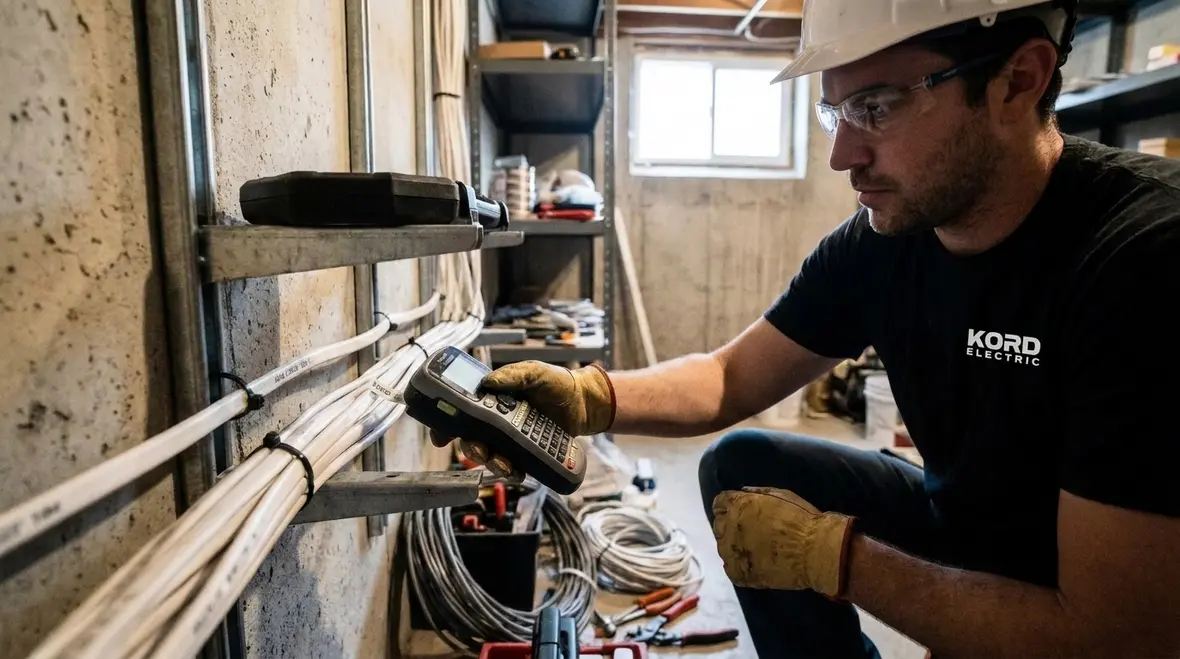
How the rules connect to NEC cable protection in real buildings
To comply with NFPA 70 Section 320.15, we typically connect the requirement to three practical topics: exposure, physical protection, and installation method. First, we identify how “exposed” the cable truly is in that space. Next, we evaluate the risk of impact, abrasion, or contact during normal facility operations. Finally, we confirm that the installed cable system meets the protection approach required by the NEC.
Then we apply the logic that keeps work safer long term. For example, a corridor in a major property building might see maintenance traffic, carts, and periodic cleaning activities. Meanwhile, a loading area can present higher risk due to frequent movement. As a result, we design the cable route and protection with the environment in mind, not just the initial installation.
Our technicians also explain how these decisions affect future troubleshooting. If the cable is routed or protected in a way that meets NEC expectations, inspections go smoother, documentation matches the real field conditions, and repairs do not turn into archaeology.
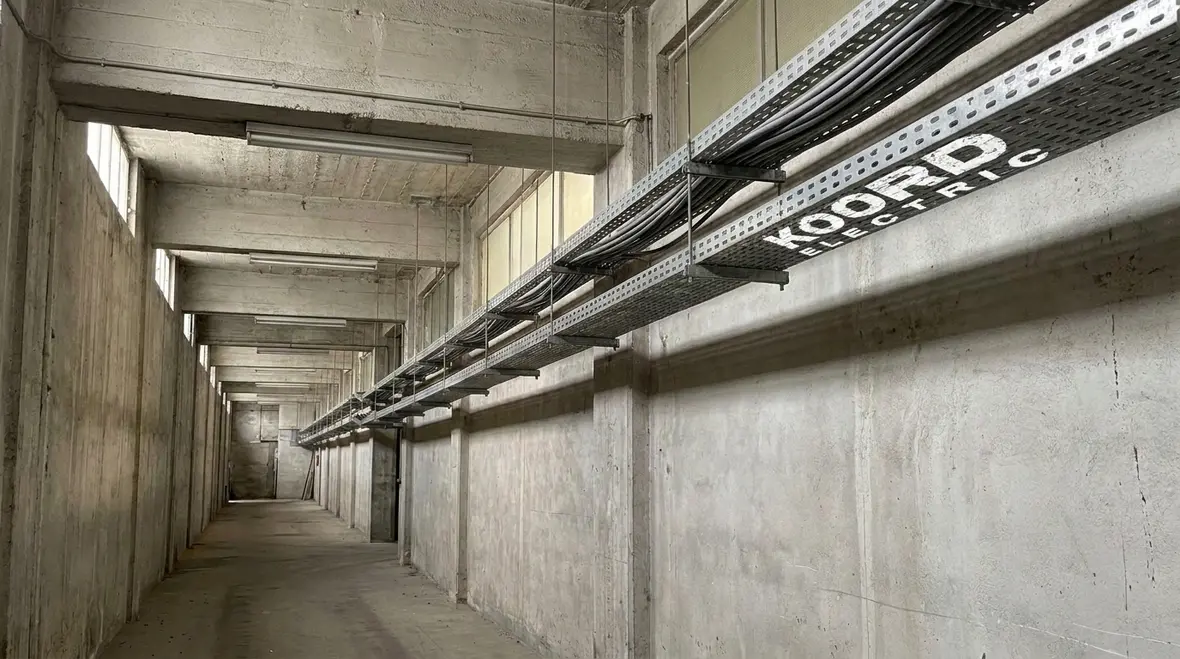
Where NM cable can be exposed and still meet code
Section 320.15 does not treat all exposed cable the same. Instead, it focuses on how exposure occurs and what protection is provided. In many commercial and industrial settings, we find that compliance hinges on whether the installation includes the right guarding or enclosure, and whether it sits where damage is unlikely.
In practical terms, we commonly handle exposed runs that require protection measures such as guarding, suitable enclosures, or other approved methods depending on the scenario. Moreover, we verify that the cable type and installation details align with what the code permits for exposed locations.
At Kord Electric, our expert service staff walks clients through these choices. We do not just list rules and move on. We explain why a route might require additional protection and how that affects the layout, the cost, and the inspection timeline. After all, when people understand the “why,” they make better decisions faster.
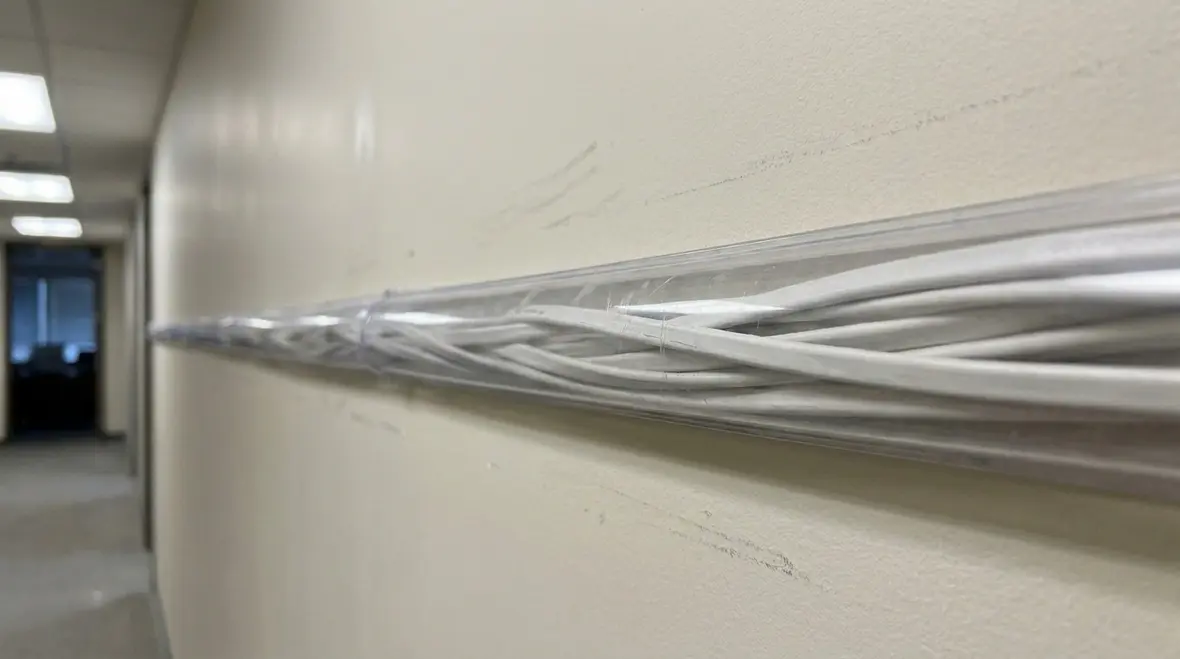
Best practices our technicians follow to reduce risk
Compliance is not only a matter of reading a section number. It requires consistent jobsite habits. For NEC exposed NM cable work, we emphasize these best practices for commercial and industrial facilities and major property buildings.
1) Route control and planning
Before we set cable, we plan the path to avoid areas with high impact or frequent contact. Then we coordinate routing with ceiling systems, access points, and ongoing facility workflows. As a result, we reduce the need for last-minute changes.
2) Securing and support
We secure cable using proper methods and spacing so it stays stable and does not sag. In turn, that lowers stress on terminations and helps keep inspections clean.
3) Protection where exposure is unavoidable
When exposure cannot be avoided, we apply the right physical protection strategy. Instead of treating protection as an afterthought, we build it into the plan from the start.
4) Clear labeling and recordkeeping
We maintain project documentation that matches what we install in the field. That step matters during service calls, remodels, and compliance checks.
And yes, sometimes someone wants to “just leave it exposed for now.” That is like saying, “We will check the smoke detector after lunch.” Technically you can, but the code and common sense both usually disagree.
Common installation mistakes we see during commercial inspections
We do not bring up mistakes to scare anyone. Instead, we share what our technicians and service staff see so your team can avoid repeat problems. First, we confirm whether the cable is truly permitted in that exact location. Then we check protection and support details. Finally, we look for missing documentation that can slow down inspection outcomes.
Here are common issues that show up in the field
- Leaving NM cable exposed in areas where physical damage is likely, without proper guarding or protection
- Using support methods that do not keep the cable stable, which can increase stress at terminations
- Routing cable through paths that create abrasion or contact risks during normal operations
- Failing to match the installation details to the design intent and code expectations
- Delaying documentation updates, which creates confusion when inspectors or facility staff follow the system later
To be clear, we do not judge the people involved. Sometimes schedules get tight, and everyone is tired. However, the NEC does not care how busy the day was. It still expects safe outcomes.
How Kord Electric helps commercial facilities meet NEC requirements
Kord Electric supports commercial and industrial facilities and major property buildings. We work with teams that need safe electrical systems that perform reliably and pass inspection. Therefore, our process starts with understanding the space, then we plan for code compliant installation, and we verify results with the right checks before handoff.
Our approach is simple, steady, and practical. We explain what NFPA 70 requires, we connect it to the conditions inside your facility, and we show what changes help you meet the standard without disrupting operations more than necessary. Moreover, our expert service staff helps clients understand how decisions today affect service calls, remodels, and long term compliance.
We also stay aligned with the latest code discussions and resources, including guidance published by partners and industry educators. For a broader look at the code cycles and how they shape upcoming projects, many facility teams review our resource on Understanding NFPA 70: The National Electrical Code Explained for 2026 alongside this focused discussion of Section 320.15. Together, those resources help major property buildings plan upgrades with fewer surprises and more confidence.
When facilities in Los Angeles County need hands-on help applying these requirements, they often start with our Los Angeles County electrical services overview, then move into a project-specific review for NEC exposed NM cable work, panel upgrades, and distribution planning.
FAQ about NFPA 70 Section 320.15 and exposed NM cable
Ready for a code compliant plan that holds up?
When you handle electrical systems in commercial and industrial facilities, you need more than a fast fix. You need a plan that matches NFPA 70, supports safe operations, and makes inspections smoother. Kord Electric delivers that steady, expert approach with technicians who explain the “why” and verify the “what.” If you are planning exposed NM cable runs or reviewing an existing installation, contact us for a project focused review and a practical path forward that protects your building and your schedule.
If you are also evaluating broader electrical upgrades, you can pair this exposed NM cable guidance with planning resources from the Kord Electric blog to prioritize which systems move first, how to stage work around operations, and where NFPA 70 updates will influence your budget the most.


