
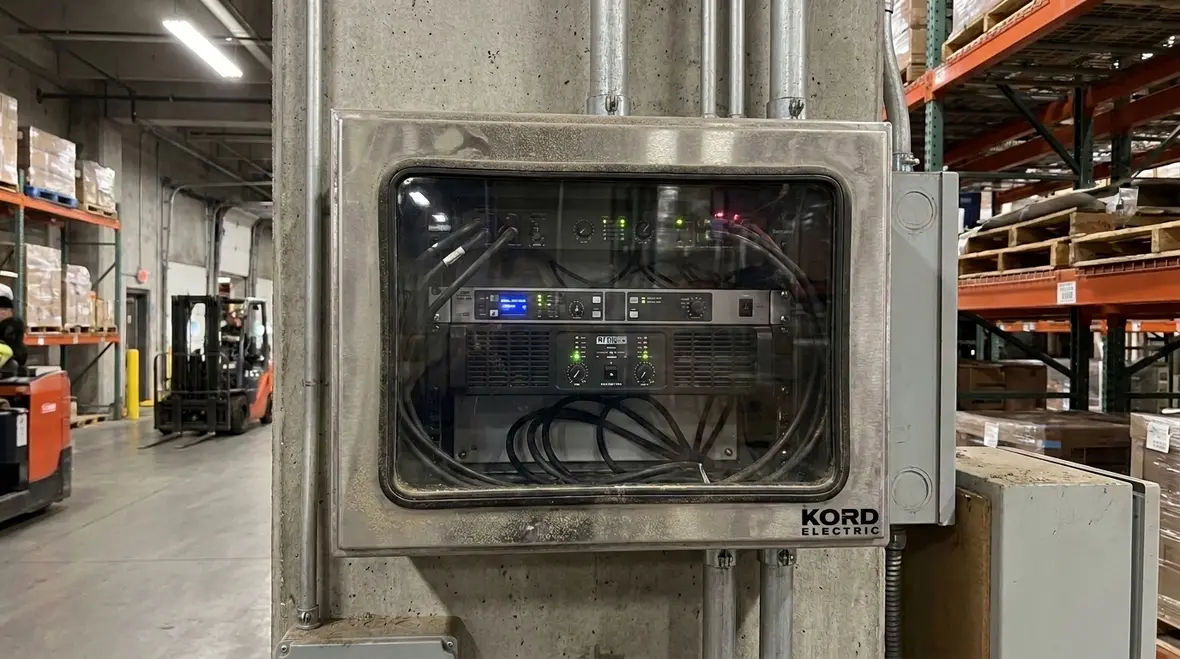
NEC Section 640.44 Audio Equipment Environmental Protection
NEC Section 640.44 audio equipment environmental protection is the kind of rule that sounds boring until you imagine the result of getting it wrong: noise gear sitting in damp air, heat swings, and dust, then failing when a building needs it most. In our work at Kord Electric, we see how commercial and industrial facilities depend on reliable audio and control systems, and we take that reliability seriously.
Now, we are not saying code compliance is fun. But neither is reading the entire instruction manual for a toaster. Still, when we follow the National Electrical Code, we reduce surprises, improve safety, and help your systems last longer. In this guide, we explain how NEC planning connects to real-world builds, and how our technicians and expert service staff help you apply those rules with clarity.
What the NEC sets out to protect in real buildings
The National Electrical Code does not write itself for your convenience. It exists because people have learned, sometimes the hard way, that electrical systems must handle how buildings actually behave. For commercial and industrial facilities, that means power distribution, life safety needs, equipment ratings, and protection methods that match the environment.
When we talk with others in the field, we often hear the same pattern: teams know the code exists, yet they feel unsure which parts matter most. That is where we focus. We do not treat the NEC as trivia. Instead, our technicians review the installation context, then connect requirements to the equipment, the location, and the duty cycle.
And yes, we keep it practical. If the building runs hot, we plan for heat. If the site sees moisture, we plan for moisture. If the space hosts harsh dust or vibration, we plan for that too. The NEC gives structure, and we make it usable.
NEC fundamentals that matter for commercial electrical systems
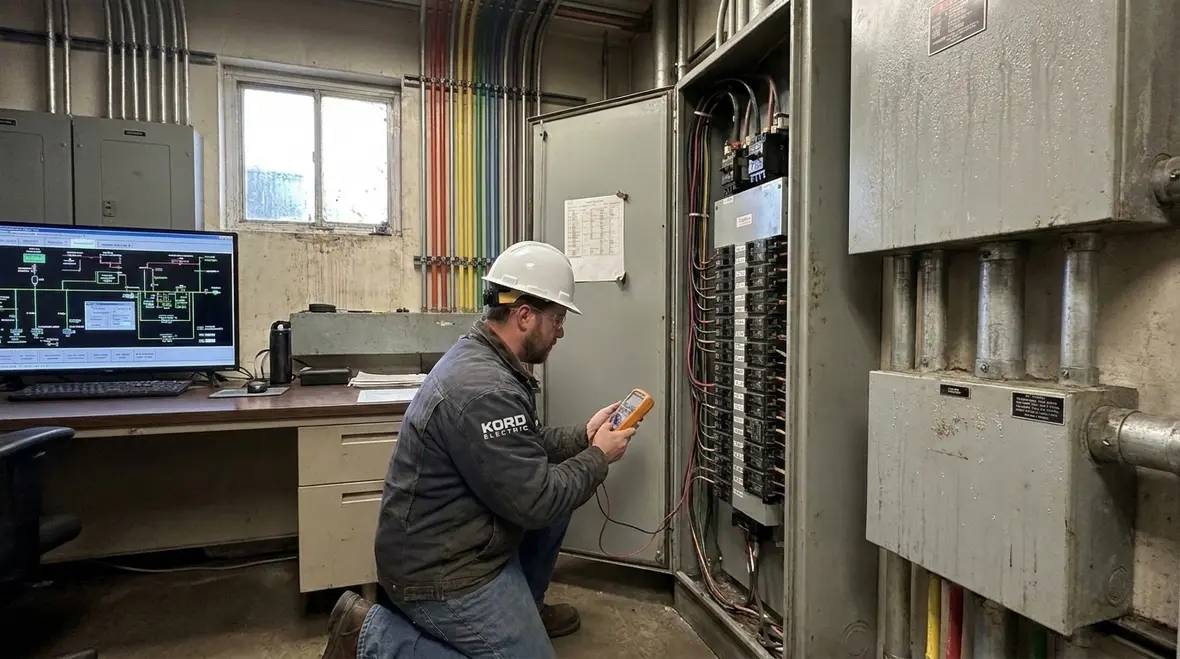
Most people can recite that the NEC is updated on a schedule, but fewer people apply the updates in day to day planning. To move fast and build right, teams need to understand how the code organizes requirements and why certain chapters exist.
First, the NEC groups rules by system type and use case. Second, it connects wiring methods, equipment placement, and protection to risks found in the field. Third, it expects you to follow not just one line item, but the logic across related requirements.
In our process at Kord Electric, we do a systems view. We look at how power arrives, how devices connect, how protection works, and how environmental conditions affect performance. As a result, we reduce rework and avoid last minute fixes that cost time and money.
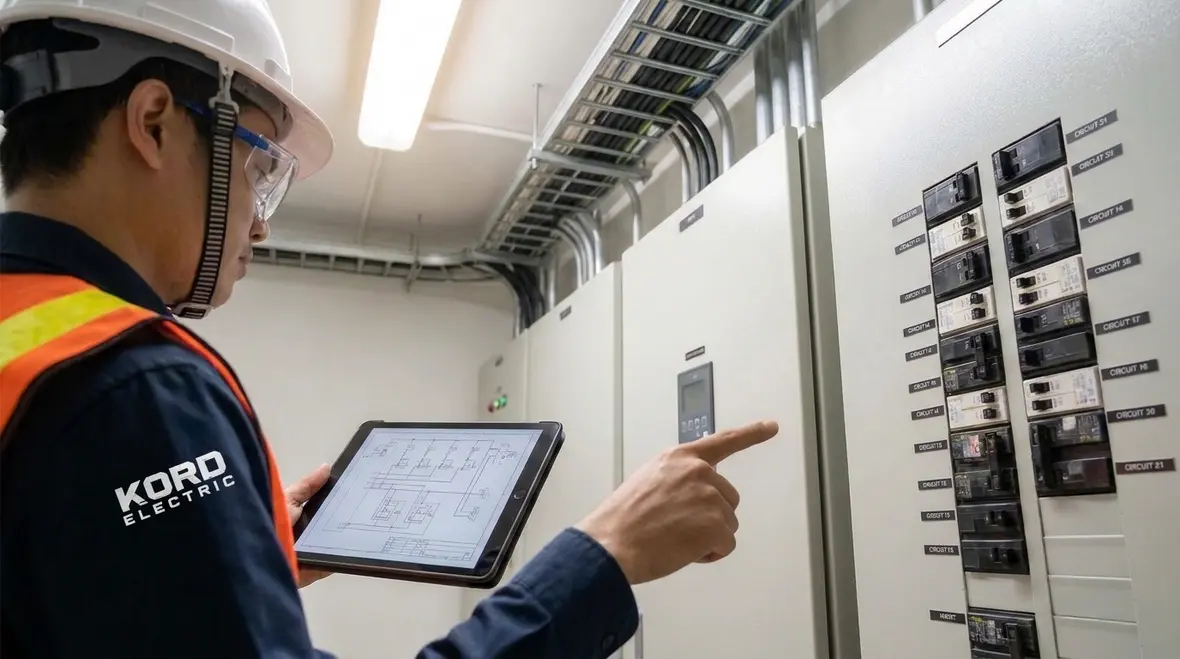
How NEC Section 640.44 shapes audio equipment environmental protection
NEC Section 640.44 addresses a specific problem that shows up in many facilities: audio equipment and related systems face harsh real world conditions. Therefore, the code expects environmental protection choices that match where the equipment lives and how it operates.
Our expert service staff often explains this like so: if the equipment is exposed, then protection must keep functioning. If the equipment sits near moisture sources, then the method must handle condensation and wet air. If the equipment sits in areas with dust, heat, or airflow restrictions, then ventilation and sealing choices must match those conditions.
At Kord Electric, we help teams apply this requirement through careful design and inspection. We do not just install and walk away. We verify that the selected enclosures, mounting approach, and wiring pathways align with the protection intent of NEC Section 640.44 audio equipment environmental protection. And when we coordinate with other trades, we make sure the final build keeps that protection in place, not just on paper.
Also, we sometimes get the “it will probably be fine” argument. That is the same energy as putting your smartphone in a raincoat and calling it weatherproof. We prefer real protection, not hope.
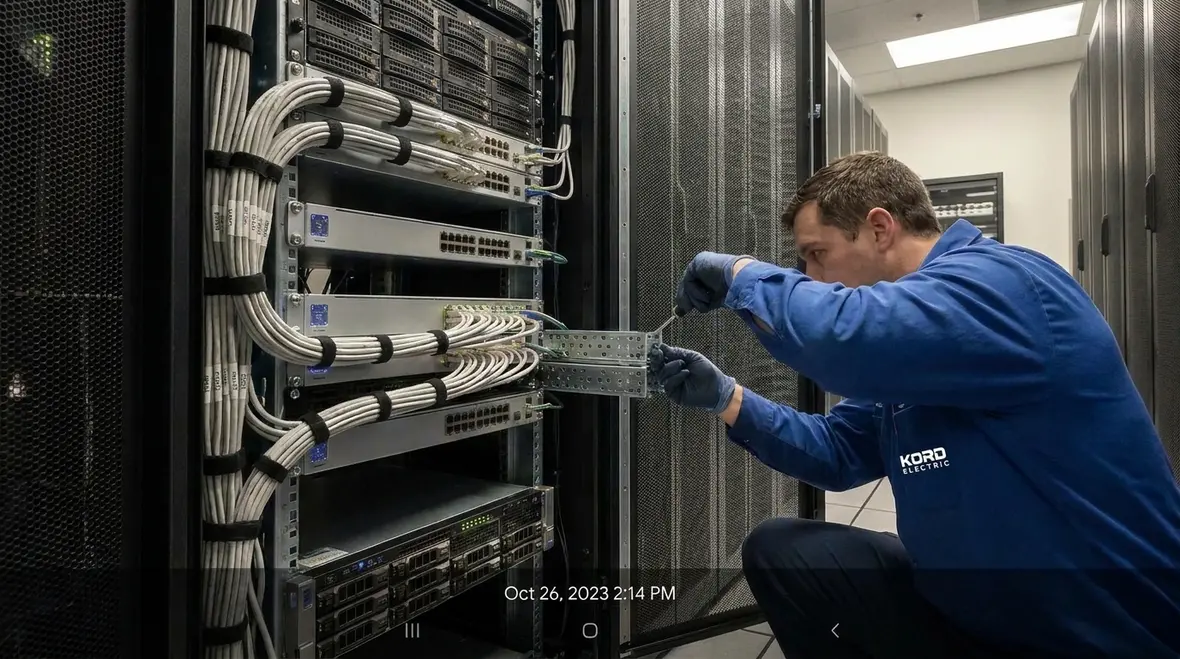
Design choices that improve reliability over time
Code compliance matters, but reliability matters even more. This is where good engineering and solid workmanship combine. We use field experience to translate code language into install decisions that help audio systems perform during normal operations and during worst case conditions.
Here are the design choices we pay close attention to for commercial and industrial work
- Enclosure selection We confirm that the enclosure type fits the environment and keeps contaminants out while allowing proper operation.
- Mounting and spacing We verify mounting height, clearances, and airflow so the equipment stays in a safe operating range.
- Moisture management We plan cable routing and connection points so water does not travel where it should not.
- Heat handling We consider local temperatures, heat sources, and ventilation paths to prevent gradual performance loss.
- Service access We design for maintenance so future technicians can work without breaking seals or compromising protection.
Meanwhile, our technicians document the decisions and share explanations in plain language. That matters because maintenance teams need a clear story later. If a future issue appears, the people on site can trace what was selected and why.

Installation coordination across trades and schedules
Even the best design can fail when the build sequence goes sideways. That is why coordination matters in commercial and industrial facilities. Walls get finished, conduits get covered, and equipment gets mounted. If coordination slips, environmental protection gets compromised, and the code intent gets lost.
We run a disciplined approach. We review scope early, identify equipment locations, and align the electrical work with the schedule of other trades. Then, we confirm that any required protection features remain intact after wall closure, ceiling work, and final trim.
For example, if audio equipment requires a protected path for wiring, we ensure the routing plan stays consistent through rough in and finish. If a contractor changes a route at the last moment, we do not pretend that risk disappears. Instead, we evaluate it and address it before the build locks in.
And we keep it calm. Nothing increases stress faster than a deadline and a hidden conduit. We help teams move forward with less drama, more clarity, and fewer emergency calls that feel like a season finale nobody asked for.
Where NFPA, NEC, and fire related standards overlap
Electrical code rules do not live alone. In real facilities, electrical and fire related planning overlap in how systems behave during emergencies. Many teams also look at NFPA related guidance and local requirements, especially when audio systems tie into alerting, signaling, or emergency operations.
At Kord Electric, we treat those overlaps as an opportunity to reduce risk. We do not assume that “close enough” design choices will hold under scrutiny. Instead, we cross check how electrical equipment protection, wiring methods, and placement interact with the operational role of the system.
Because commercial and industrial buildings vary, we lean on expert references and practical field experience. We also collaborate with partners who understand fire and life safety equipment. For instance, teams sometimes compare guidance across resources such as those focused on NEC and fire related engineering, including references from Kord Fire and organizations such as FirePumps. That helps us align thinking when projects include signaling, alerting, or life safety design.
Ultimately, the goal stays consistent: maintain system performance under stress. That is where sound design and good environmental protection work together.
Connecting NEC 640.44 to broader code education
For facility leaders and project teams who want a deeper code backdrop beyond audio systems, resources such as Kord Electric’s guide Understanding NFPA 70: The National Electrical Code Explained for 2026 help frame how NEC sections, including 640.44, fit into the larger electrical safety picture for commercial and industrial facilities.
Featured snippet FAQ
Planning beyond one project: long term NEC alignment
Commercial audio systems rarely live in isolation. Over years, facilities add new zones, upgrade processors, swap amplifiers, and extend cabling into spaces that did not exist when the system was first installed. Without a clear environmental protection strategy, each “small” change can chip away at the integrity that NEC Section 640.44 expects.
That is why we encourage clients to treat every upgrade cycle as a chance to re-verify conditions: has the space become hotter or more humid, has airflow changed due to mechanical work, or have new processes introduced fine dust or chemicals into the air? When the environment shifts, the protection plan must shift with it, or the system reliability clock starts counting down faster than anyone wants.
We also tie these reviews into broader NEC planning so the audio work aligns with how power distribution, grounding, bonding, and emergency systems are evolving. In many facilities, this includes cross-checking with larger initiatives discussed in code education resources, then folding those lessons into the next phase of audio protection decisions.
Coordinating environmental protection with regional service expertise
Facilities across Los Angeles County and the surrounding region face a mix of conditions: coastal moisture, inland heat, dust from construction, and vibration from dense mechanical rooms and transportation corridors. Choosing the right environmental protections for audio gear in those conditions benefits from a contractor who understands both NEC language and local realities.
Kord Electric’s Los Angeles County electrical services support that balance by pairing code-driven planning with on-the-ground insight into how commercial and industrial buildings in the area actually run, age, and expand.
Call Kord Electric for disciplined NEC planning
Commercial and industrial projects cannot afford guesswork. At Kord Electric, our technicians and expert service staff help you apply NEC requirements, including NEC Section 640.44 audio equipment environmental protection, with clear planning, careful installation, and coordination across the build. We reduce rework and help your audio systems stay reliable in harsh real world conditions. If you are planning a new build or upgrading a facility, call us today. Let us review your scope, talk through the environment, and put your compliance on solid ground.
When you are ready to align your audio equipment protection with the rest of your NEC planning, our team is ready to help you move from “it will probably be fine” to a calm, documented, and reliable protection strategy that holds up under both real-world use and inspection.


