
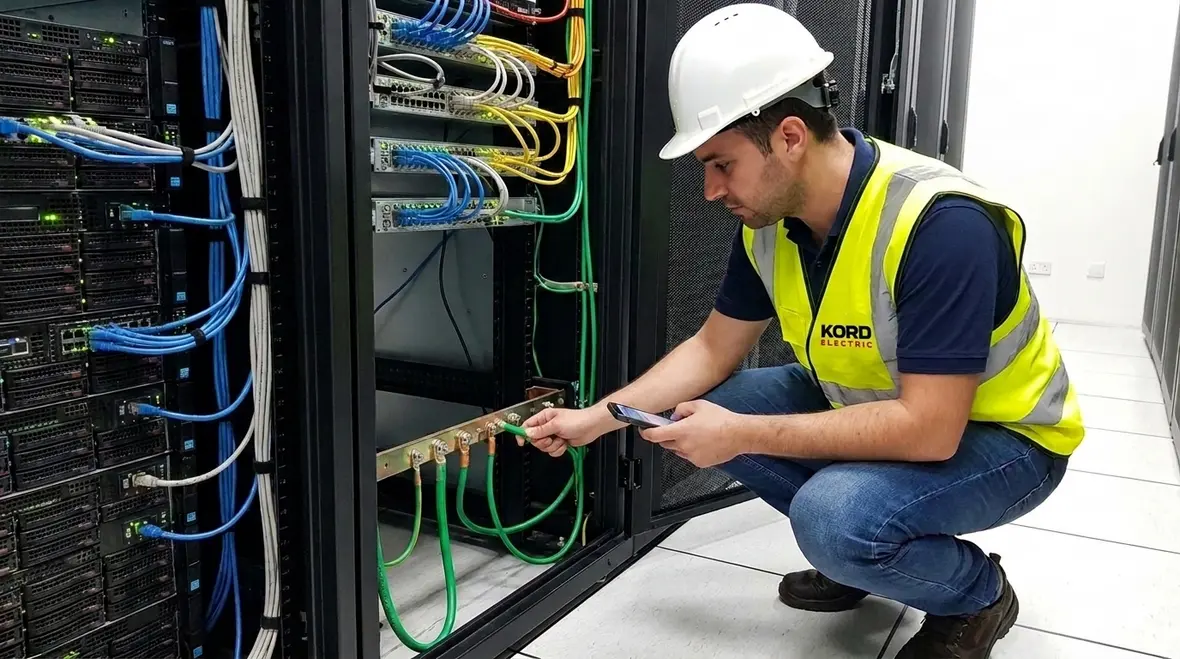
NEC Section 645.14 IT System Grounding Meaning in Real Life
NEC Section 645.14 IT system grounding and what it means in real life
In commercial and industrial facilities, we see power issues turn into shutdowns, insurance headaches, and the kind of downtime that ruins a quarter. That is why we explain the rules with care, starting right where NEC Section 645.14 IT system grounding shows up. Early on, we focus on how an IT system grounding approach supports safe operation, proper fault detection, and stable performance for sensitive loads like server rooms, control networks, and key communication gear.
Because we work with major property buildings, we do not treat this as a “paper compliance” topic. Instead, our technicians and expert service staff help owners and facility managers understand how grounding choices affect real behavior during faults. And yes, it can feel like reading a superhero handbook written by an electrician who hates bedtime stories. Still, the goal stays simple: protect people, protect equipment, and keep operations steady.
Why the National Electrical Code matters for commercial power reliability
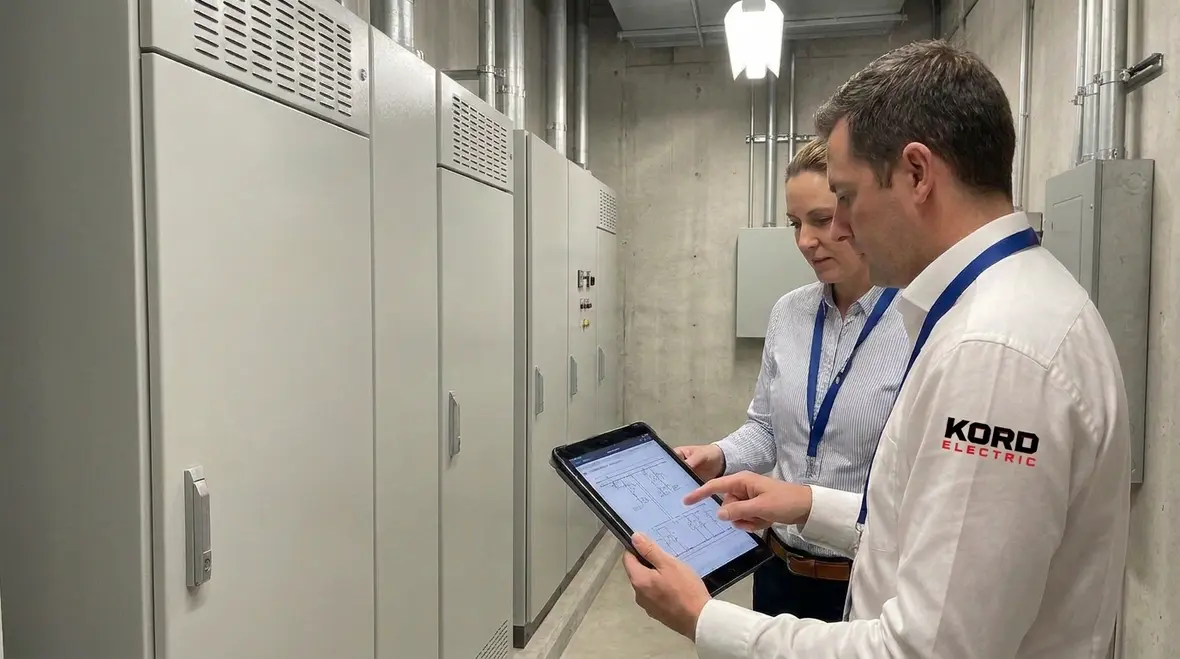
When people hear “NEC,” they often think it is just a list of rules. However, for us, the NEC acts like a roadmap for safer electrical systems and consistent installation methods. Moreover, the NEC helps reduce guesswork during design, upgrade, and inspection. In a building that runs 24 7, even one weak point can create cascading problems across panels, branch circuits, and critical loads.
We guide commercial and industrial stakeholders through the practical side: how the code drives wiring methods, equipment ratings, disconnecting means, and protection approaches. Then we connect that guidance to the IT side, where grounded or ungrounded behavior changes what alarms trigger and how systems respond. In other words, we translate “code language” into “system behavior.” That is where many teams get stuck, because it is easy to meet a minimum and still fail a real-world requirement.
If your team wants a deeper foundation on how the NEC shapes everyday decisions, you can also connect this topic with Kord Electric’s broader guidance on NFPA 70. Resources like their National Electrical Code explainer for 2026 and practical reading guides help link each requirement to real installation behavior instead of leaving it as abstract text in a binder.
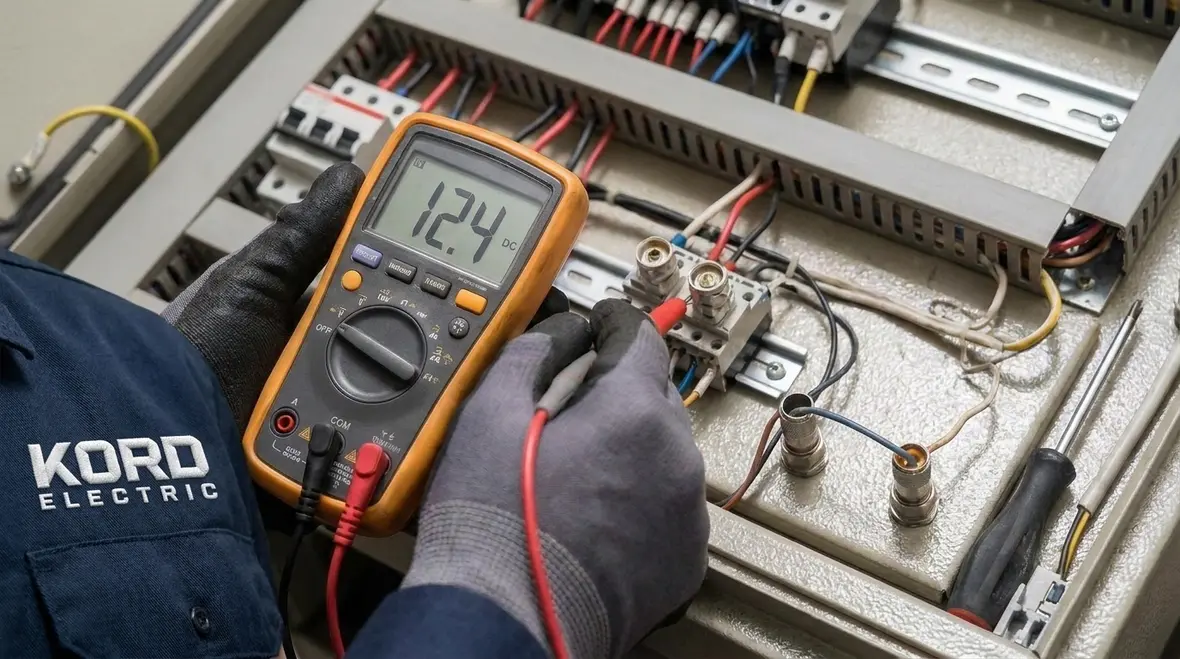
How IT systems behave during faults, and why grounding changes outcomes
An IT system often feeds equipment that depends on stable power and predictable fault performance. When a fault occurs, the electrical system does not just “break.” It changes currents, voltages, and detection signals, and those changes decide whether equipment stays online or trips offline. Therefore, grounding strategy is not a decorative detail. It becomes a switch between “manageable” and “chaotic.”
With IT system grounding concepts, we help teams understand how the system handles leakage paths and how fault detection can work when the system expects certain reference behavior. Additionally, proper grounding can help limit shock risk and reduce touch voltage concerns on exposed conductive parts. It can also influence how protective devices coordinate.
Our expert technicians explain this step by step during site walks. They compare what designers intended with what the field actually built, because real buildings carry real variables. For example, cable routing, bonding quality, moisture, and building structure can all affect leakage current paths. So even if the drawings look perfect, we verify what matters: continuity, bonding integrity, and how grounding conductors connect and terminate.

NEC and NFPA 70 updates: what facility teams should watch
Electrical codes evolve because the real world evolves. That is why we stay alert to NEC revisions and the broader NFPA 70 framework. When updates land, they can shift inspection focus, equipment expectations, or requirements tied to grounding, labeling, and system design practices. Meanwhile, facilities face deadlines, budget cycles, and ongoing operations. So planning matters.
We advise commercial and industrial teams to treat code changes like a maintenance season, not an emergency. First, we review the applicable edition and identify the sections that affect their system type. Next, we check design drawings, as built wiring, and test records. Then we validate field conditions with appropriate electrical testing and documentation.
For many major property buildings, the biggest challenge is not understanding the change. The challenge is proving compliance across multiple tenant spaces, shared risers, and upgrades that happened over the years. We handle that with careful records review and practical verification, so teams do not rely on guesswork or vendor promises that do not survive an inspection.
Facility leaders who want more background often pair their grounding and IT system planning with Kord Electric’s NEC-focused resources, such as their guide on understanding NFPA 70 for 2026. That context helps connect NEC Section 645.14 IT system grounding to wider topics like conductor rules, connection quality, and AHJ enforcement expectations.

Our approach to NEC compliance for commercial buildings
At Kord Electric, we only target commercial and industrial facilities and major property buildings. That focus keeps our process sharp, repeatable, and built for the environments that actually need it. In practice, we run a compliance workflow that respects downtime limits and protects sensitive equipment.
First, our technicians confirm system scope, load types, and risk priorities. Then we map how grounding and bonding connects across panels, racks, enclosures, and raceways. After that, we check coordination between protective devices and any fault detection expectations. Finally, we document findings in a way that helps facility managers make decisions quickly.
Here is what we do differently from the “connect it and hope” crowd. We explain what each step accomplishes, and we show the chain of cause and effect. Because when a team understands the why, they maintain the system better and avoid repeating mistakes. Also, our staff does not hide behind jargon. If a term feels like it belongs in a sci-fi movie, we translate it into plain building language.
For teams planning large projects, we often connect IT system grounding conversations with broader topics like commercial electrical system modernization, emergency power planning, and critical infrastructure reliability. That way, NEC Section 645.14 is not treated as a single isolated rule, but as part of a coordinated reliability and safety strategy for the entire facility.
Working with NFPA 70, fire and life safety systems, and critical loads
Electrical grounding does not live in a vacuum. In many major property buildings, the electrical system supports fire alarm panels, life safety power, smoke control equipment, emergency lighting, and other life critical functions. Therefore, electrical design and inspection must align with the life safety expectations of the building. We see that alignment fail when teams treat electrical work and fire life safety work like separate universes. They are not.
Our internal coordination mindset matters because grounding affects how protective systems react. For example, issues that create unexpected leakage, poor bonding, or weak terminations can interfere with alarm reliability or complicate fault response. Additionally, facilities often ask for dependable power behavior during abnormal events, not just during normal operation.
We also understand that some facility teams work alongside fire focused resources and partners. While our role centers on electrical systems, we take a cooperative stance so the overall solution supports the property’s life safety goals. If you want to explore broader context around NEC and the NFPA 70 topic area, you can also look at resources from kordfire.com and kordelectric.com, where we highlight how code thinking applies to real installations.
In practice, that means coordinating IT system grounding with the behavior of fire alarm circuits, emergency transfer schemes, and life safety feeders. When grounding paths are clear and bonding is solid, you reduce unlabeled surprises during drills, inspections, and real events.
Implementation checklist for IT grounding in major facilities
To keep projects moving, we use a practical checklist style approach. It helps our team stay consistent across sites, and it helps owners track progress. Below is a building focused view of what we validate during commercial and industrial work.
- Confirm the system classification and scope for the IT environment, including where the IT cabling and equipment connect.
- Verify NEC Section 645.14 IT system grounding intent for the installation and ensure the grounding method supports fault handling goals.
- Inspect bonding and connections at enclosures, cable shields where applicable, and grounding conductors at terminations.
- Check equipment grounding paths for continuity and ensure terminations remain tight and properly installed.
- Coordinate protective device behavior with expected system response, so faults create safe and predictable outcomes.
- Review labeling, documentation, and test records so compliance survives real inspections.
- Test and document field conditions, then close out findings with clear recommendations.
Now, a quick pop culture note. If you ever watched a “mystery box” show where the prize depends on one hidden switch, that is how grounding behaves during fault conditions. People want the result, but they forget the switch exists. We help you find and control that switch before it controls you.
Featured snippet FAQ
Quick extra questions
- Does this apply to every building? We focus on commercial and industrial facilities and major property buildings where critical loads and IT infrastructure require careful grounding.
- Will this prevent all electrical faults? No, but proper grounding and installation reduce risk, improve fault behavior, and support safer outcomes.
Call Kord Electric for a grounding plan that holds up
When an IT system grounding decision gets made based on incomplete information, the bill arrives later, usually during an outage. We help commercial and industrial facilities build grounding and bonding approaches that match NEC expectations and support dependable fault behavior. Our technicians and expert service staff walk you through the rules, then verify the field with real tests and clear documentation. If you are planning upgrades or preparing for compliance reviews, contact Kord Electric today and we will map the next steps with you.
For facilities in Southern California and nearby regions, Kord Electric’s Los Angeles County electrical services support everything from NEC Section 645.14 IT system grounding work to broader commercial electrical upgrades, maintenance, and troubleshooting. That combination of grounding expertise and full service capability helps your team handle both day to day reliability and long term code strategy with one coordinated partner.
If you want to keep reading while you plan your next project, you can also explore Kord Electric’s NEC focused blog content, including their in depth explanation of the National Electrical Code for 2026. Pairing this article with that broader guide gives you both the zoomed in view on NEC Section 645.14 IT system grounding and the zoomed out view on how the NEC protects people, equipment, and operations across the entire building.
Conclusion
In real life, NEC Section 645.14 IT system grounding is less about abstract diagrams and more about how your building behaves on its worst electrical day. The right grounding and bonding strategy turns rare faults into manageable events instead of catastrophic outages. By connecting code language to field conditions, testing results, and life safety expectations, you build an electrical environment where IT systems, operations teams, and inspectors can all rely on the same, stable foundation.
Whether you oversee a data heavy office, a production facility, or a complex multi tenant property, treating IT system grounding as a core reliability decision rather than a checkbox will pay off. With the right partner, you can align NEC Section 645.14 requirements, NFPA 70 updates, and your own uptime goals into a single, practical plan for the next decade of operations.


