
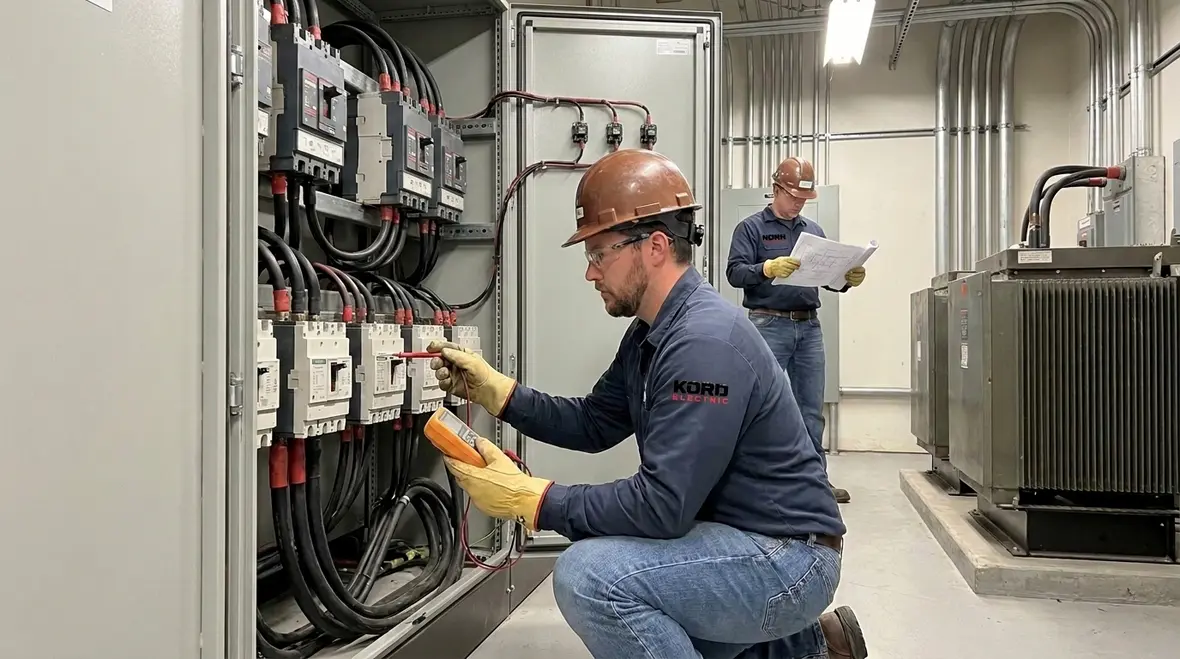
NEC Section 668.11 Plating DC Process Power Compliance Guide
In commercial and industrial facilities, we do not guess when it comes to power. We confirm. That is why we start with the rules that protect people, equipment, and downtime budgets. Early in our process we reference NEC Section 668.11 plating DC process power, because it sets expectations for how wiring and electrical systems must support demanding industrial operations. Then, as the project moves from design to installation to inspection, our expert service staff explains what those rules mean in real life, not just on paper. And yes, we will translate the code the way your electrical panel actually behaves, not the way it sounds in a textbook. If the code were a movie, it would not be the “fast and furious” kind of plot. It is the slow, careful kind, the one that keeps the building standing and the shift manager calm.
What the NEC covers for industrial electrical systems
The National Electrical Code helps define safe construction and installation practices for electrical systems. For large property buildings and industrial operations, that coverage matters because you deal with higher loads, complex distribution, and more situations where equipment runs near the edge of its design limits. Our team at Kord Electric supports commercial and industrial facilities, so we focus on practical compliance. We do not treat the NEC like a trivia game, and we do not rely on “good enough” workmanship.
First, we help stakeholders connect the rules to the actual system. Then, we plan the build sequence so the electrical scope matches how the facility operates. After that, we verify the finished work against code expectations before energizing. In other words, we keep the lights on and the risk low. Transitioning from one phase to the next becomes smoother, because the same standards guide our decisions from rough in to final test.
Why NEC timing, voltage, and method of wiring matter
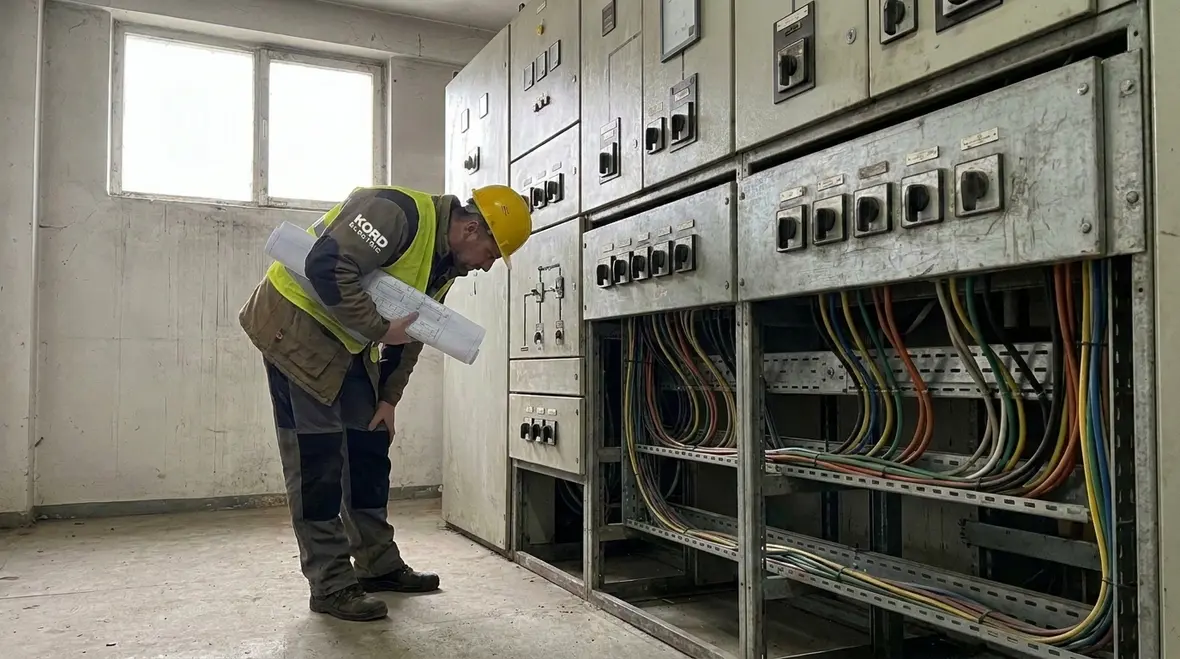
Electrical safety does not hinge on one rule. It depends on a stack of choices: conductor type, insulation rating, protection methods, installation location, and how systems route and support power under real operating conditions. Industrial facilities often have process equipment that creates steady loads, and also equipment that starts and stops in cycles. That matters because the electrical system has to perform during normal operation and during abnormal conditions.
Our technicians explain these differences the same way we explain torque to a maintenance lead. You can have the right part and still fail if the installation method is wrong. Therefore, when we interpret NEC requirements, we focus on how wiring method supports heat control, physical protection, and electrical performance. As a result, the building team gets a system that behaves predictably instead of a system that “kind of works” until the next outage.
Applying NEC Section 668.11 plating DC process power in the field
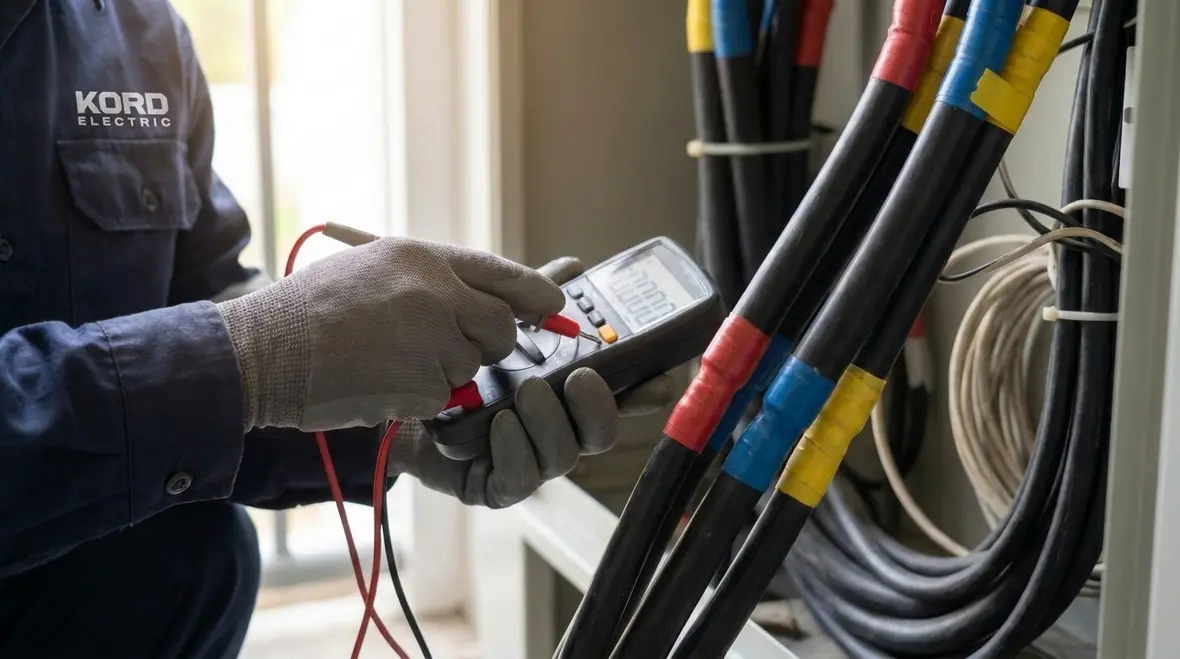
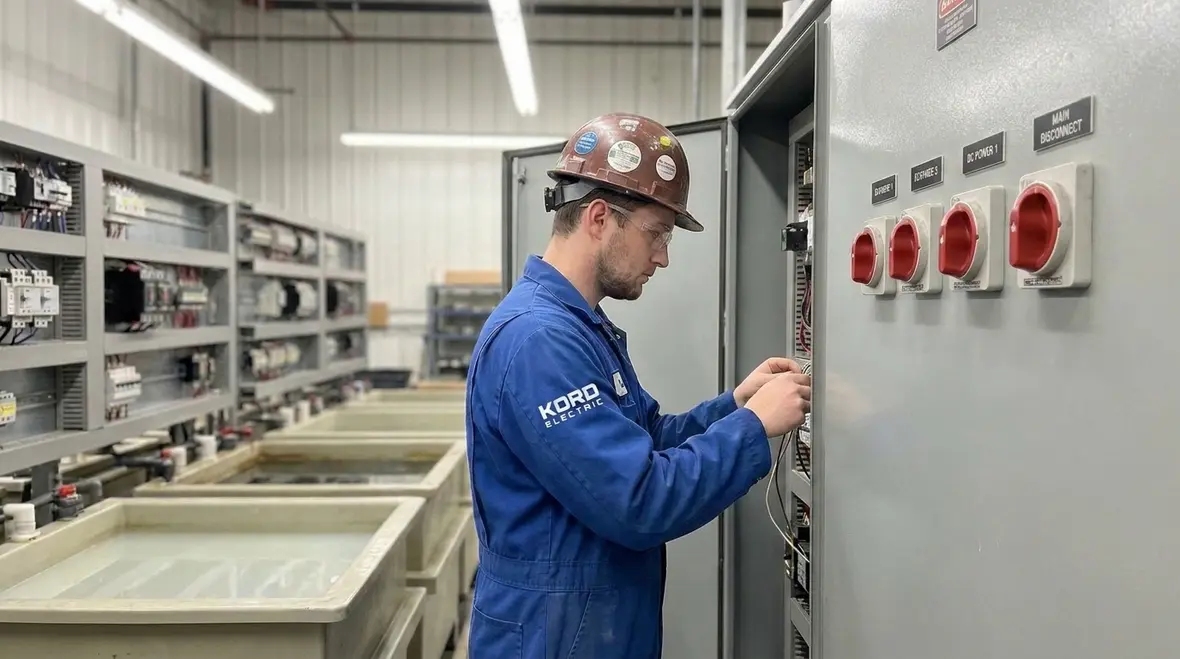
When a facility uses plating processes, it can involve DC power used to support industrial chemistry and controlled reactions. Here is where NEC Section 668.11 plating DC process power becomes more than a reference number. It influences what the electrical system must do, how it must be installed, and what design boundaries the electrical team should respect.
We approach it with careful interpretation and practical verification. For example, we help confirm that the wiring layout supports safe routing and adequate protection. Then we validate that disconnecting and control elements align with the process needs and the safety goals. We also coordinate with facility operations, because process schedules affect how often equipment cycles and how quickly hazards would be noticed.
Finally, our expert service staff documents the reasoning behind installation decisions so the facility has clarity for future audits and maintenance. And yes, if someone tries to treat the DC process power setup like a generic “plug it in and hope” situation, we step in politely. We have seen what happens when hope replaces engineering. It is not a business strategy, it is a stress test.
Code compliance steps for commercial and industrial buildings
Commercial and industrial facilities benefit most when compliance is built into the workflow. We follow a sequence that reduces rework and prevents last minute surprises. First, we review drawings, one line diagrams, and equipment requirements. Next, we map the electrical scope to the applicable NEC concepts, including wiring methods and the safety functions the system must perform.
Then we execute with field checks. Our technicians verify conductor routing, support spacing, protection measures, and terminations. After installation, we test and document performance, because “installed” is not the same as “verified.” At that point, we coordinate with inspection needs for the facility and the AHJ. Transitioning into final handoff feels easier, because the evidence is already organized and the decisions have already been explained.
Also, we keep communication clear with other trades. Industrial work does not happen in a vacuum. We align with mechanical, civil, and process teams so electrical installation does not block access, clash with structural elements, or create rework later.
Common DC and industrial power pitfalls we prevent
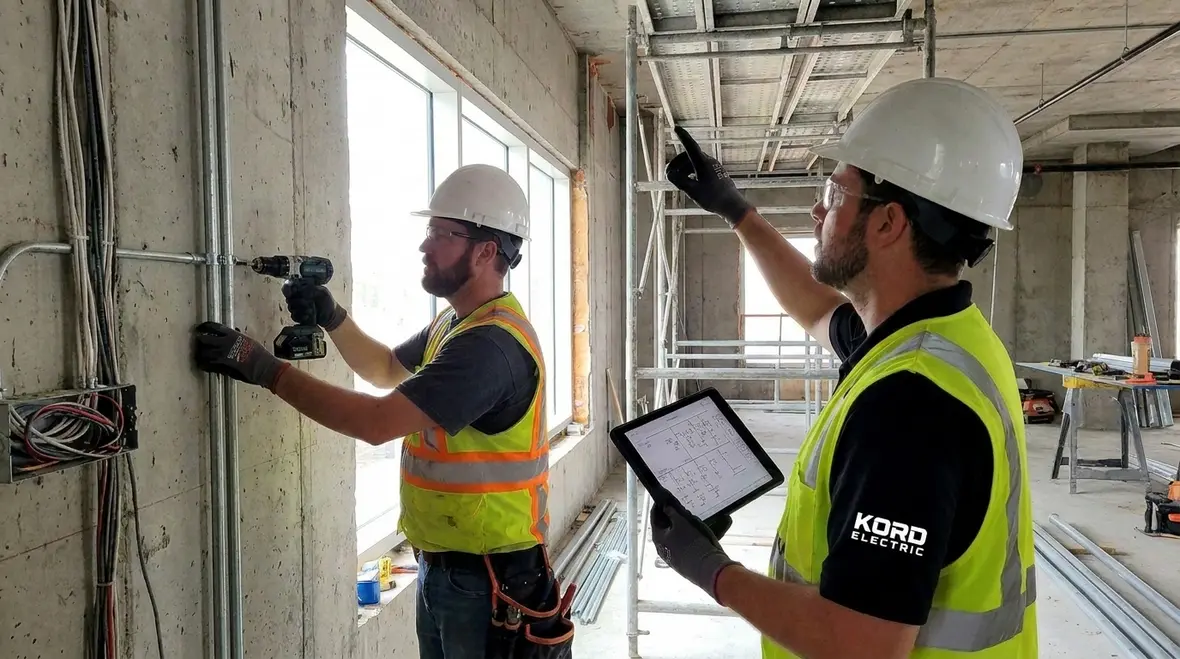
Industrial electrical systems can fail for predictable reasons. People call them “mysteries,” but most issues trace back to avoidable installation or design gaps. We see a few patterns often, and we address them early.
Improper separation and routing can lead to unwanted stress on conductors or exposure to mechanical damage. Therefore, we plan routing paths that protect conductors and reduce future interference during maintenance.
Inadequate protection measures can expose circuits to fault conditions. As a result, we verify that the system includes the right protective approach for the application.
Terminations that do not match design intent can cause overheating, loose connections, and premature failures. We focus on correct installation and confirmation.
Control coordination gaps become serious when equipment cycles often. Consequently, we align controls and disconnecting functions with how the process runs, not just how the equipment label reads.
If you want a simple analogy, think of DC process power like a drummer. If the timing is off, the whole band sounds wrong. If the routing, protection, and terminations are off, the whole operation feels wrong too.
How we support ongoing safety with inspections and service
Our role does not end when the last cable is dressed. Large facilities need ongoing reliability, and they need service staff who can explain what they find and what it means. So we do more than fix problems. We help maintain safe conditions through planned inspections, troubleshooting, and clear recommendations.
Our technicians document observations and describe impacts in plain terms. Then we provide next steps that fit commercial and industrial environments, where downtime costs real money. Transition words matter here, because customers deserve an answer they can act on quickly. First, we identify the issue. Next, we connect it to safety and performance concerns. Then we propose corrective actions and explain how they reduce risk. Finally, we return after adjustments to confirm the system behaves as expected.
Compliance resources and related safety perspectives
We also track industry guidance and partner perspectives that help keep our approach consistent. For example, Kord Electric and Kord Fire publish educational content aimed at strengthening understanding around NEC and safety concepts in the field. Articles such as Understanding NFPA 70: The National Electrical Code Explained for 2026 help facility teams connect the “rulebook” to practical decisions across planning, installation, and maintenance.
For fire and life safety thinking, Kord Fire and broader fire protection organizations also reinforce why electrical compliance and fire risk control belong together in planning. Additionally, when facility leaders want deeper context on fire risk and infrastructure, resources such as firepumps.org can help teams connect electrical safety to system behavior under emergency conditions.
In short, we do not treat electrical rules as isolated documents. Instead, we connect them to how real facilities operate and how safety teams coordinate across disciplines.
Frequently asked questions
Below is a quick reference for how we typically move through compliance work in a major project, presented in two columns once for fast scanning.
| Step | What we do |
| Review | We study drawings, one line diagrams, and equipment needs so decisions match the process. |
| Plan | We map wiring method and safety functions to installation paths and access needs. |
| Install | Our technicians install and verify terminations, routing, support, and protection. |
| Test and document | We test performance and organize documentation for inspections and future maintenance. |
Get expert NEC support from Kord Electric
If you manage a commercial or industrial facility, you do not need guesswork. You need a team that can interpret requirements, execute safe installations, and explain results in a way your maintenance and operations leaders can use. At Kord Electric, our technicians and expert service staff bring calm, methodical compliance support from planning through verification. Reach out for a consult and let us help you protect uptime, reduce risk, and keep your electrical systems operating with confidence. We will talk shop, keep it clear, and get it right.
For facilities in Southern California and surrounding regions, our dedicated Los Angeles County electrical services support major property buildings, plating operations, and complex commercial environments with NEC-focused planning, installation, and maintenance.
If you would like to see how this approach connects with broader NEC strategy for your facility, you can explore related resources such as our NEC reading guides, electrical infrastructure upgrade planning insights, and Kord Fire’s perspectives on NFPA 70 and coordinated fire protection. Together, they help transform NEC Section 668.11 plating DC process power from a line in a book into a reliable part of your everyday operations.


