
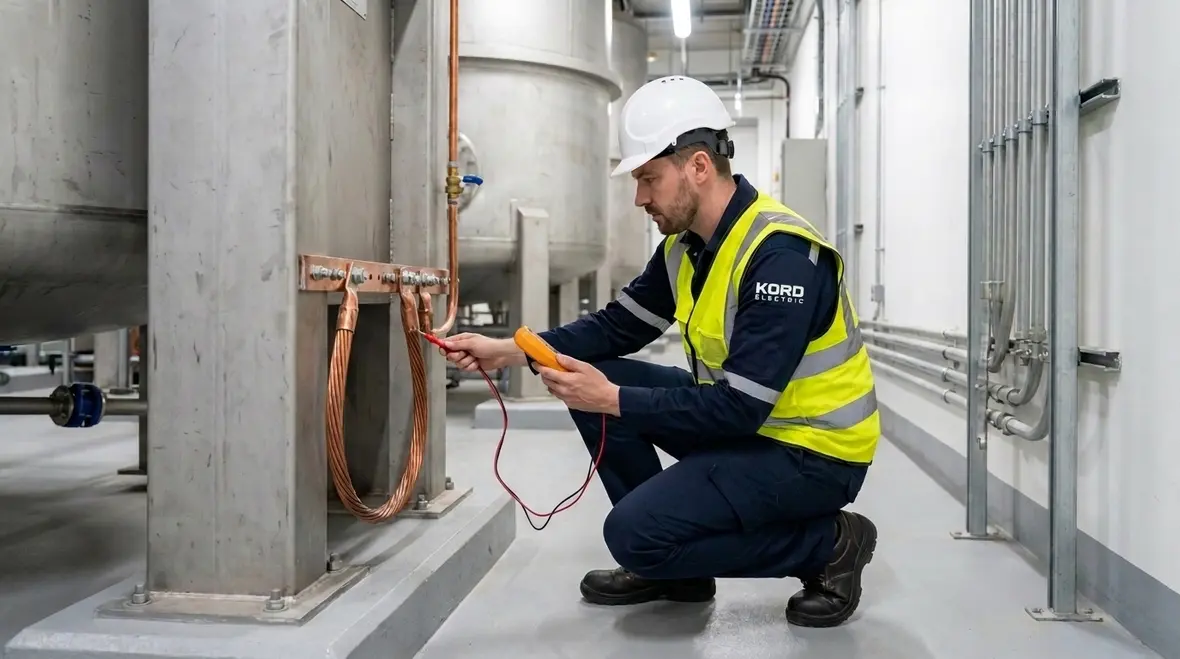
NEC Section 668.15 Electroplating Grounding Requirements
In commercial and industrial facilities, the electrical system must protect people, keep operations steady, and support code compliance. Early on, we also pay close attention to NEC Section 668.15 electroplating grounding requirements because electroplating areas present unique shock and corrosion risks. Our technicians explain the rules in plain language, and we build practical plans that match how your site actually runs. That means we do not treat code like a dusty textbook you only open during an audit. Instead, we treat it like a map, and we guide your team to a safer jobsite. And yes, we still laugh when we hear someone say, “Grounding is just a wire.” Sure, and a seatbelt is just a strap. Let us show you why both matter.
What the NEC is really doing for industrial electrical safety
The National Electrical Code, or NEC, sets minimum safety rules for wiring and equipment. It reduces fire risk, limits shock hazards, and supports safe system operation. While some people read the NEC like a mystery novel with too many footnotes, we approach it like a work order. We map each requirement to the realities of commercial and industrial buildings, including large property sites, manufacturing spaces, and mission critical operations.
To do that, our expert service staff focuses on how electricity behaves in wet, conductive, or high process environments. Then we align the grounding and bonding practices with the NEC framework used through 2026 updates. We also coordinate with other trades when needed, because grounding is not an isolated task. It connects equipment, building structure, raceways, and systems into one protective path.
And when code language looks dry, we translate it. Our field team tells you what it means, what you must verify, and what you can document for compliance. That is how we help others avoid the classic “we thought it was grounded” moment. No one wants that plot twist.
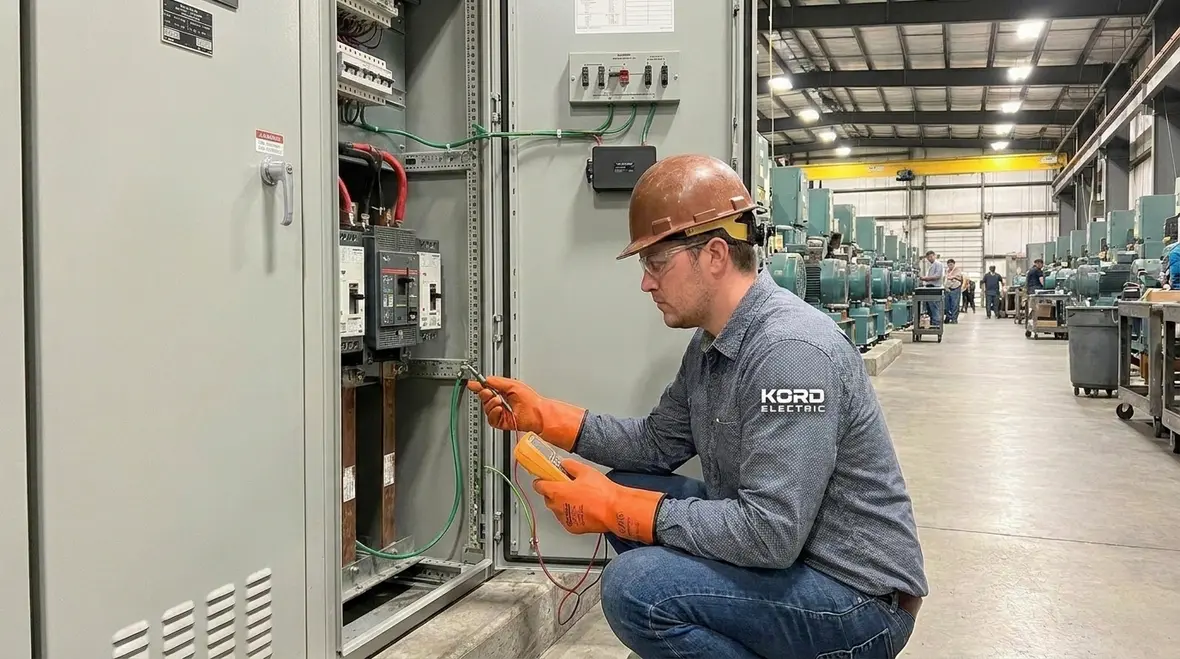
If your team wants a deeper dive into how all of this fits into modern electrical strategy, you can also connect this discussion to broader NEC context in resources like Kord Electric’s guide Understanding NFPA 70: The National Electrical Code Explained for 2026, which walks through how current code direction shapes commercial and industrial projects.
How electroplating grounding requirements shape the whole installation
Electroplating uses processes that can create conductive paths and higher hazards. Because of that, we start with the NEC Section 668.15 electroplating grounding requirements mindset, then we expand outward. We look at the system as a chain: proper bonding and grounding reduce the chance that energized parts become unexpectedly hazardous. Also, corrosion control supports long term reliability, which helps you avoid downtime.
In practice, we verify that conductive components and equipment frames bond correctly to the grounding system. We check routing and terminations, because a good plan that ends in a loose connection is like a great handshake followed by a dropped tool. We also ensure that grounding methods align with the intended electrical function and the environment.
Our technicians explain common failure points so your team can spot them early. For example, when someone adds new conductive equipment without updating bonding, the protective path becomes uncertain. Similarly, if grounding conductors share inappropriate routes or fail at connection points, you lose continuity when you need it most. Therefore, our approach focuses on both the rule and the real world implementation.
Additionally, we coordinate grounding with other safety features that support the electrical system. That includes how fault current flows, how protective devices respond, and how the installation supports safe operation under abnormal conditions.
NEC updates and what changes mean for compliance planning
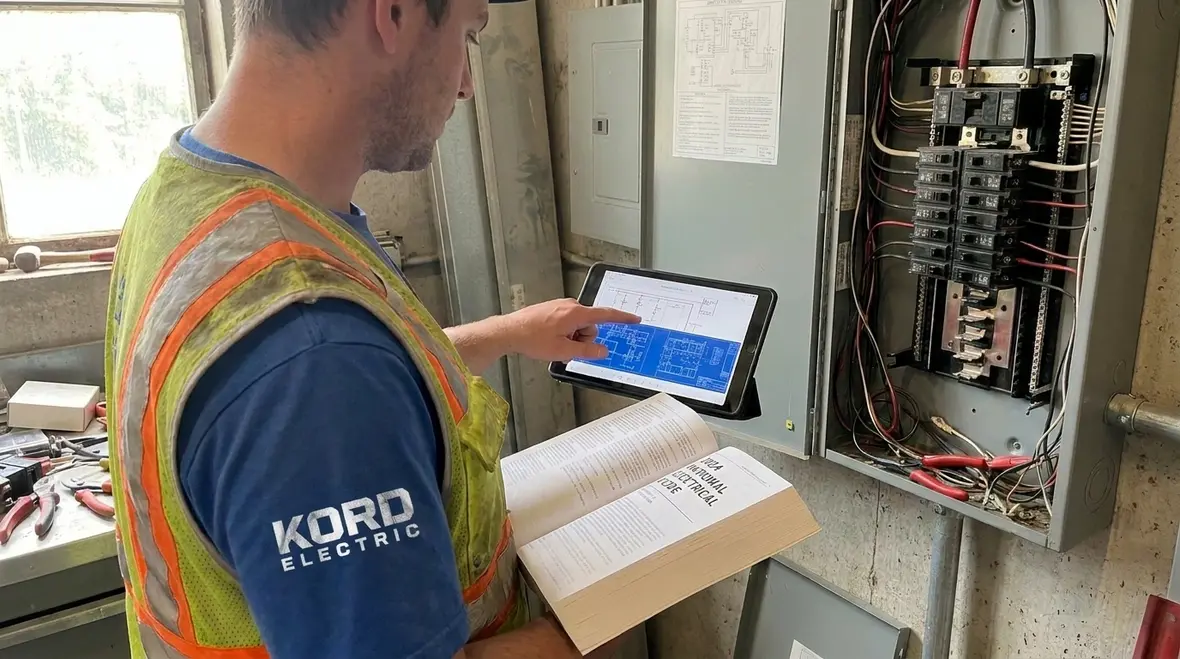
Many facility teams ask what to do about code updates. Our answer stays simple. We help you build a compliance plan that fits your project timeline, your risk profile, and your existing electrical infrastructure. Instead of trying to “catch up” during commissioning, we assess now, then we schedule verification and upgrades as part of normal maintenance planning.
We also align with how the code evolves for commercial and industrial use cases. For example, we consider how updated safety expectations can affect grounding detail, bonding connections, and field verification. Then we connect those needs to practical documentation your stakeholders understand.
Our expert service staff walks through the changes and explains the impact. We do not flood you with jargon. We focus on what your site must verify, what drawings should reflect, and what inspection points matter most. In doing so, we help others avoid delays caused by surprises at the worst possible moment, like when a commissioning team finds a grounding detail that does not match the installed condition.
When you look across your electrical portfolio, it can also help to pair your electroplating review with broader articles such as Kord Electric’s coverage on electrical connection quality and NEC standards, or code upgrade consulting for renovations, so that your grounding decisions do not sit in a vacuum while the rest of the system modernizes around them.
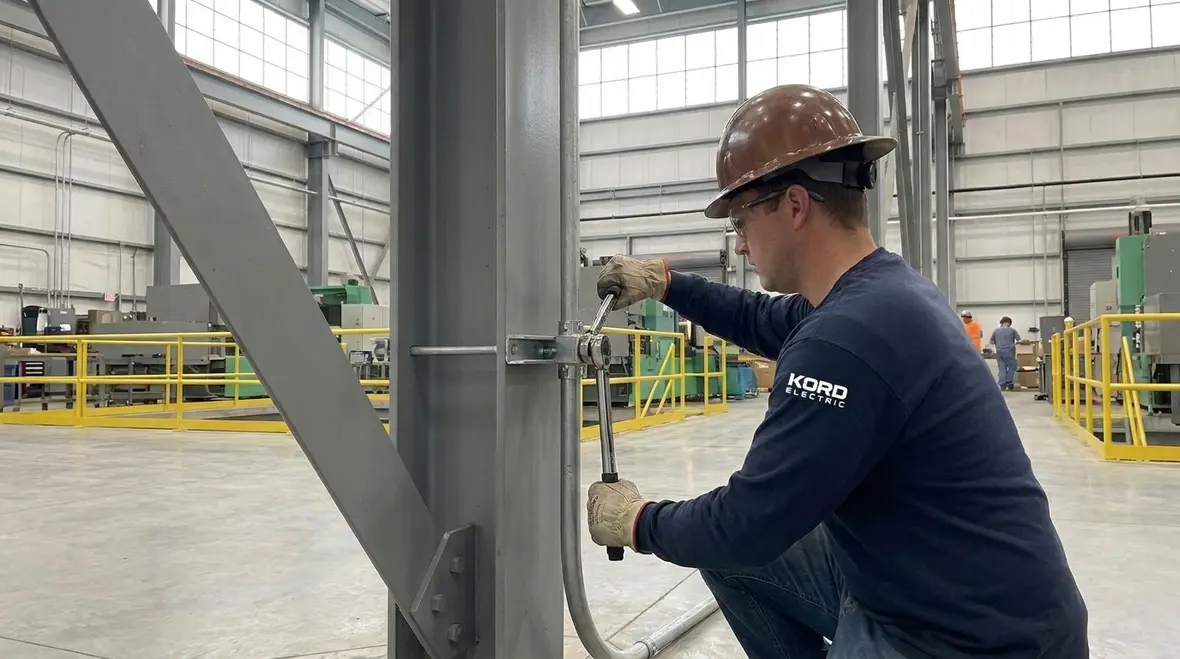
Bonding, grounding, and electrical protection for major properties
For major property buildings and large industrial sites, the electrical system often includes multiple panels, feeders, equipment rooms, and distributed loads. Therefore, grounding and bonding must stay consistent across the entire structure. If the system treats one area well and another area loosely, the protective strategy breaks down.
We treat bonding and grounding as a system, not a set of isolated details. First, we ensure that structural and equipment metallic parts connect in a way that supports safe fault clearing. Next, we verify that conductive enclosures and process equipment have a dependable protective path. Then we confirm that the pathways align with the NEC approach used in the 2026 era guidance.
Our technicians also consider how installation practices affect long term performance. For example, they inspect terminations, check for continuity, and verify that corrosion protection supports reliability. Also, they confirm that changes made during construction and tenant fit outs do not break continuity.
If you have ever watched a superhero movie where one small detail changes the whole outcome, that is how we view grounding continuity. One weak point can shift the entire risk picture, especially under fault conditions.

Common installation gaps we see in commercial and industrial buildings
Even strong teams face recurring issues. We often see grounding and bonding problems created during fast construction, equipment swaps, or late-stage modifications. And honestly, it happens more than people like to admit. Electrical work moves like a sitcom plot: someone adds a character late, and suddenly the wiring story needs a rewrite.
Here are the gaps our technicians commonly catch during verification and field walkthroughs for commercial and industrial facilities.
Gap What it causes
Incomplete bonding at equipment frames and enclosures
Unclear fault paths and increased shock risk during abnormal operation
Improper termination quality
Loose connections that can heat up, fail, or weaken protective performance
Changes after initial installation without updates
Broken continuity when new equipment ties into the system incorrectly
Corrosion and moisture exposure effects not addressed
Deterioration that impacts connection integrity over time
Documentation mismatches with installed conditions
Compliance confusion during inspections, especially when records do not reflect reality
Because these gaps show up in different ways, we focus on field checks and practical documentation. That is where our expert service staff shines. We show your team what we see, explain why it matters, and provide clear next steps for correction.
How our team supports safety, documentation, and inspection readiness
Kord Electric supports commercial and industrial facilities with focused, code-minded electrical work. We work with property stakeholders who need reliability, not guesswork. That means our technicians plan verification early, and they coordinate with other teams to keep your schedule moving.
We also build documentation that supports inspection readiness. In other words, we help your team show what exists, how it meets the NEC framework, and how grounding and bonding details match installed conditions. When your facility operates at scale, documentation saves time and reduces stress. It also helps everyone stay aligned, from engineering to operations to safety leadership.
To further support industrial fire and safety planning around electrical systems, we also stay connected to the broader safety ecosystem. We leverage related resources from our KordFire presence and partner knowledge communities like firepumps.org so our guidance remains grounded in practical safety thinking. And while pop culture may teach heroes to “wing it,” our team does not. We follow the code, we test the system, and we help you feel confident.
If your facility includes electroplating or similar conductive process zones, we pay extra attention to grounding integrity and the practical application of the NEC Section 668.15 electroplating grounding requirements concept. Then we connect those details to the rest of your protective strategy.
As projects grow in size and complexity, many teams also benefit from pairing these efforts with broader electrical system planning resources on the Kord Electric blog, which explain how NFPA 70, NFPA 70B, and related standards work together so your grounding, protection, and maintenance decisions all point in the same direction.
FAQ
Call Kord Electric for an inspection-minded grounding review
If your facility runs commercial or industrial operations, do not wait for an inspection to learn what your grounding system actually delivers. Our technicians bring a calm, methodical approach to verification, bonding and grounding checks, and code-aligned documentation. We focus on safety, reliability, and practical fixes that keep your site operating smoothly. Contact Kord Electric today and let us review your installation with the seriousness it deserves, minus the panic.
For facilities across Southern California, this often starts with a structured service visit aligned with our Los Angeles County electrical services, where we fold electroplating grounding reviews into a broader assessment of panels, feeders, protection, and life safety interfaces so your site is ready for both day-to-day operation and formal inspections.
And if you want to line up your electroplating grounding strategy with a wider NEC perspective, you can connect this work to the insights shared in Kord Electric’s NFPA 70 articles, which explain how the code evolves, how it shapes real-world installations, and how to keep your documentation and inspection planning ahead of schedule rather than scrambling at the last minute.
When you are ready to move from “we think it is grounded” to “we know it is grounded, documented, and defensible,” our industrial-focused team is ready to help.


