
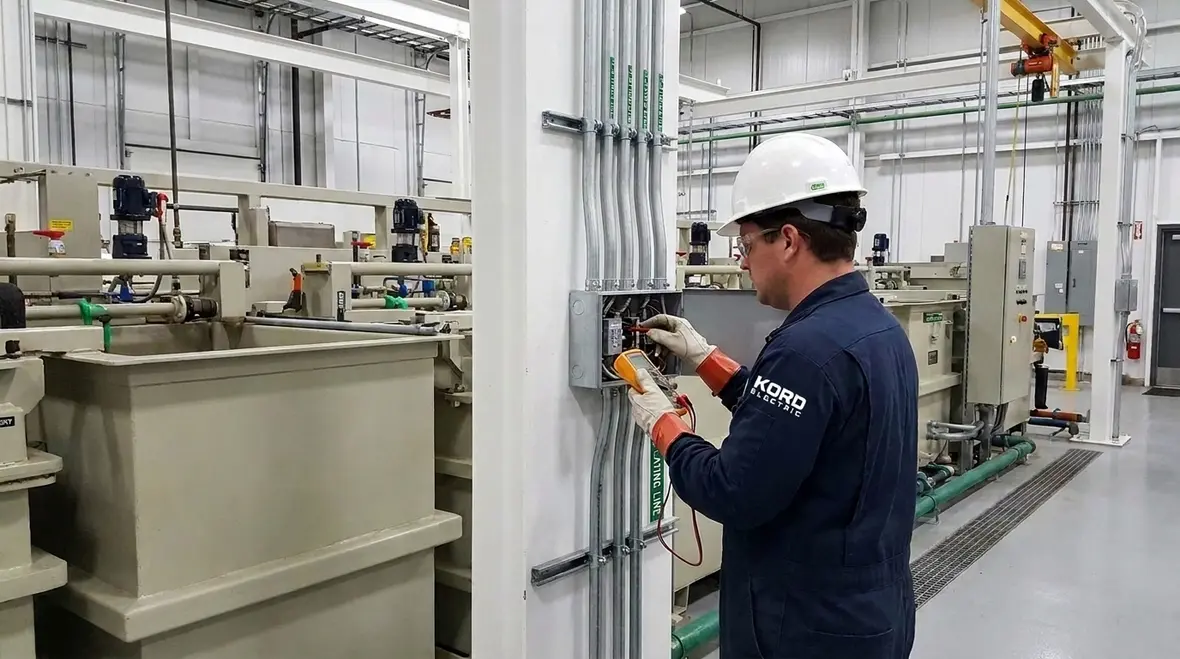
NEC 668.21 Plating Receptacle Circuits Compliance
When a facility owner asks about electrical code compliance, we always start with the same anchor point: NEC Section 668.21 plating receptacle circuits. In the first place, those circuits matter because they directly affect safe operation in environments that handle chemicals, plating solutions, and corrosive materials. Then again, safety is not just a box to check. It is a system that supports people, equipment, and uptime. At Kord Electric, our technicians and expert service staff explain the “why” behind each rule in plain language, because compliance should feel clear, not mysterious. And yes, we have seen more than one site treat code requirements like a trivia question from a late night show. We prefer the real-world kind, with results you can verify.
NEC and NFPA 70 for industrial sites, not guesswork
We work with commercial and industrial facilities, plus major property buildings. For that reason, we do not rely on guesswork, and we do not “interpret” the National Electrical Code like it is a fortune cookie. Instead, we follow NFPA 70 and the latest NEC updates that apply to the building and its use. NFPA 70 sets the rules, and the NEC within it translates those rules into design and installation expectations.
When we explain this to facility managers, we break it down like this: the code defines minimum safeguards; our team verifies the electrical system meets those safeguards; and then we document it so inspections and internal reviews stay smooth. As a bonus, good documentation also keeps surprises from showing up uninvited, like a pop quiz you definitely did not study for.
Our expert service staff also make sure people understand that the “right code” depends on what the building does. A plating area in an industrial process room behaves differently than a typical break room circuit. So, we start by mapping intended use, then we align the electrical plan with the right requirements.
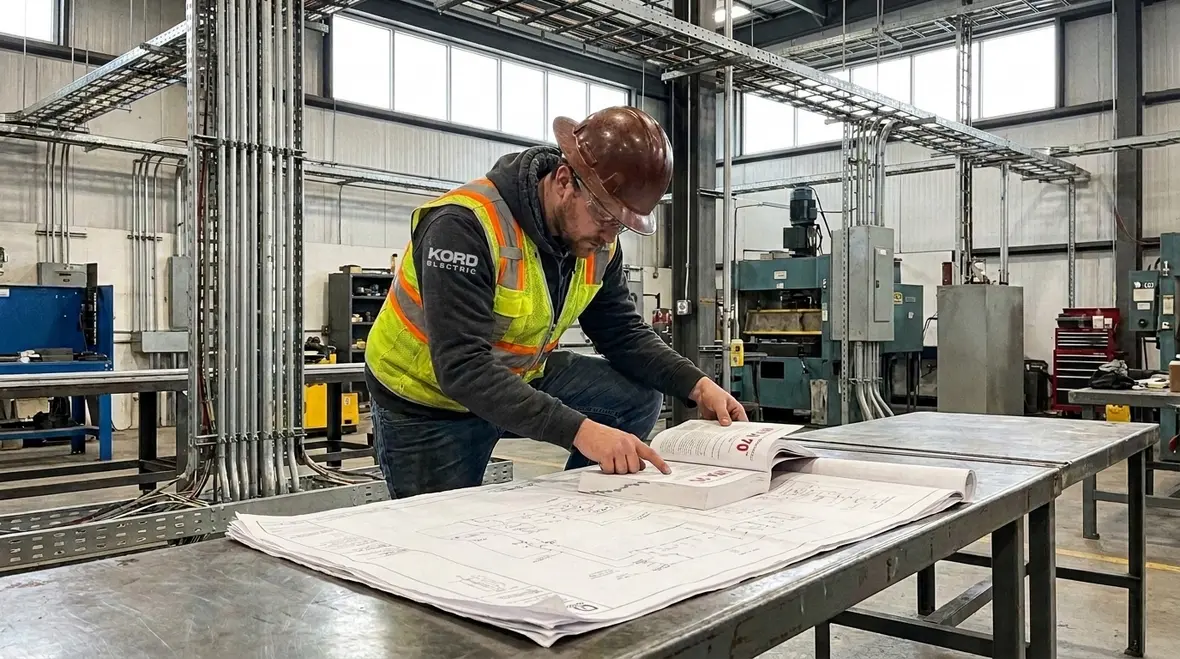
Why plating receptacle circuits demand extra care
NEC Section 668.21 plating receptacle circuits exists for a reason, and that reason is risk control. Plating and similar processes introduce conditions that can increase hazards. Conductors, devices, and wiring methods must account for how the equipment operates, how maintenance happens, and how contaminants may affect performance over time.
Further, the code expects a level of consistency in how those circuits connect to power, how they distribute load, and how they remain safe under normal and fault conditions. In other words, we treat these circuits like critical infrastructure, not like “standard outlets with a different label.”
When our technicians install or upgrade these systems, we pay attention to details that often get overlooked during rushed work. For example, we confirm proper device selection, we verify that wiring methods match the environment, and we check that the protective measures align with the circuit design. And then we test, because testing is how you turn a plan into proof.
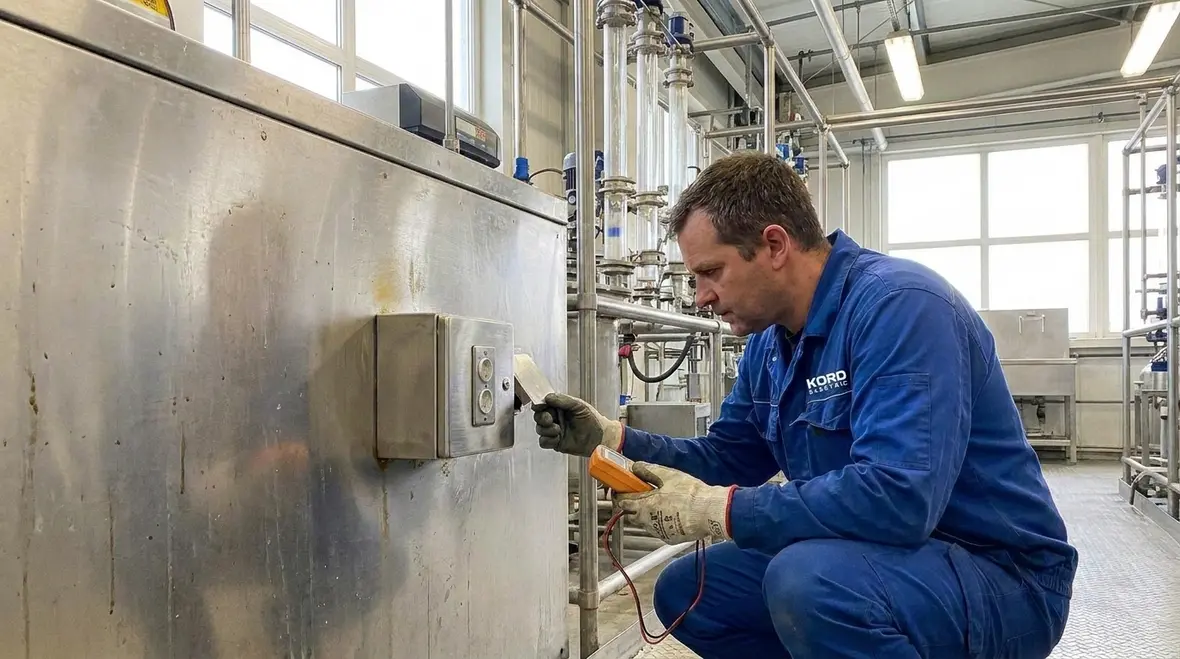
Planning a compliant design for major property buildings
For commercial and industrial facilities, compliance starts during planning, not at the finish line. At Kord Electric, we support major property buildings and industrial owners by aligning design intent with on site reality. This includes reviewing equipment locations, power needs, and access routes for maintenance. Then, we coordinate the placement of receptacles with how workers actually move and operate.
Next, we verify how the plating area interfaces with the rest of the facility. That matters, because building power systems often connect multiple spaces that operate under different conditions. When we keep circuit boundaries clear and protective devices correctly sized, we reduce the chance that a fault in one area causes unnecessary risk in another.
In practice, our team creates a clear pathway from drawings to installation. Therefore, when questions show up during walkthroughs, we answer them with context rather than hand waving. Our technicians explain what the code expects and how the proposed solution meets it. That approach helps owners understand their system and reduces rework.
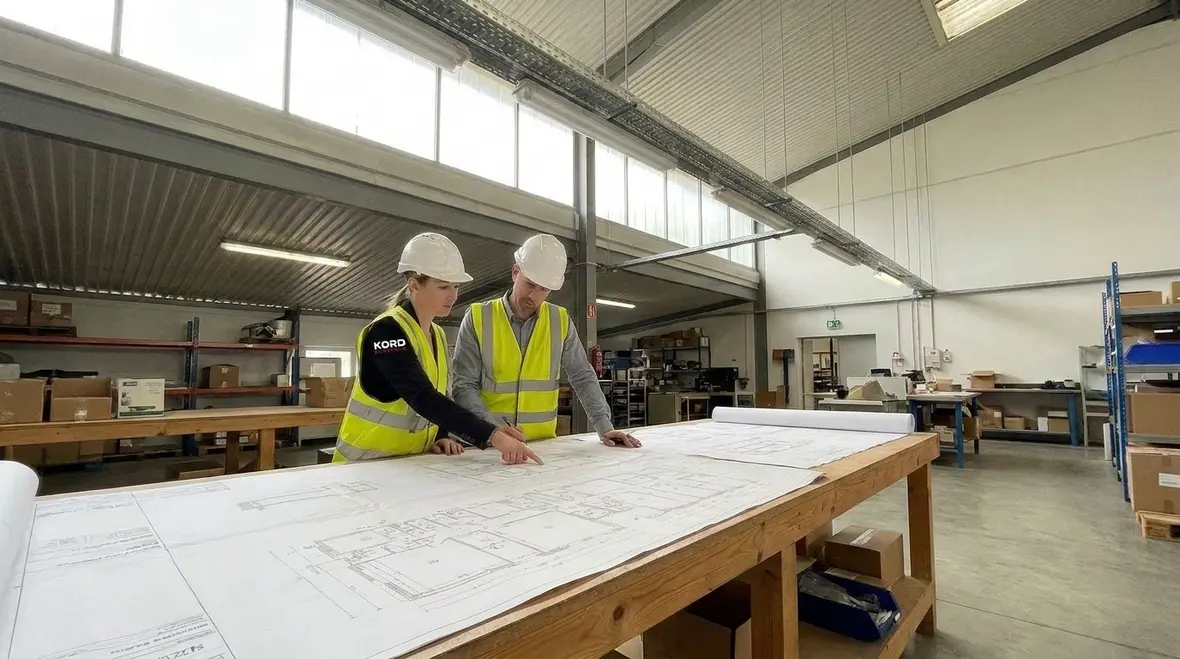
Installation practices that keep receptacle circuits safe
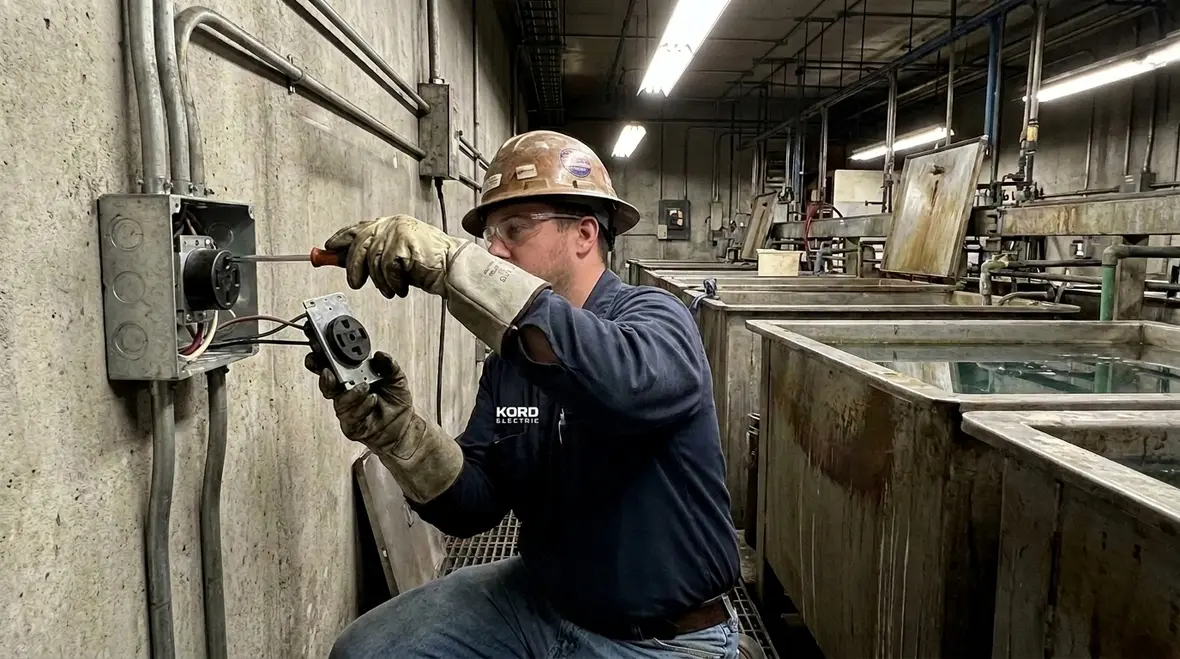
Installation quality decides whether a design survives real operations. Even a good plan can fail if workmanship slips. That is why our expert service staff use a methodical process when we handle NEC related receptacle circuits, including those addressed in NEC Section 668.21 plating receptacle circuits.
We focus on three themes: correct wiring method, correct device installation, and correct protection. First, wiring methods must fit the environment. If corrosive exposure or physical impact is a concern, we select methods that resist damage and support safe long term performance.
Second, device installation matters. A receptacle that sits loose, misaligned, or poorly sealed creates maintenance headaches and can reduce safety margins. Third, protection matters because protective devices must respond correctly to overloads and faults.
To keep everyone aligned, we walk our clients through what we found and what we changed. And if you think this part sounds “slow,” remember: a slow, careful install is how you prevent fast, expensive callbacks. Callback work is the electrical version of getting stuck in traffic, except the bill goes to your budget instead of your weekend.
Testing, labeling, and documentation that pass real inspections
Inspections feel smoother when the facility team has clean records. So, after we complete installation or upgrades, we test the system and verify that it matches the expected performance. We then document results in a way that supports compliance review.
In addition, we label circuits and devices so that maintenance teams can act quickly and safely. This matters more in industrial and multi tenant environments, where multiple teams may touch the same electrical assets. If a label is vague, people waste time searching. If it is wrong, safety suffers.
Our technicians also explain the test outcomes in plain terms. We do not just hand over a report and vanish. Instead, we make sure the facility manager understands what each result indicates, how it relates to safe operation, and what ongoing checks make sense. That is how owners maintain confidence after our team leaves the site.
Quick compliance mapping using two code references
Different resources help different people. So, we often compare guidance from code focused educational materials and industry focused fire and life safety resources. For example, our team reviews materials that explain NFPA 70 context, and we also reference fire focused code summaries that help teams understand how electrical and life safety concerns connect.
In one practical workflow, we align electrical requirements with the facility’s broader safety strategy. Then, we translate those requirements into what our installation team will do, what our testing will prove, and what our documentation will show.
For facility teams who want a deeper dive into how the NEC shapes day to day decisions, Kord Electric’s own resource on Understanding NFPA 70: The National Electrical Code Explained for 2026 helps connect high level code language to real-world projects, including complex plating environments.
Two column compliance snapshot
What we verify on site
Correct placement and configuration of receptacle circuits
Appropriate wiring methods for plating area conditions
Correct protective device alignment to the circuit design
Testing results that match expected performance
How we communicate it to stakeholders
Simple explanations from our technicians
Documentation that supports inspections and audits
Labels that help maintenance teams move faster
Clear next steps for owners after project closeout
Common mistakes we prevent in industrial upgrades
Many compliance problems come from a few repeat offenders. First, some teams treat special purpose areas like they are ordinary spaces. However, plating areas require careful handling of devices and wiring methods, because the environment challenges long term safety.
Second, some projects rush the transition from design to install. When drawings do not match field conditions, people improvise. And improvisation is fine in music, but it is not a strategy for NEC compliance.
Third, some facilities skip thorough documentation. Then, weeks later, inspectors ask for details that should have been ready on day one. We make sure the paperwork matches the installed system so the facility avoids delays.
Our expert service staff also watch for maintenance assumptions. If a receptacle arrangement will be serviced frequently, we plan access, labeling, and protection accordingly. That way, your system supports operation instead of interrupting it.
Finally, we coordinate upgrades for commercial and industrial facilities to avoid downtime surprises. If major equipment must keep running, we plan staging and testing to reduce risk. We understand that in a real facility, downtime can cost more than the parts. It can cost production, schedules, and credibility.
FAQ about NEC Section 668.21 plating receptacle circuits
Supporting broader NEC compliance for plating and beyond
NEC Section 668.21 plating receptacle circuits is one piece of a larger safety picture. In real facilities, plating areas tie into service equipment, feeders, emergency power, and sometimes specialty control systems. That is why we pair our plating-focused work with broader NEC reviews, including how branch circuits, feeders, grounding, bonding, and overcurrent protection all interact under NFPA 70.
Our technicians use the same methodical approach when they help facilities interpret new cycles of the code, review scope questions, or plan electrical room upgrades. Whether you are evaluating NEC 2026 direction, revisiting older equipment, or planning an expansion, we translate the requirements into practical steps your team can follow.
For owners across Los Angeles County and nearby regions, that support includes field-ready consulting and implementation. If you are coordinating plating work alongside tenant improvements, distribution upgrades, or emergency power changes, our dedicated Los Angeles County electrical services team can help keep schedules, inspections, and operations aligned.
Conclusion: let us align your plating area power with the code
Code compliance does not have to feel like a long, stressful maze. At Kord Electric, we support commercial and industrial facilities and major property buildings with careful planning, expert installation, and testing you can trust. Our technicians explain the requirements in plain terms, including NEC Section 668.21 plating receptacle circuits and the related installation details that keep systems safe. If you are upgrading or planning a plating area, contact us for an electrical compliance review and a clear path forward. We will help you prevent surprises, protect people, and keep production moving.


