
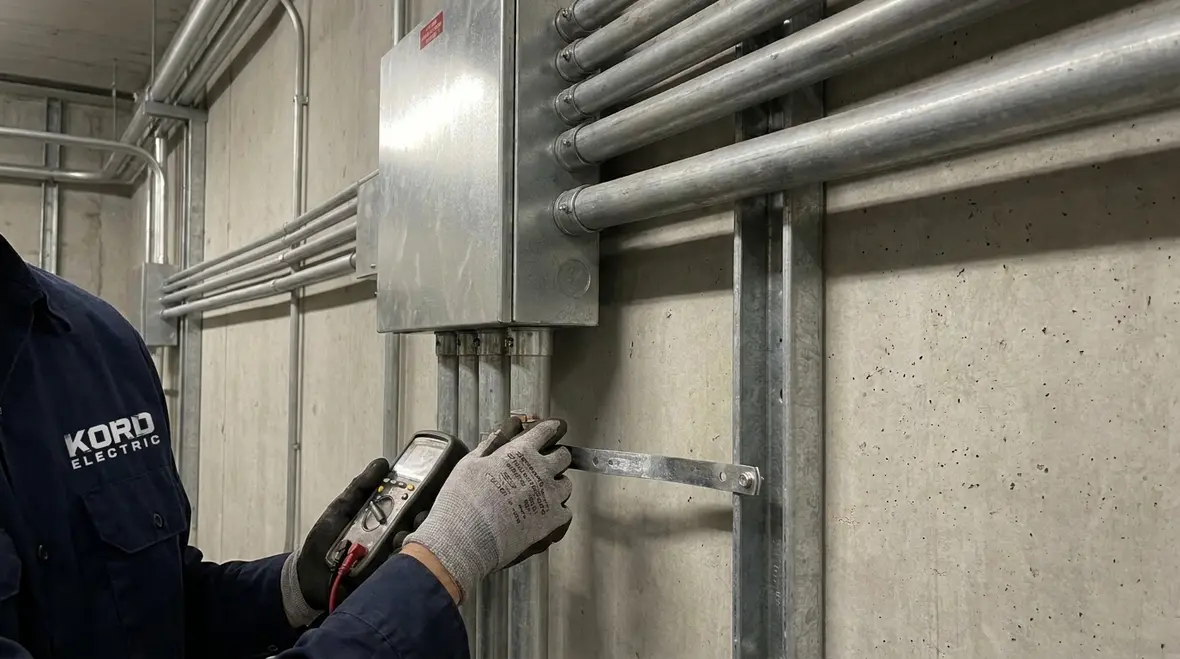
NEC 668.31 Plating Nonelectrical Connections Explained
At Kord Electric, we work with commercial and industrial facilities, and we know that good electrical planning starts long before anyone flips a breaker. Early on, our expert service staff often points out how code details connect across disciplines. For example, NEC Section 668.31 plating nonelectrical connections shows up in real projects when teams deal with metal parts that need protection, bonding, and corrosion control. In other words, the “non electrical” part does not mean the safety impact is optional.
We explain this calmly because we have seen what happens when people treat requirements like a scavenger hunt for footnotes. Yet once a facility follows the NEC correctly, inspections go smoother, downtime drops, and the risk of surprise rework shrinks.
NEC basics for commercial and industrial work
The National Electrical Code, often called the NEC, is not a random list of rules. It is a safety system that sets practical expectations for wiring methods, equipment installation, grounding, and protection. Most importantly, we apply it to the kinds of buildings that keep running: offices, warehouses, manufacturing plants, hospitals, and major property sites.
So when someone asks what the NEC “really” means, our technicians answer like this: the code turns electrical theory into field steps. It tells us what to install, where to put it, how to route it, and how to verify it works. Then, it also explains what must be labeled, protected, and maintained over time.
And yes, we sometimes joke that the NEC is like a good safety briefing. Nobody wants to read it, but everyone wants it when the lights go out. The difference is that in our world, the NEC is not optional.
Why the NEC 2026 update matters for installations

In commercial and industrial settings, changes in the NEC impact procurement, installation details, and commissioning. Facilities do not upgrade like a home remodel. They plan around shutdown windows, long lead times, and building operations. That is why we pay attention to updates, including how the code evolves for modern systems.
Our expert service staff reviews project requirements alongside the latest NEC guidance so the team can anticipate what inspectors will expect. As a result, we reduce the risk of last minute “value engineering” that removes the one item that protects people.
Also, because we serve major property buildings, we coordinate with multiple trades. Electrical work does not live alone. It shares space, grounding paths, and pathways with mechanical systems, fire alarm devices, and structural elements. When those interfaces follow the NEC, projects run with less friction.
For facility teams who want a deeper code overview, resources like Understanding NFPA 70: The National Electrical Code Explained for 2026 help connect high level NEC direction to day to day project choices across commercial and industrial sites.
NEC Section 668.31 plating nonelectrical connections, explained
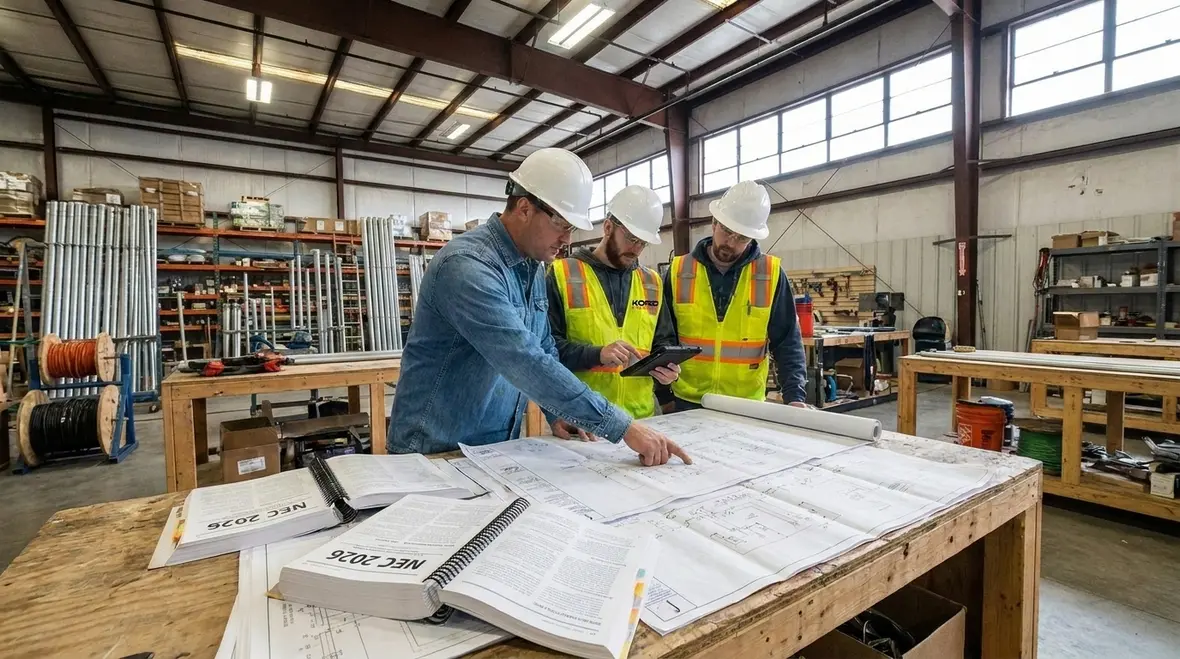
Now we get to the part that tends to confuse people during plan review. NEC Section 668.31 plating nonelectrical connections addresses how certain metal parts connect and finish, especially where corrosion and durability matter. Even when a connection is described as nonelectrical, the code treats it as a safety and integrity issue, not a cosmetic one.
To keep things clear, our technicians break it down into a field mindset. First, they identify the relevant connection points and the materials involved. Next, they confirm how plating or protective finishes support the connection’s long term performance. Then, they verify the finish does not create an unsafe condition, such as a weak interface that fails under moisture exposure or mechanical stress.
Finally, we document what we do. That documentation matters because commercial and industrial facilities often face repeated inspections, maintenance audits, and operational turnover. In other words, the code expects consistency, not “we think it should be fine.”
In our broader NEC guidance work, we see this same pattern: define the connection, understand its purpose, then match the finish and fastener details to that purpose instead of assuming that any metal plus any coating will “probably” work for the life of the facility.
How plating and corrosion control affect reliability
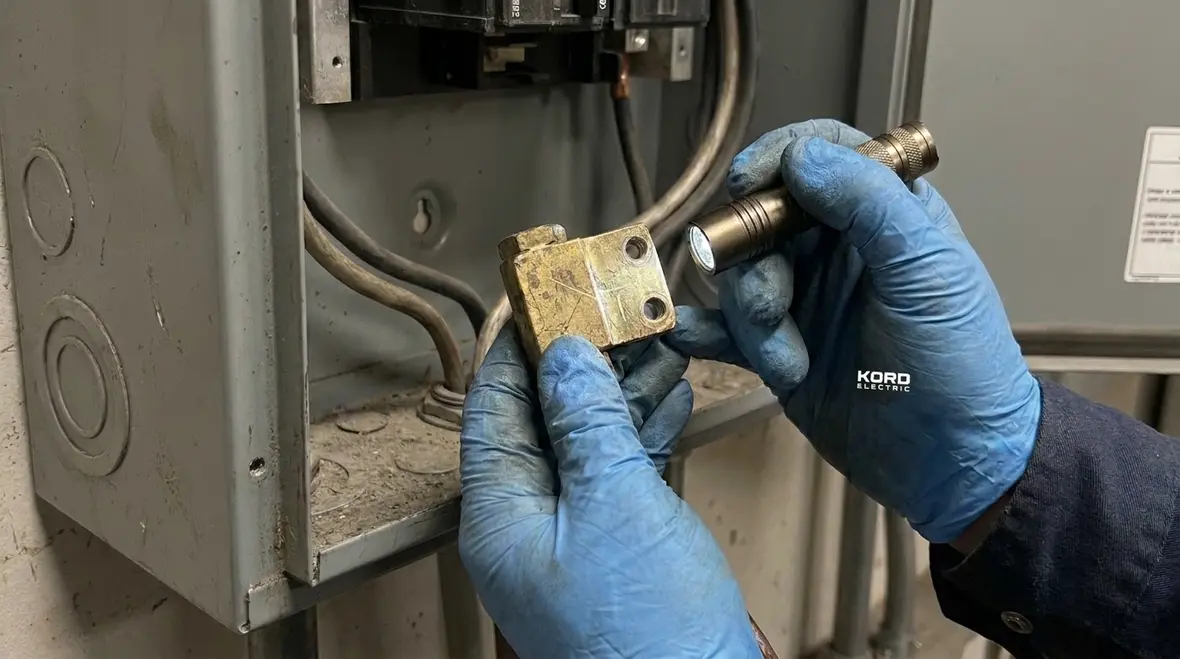
In the real world, metal finishes face wear, moisture, chemicals, and temperature swings. Therefore, plating and corrosion control influence reliability even when the job involves nonelectrical connection points. If corrosion undermines a structural interface, it can also affect how devices stay aligned, how enclosures hold integrity, and how bonding systems behave over time.
Our expert service staff often explains that corrosion is not just a surface problem. Over time, corrosion can expand, loosen fasteners, and degrade protective layers. As these layers break down, performance changes. That is especially important in facilities that operate year round or manage harsh environments.
And here is the practical truth: an installation that passes on day one can still fail later if the plating and connection requirements do not match the NEC. So we help teams build for the whole lifecycle, not just the inspection snapshot.
We also coordinate with building stakeholders so maintenance plans align with the installation. That way, the protective finish does not get treated like an afterthought during routine work. You would be surprised how often “just repaint it” becomes a plan that causes future conflicts.
When our team leads larger upgrade projects, we often connect plating and corrosion control back to broader power reliability planning covered in resources like Kord Electric’s articles on emergency power design and power quality. Reliable surfaces and reliable circuits tend to go hand in hand in facilities that run 24/7.
Field verification: what our technicians check
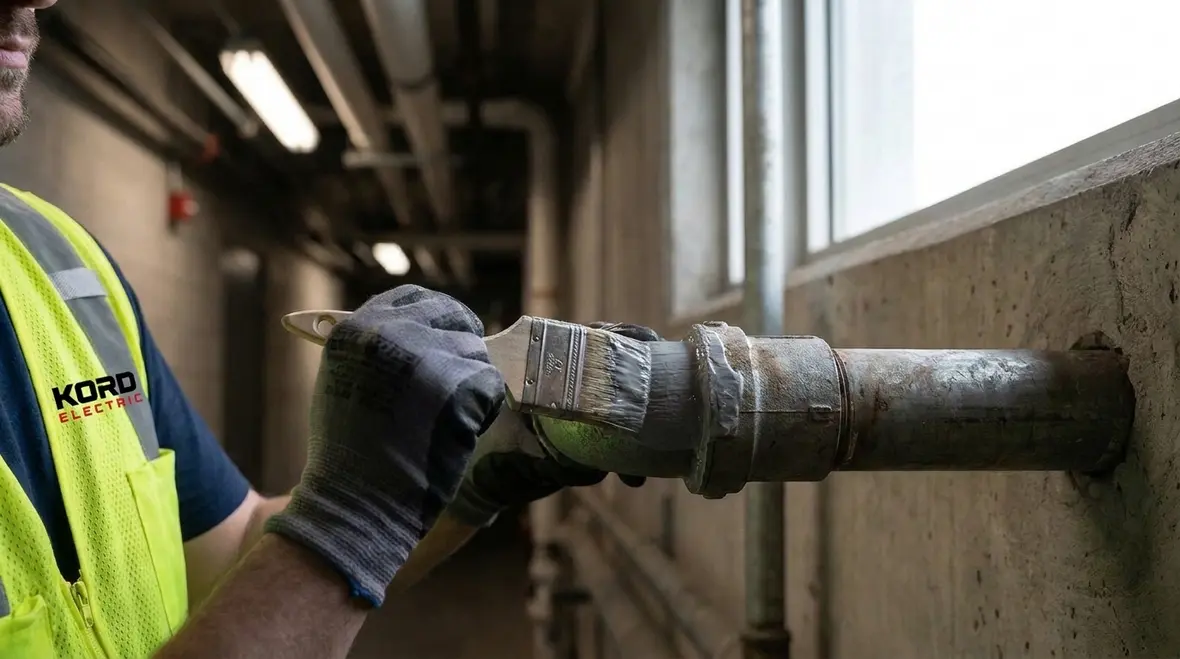
Code compliance is not something we assume. It is something we verify, step by step. Our technicians use checklists for commercial and industrial facilities because the same building can pass through multiple phases, including expansions and renovations. When crews change, the risk of missed details increases, and we reduce that risk with consistent verification.
During installation, we confirm proper bonding paths and connection quality, including the finishing and plating expectations tied to nonelectrical connection points. After that, we validate workmanship with practical tests and visual checks where they apply. Then, we record findings in a way that supports future maintenance.
We also help other trades understand what they need to preserve. For instance, when mechanical contractors alter pathways or when structural crews modify mounting points, we make sure they do not compromise the required connection finish or the protective intent. Think of it as team coaching. If everyone follows the same playbook, fewer things break, and fewer meetings happen.
On multi-phase projects, our verification steps align with broader electrical planning tools and documentation, similar to the way we coordinate load studies, supply planning, and distribution design. The goal is simple: reduce surprises by catching connection issues while fixes are still easy.
Coordination with fire and safety planning
Electrical code work rarely stands alone in major property buildings. We coordinate our electrical approach with fire and life safety planning because systems interact. In many projects, the electrical design supports fire pumps, controls, notification systems, and emergency power behavior. If you install power systems without considering those safety layers, the building can become harder to protect.
That is why we align our work with fire life safety expectations and we stay in sync with guidance from resources used by fire teams, including groups focused on pump and fire system understanding like firepumps.org. Also, we stay mindful of how electrical code requirements relate to fire alarm and emergency power setups, so the full system performs when it must.
For teams managing these interfaces, we point people to our related NEC and fire content from Kord Fire and to Kord Fire Australia for a wider view of how code thinking supports safety outcomes across building types.
In practice, this coordination often reaches back to earlier design choices like how equipment is bonded, how emergency conductors route around critical fire protection infrastructure, and where plated nonelectrical connections support the stability of components that fire and life safety systems depend on.
FAQ about NEC and connection requirements
Facility managers and project teams ask similar questions whenever they encounter NEC Section 668.31 plating nonelectrical connections during planning or inspection. We gather some of the most common topics here so your team can use them as a quick reference before the next meeting, walk-through, or drawing review.
Planning next steps for your facility
If your facility is considering upgrades, expansions, or a focused NEC review, plating and nonelectrical connections should sit alongside conductor sizing, overcurrent protection, and emergency power strategy. Treating these details as part of your overall code plan makes it easier to avoid rework, last minute changes, and awkward inspection conversations.
Many teams start with a targeted assessment of high value areas: equipment rooms, major distribution paths, and critical support systems such as data centers, process equipment, or fire protection infrastructure. From there, you can prioritize which NEC topics matter most right now, including Section 668.31 plating nonelectrical connections, and which can be scheduled as part of future phases.
Because these projects often span multiple trades and stakeholders, facility leaders in Los Angeles County and surrounding regions frequently lean on a single partner to coordinate planning, design, and field verification. The Los Angeles County electrical services overview from Kord Electric shows how this kind of support can extend from NEC-focused assessments all the way through commercial and industrial upgrades.
By treating plating and nonelectrical connection details as part of the same conversation as load planning, redundancy, and power quality, your facility can move from reactive fixes to a calmer, more predictable electrical story.
Conclusion and call to action
If your facility team wants a smooth inspection path and reliable electrical performance, we help you get there with clear planning and careful field verification. At Kord Electric, our technicians and expert service staff align installations with the NEC, including requirements like plating nonelectrical connections so nothing gets left to guesswork. Reach out to us for a commercial and industrial assessment, coordination support, and installation oversight. Let us help you build once, pass inspection, and keep operations steady. You focus on running the building, we focus on the electrical safety.


