
NEC Section 668.40 Plating Enclosure Requirements
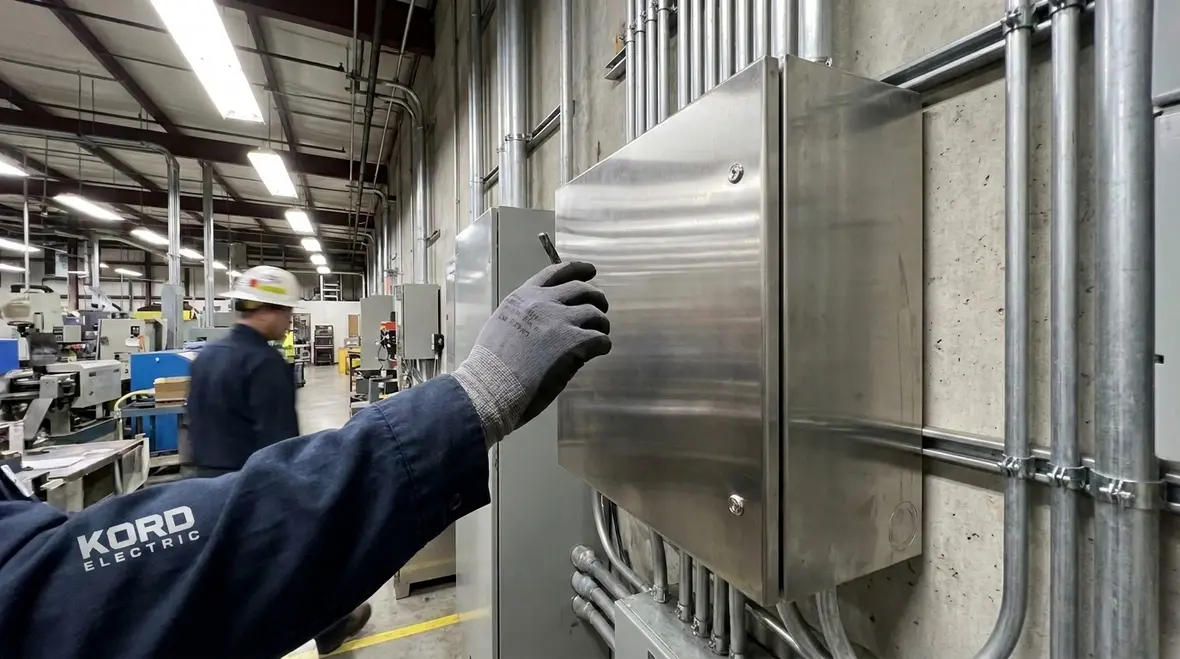
Kord Electric designs and maintains electrical systems for commercial and industrial facilities and major property buildings, so we do not treat the National Electrical Code like a trivia book. We treat it like a safety map that keeps people working, equipment running, and inspections moving. Early on, we focus on compliance details such as NEC Section 668.40 plating enclosure requirements, because enclosure rules often decide whether a job passes the first time or turns into a long meeting with red tags.
To make that process calmer, we explain what matters in plain language. Then our technicians and expert service staff walk you through it step by step. Yes, the code can read like it was written by someone who had never met a deadline. Still, when we apply it correctly, your building stays safe and your electrical system stays reliable.
What NEC really covers for commercial and industrial buildings
The NEC focuses on practical safety for electrical installations, and for commercial and industrial environments, that focus carries heavy weight. We see how quickly risk grows when equipment, wiring methods, and operating conditions change across floors, tenants, and plant areas. Therefore, the NEC does not only list rules for “how to wire.” It also guides how to protect conductors, prevent fire spread, manage working space, and set expectations for equipment enclosures.
Also, even when a facility uses modern controls and automation, the core electrical safety logic still applies. For instance, the NEC ties together insulation needs, conductor support, grounding approaches, and the way devices sit inside enclosures. So, when you follow the Code across the full system, you reduce surprises during commissioning and inspections. And honestly, nobody wants to be the person who says, “We’ll fix it later,” right before the inspector shows up.
How NEC structure helps your team plan safer installations
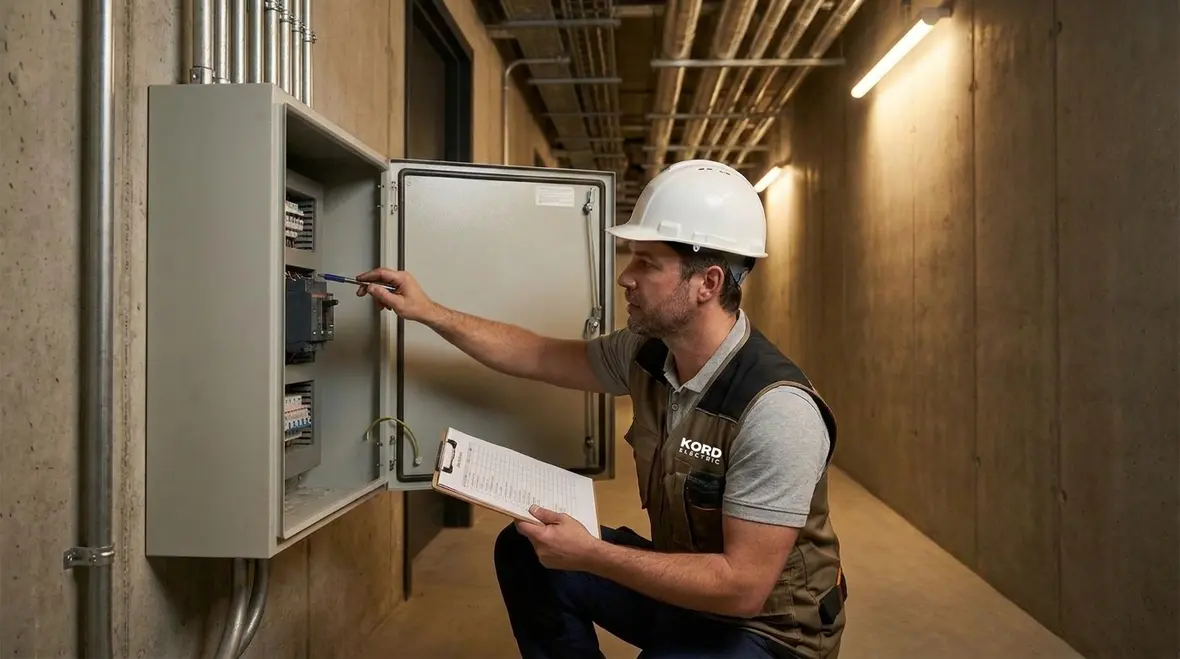
Many teams struggle with the NEC because the document feels huge. However, our technicians and expert service staff use the structure like a navigation tool. First, we locate the sections that match the building type and electrical system scope. Next, we map those requirements to the project design documents, one area at a time. Then we verify details during installation, not after.
We also help teams connect the dots between sections. For example, once you define the proper enclosure approach for certain environments, you then consider wiring methods, conduit use, and how the enclosure supports system integrity. Additionally, you review how maintenance access works, since the NEC expects working space and safe access to equipment.
In other words, we treat NEC planning as a workflow. Instead of chasing compliance at the end, we build compliance into the schedule. That approach keeps projects moving, and it keeps people safe.
If your team wants a broader guide to how NFPA 70 shapes electrical design decisions, you can also review our resource on the National Electrical Code for 2026, which walks through how code changes affect real-world projects and inspections.
When plating enclosures matter in the field
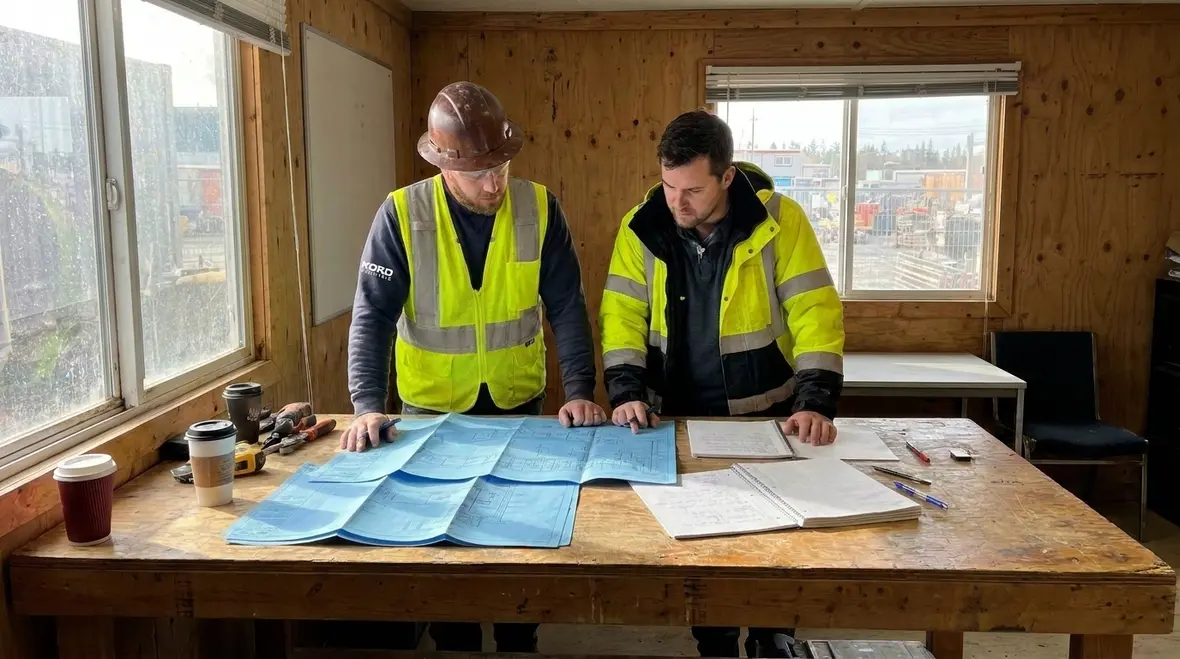
In industrial areas and certain specialized building zones, plating enclosures often become a key factor. That is because plating operations and related equipment can involve conditions that require careful protection of electrical components. For that reason, we use NEC Section 668.40 plating enclosure requirements as a starting point, then we apply the same discipline to adjacent installation details.
In practice, plating-related environments may expose equipment to chemicals, moisture, dust, or corrosive byproducts. Therefore, the enclosure needs to protect the wiring and components inside. It also needs to support safe installation and ongoing maintenance. If an enclosure fails, the risk does not stay inside the cabinet. It spreads to connections, terminations, and ultimately system performance.
Our expert service staff explains this simply for facility teams. The enclosure is not just “a box.” It is part of the safety system. Moreover, when we select and install enclosures correctly, we reduce equipment downtime and prevent the slow damage that can hide behind a “looks fine” inspection.
Connecting plating enclosures with overall NEC planning
Because plating spaces can combine electrical, mechanical, and chemical risks, our team treats NEC Section 668.40 plating enclosure requirements as one layer in a larger protection strategy. We confirm that the enclosure ratings, conductor insulation, overcurrent protection, and grounding and bonding all line up with the specific operating environment. That way, the enclosure does not just “pass inspection” but actually performs under real conditions.
Enclosure safety is more than material and a door
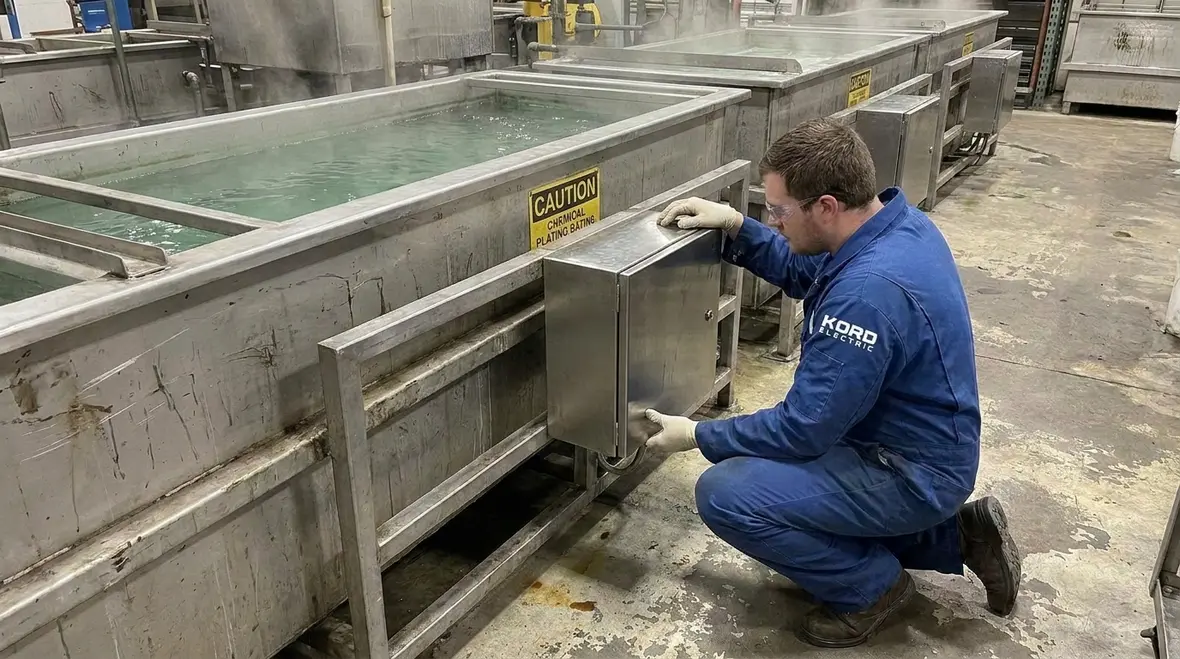
When people hear “enclosure,” they sometimes think only about the outside shell. However, we focus on the full enclosure performance. First, we verify the enclosure design supports protection from the surrounding environment. Then we confirm the enclosure accommodates wiring methods, device fit, and safe termination.
Next, we review how enclosures manage heat, moisture, and contamination risk. We also check how sealing, gasketing, and cable entry features function as a system. As a result, you avoid the classic failure pattern where the cabinet looks intact but the entry points allow exposure.
Finally, we coordinate enclosure requirements with the rest of the installation. That includes conductor routing, labeling, grounding and bonding checks, and clear access for service. In commercial and industrial spaces, these details matter because systems run continuously, and downtime costs money faster than a movie sequel nobody asked for.
Why enclosure choices affect long-term reliability
We see enclosure decisions influence more than just “pass or fail.” The right choice can improve heat dissipation, simplify maintenance, and reduce corrosion-driven failures over the life of the system. That is why our technicians and expert service staff look beyond labels and data plates. They match the enclosure to how the system actually operates day after day, shift after shift.
Practical steps for electrical inspections and compliance
We help facilities prepare for inspections by turning code requirements into field checks. First, we create an inspection-ready checklist tied to relevant NEC provisions, then we confirm documentation matches the installed work. After that, we coordinate with electrical contractors, designers, and facility maintenance so everyone agrees on what “compliant” looks like.
Then we do field verification. Our technicians follow a consistent approach: they examine enclosure selection, confirm proper installation practices, verify termination quality, and check that working space and access are maintained. Additionally, they confirm labels, as-built notes, and protective measures remain accurate after any changes.
When something does not meet requirements, we fix it before it becomes a recurring issue. We do not wait for a “later.” We handle it now, because later usually means higher costs and more disruption.
Linking enclosure checks with overall safety planning
For new projects and major upgrades, we often pair our enclosure-focused inspection steps with broader safety reviews, including grounding, bonding, and coordination of emergency power systems. By aligning with resources like our NFPA 70 overview and other electrical safety planning tools, facility teams can see how each enclosure contributes to a safer, more resilient system instead of feeling like an isolated task.
How Kord Electric and Kord Fire support safer electrical and fire life safety systems
We operate with one clear goal: safer facilities and fewer surprises for our clients. Kord Electric supports the electrical side with experienced technicians who understand how building systems connect. We also align with fire life safety needs through our network and expertise, including Kord Fire and resources that help teams interpret code intent.
For example, we look at how electrical systems interact with emergency functions, equipment safety, and overall fire risk management. Then we apply that understanding during planning, installation, and service work. As you move through a project, we treat compliance as a team sport, not a solo act.
And yes, code books can feel like they were written during a thunderstorm. Yet, with our guidance, teams translate the rules into real-world work plans. We support commercial and industrial facilities and major property buildings only, because those environments need disciplined execution, not one-size-fits-all advice.
We also keep the bigger safety ecosystem in mind through partners and educational resources such as firepumps.org, which helps teams think about performance, protection, and system readiness. When you combine that mindset with electrical code compliance, your facility gains resilience instead of just paperwork.
For building owners and operators across the region, this combined approach supports everything from plating enclosures to large distribution upgrades. Whether you are coordinating a targeted compliance project or a broad capital program, our technicians align NEC requirements, fire life safety needs, and real-world operating constraints so your facility stays ready, not reactive.
Support that extends across your facility’s electrical lifecycle
Our involvement does not end once a project passes inspection. We provide ongoing service, troubleshooting, and planning support so your electrical systems stay aligned with evolving code requirements and operational demands. From proactive maintenance on critical enclosures to planning for future expansions, our team stays focused on long-term reliability and safety.
Planning projects that respect NEC Section 668.40 plating enclosure requirements
When a facility team starts planning work around plating operations, we recommend treating NEC Section 668.40 plating enclosure requirements as a design anchor, not a last-minute checkbox. In practical terms, that means identifying all equipment exposed to plating-related environments, mapping out power distribution to and from those areas, and confirming that enclosure ratings, wiring methods, and protection strategies are aligned from the first sketch.
On many projects, we also coordinate with mechanical, process, and fire protection partners to confirm that ventilation, spill management, and emergency response plans support the electrical safety strategy. That way, the enclosures, conductors, and protective devices that serve plating systems support the broader safety posture of the building instead of working alone.
When a facility operates in Los Angeles County or other heavily regulated jurisdictions, this kind of disciplined planning becomes even more valuable. Local enforcement, permitting expectations, and inspection styles can vary, so we align our design and installation practices with regional requirements. For teams that need help understanding how that plays out on site, our regional electrical service offerings provide the practical support to keep projects moving without compromising safety.
From plating lines to panelboards: keeping systems consistent
One theme we repeat with facility staff is consistency. A plating enclosure that meets NEC requirements does its job best when the rest of the system is just as disciplined. That includes upstream panelboards, feeders that serve plating equipment, protective coordination settings, and downstream controls that may sit in less severe environments but still need to match the overall safety plan.
By pairing enclosure-specific work with broader system reviews, we help facility teams avoid the hidden weaknesses that show up only when equipment is stressed. Instead of chasing faults after a failure, you gain a system that behaves as expected in both normal operation and upset conditions.
FAQ for NEC enclosures and plating enclosure requirements
Conclusion: Get confident with NEC based field support
If your facility needs electrical compliance that holds up in the real world, we are ready. Kord Electric brings experienced technicians and expert service staff to your project with clear checks for enclosure protection and safe installation practices, including the NEC Section 668.40 plating enclosure requirements that often make or break approval. Contact us to review your scope, plan the right verification steps, and move forward with confidence. We help commercial and industrial teams protect people, equipment, and schedules without the stress.
Whether you are coordinating a focused enclosure upgrade, a full distribution project, or a regional program across multiple sites, our team supports you from early planning through commissioning and ongoing service. For facilities in Los Angeles County, our electrical services teams combine NEC expertise, field experience, and calm communication so you can navigate permitting, inspections, and long-term maintenance without guesswork.
If you would like to see how plating enclosure work can align with broader NFPA 70 planning, emergency power strategies, and smart upgrades across your building, our project staff can walk through options, risks, and timelines in clear language. The goal is simple: keep your operations running, your people safe, and your next inspection pleasantly uneventful.
For property managers and operators who want help beyond a single project, we also support portfolio-wide planning and standards. By building consistent expectations for enclosures, wiring methods, and inspection practices, your facilities can benefit from fewer surprises and more predictable performance across sites.
If your organization is coordinating work in Los Angeles County and needs a practical partner for NEC-driven projects, our regional electrical services team is prepared to help you plan, execute, and maintain systems that meet inspection requirements and support long-term operations.


