
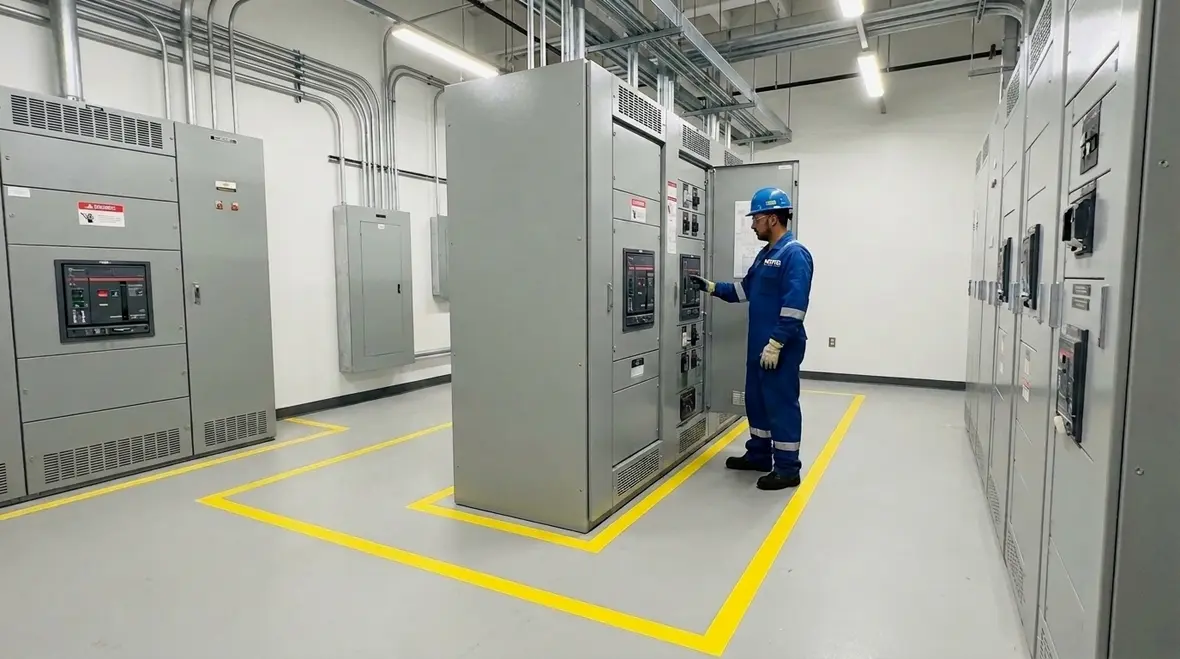
NEC Section 669.4 Equipment Room Safety in 2026
In our world of commercial and industrial electrical work, we do not treat safety as a “nice to have.” We treat it as the baseline. That mindset starts early, even before the first cable gets pulled. As the NEC Section 669.4 electrical equipment room rules explain, equipment rooms must remain controlled and maintained so electrical gear stays safe to access and safe to operate. In other words, we help our clients keep the room disciplined: proper clearance, sensible layout, and clear rules for what belongs there and what does not. Then, we make sure the rest of the system follows the same discipline. Because nobody wants a surprise, and nobody wants a breaker story that ends like a sitcom season finale.
What the 2026 NEC means for electrical equipment rooms
When people ask what the National Electrical Code actually “does,” we tell them it sets a practical standard for how electrical systems get designed, installed, and kept in service. For the 2026 cycle, many updates and clarifications focus on safer layouts, clearer rules, and better coordination across the whole electrical path. Our technicians review the requirements step by step, and we translate them into actions you can see in the field.
First, we look at the room itself. Then we look at the equipment inside it. After that, we connect those two ideas to how maintenance crews will work later. That last part matters, because good code compliance today makes repairs less chaotic tomorrow. We also keep in mind that commercial and industrial facilities and major property buildings need systems that stay reliable under real use, not ideal lab conditions.
Some facilities treat code like a suggestion. We do not. We treat it like a playbook. And yes, sometimes the playbook is long. But so is the list of problems caused by ignoring it, which is never as funny as someone thinks it will be.
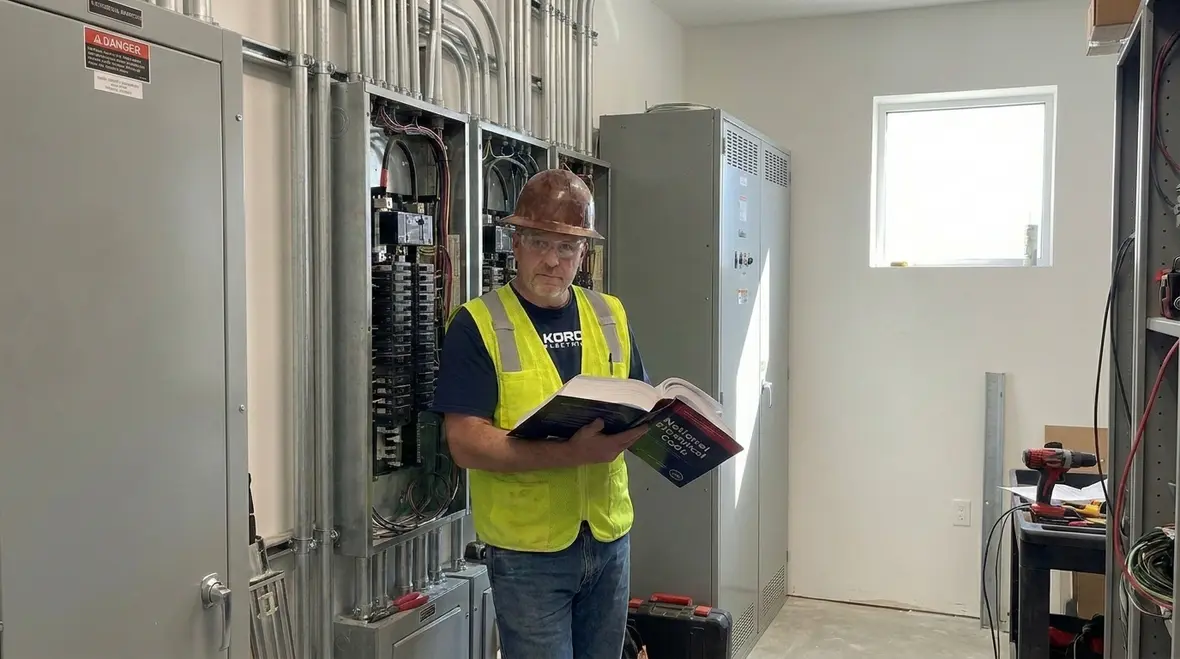
NEC principles that drive safety and reliability
NEC requirements work together. They do not exist as isolated facts. So when our expert service staff explains the code to our clients, we focus on cause and effect. For example, the rules for equipment rooms support both access and hazard control. Meanwhile, other NEC sections guide wiring methods, grounding practices, overcurrent protection, and how equipment should be identified.
In practice, we help property teams connect the dots between design and operations. If a facility can not safely reach gear, then a maintenance plan becomes slower and riskier. If the equipment room layout conflicts with safe access, then troubleshooting takes longer and wear and tear increases. And if electrical systems get installed without the right separation and labeling expectations, then an emergency response becomes harder to run.
Therefore, we plan for how people work. We also plan for how equipment ages. That is why our team documents decisions and follows approved installation details. We want the system to stay steady when the demand rises and when the calendar moves on.
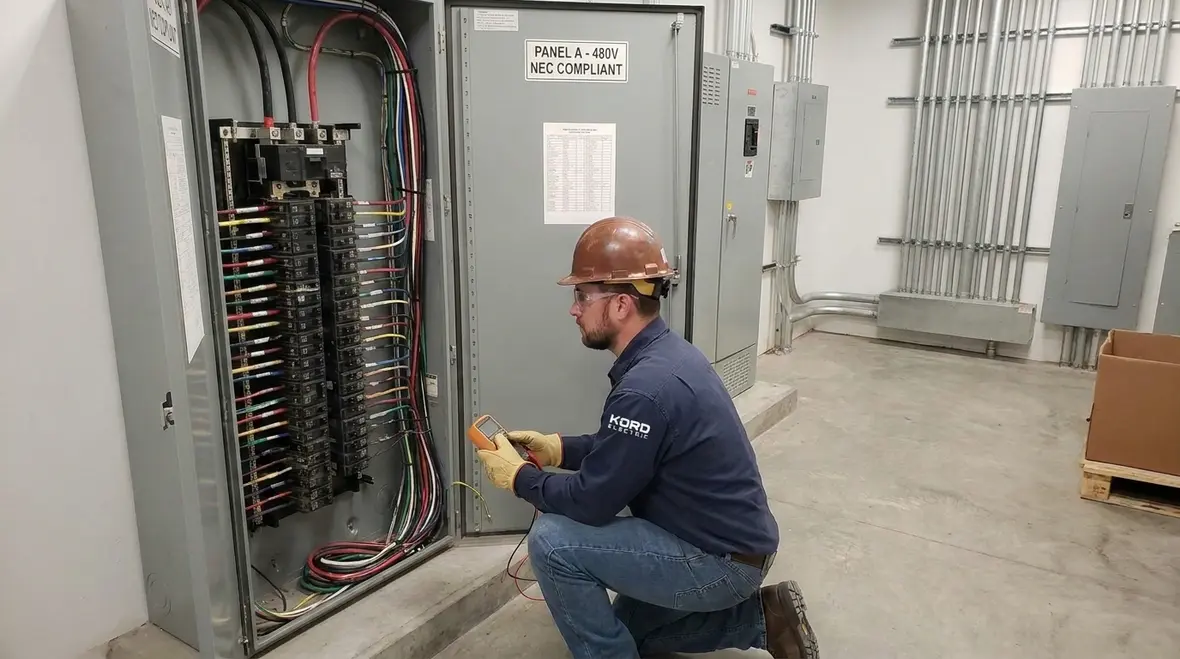
Clearances, access, and room discipline under NEC Section 669.4
The NEC Section 669.4 electrical equipment room rules set expectations that shape the room layout and ongoing control. Our field leaders emphasize that these rules apply beyond just initial installation. They also influence how the room gets maintained. For example, we help ensure required clearances remain clear, and we support the facility in keeping storage and crowding from creeping into the equipment space.
Next, we address how access gets planned. We think about door swings, pathways, and safe reach distance for qualified personnel. We do not assume everyone will follow procedure automatically. So we help clients build procedures, train staff, and maintain the room like a controlled work area.
Then we consider environmental realities. Many major properties face dust, moisture, and routine construction impacts. Even small changes can change room conditions over time. Because of that, we conduct site walkdowns and we document what needs correction, before the correction becomes an outage.
In short, we treat equipment rooms like critical infrastructure. Not like a storage closet. Unless you want your electrical gear to live next to holiday decorations, which we have seen more times than anyone should.
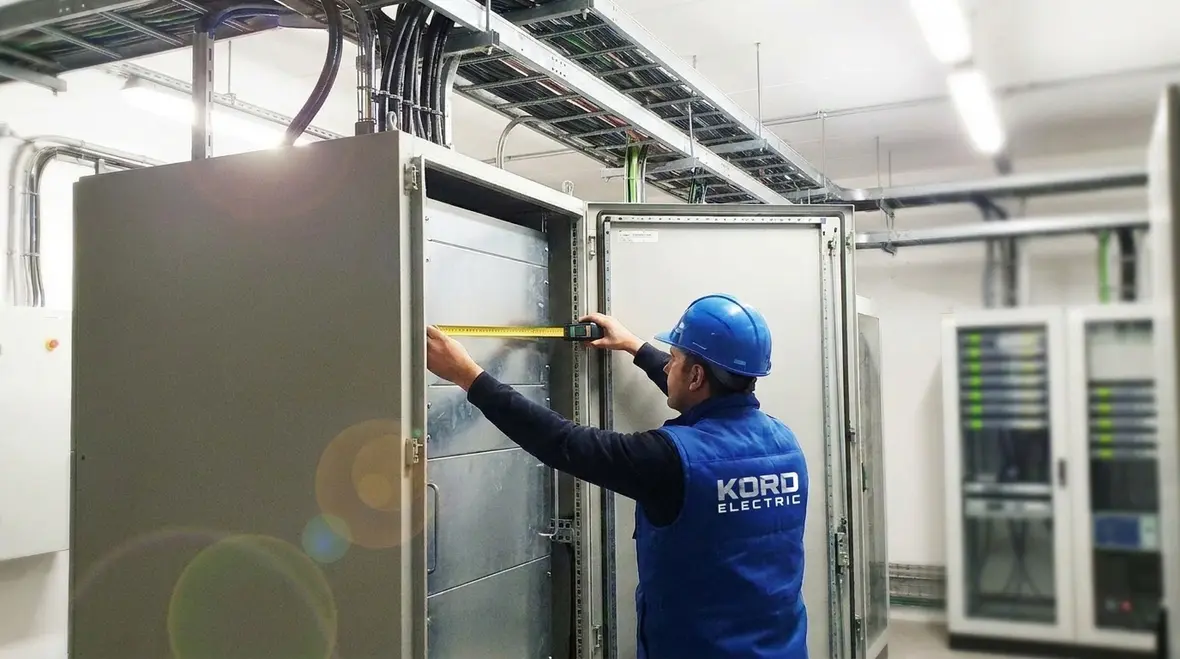
Electrical gear selection, labeling, and installation details
Once the room and access rules are clear, the next layer involves equipment selection and how everything gets installed. We coordinate the right gear for commercial loads, industrial duty cycles, and building system needs. Then we ensure the installation supports the code intent: safe access, safe servicing, and correct electrical performance.
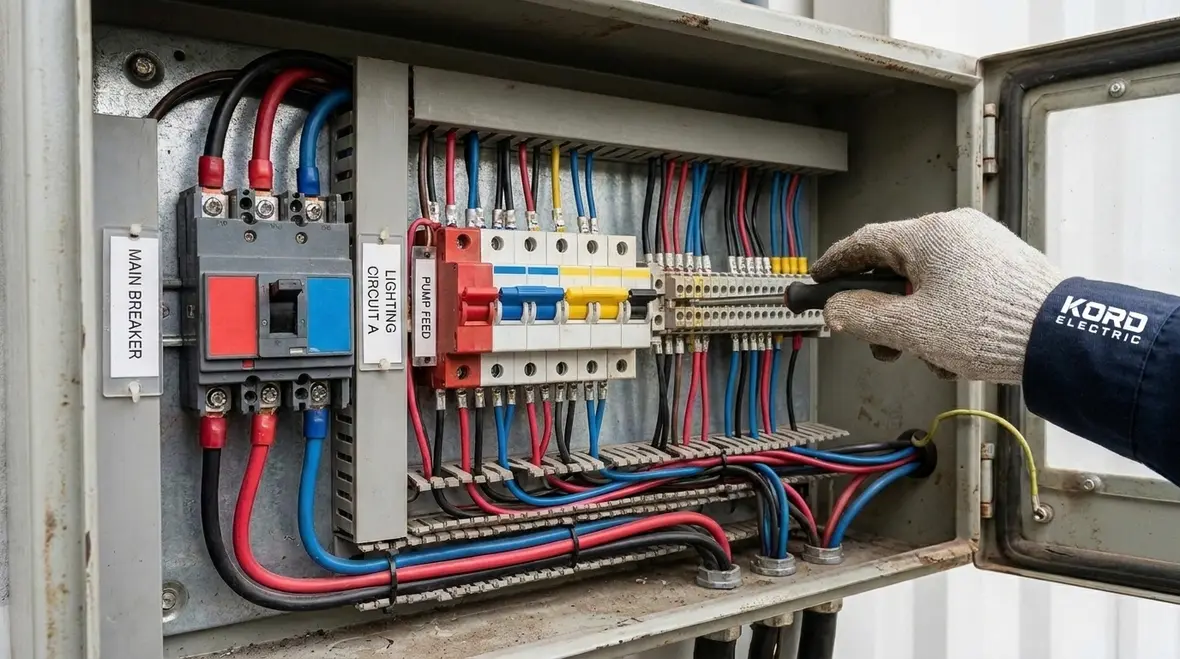
Labeling plays a bigger role than most people expect. When our technicians inspect a system, we verify that identification matches the actual circuit and equipment. That step prevents mismatches that waste time during troubleshooting. It also supports safer response by ensuring qualified personnel do not have to guess.
Installation details matter too. We confirm proper cable routing, suitable terminations, and installation methods that align with the code. We also ensure grounding and bonding support stable operation and effective fault current paths. That reduces nuisance issues and improves protection reliability.
At Kord Electric, we keep the process methodical. Our team follows a clear sequence: we confirm the room requirements, then verify the electrical design intent, and finally we check the physical installation. If something does not align, we fix it before it becomes an expensive lesson.
Coordination across code, fire safety, and maintenance planning
Electrical equipment rooms do not operate in a vacuum. They connect to fire safety thinking, emergency planning, and ongoing maintenance. That is why we coordinate with the broader facility safety approach. We also stay aware of fire and life safety ecosystems, since electrical hazards can affect how fire response works.
For clients who want deeper context, we point them to resources from our related fire and pump communities, including Kord Fire’s NFPA 70 overview and our fire protection partners at kordfire.com.au, where we discuss broader safety topics around the National Electrical Code and the realities of building operations. We also encourage coordination with teams that understand emergency water supply and fire pump readiness, such as firepumps.org when applicable. Even when electrical and fire systems differ in design, the failure modes can intersect in real buildings.
Next, we focus on maintenance planning. We help clients build checklists that reflect safe room access, equipment condition checks, and verification steps that align with the system’s risk. We also support periodic inspections so issues show up early, not during the kind of moment that turns a workday into a long night.
And yes, we do make the process easier to follow. Our expert service staff explains what we found, what it means, and what actions we recommend. We do not talk down to people. We help them lead confidently.
If your team wants a broader NEC foundation that supports equipment room decisions, you can also explore our companion resource Understanding NFPA 70: The National Electrical Code Explained for 2026, which walks through how current NEC direction shapes commercial and industrial planning.
How to prepare your facility for compliant upgrades
Most commercial and industrial projects face constraints. Existing rooms, crowded infrastructure, and phased construction can complicate updates. Still, we help clients move forward with a plan that respects both schedule and safety. First, we start with a targeted assessment. We review the equipment room layout, the access paths, and how the current installation aligns with NEC expectations, including the NEC Section 669.4 electrical equipment room rules and the practical room discipline they require.
Then we map upgrade options. Sometimes a full rework is the best solution. Other times, targeted corrections reduce risk without derailing the project. Either way, we coordinate with facility operations so downtime stays planned and controlled.
After that, we implement updates with clear documentation. We provide records that support future maintenance and inspections. We also train internal staff where needed so the system stays protected after our team leaves the site.
Finally, we set a maintenance rhythm. That rhythm helps the room remain compliant over time. Because compliance is not a one time event. It is a continuous practice, like locking your office door. People forget. Then they remember. Then they wish they had not.
Dual column example: common equipment room fixes we manage
Issue we find | Action we take |
|---|---|
Blocked access paths near electrical gear due to stored materials | We clear space, confirm required access, and help the facility set room control rules |
Inconsistent labeling between drawings and installed equipment | We align identification, update documentation, and verify during commissioning checks |
Routing and termination details that increase service difficulty | We correct installation methods to support safe servicing and stable performance |
Maintenance habits that slowly erode room compliance | We support a routine inspection plan and training for qualified personnel |
Frequently asked questions
Conclusion
If your commercial or industrial facility relies on safe, dependable electrical power, we help you keep your equipment rooms compliant, practical, and ready for real maintenance work. Kord Electric brings expert service staff, careful field checks, and clear documentation so your upgrades hold up under pressure. When you plan your next electrical project, do it with code intent in mind, not just drawings. Contact us today, and we will walk through your room requirements, risks, and upgrade options in a calm, no drama way.
For facilities across the region, our Los Angeles County electrical services team applies the same NEC Section 669.4 electrical equipment room rules you see here, combining code expertise with field-tested planning so your rooms stay safe, organized, and ready for inspections.


