NEC Section 675.10 Multiple Motors One Branch Circuit
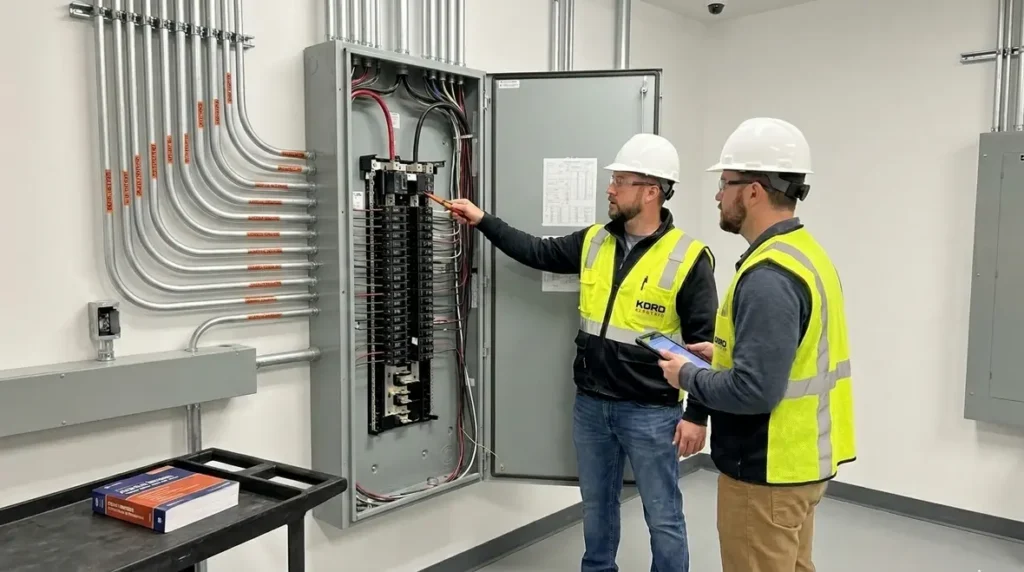
In commercial and industrial facilities, power rules decide whether equipment runs safely or throws a fit later. That is why we start with NEC Section 675.10 multiple motors one branch circuit early, because it affects how we wire systems that include more than one motor on the same branch. Then, once we understand the logic, the rest of the National Electrical Code makes sense. And yes, code can feel like a long movie with slow subtitles, but our technicians at Kord Electric translate it into plain steps you can actually use. We do not guess, and we do not improvise with electrical distribution. We follow the rules, document the work, and keep your operations moving.
NEC Section 675.10 and why it matters in real projects
NEC Section 675.10 multiple motors one branch circuit appears in the context of motor circuits, and it ties directly to load calculations, conductor sizing, and how branch circuits behave under starting and running conditions. In other words, it is not just a “wiring trivia” rule. It directly influences how we design a branch circuit so it can handle motor start currents, voltage drop, and continuous demand.
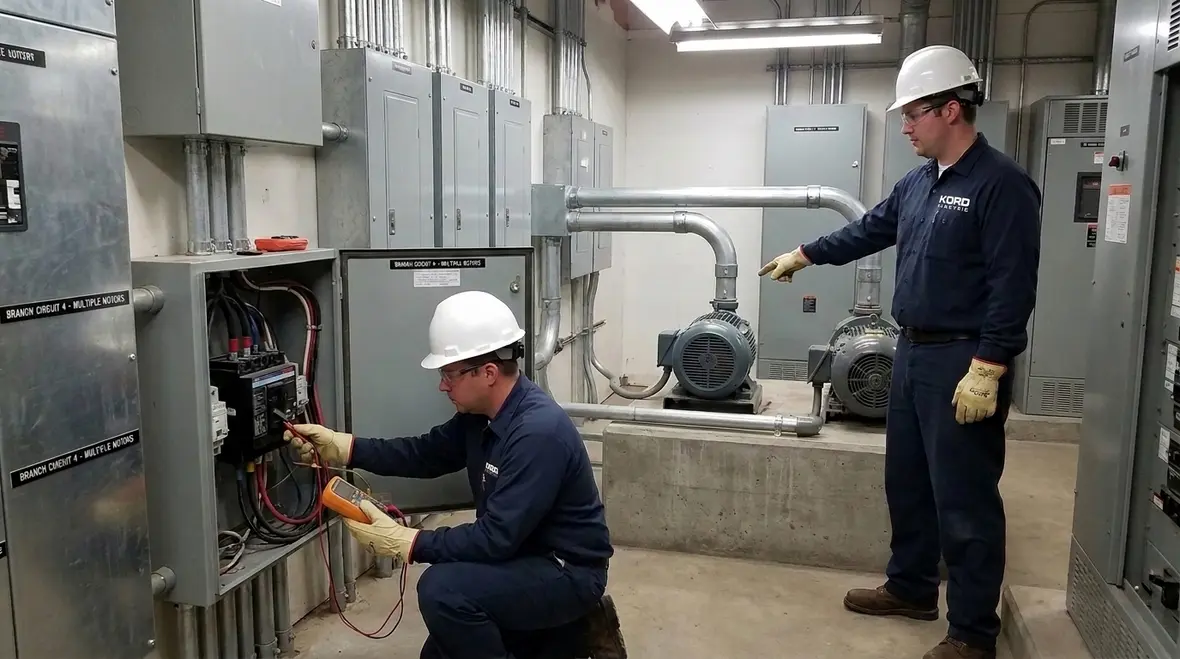
When one branch circuit serves more than one motor, the system can experience combined demand and repeated starting events. Therefore, we plan for worst case conditions rather than average conditions. As our expert service staff explains during commissioning, motor starting is the dramatic scene in a story, and electrical systems need a script that covers that drama. If the script fails, breakers trip and equipment gets cranky. We have seen it. We have also fixed it.
How we interpret the code for multiple motors on the same circuit
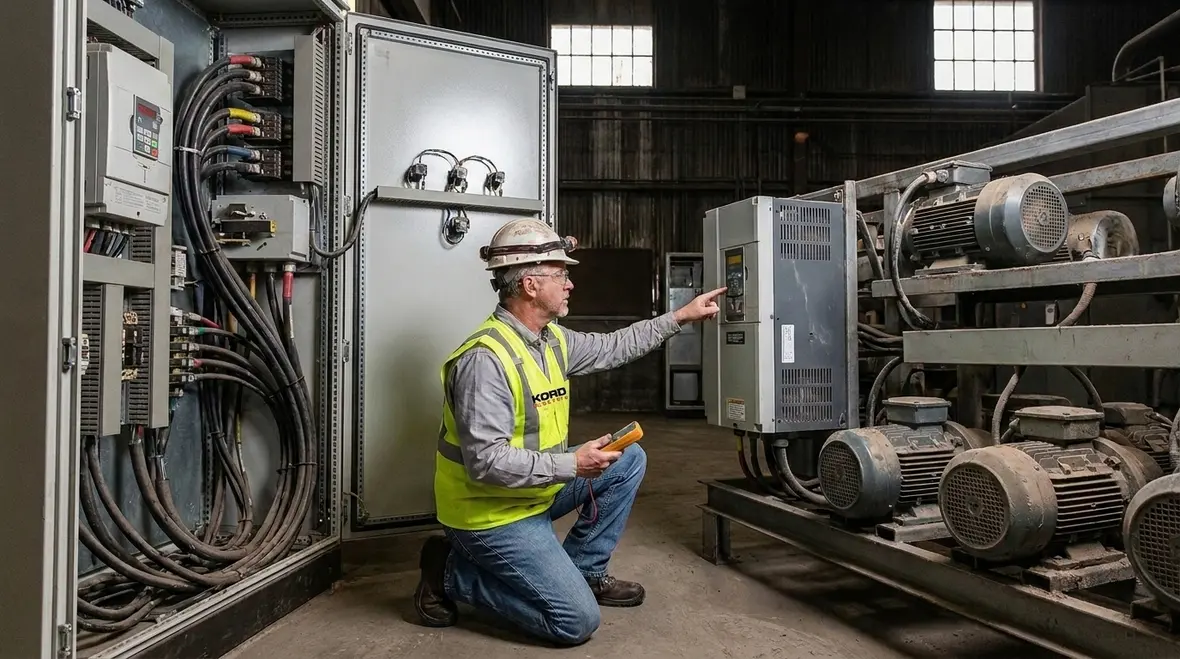
At Kord Electric, we treat the NEC like a map, not a suggestion. First, we confirm the equipment category and the application. Then we look at whether the motors operate at the same time, whether they start together, and how the control system sequences loads. After that, we confirm the conductor and overcurrent protection choices match the motor conductors, terminals, and heat limits.
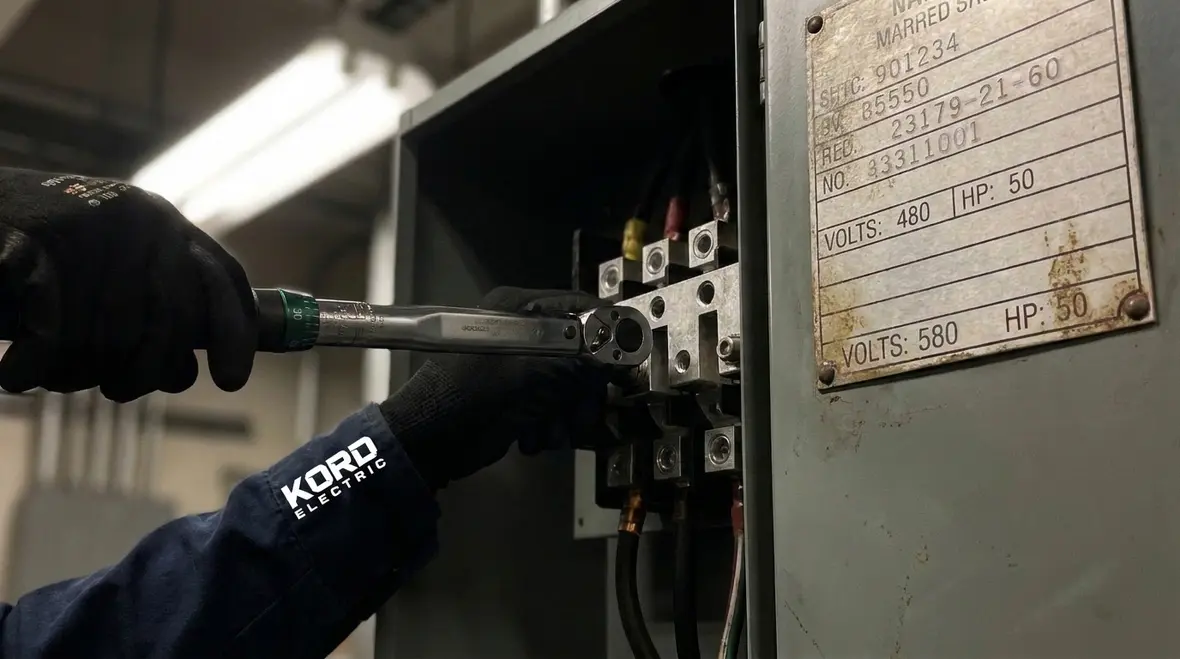
Next, we handle the practical side. Even a code compliant design can drift if installers skip terminations or use the wrong lug. So, we require proper torque, clean connections, and correct breaker settings. Our technicians follow field checks that we would want on our own buildings, because we understand that industrial downtime never comes at a convenient time. Also, when a facility manager asks for “one more motor on the same branch,” we respond with engineering questions, not vibes.
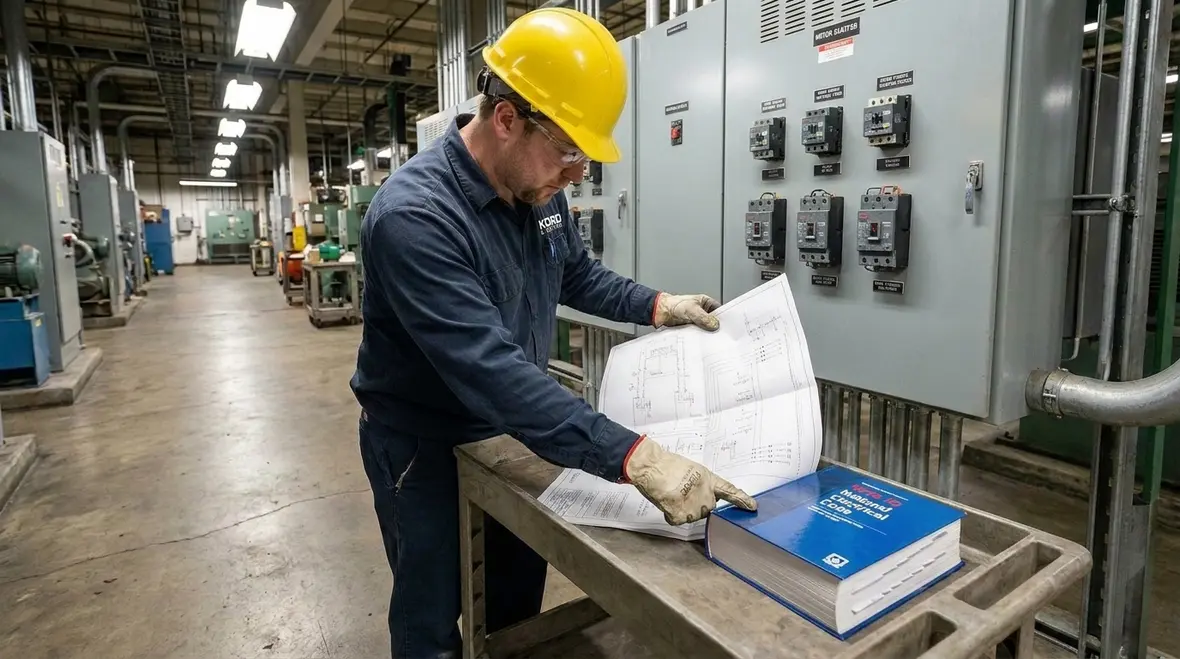
What installers should check before they land conductors
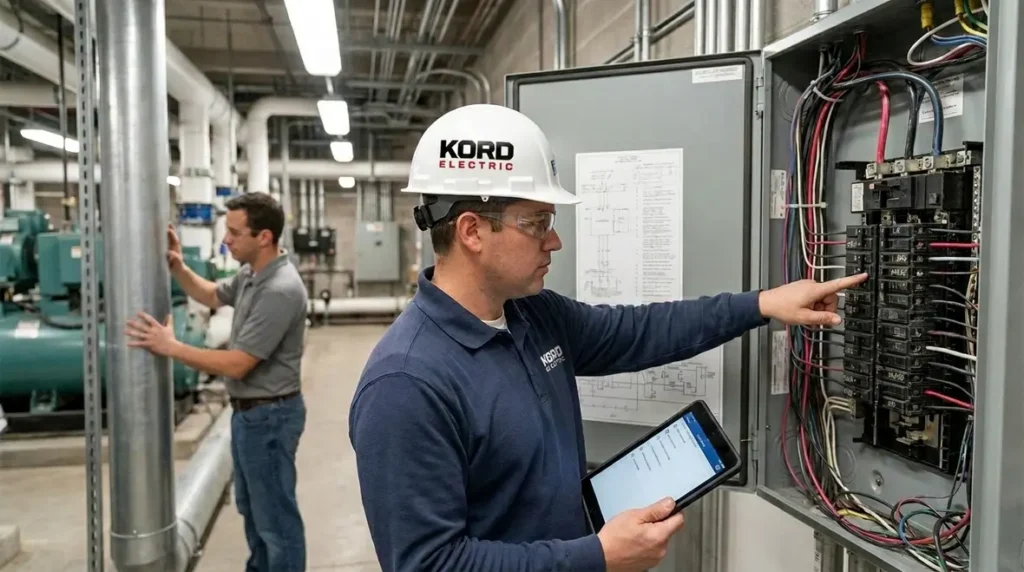
Then we move from interpretation to execution. For commercial and industrial buildings, we focus on details that often decide success or failure. Our team checks the following items before the final connection:
- Motor nameplate data, including voltage, full load current, locked rotor current, and duty type
- Branch circuit rating and breaker type, making sure the protection matches the motor starting behavior
- Conductor material, insulation rating, and ampacity under installation conditions
- Voltage drop planning so starting events do not sag supply beyond acceptable limits
- Equipment enclosure and terminal suitability for the chosen conductors
- Control wiring separation practices to reduce noise and nuisance operation
As we explain in our training style, a motor circuit is like a chain. The chain only holds as well as its weakest link. If a single termination runs loose or a conductor gets routed through the wrong temperature environment, the chain breaks. And when it breaks, it breaks during the part of the day when you least want it to.
From design to documentation: our process for safety and compliance
Once the engineering decisions are clear, we document them so the facility team can verify compliance at each stage. We design with the code requirements in view, but we also build a paper trail that supports inspection, testing, and future maintenance. Therefore, we create clear labeling, wiring diagrams, and commissioning notes that reflect how the motors and controls actually operate in the field.
Our approach also supports coordination with other systems. For example, when motor loads relate to pumping, ventilation, conveyors, and life safety dependent equipment, coordination must align across disciplines. This is where we lean on broader NEC guidance and related fire life safety planning. If you are looking at fire system design resources, you can also reference guidance like the National Fire Pump Association materials at firepumps.org for broader context on pump system behavior and related electrical considerations.

Fire and life safety realities in power distribution
In major property buildings, motor power does not live in a vacuum. Fire pumps, jockey pumps, and other life safety dependent motors require a dependable electrical arrangement and careful attention to selective coordination and control reliability. Additionally, the facility needs wiring that stays functional during the right conditions, not wiring that behaves like a house of cards the moment an alarm scenario begins.
When our technicians explain this, we use a calm, practical tone. We remind teams that life safety systems must operate when conditions shift. Therefore, we align power distribution practices with the way the overall fire protection system works. We also coordinate with local plans and approved design drawings so that wiring choices match what inspectors expect and what operators need during emergencies. If you want to explore a deeper NEC view from our fire engineering side, you can also read related discussions at kordfire.com and kordfire.com.au, where we cover the National Electrical Code themes that show up across installations.
For a broader electrical code overview from the Kord Electric side, you can also review our explainer on NFPA 70 at Understanding NFPA 70: The National Electrical Code Explained for 2026, which connects section-level rules like NEC Section 675.10 to the larger code framework.
Dual column summary: planning, wiring, and testing
To make the workflow easy, we keep our execution steps clear. Here is how we typically map the job from planning to final verification in a dual column view.
Phase |
What we do |
Planning and load review |
We confirm motor data, starting sequences, and branch circuit constraints, then we apply NEC Section 675.10 multiple motors one branch circuit logic to choose the right arrangement. |
Conductor and protection selection |
We size conductors for ampacity and installation conditions, and we select overcurrent protection that matches motor starting behavior. |
Installation and terminations |
We verify correct torque, wiring methods, and routing so heat and noise stay within safe limits. |
Testing and commissioning |
We test insulation integrity, continuity, phase correctness, and control operation, then we document results for future service. |
Common pitfalls we see in commercial and industrial motor wiring
Now let’s be honest. Some mistakes repeat because people get busy, and busy teams sometimes skip checks. Yet these errors often show up right when operations ramp up. Here are a few pitfalls we frequently correct:
- Adding motors to a branch circuit without rechecking starting and demand assumptions
- Using conductors that look right on paper but fail after routing changes raise temperature exposure
- Overlooking voltage drop during motor starting, which can cause equipment to stall or controls to misread
- Mislabeling circuit connections, which slows troubleshooting and increases risk
- Using incomplete documentation, so future maintenance teams cannot trace design intent
Our technicians handle these issues by following a repeatable workflow. And yes, we keep a sense of humor. Electrical failures are never funny to the people living through them, but the universe does enjoy irony. Someone will say, “It worked yesterday,” like yesterday was wired under the same rules as today. We make sure it is.
If you want to see how we apply the same discipline to broader electrical reliability topics, you can read our data-driven design and redundancy resources on the Kord Electric blog, which show how careful planning and documentation protect uptime just as much as they protect individual motor circuits.
Answers you can use fast
FAQ
Putting NEC Section 675.10 into your broader facility plan
In real buildings, NEC Section 675.10 multiple motors one branch circuit does not stand alone. It ties into your broader electrical safety, reliability, and operations strategy. When our teams design or review motor circuits, we also review upstream distribution, emergency power behavior, and how fault conditions will play out in switchgear, feeders, and controls. That way, a seemingly small branch circuit decision does not become the weak link in an otherwise solid system.
For owners and operators across Los Angeles County, we often connect these motor circuit discussions with larger upgrades such as lighting improvements, emergency power planning, and code-driven renovations. If you are coordinating multiple projects at once, consolidating them under a single electrical strategy can reduce rework, shorten outages, and make life easier for your operations team.
If you are looking for a partner who can handle the full electrical picture while still caring about the details in each motor circuit, our team is ready to help. From new construction to retrofits and expansions, we keep the conversation grounded in code, performance, and plain language, not guesswork.
To see how this fits into day-to-day work across the region, you can explore our broader offerings and coordination approach in our Los Angeles County electrical services, where we connect code knowledge with practical field execution for commercial and industrial facilities.
Conclusion and call to action
When a facility team wants reliable motor power, we help them design and build it the right way the first time. Kord Electric works with commercial and industrial buildings to apply NEC requirements, including NEC Section 675.10 multiple motors one branch circuit decisions, then we validate the install with clear testing and documentation. If you are planning a retrofit, expansion, or new build, contact us now. We will review your motor loads, explain our approach in plain language, and keep your equipment running when it matters most.
Whether you are adding a single motor, reworking an entire process line, or modernizing emergency and life safety systems, our technicians bring the same calm, methodical approach. We check the data, apply the code, document the logic, and then prove it in the field. That is how we keep your branch circuits from turning into plot twists and instead keep them behaving like the quiet, reliable background to a smooth workday.