
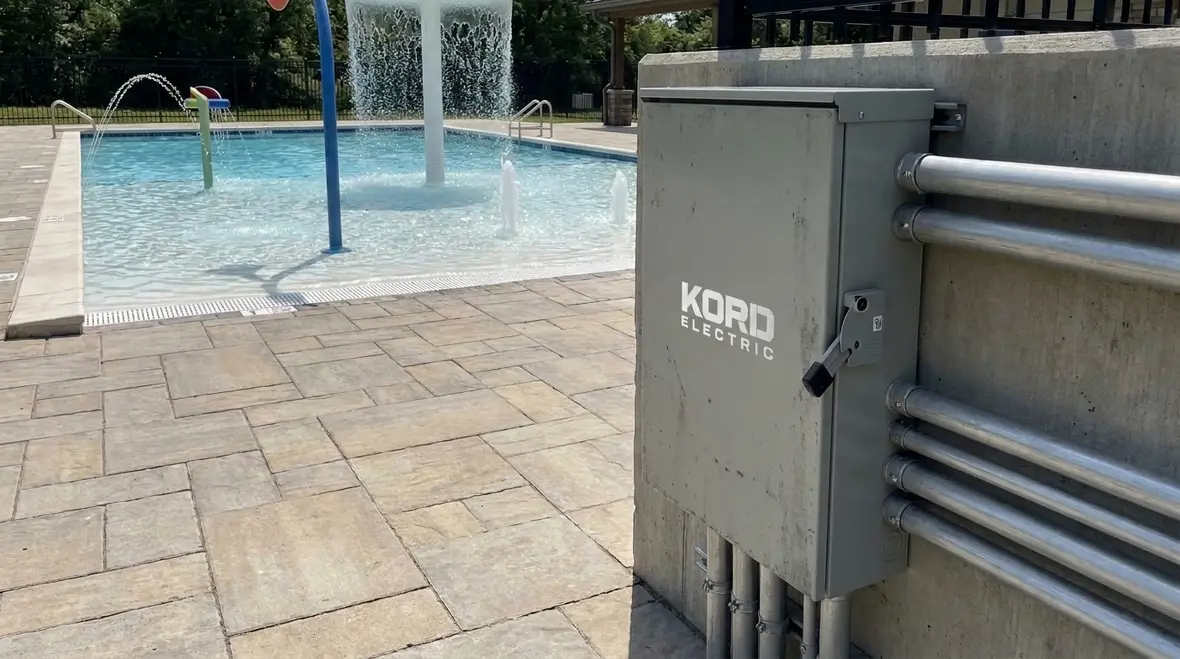
NEC Section 680.41 Wading Pool Equipment Locations
In commercial and industrial settings, electrical safety around water features is not a “nice to have.” It is a must. That is why we start with NEC Section 680.41 wading pool equipment locations, especially when a project includes wading pools, spray areas, or similar wet features. Within the first part of the code conversation, we see where equipment must sit and how it must be arranged so people stay safer while systems still work. For clarity, our focus at Kord Electric is on commercial and industrial facilities and major property buildings, because that is where the risks, loads, and inspection expectations are highest.
Now, if you have ever watched a crew try to “make it fit” during commissioning, you already know where this is going. The code does not bend, and inspectors do not laugh. Our technicians and expert service staff explain the rules in plain language, and then we verify the field layout before anyone calls it “close enough.”
How NFPA 70 and the 2026 update shape wet area electrical design
NFPA 70, the National Electrical Code, guides how electrical systems should be built and maintained. As the code evolves toward the 2026 edition, the industry keeps adjusting details that affect safety, coordination, and installation quality. Therefore, facility owners and electrical teams need more than a quick summary. They need a practical translation into design choices, installation steps, and inspection readiness.
At Kord Electric, our expert service staff reviews how updates change expectations for protection methods, equipment ratings, and how installers document compliance. Additionally, we align our work with the guidance discussed in our NEC related resources at Kord Fire and Kord Fire Australia, while still applying the requirements directly to your facility plans and jobsite conditions. In other words, we do not treat code text like a museum label. We use it like a checklist that keeps people safe.
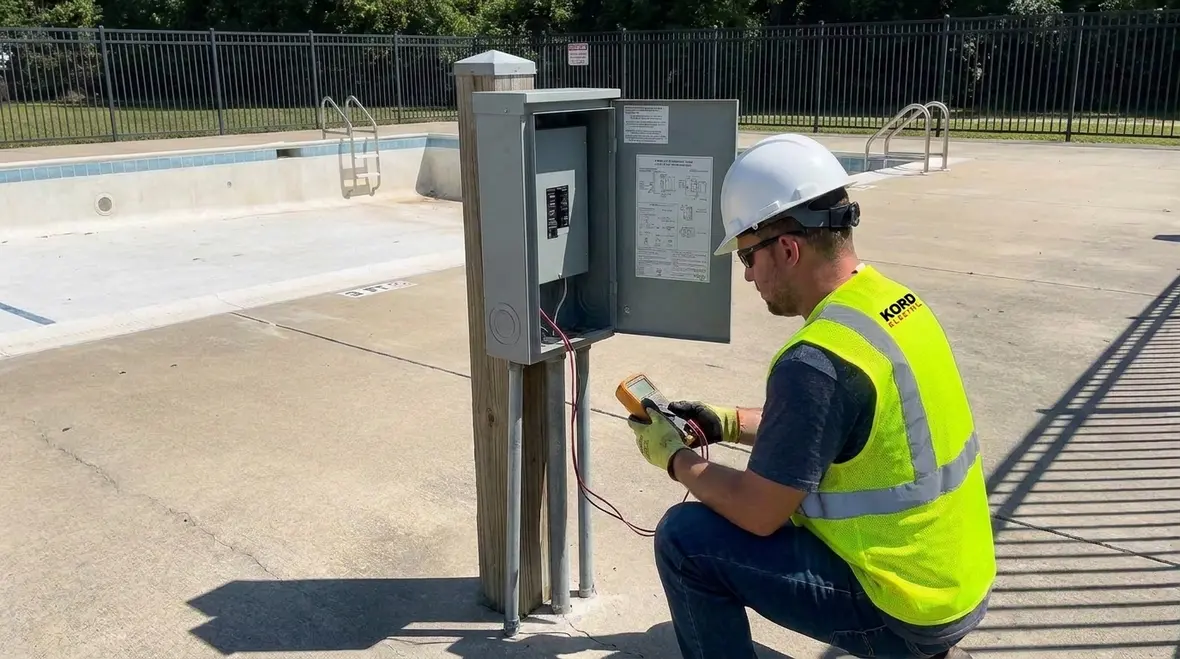
If your team wants a broader view of how the National Electrical Code shapes modern facilities, you can also explore Kord Electric’s resource Understanding NFPA 70: The National Electrical Code Explained for 2026, which connects code language to real projects and inspection expectations.
Placement rules that reduce shock risk
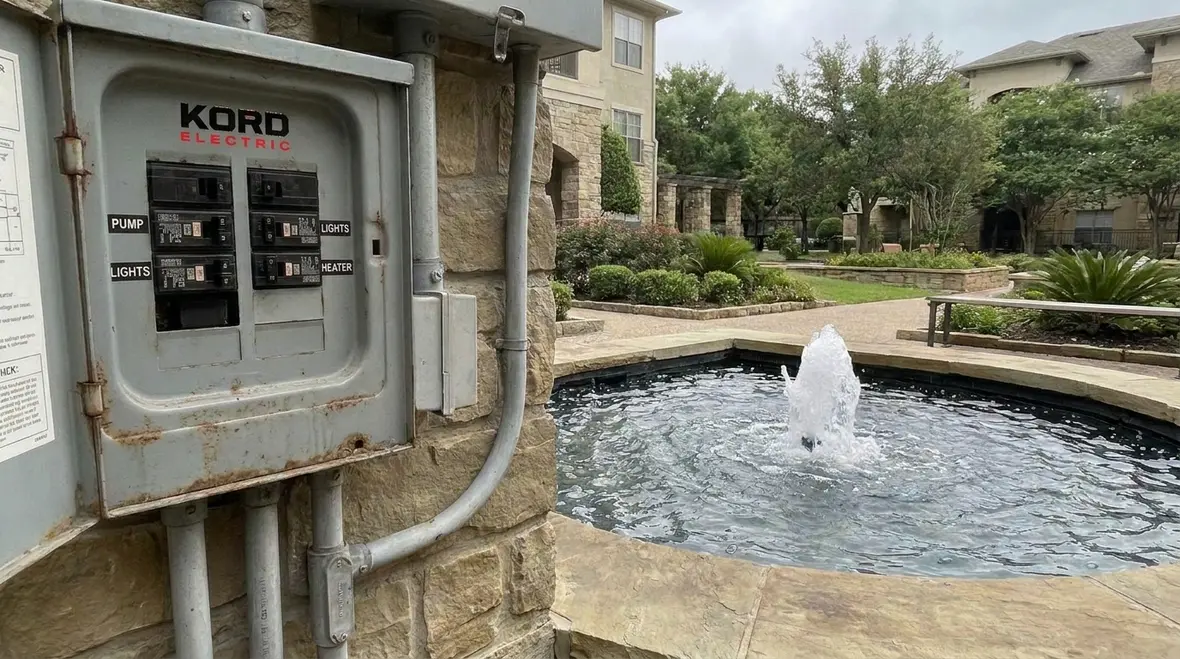
Once the code conversation moves from big ideas to real installations, placement becomes the center of gravity. For wet-area systems, proper location and separation help control exposure. When equipment sits in the wrong place, water movement and human contact can turn a normal device into a hazard. That is where the NEC Section 680.41 wading pool equipment locations requirement matters.
To help teams, we break this down into what changes on site. First, design teams must account for where people will be, how water will splash, and how maintenance crews will access equipment. Next, installers must follow the required boundaries and routing practices so conductive paths do not form through unintended surfaces. Finally, commissioning must confirm that the installed layout matches the plan, not just the intent.
Our technicians explain it this way: think of the equipment location as the “gravity” of the system. When gravity is correct, everything behaves. When it is wrong, you spend the rest of the project reacting, patching, and arguing. Nobody enjoys that. Even the most patient foreman will lose their calm after the third rework.
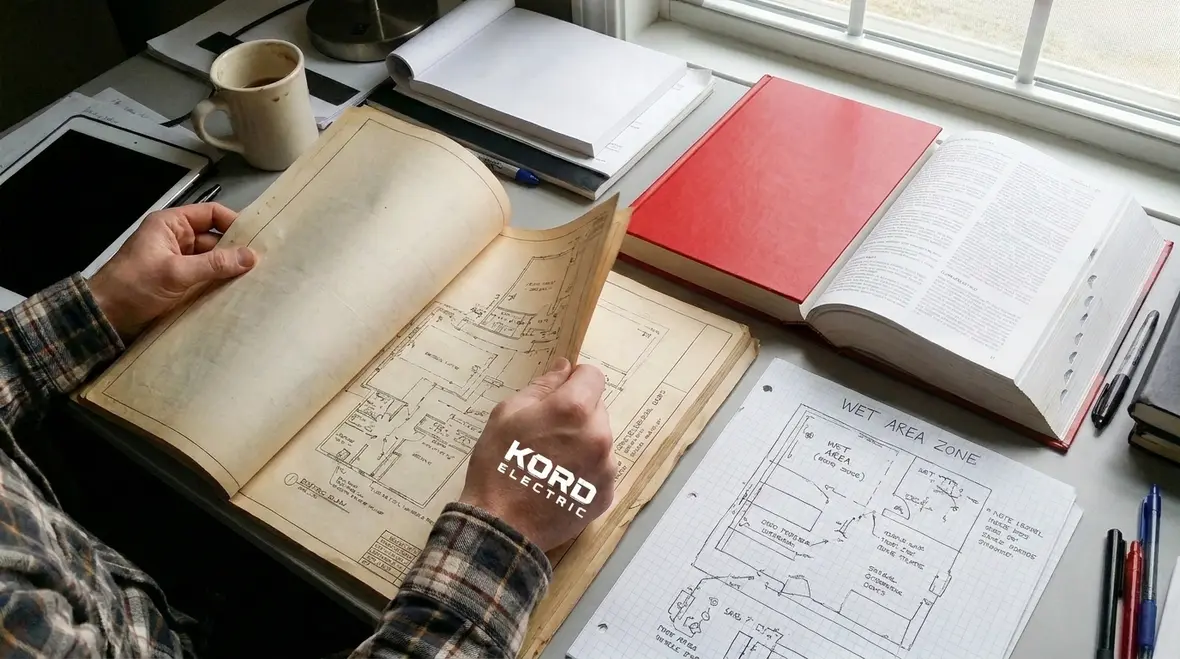
Equipment locations and the coordination with protection systems
Placement alone does not stop hazards. Therefore, the electrical design must also coordinate with protection and controls. In practice, that means we look at how branch circuits and feeders connect to the wet area loads, and how protective devices respond during fault and overload conditions. It also means we consider grounding and bonding, because water features can create conductive conditions faster than many teams expect.
Our service staff typically focuses on three coordination points during commercial and industrial work. First, we confirm circuit layout and labeling so the right breaker protects the right loads. Second, we verify that protection device ratings match the application, and that the design maintains selectivity where required. Third, we check that grounding and bonding meet the code expectations for safety paths, because the best placement in the world cannot compensate for missing bonding.
If a project includes fire-related water systems or water movement equipment, teams also look at how those systems integrate with emergency power and safe shutoff practices. When owners work with our broader fire and life safety partners, the coordination becomes smoother. Sites that also use guidance from organizations like firepumps.org often discover that water system reliability and electrical safety go together, not separately.
Design review steps our technicians use before the conduit is cut
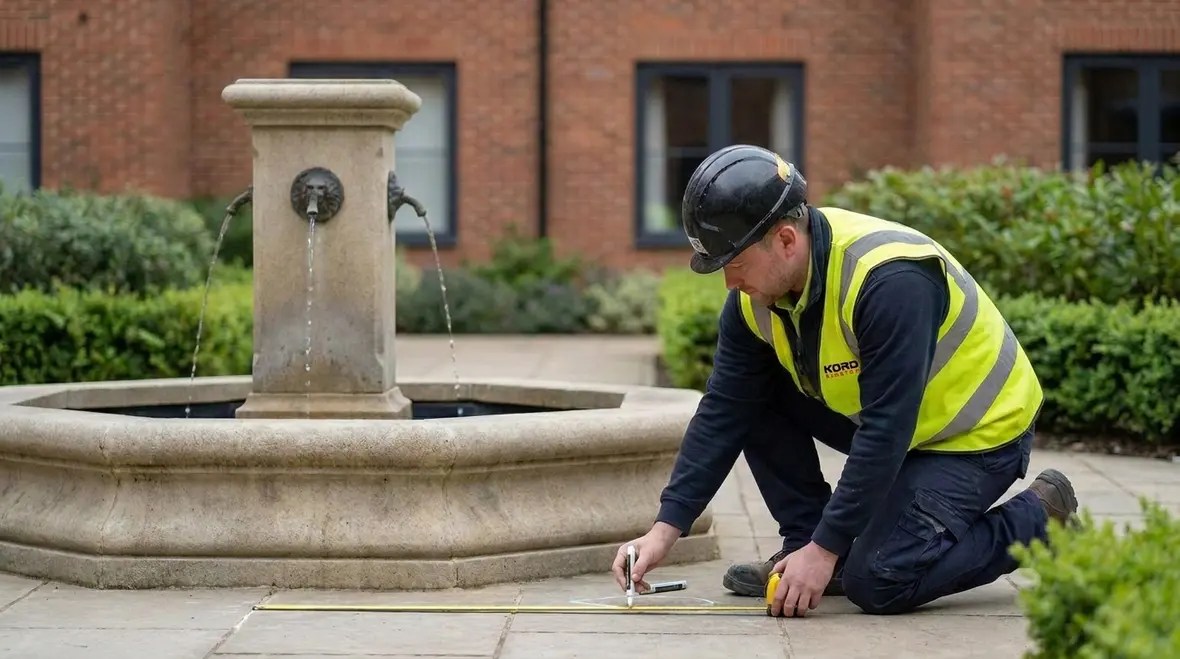
Even good plans fail when field conditions differ. To prevent that, Kord Electric uses a structured review process before installation starts. First, our team asks for the architectural and pool layout so the electrical scope matches the real water footprint. Next, we confirm clearances, equipment accessibility needs, and the intended service approach. Then we review how the circuits route from panel to equipment, including any pathway crossings through areas where splash or dampness could occur.
After that, we check documentation requirements for inspections. Code compliance is not only about having the correct parts. It is also about making sure the jobsite records support what was installed. Therefore, our technicians produce a clear path from design intent to installed reality, with attention to labeling and as-built updates where needed.
And yes, we do this before anyone grabs the hammer. Because nothing says “fun” like realizing a required placement constraint after the trench is already compacted. We save clients that headache.
Inspection readiness for commercial and industrial facilities
Inspection outcomes depend on more than the presence of equipment. Inspectors verify location, protection, bonding, wiring methods, and how the installation matches the submitted plan. Therefore, we help owners and general contractors prepare the site so the inspector can confirm compliance quickly and confidently.
During a typical review, our team checks the installation for neatness that matters: proper support, consistent conduit practices, correct terminations, and a layout that stays within the required boundaries around wet features. Next, we ensure that documentation and circuit identification are clear. Then we verify that testing results align with the protection and grounding design. In addition, we confirm that any changes made during construction do not drift away from the required arrangement.
When a project ties into broader life safety and electrical system planning, our approach connects the dots between power, protection, and equipment placement. This is why commercial owners choose our team when the scope is big and the consequences are real.
Common mistakes we see and how we prevent them
Every commercial facility project has a learning curve, especially when multiple trades collaborate under tight schedules. However, certain mistakes repeat. Our technicians see these patterns in the field and work to stop them early.
Equipment placed too close to the wet area: This breaks the intent of safe exposure limits and can trigger rejection. We prevent it by reviewing placement requirements against the actual pool layout.
Routing that ignores splash and moisture exposure: Even if equipment is located correctly, poor routing can expose conductors or enclosures. We map routing paths to the real environment.
Missing or incomplete bonding and grounding: Water features can create unexpected conductive conditions. We verify bonding continuity and inspect terminations.
Labeling and documentation that lag behind installation: Inspectors need clarity. We keep circuit identification consistent and update records as changes occur.
Protection devices that do not match the design: This can affect fault response and safety. We confirm ratings and coordination during pre-install checks.
For owners, the goal is simple: fewer delays, fewer callbacks, and a system that performs when it matters. For installers, it means a smoother day on site, not a comedy show where the punchline is an inspection re-do.
FAQ
Choose Kord Electric for safe, code-aligned wet-area power
If you are building or upgrading a commercial facility with wet-area features, do not leave electrical placement to guesswork. Kord Electric brings experienced technicians and expert service staff to the job early, so NEC requirements and safe equipment layouts become part of the plan, not a last-minute scramble. We coordinate design intent, field installation, and inspection readiness for major property buildings. Contact us now to plan your next step and keep your project moving with confidence.
For facilities planning broader upgrades alongside wading pool or water feature work, our team can also support Los Angeles County commercial electrical services, integrating NEC Section 680.41 wading pool equipment locations into a wider code-compliant power and protection strategy.


