NEC 680.43 Wading Pool Indoor Wiring Compliance
At Kord Electric, we work with commercial and industrial facilities where electrical safety cannot be a “someday” task. In fact, we regularly explain rules that protect people who never get a say in what happens behind the walls. For example, when NEC Section 680.43 wading pool indoor wiring comes into play, we treat it as a serious, detailed requirement, not a checkbox. Within the first steps of planning, we help others understand where circuits should run, how equipment must be protected, and why the wiring design matters in damp, high use areas. And yes, we know this topic sounds as thrilling as watching paint dry, but the stakes are real. If you want calm, we bring it. If you want compliance, we deliver it.
NEC basics for commercial and industrial electrical planning
In our experience, many property teams feel overwhelmed because the National Electrical Code reads like it was written by a committee that never slept. However, the NEC has a clear purpose. It sets minimum safety rules for electrical installations so buildings reduce risk of shock, fire, and equipment damage. For commercial and industrial facilities, we focus on practical design and documentation that match how real crews install, inspect, and maintain systems. To go deeper on how the code operates across facilities, many of our clients pair this kind of project specific planning with resources like Understanding NFPA 70: The National Electrical Code Explained for 2026, which we use as a reference point during design reviews.
To keep projects smooth, our technicians start with a clear scope: what the building needs, how people use the space, and how the system will behave during normal operation and abnormal conditions. Then we connect that to code language and the intent behind it. We do not treat code as trivia; we treat it like a safety operating manual. Because when inspections happen, “we thought it would be fine” does not cut it. It never has, and it never will.
NEC Section 680: pools and related equipment, explained by our team
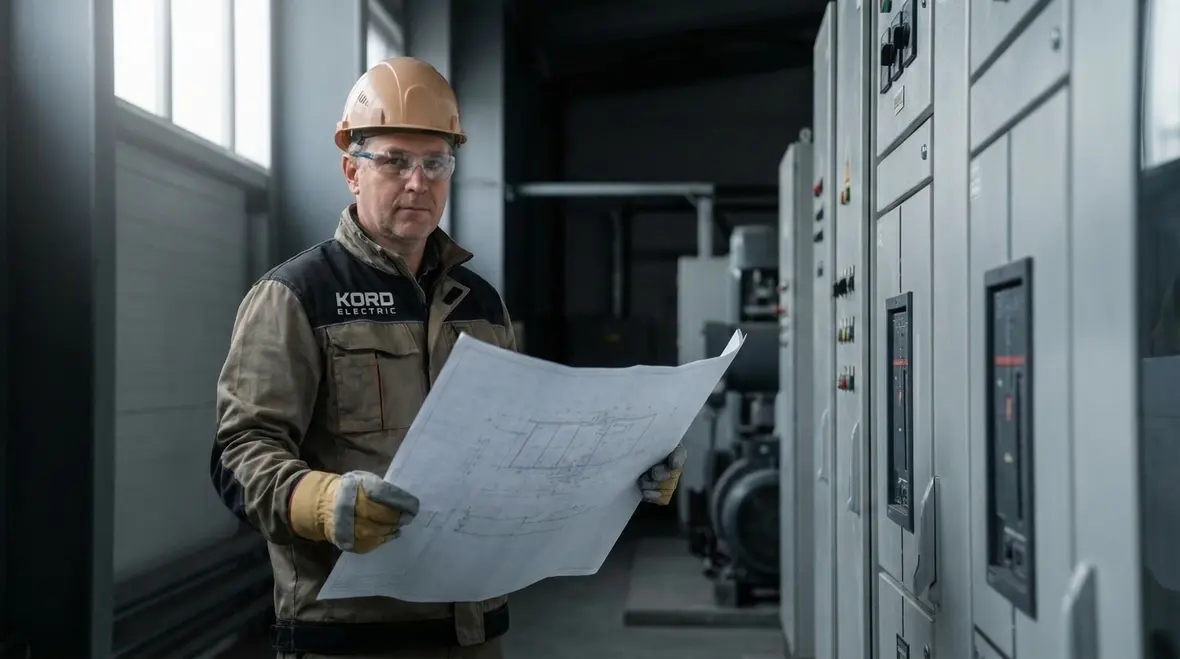
NEC Article 680 covers pools, fountains, and similar installations. It includes rules for wiring methods, equipment requirements, and protection steps that apply when water and electricity share the same neighborhood. This is where our expert service staff does more than point to text. We translate what the code means for actual site conditions: wet areas, splash zones, corrosion risk, and the way maintenance teams access equipment. We also align pool related work with the broader NEC structure we use in other projects, including guidance from our NFPA 70 focused planning resources, so teams understand how Article 680 sits inside the larger rulebook that runs the building.
Most importantly, we explain how these requirements connect to the rest of the electrical system. For example, the pool area cannot be an electrical island with random decisions. It needs a defined path for power, proper protection, and correct grounding and bonding. So when someone asks us about NEC Section 680.43 wading pool indoor wiring, we also explain how that area ties into upstream protection devices and overall building electrical rules. That holistic view prevents rework later, which saves time and money. And frankly, we like saving both, because project delays cost more than people think.
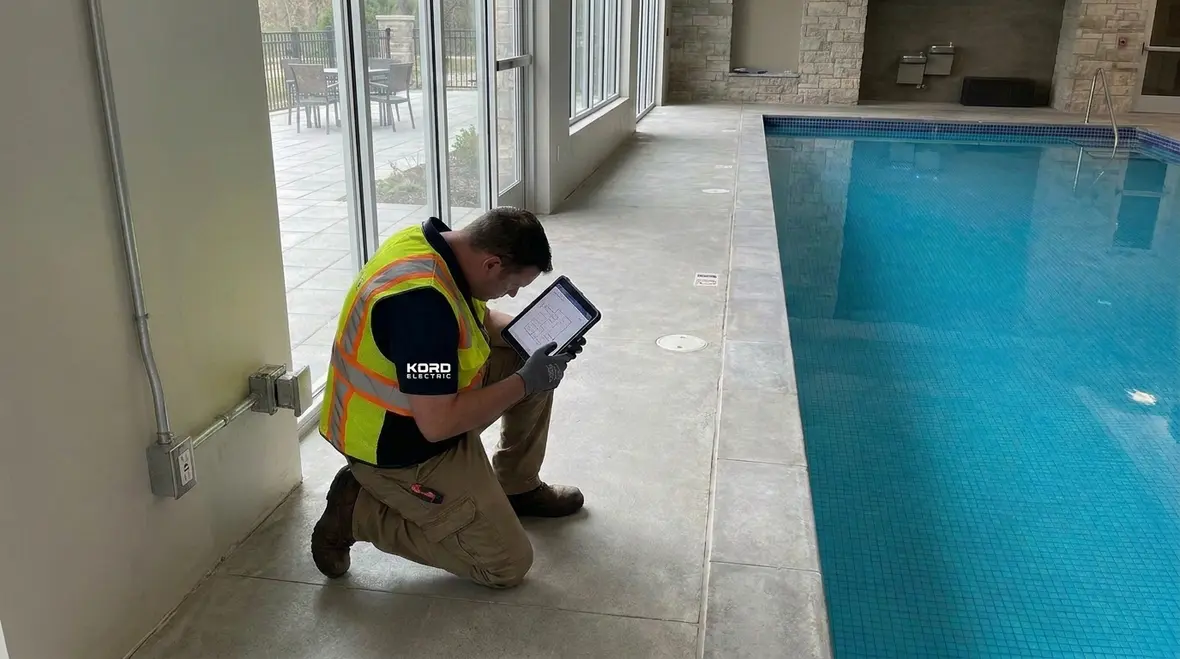
Indoor wading pool wiring: what changes when the space is “wet”
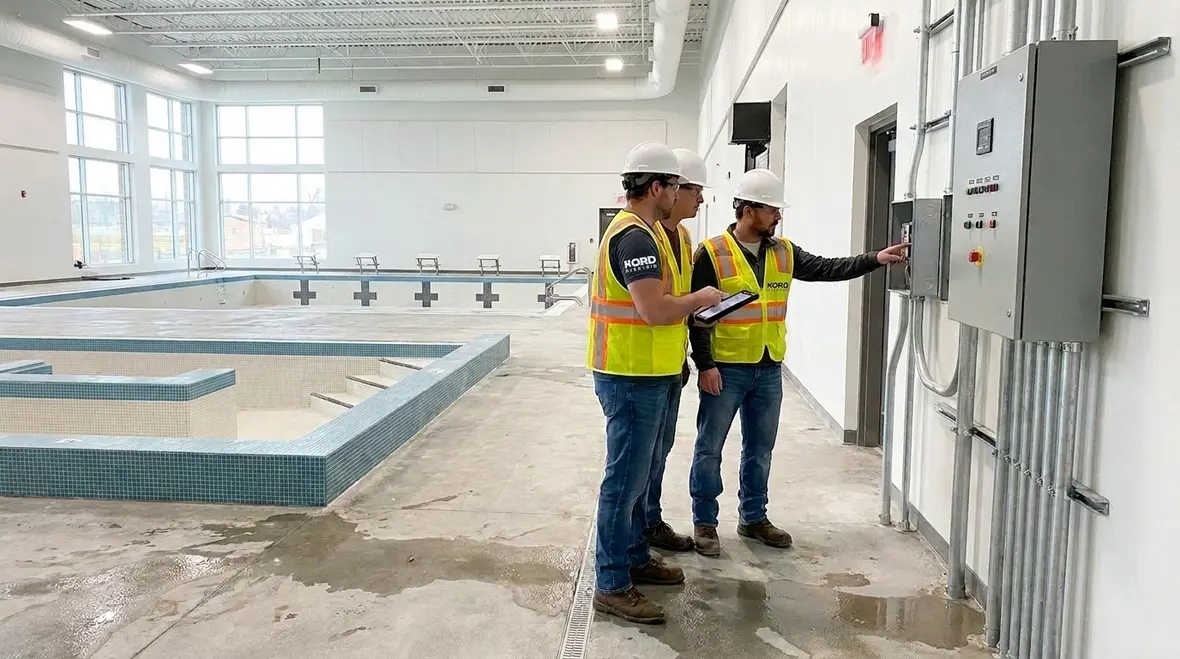
Indoor locations can confuse teams because they feel sheltered. Yet water still creates a risky environment. Therefore, indoor wading pool areas need wiring practices that account for moisture, humidity, splash, and frequent human interaction. In our work for major property buildings and large commercial sites, we treat the physical conditions as the main driver, not the room name. A glass roof and HVAC do not magically erase shock risk when bare feet, wet decks, and energized equipment share the same footprint.
When we plan NEC Section 680.43 wading pool indoor wiring, our process follows a clear logic. First, we define the boundaries of the wet area and the locations where equipment and wiring may be exposed. Next, we select wiring methods that resist damage and support safe operation. Then we align protection steps to the electrical hazard, including how faults get detected and cleared. Along the way, we reconcile Article 680 specifics with the broader NEC requirements that govern branch circuits, feeders, and equipment ratings, so nothing gets designed in isolation.
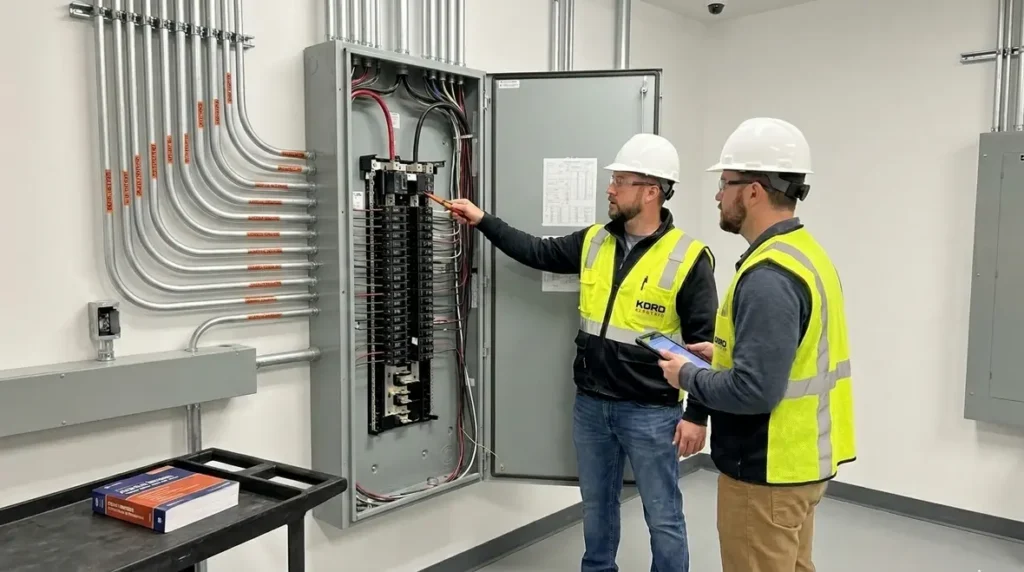
Our technicians also look at installation details that code assumes. That means we plan cable routing carefully, we manage junctions, and we keep connections in the right locations. We also verify that equipment spacing and access support safe servicing. It is not enough for wiring to meet code on paper. It must hold up when people walk, clean, and maintain the system. We build that reality into design reviews, so the final installation matches the safety intent.
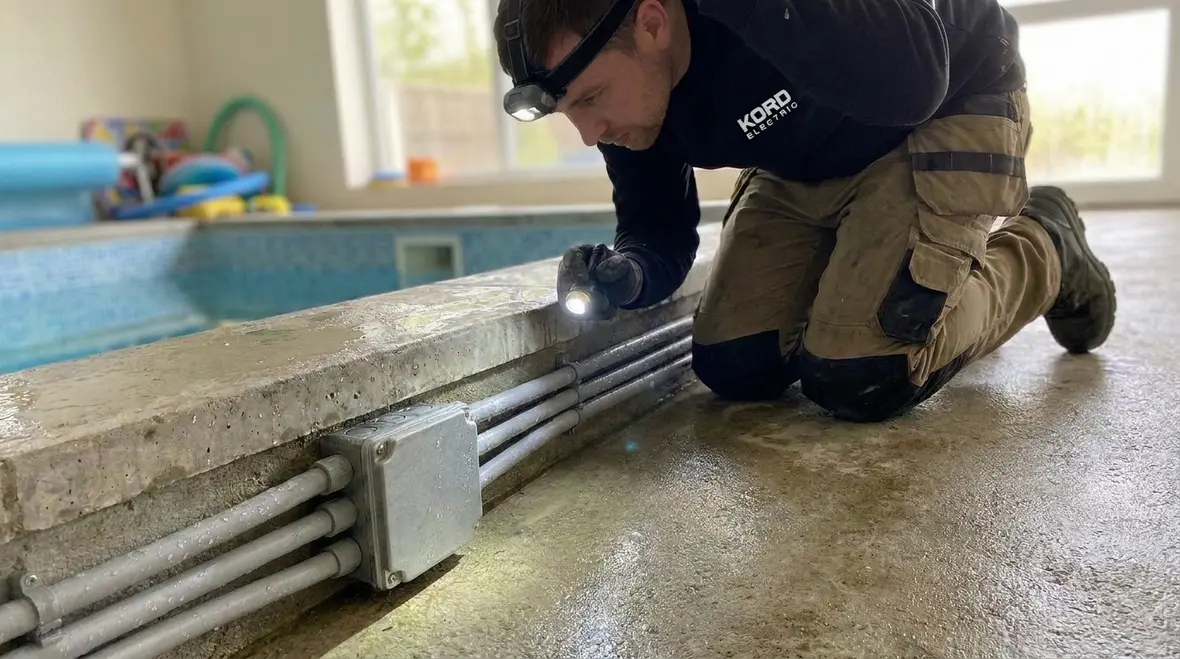
Grounding, bonding, and protection: where safety really shows up
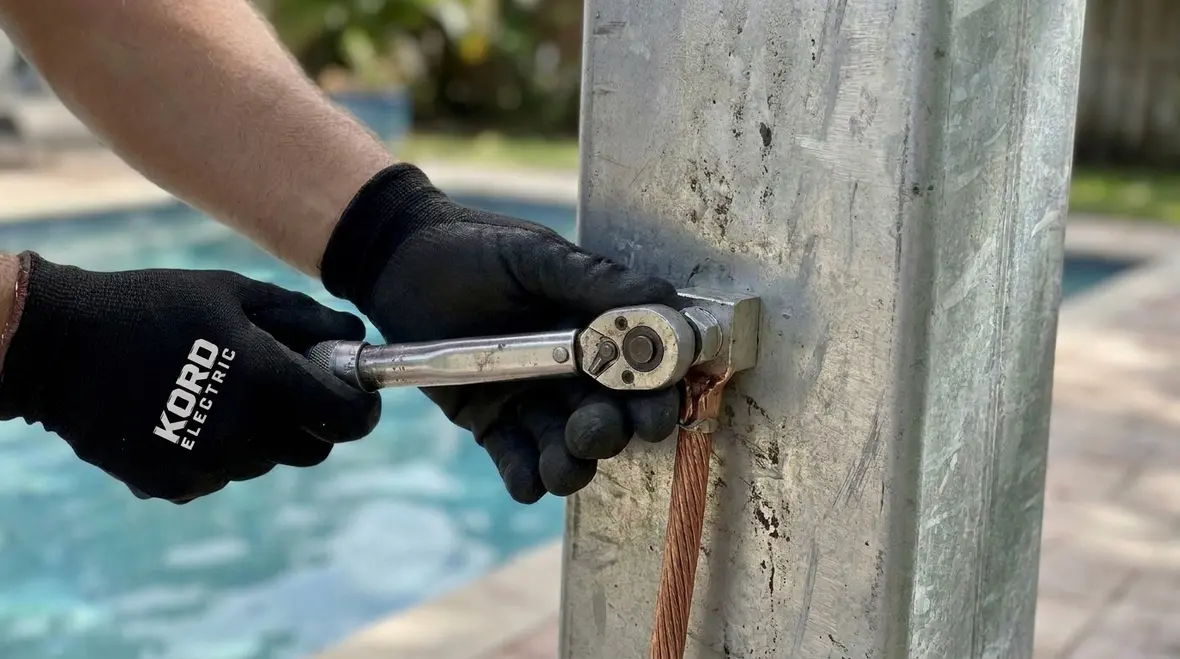
Many teams focus on the visible parts of a wiring plan and forget the invisible safeguards that prevent shock and equipment damage. However, grounding and bonding matter because they manage fault current paths. In other words, they help ensure protective devices operate correctly when something goes wrong. Around indoor wading pools, where people may stand in a thin film of water while touching handrails or nearby metal, that correct operation is the difference between a nuisance trip and a preventable injury.
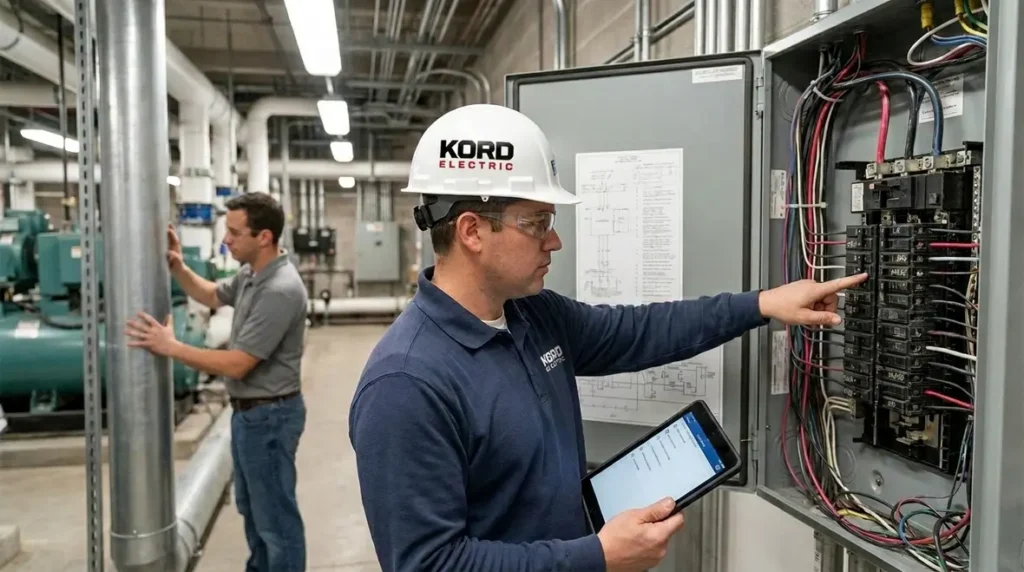
In large facilities, we also account for how electrical systems interact across floors and zones. Therefore, our expert service staff reviews grounding and bonding continuity, conductor sizing, and connection integrity. We also verify that protective devices coordinate with the load characteristics of pool equipment and any related controls. That includes looking at GFCI protection, overcurrent devices, and coordination with upstream breakers so the right device responds first when something fails.
Then we move to protection. That includes how the system limits risk in damp environments and how it responds to abnormal conditions. If a circuit faults in a wet zone, you want the right device to trip reliably, not slowly, not inconsistently. We test and document so the protection strategy stays dependable over time. And if you have ever seen a “mostly working” protection setup, you know it is like a sitcom plot twist. Funny for the audience, disastrous for the building.
Documentation, inspection readiness, and how we keep projects on schedule
Compliance is not only about installation. It is also about documentation and inspection readiness. Since we serve commercial and industrial facilities, we know teams often face tight construction windows and multiple trades. So we build an organized path for approvals. Our planning draws on both project specific needs and the way NFPA 70 is structured, so inspectors can trace how the NEC Section 680.43 wading pool indoor wiring choices connect back to the relevant code sections and to the rest of the building.
Our workflow typically includes design review, site walk-through, and coordination with mechanical, plumbing, and general contractors. Then we prepare clear deliverables like as built notes, wiring method details, labeling guidance, and inspection support materials. We also explain the “why” behind decisions so stakeholders can approve them confidently. That way, when the inspector arrives, the narrative is simple: here is what we built, here is the protection strategy, and here is how it aligns with Article 680 and the rest of the NEC.
Additionally, we align the work with reputable guidance and safety resources, including national NEC discussions published in industry channels like Kord Electric and Kord Fire content. We also review how similar standards get applied in practice so we anticipate common issues before inspectors find them. In short, we prevent surprises. And in the world of commercial construction, surprises are rarely the good kind. If anyone tells you otherwise, they are selling something.
Working with NFPA 70 updates and related guidance
The NEC sits inside a wider ecosystem of electrical safety rules, including updates under NFPA 70. As codes evolve, we stay current so our clients avoid outdated designs and costly changes. We treat updates as a planning requirement, not an emergency event. That means we read the new editions with an eye toward practical installation, not just marking up a book and hoping someone remembers the changes later.
When teams ask about future compliance, we evaluate what matters for their facility now. That means we review how new or clarified provisions may affect equipment selection, wiring methods, and protection strategies. We also support planning for inspections by mapping changes to installation steps. If a new requirement touches the kind of indoor wading pool layout you are considering, we flag it early so the drawings, specifications, and field work all point in the same direction.
Since we focus on commercial and industrial properties and major building projects, we prioritize consistency across large systems. That includes how pool area wiring interfaces with building power distribution and controls. In a facility, one incorrect assumption can ripple through the project. Our goal is to reduce that ripple by designing with code intent, practical construction, and long term maintenance in mind.
NEC Article 680 and water safety: practical steps for owners and builders
Owners and builders often ask what they can do to improve outcomes during a pool area electrical project. We tell them to start early and keep choices linked to safety goals. Here is how we typically guide teams, especially when NEC Section 680.43 wading pool indoor wiring becomes part of a broader renovation or new build scope that also includes lighting, HVAC, and distribution work.
Step 1: Define scope and boundaries to confirm which areas need special wiring methods and protection.
Step 2: Build a wiring plan that matches the hazard so wet zone exposure gets handled properly.
Step 3: Verify grounding, bonding, and protective device behavior so faults get cleared quickly and safely.
Step 4: Coordinate installation details so routing, access, and connection points support safe operation.
Step 5: Prepare inspection support early so reviewers can confirm compliance without delays.
| Design focus | Field execution |
| Define wet area boundaries and equipment locations | Route conductors with protection against damage |
| Select wiring methods and equipment that match hazard | Keep connections in the right locations |
| Confirm protection strategy for fault clearing | Test continuity and verify trip behavior |
| Document compliance details for inspectors | Label, record, and support as built updates |
FAQ about NEC 680.43 and indoor wading pool wiring
Get compliant with Kord Electric before the inspection clock starts
If your project includes a wading pool, fountain, or water feature in a major commercial or industrial building, we recommend you plan electrical safety early. Kord Electric brings expert service staff who translate NEC requirements into buildable steps, so your wiring design fits real site conditions. We support coordination, documentation, and field verification that help reduce delays and rework. For facility teams across the region, especially those planning complex upgrades, our Los Angeles County electrical services offering connects this Article 680 thinking to the rest of the building’s distribution, lighting, and critical systems work.
When NEC Section 680.43 wading pool indoor wiring appears in your drawings, it is a signal that the project needs focused attention, not a line item you casually check off the week before inspection. Our team can step in at planning, during construction, or as part of a pre inspection review to verify that conductors, raceways, protection, and documentation all line up. Contact us now to review your scope, confirm wiring and protection details, and move forward with confidence.