NEC Section 680.45 Immersion Pool Wiring Safety Planning
How NEC Section 680.45 immersion pool wiring fits into 2026 safety planning
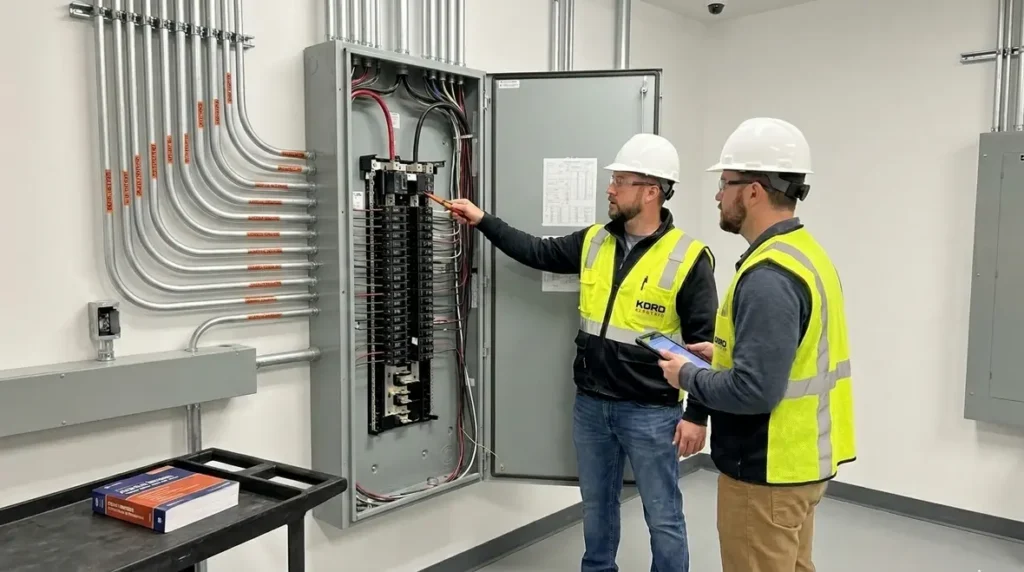
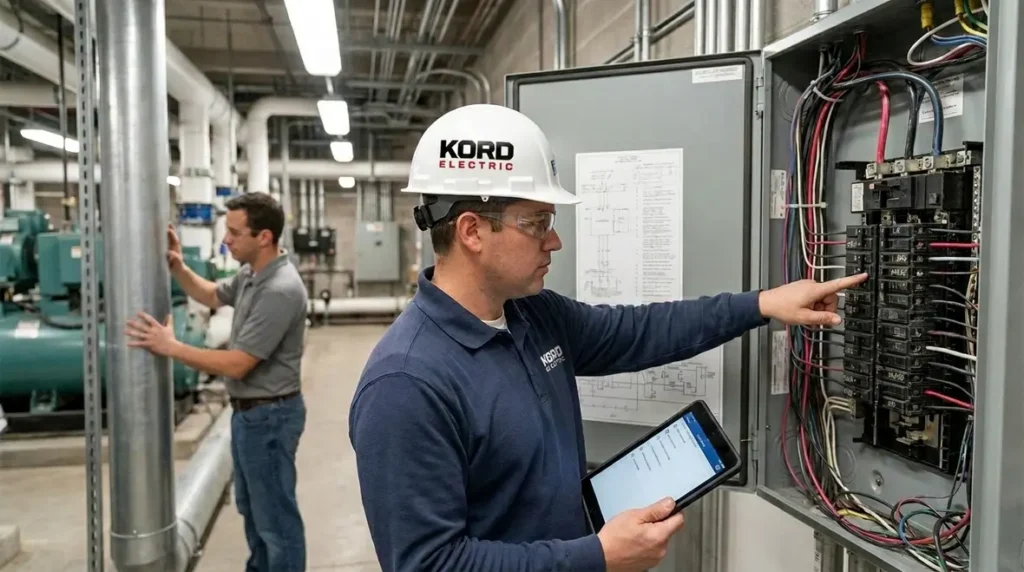
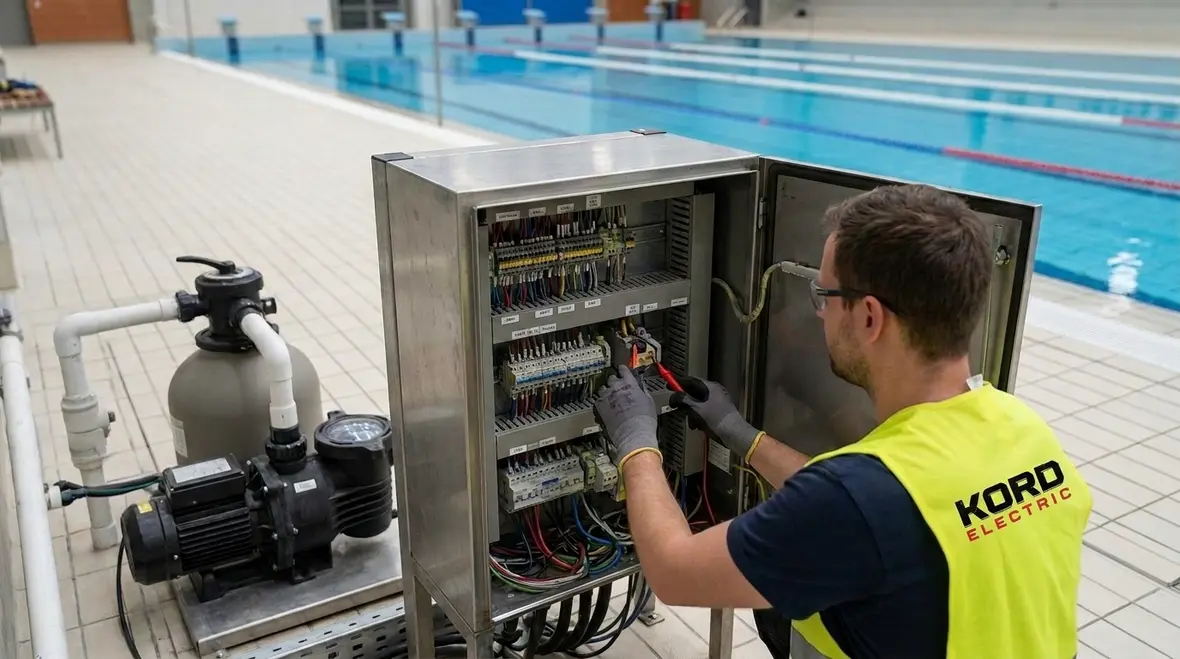
When a commercial or major property team plans a new pool, a renovation, or a safety upgrade, we treat NEC Section 680.45 immersion pool wiring as more than a code reference. In the first place, it guides how power, circuits, and protection work for pool and spa areas where people are near water and grounded surfaces. Next, it helps us avoid the “looks fine on paper” trap that can turn into real downtime and costly repairs later. Our role at Kord Electric is to explain the rules in plain business terms, then build and verify the system so it performs safely over time. And yes, we also tell our team to keep things neat, because inspectors have a sense of humor, and it usually involves checklists.
Our technicians and expert service staff walk clients through what the 2026 expectations mean for electrical design, inspections, and maintenance schedules. Therefore, you get practical guidance, not mystery. In this article, we focus on how the National Electrical Code, and especially pool related requirements, shape safe wiring decisions for commercial and industrial facilities. For a broader view of how the NEC shapes electrical work beyond pool systems, our team also shares practical guidance in our 2026 National Electrical Code overview, which connects code intent to day to day facility decisions.
Why the 2026 NEC and pool electrical rules matter to commercial sites
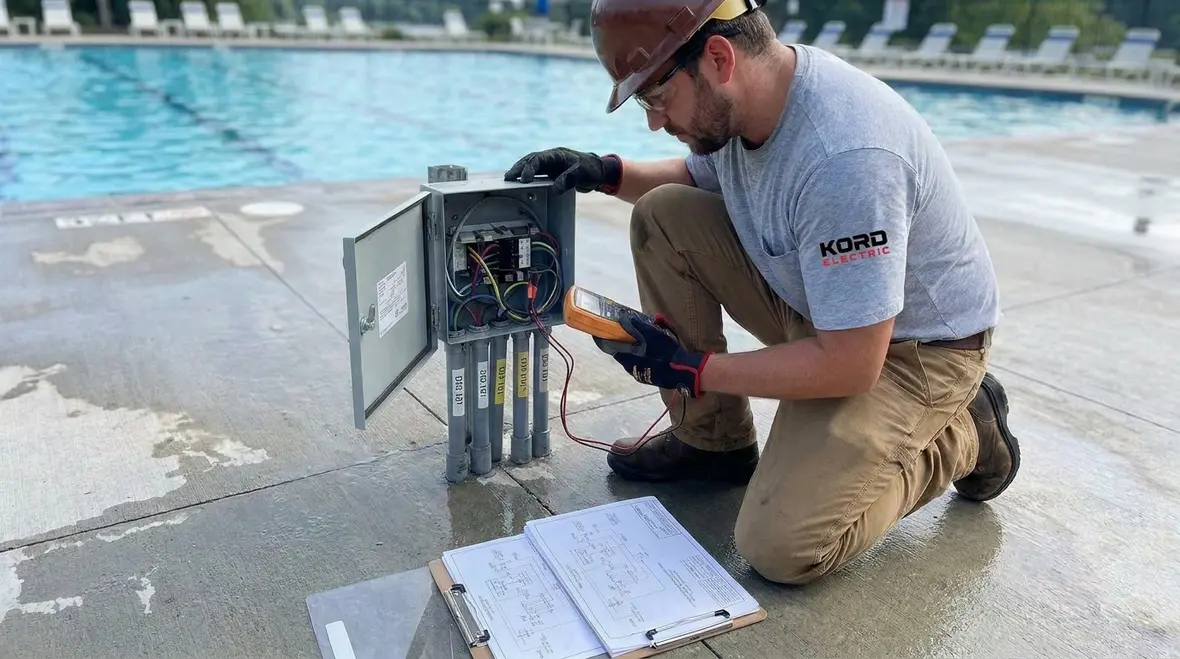
The NEC is not written for “maybe it works.” It is written for real conditions: wet locations, people moving fast, and equipment that never truly rests. For commercial and industrial facilities, pool systems often serve hotels, apartment towers, corporate campuses, and large mixed use buildings. As a result, the electrical system needs to handle frequent use, varied load profiles, and quick response when something fails. We see this clearly in the field because our technicians test, troubleshoot, and document what they find, not what they hope is happening.
Now, in the broader view, the NEC updates aim to reduce shock hazards and fire risk. That includes clearer product and wiring method expectations. Moreover, the NEC pushes designers and installers to think about ground fault protection, correct circuit routing, and how equipment stays safe when the environment gets damp. If your pool area feels like a high risk zone, it is. Water plus electricity is like putting tech support on a Friday night: it can go wrong fast, and it rarely goes wrong politely.
For facility owners and managers, these rules also tie directly into inspections, insurance, and long term budgeting. A design that barely clears an inspection once can struggle later when usage changes, loads grow, or equipment ages. That is why in our broader safety work, such as the checklists we use for new buildings, we align pool electrical decisions with the same disciplined approach we apply across the rest of the power system.
What NEC compliance expects for immersion equipment and nearby circuits
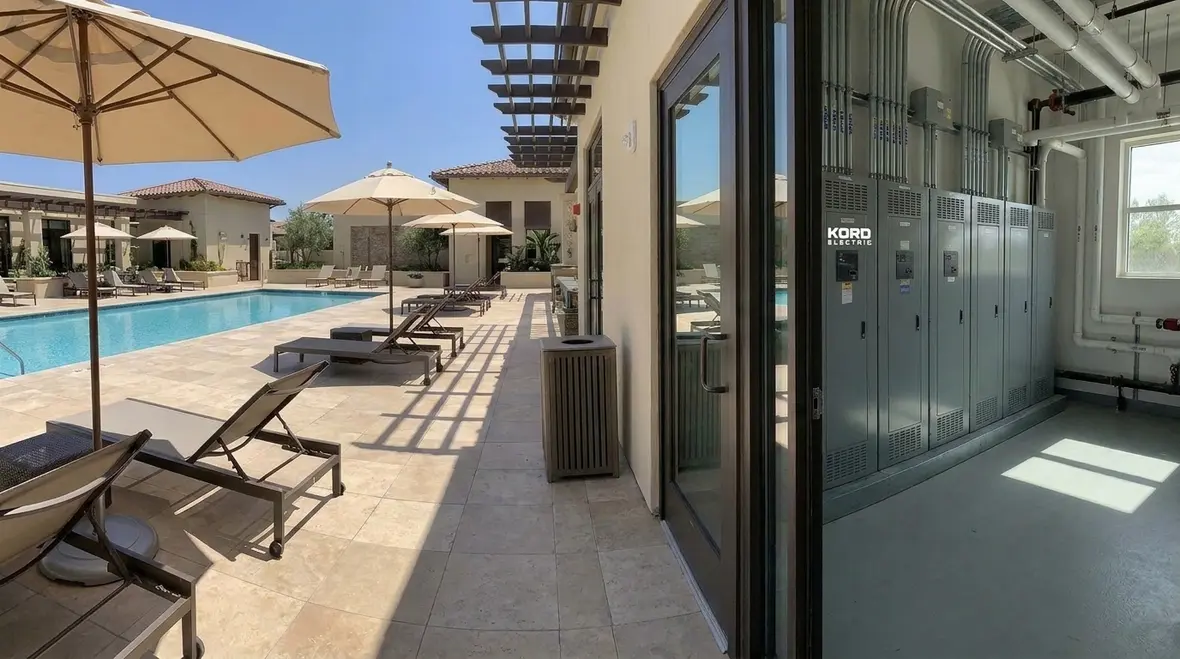
When we plan pool and spa electrical work, we do it with a systems mindset. First, we review the equipment list: pumps, heaters, lights, controls, and any immersion type devices that connect near the pool environment. Then we map how power feeds each component, where conductors run, and how protection devices coordinate. After that, our expert service staff verifies the install against the relevant NEC requirements, including the discipline around wiring methods in the pool area.
For immersion pool wiring, compliance typically focuses on how the circuits are arranged and protected, along with how wiring stays safe in a wet location. In practice, that means we pay close attention to device placement, the use of proper protection, and the separation of circuits where it helps reduce risk. Additionally, we confirm that the chosen equipment is suitable for the conditions and that installation details match the intent of the Code.
We also consider ongoing service. A pool facility changes over time. Filters get replaced. Controls get updated. Tenants arrive and leave. Consequently, we build documentation into the job so maintenance teams can find circuits and equipment without guessing. That is not just “nice.” It is how you prevent repeat failures and speed up restoration after a fault.
In our broader work on data driven design and emergency power planning, we have seen how small disconnects between intent and field reality create long term headaches. The same lesson applies with NEC Section 680.45 immersion pool wiring: the closer the match between drawings, installed work, and documentation, the easier it is for future teams to keep people safe and systems stable.
How our technicians follow wiring and protection best practices
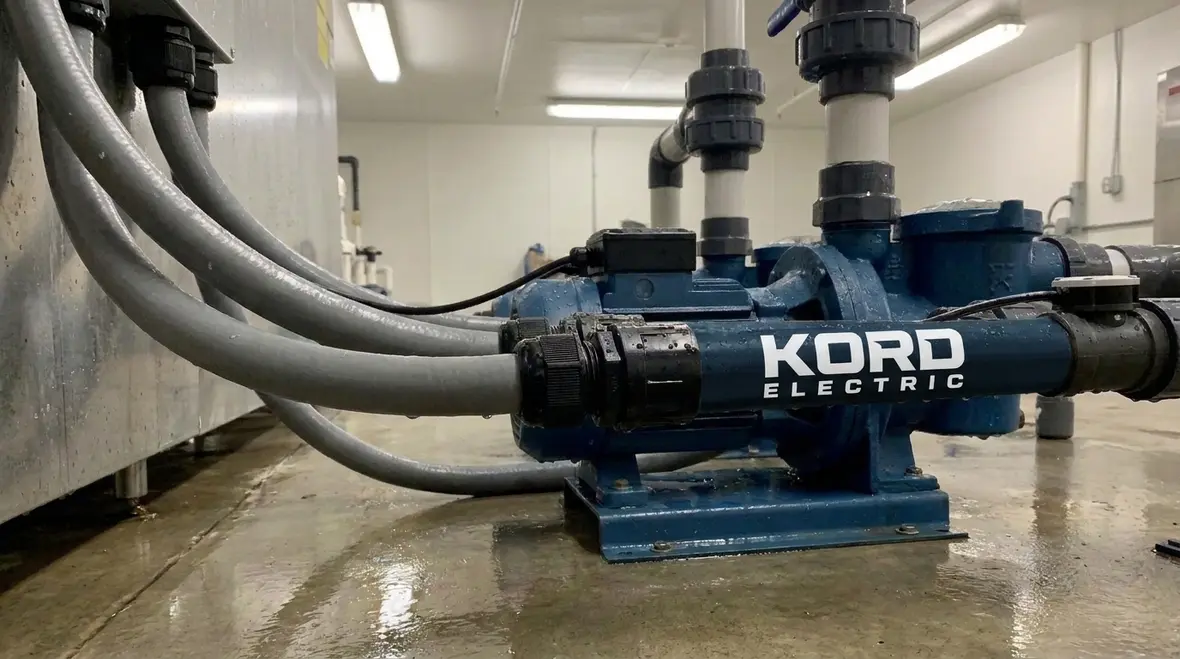
At Kord Electric, our technicians approach these projects in a steady, step by step way. We start with a site review, then confirm the electrical one line and equipment schedule. Next, we check how wiring routes through ceilings, mechanical rooms, and exterior areas, and we verify that installation keeps conductors protected from damage. From there, we coordinate protection devices so the system trips when it should, and does not trip when it should not. That coordination matters in commercial settings, where a nuisance trip can shut down guest access and require fast service calls.
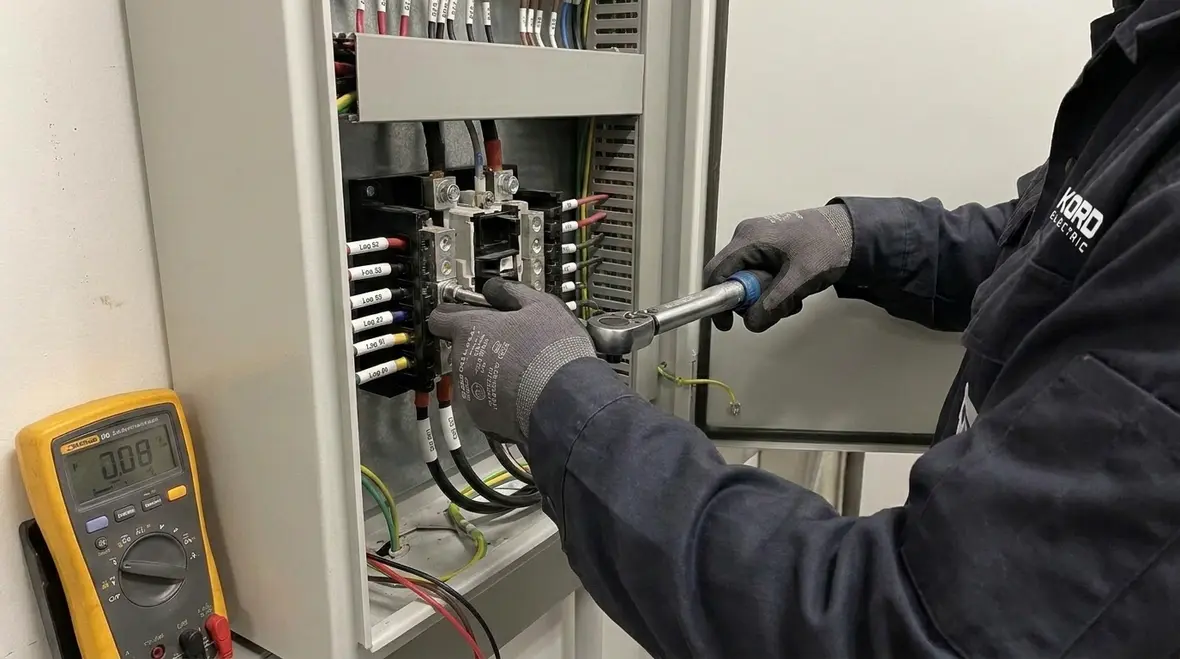
Now let us talk about workmanship. Our team uses proper terminations, torque practices, and labeling so circuits remain traceable. We do not treat labeling like an afterthought. It is part of safety and speed. If a technician cannot identify a circuit in the middle of an emergency, the building does not just lose power, it loses time. And time is money, even when the “free” fix would be paid for later.
Finally, we support verification. We perform field checks and help the client align documentation with inspection needs. If you operate under a larger compliance framework, we can also support how your facility records align with the installation. Fire and electrical safety teams care about this alignment, and we do too.
Our field process for immersion pool circuits follows the same evidence based approach we use in troubleshooting commercial electrical systems elsewhere in the facility. We are not guessing when a breaker trips near the pool; we are measuring, documenting, and tying the behavior back to code requirements and real operating conditions.
Design coordination for fire, electrical, and building teams
Commercial and major property buildings rarely run as one department. Electrical contractors work alongside building engineers, fire protection teams, and sometimes facility operations. Therefore, we make coordination part of the workflow, not a last minute scramble. In our experience, immersion pool wiring projects go smoother when everyone shares the same plan early: electrical layout, equipment locations, and protection approach.
At Kord Fire and Kord Fire Pumps, the fire side focuses on safe system integration, and that perspective matters. When electrical and fire protection teams plan together, the building can meet safety goals without one system undermining the other. For example, clear labeling, correct routing, and consistent documentation help both electrical service and fire teams during routine checks and after incidents.
Also, in major property projects, the facility manager often needs a simple maintenance path. We help by providing the “how to keep it running” view, not just the “how to install it” view. Then our expert service staff can explain what to inspect, how often, and what signs indicate a need for service. That reduces reactive repair and supports stable operations.
Because immersion pool areas sit at the intersection of life safety, guest experience, and building infrastructure, we treat design meetings as a place to connect dots, not just to compare drawings. That same coordination philosophy shows up in our other projects, from automated lighting controls to emergency power design, and it applies just as strongly here in NEC Section 680.45 immersion pool wiring work.
Common installation mistakes we see and how we prevent them
Even strong teams can get trapped by details that look small until they fail. Here are mistakes we often see, and how we prevent them in our commercial work.
- Incorrect circuit assumptions: Teams sometimes reuse feeder assumptions from other wet areas. We confirm circuit intent, protection, and routing for the pool environment.
- Weak documentation: If the as built drawings do not match reality, maintenance teams struggle. We require clear labeling and record updates.
- Improper equipment suitability: A device that works in a dry mechanical room may not be right near water. We verify equipment ratings and installation context.
- Protection settings that do not coordinate: A system that trips too easily becomes a nuisance. We coordinate protective devices and test behavior so faults get handled correctly.
- Routing that exposes conductors to damage: Pool areas bring splash, corrosion risk, and frequent access. We use wiring methods that stay protected, and we manage routes to reduce wear.
We explain these issues in plain terms during site walks. That is how we earn trust and keep projects moving. And if you are thinking, “We will handle it later,” we understand. However, in electrical safety, “later” often shows up wearing a problem that cannot be ignored.
On the design side, we use the same disciplined mindset that powers our data driven electrical design work: gather real information, test assumptions, then build a plan that can survive actual usage. When you apply that mindset to NEC Section 680.45 immersion pool wiring, you catch most of these mistakes before they ever show up in concrete or conduit.
FAQ about NEC rules and commercial pool wiring
Plan ahead with Kord Electric for safer, inspector friendly pool electrical work
Commercial pool electrical work should feel controlled, not chaotic. We help you plan, install, and verify wiring that aligns with NEC expectations, including the safety goals behind immersion pool requirements. Our technicians and expert service staff explain details clearly, then document the project so your facility team can maintain it with confidence. If your site is building new, updating equipment, or preparing for inspection, contact Kord Electric and let us map the right approach early. You will reduce risk, protect uptime, and move faster when it matters.
If your property sits in or around Southern California, our Los Angeles County electrical services team can integrate NEC Section 680.45 immersion pool wiring into a broader plan for distribution, lighting, and emergency power. That way, the pool area becomes one more reliable part of your system, not the source of recurring surprises.
Whether you are coordinating with building engineers, fire protection partners, or corporate risk teams, planning early keeps your pool projects calm. Our role is to bring code knowledge, field experience, and practical communication to the same table so your next inspection feels like confirmation, not a suspense scene.