
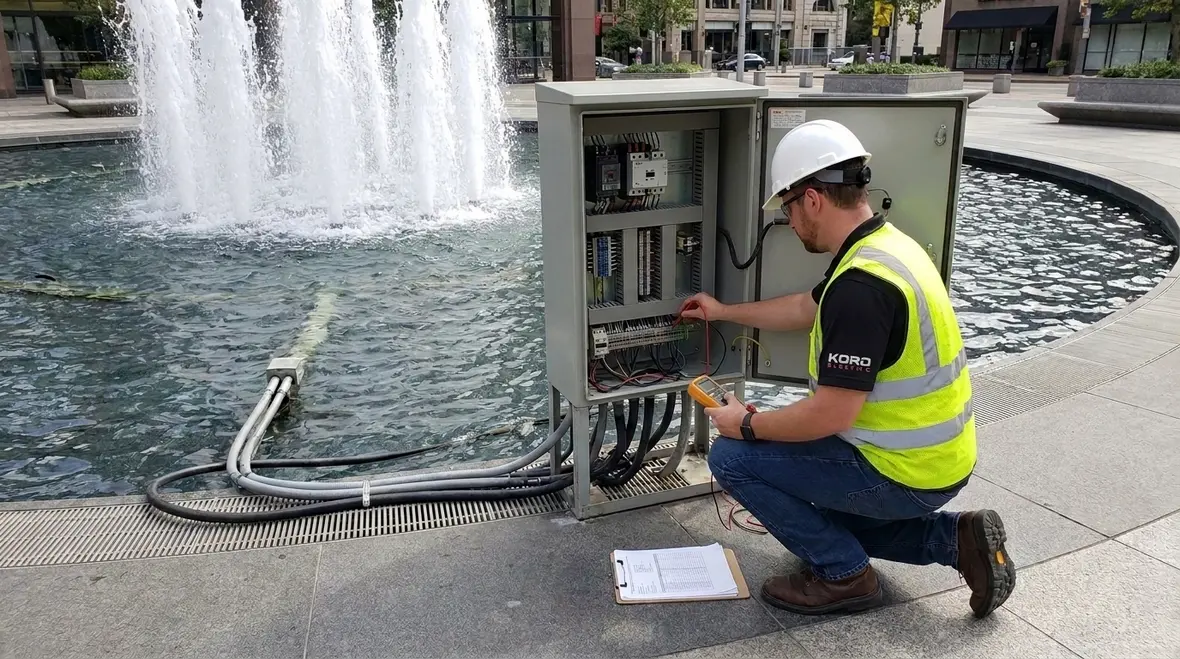
NEC Section 680.51 Fountain Submersible Equipment Guide
NEC Section 680.51 and why Kord Electric starts here
When a facility runs pumps, lighting, and control systems near water, the rules must feel less like mystery and more like a roadmap. That is exactly why we begin with NEC Section 680.51 fountain submersible equipment early in every planning conversation at Kord Electric. In the first 100 to 150 words, we make this point plainly: the code addresses how certain submersible devices get installed and protected so people, property, and operations stay safe. And yes, we know the word “submersible” makes some folks picture James Bond. Still, we treat it with the seriousness it deserves.
In this article, our team explains the NEC in a practical way for commercial and industrial facilities and major property buildings. We focus on what your electricians and project leads need to know, without the fluff. Plus, our expert service staff will help you connect the dots between code language and real field conditions.
What the NEC really does for commercial jobs
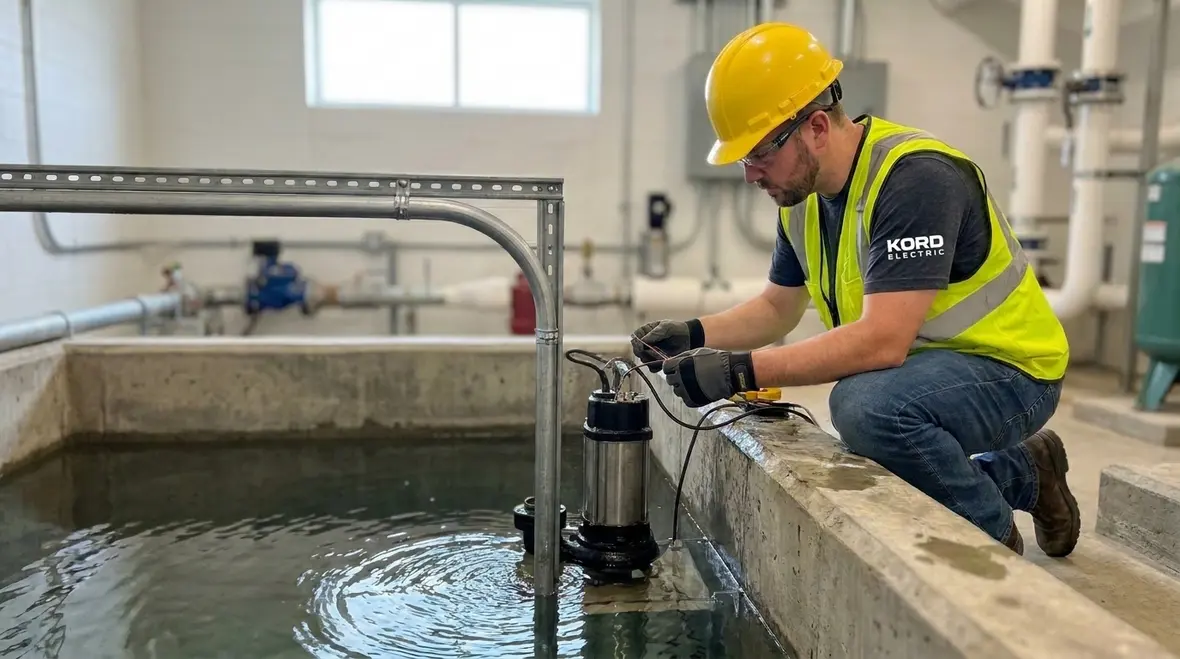
The NEC, which many people call the National Electrical Code, sets requirements for electrical installations across the United States. However, it does not only exist to make inspectors happy. Instead, it helps us design systems that reduce shock risk, limit fire spread, and keep critical equipment working when conditions change. Therefore, we use the NEC as a baseline and then we apply it carefully to your site.
For commercial and industrial work, the stakes rise quickly. You might manage downtime penalties, safety reporting, and maintenance windows. As a result, we treat NEC compliance like an operational advantage, not a paperwork chore.
We also remind others in the industry that code requirements do not live in a vacuum. When you connect wiring methods, grounding, bonding, and overcurrent protection across the same job, the decisions stack up. If you skip one part, the whole system can become a risk. So our technicians build the design in a way that holds together from day one.

How NEC fundamentals shape your water and pump systems
Water adds challenges that dry spaces do not. That is true whether you deal with fountain systems, wet wells, or submerged pump setups. Consequently, we plan for moisture exposure, corrosion risks, and potential contact hazards. When we review equipment like NEC Section 680.51 fountain submersible equipment, we look for how the equipment gets rated, how it connects, and how the electrical pathway stays safe.
Additionally, we coordinate the electrical design with facility realities. For example, maintenance crews need access. Likewise, operations teams need the system to run reliably through wet seasons and heavy use. Therefore, we explain the “why” behind the requirements. Our expert service staff often tells clients in plain language: the goal is to interrupt danger fast and keep fault energy from turning into a bigger problem than the original failure.
Sometimes this is where people make jokes to cope. Like, “Nothing bad ever happens to pumps, right?” Then the pump fails during peak demand. So we remove that surprise by following the code and documenting decisions clearly.
Technician walk through: protecting people, wiring, and uptime
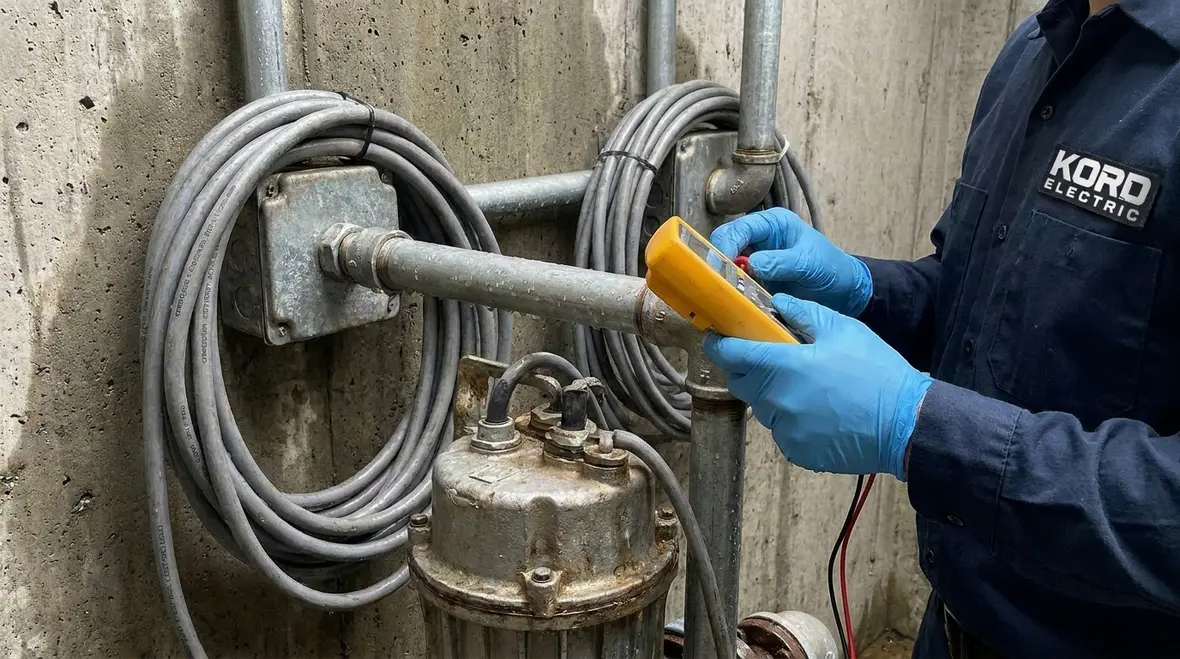
At Kord Electric, our technicians do not treat compliance as a checklist. We treat it as a sequence of decisions that keeps equipment safe and keeps your facility running. First, we identify the installation type and the environment. Then we validate equipment ratings and confirm wiring and protection methods match the application.
Next, we focus on the interface points that often drive issues: terminations, junction locations, cable routing, and protective devices. After that, we review grounding and bonding paths and confirm they stay continuous and correct across the system. Finally, we document everything so future troubleshooting does not turn into a treasure hunt.
If your facility uses fountain and pump systems, the install details matter. For example, your team needs to understand how the power supply interacts with the equipment, how protection controls fault conditions, and how the installation supports long term service. Our technicians explain these points directly, and they translate code requirements into field steps. When something feels unclear, we pause and clarify rather than rushing to “just pass it.”
Also, we work with partners and references across the industry. Fire and electrical safety guidance matters when you build and maintain systems. That is one reason we stay aligned with the broader safety discussions found through Kord Fire resources and organizations like firepumps.org, where practical pump and fire life safety conversations overlap with electrical safety.
Where 680.51 shows up in real site planning
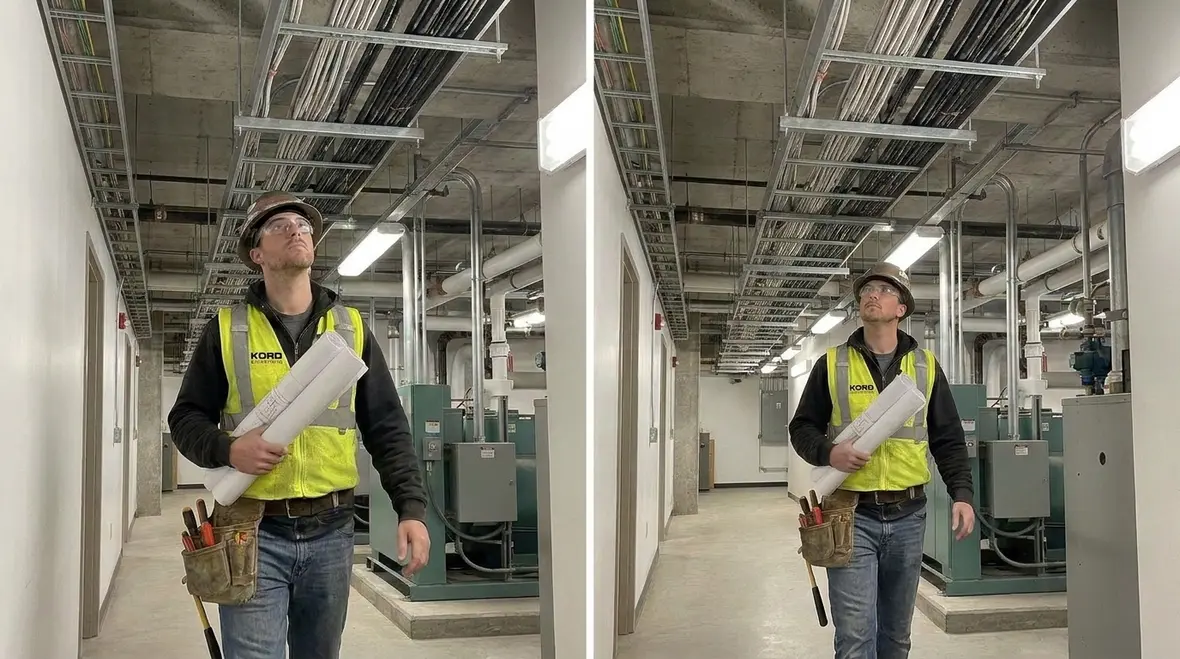
In real projects, NEC provisions do not sit on a page. They show up in your site plan, your one line diagram, your wiring layout, and your equipment specification. Therefore, when we discuss NEC Section 680.51 fountain submersible equipment, we talk about how teams handle submersible installs around wet features.
We see common decision points in commercial and industrial builds. Your design team selects equipment that matches the intended environment and duty cycle. Then you decide how wiring gets protected and routed. After that, you plan how the installation avoids exposed live parts in wet conditions. Finally, you schedule verification steps before energizing and again during commissioning.
To make this easier, we often present a simple flow to others on the project. First, define the equipment and environment. Second, confirm the product and installation method align with the code intent. Third, specify the protective measures and installation details. Fourth, verify the work through commissioning and testing. That flow prevents “last minute surprises,” which are the electrical equivalent of finding out your costume is missing the hat at the party door.
Compliance in layers: coordination with code updates and fire safety
Electrical code work does not exist alone. Your facility may also require alignment with fire protection strategy and broader life safety goals. That is why we keep our process layered. We coordinate electrical design requirements with safety expectations, and we ensure the installation supports both normal operation and fault conditions.
In practice, we look at system behavior when a fault occurs. That includes how devices detect abnormal conditions and how quickly protective measures respond. Additionally, we consider how equipment enclosure design, cable routing, and termination quality affect safety outcomes.
We also follow how the NEC gets discussed and updated, especially as the industry prepares for the 2026 cycle. When code language evolves, we help teams interpret impacts in plain terms, then we translate that into design changes on active projects. Our goal remains consistent: keep you compliant while reducing risk to people and assets. If your facility supports major public access areas, the margin for error gets smaller. So we build conservatively.
And because our clients operate under real timelines, we keep communication clear. We explain options and tradeoffs before construction. That way, procurement can act confidently and field crews can install without confusion.
How Kord Electric supports your team from design to commissioning
We serve commercial and industrial facilities and major property buildings. Our approach fits the scale and the schedule pressures of those projects. From the beginning, we collaborate with your electrical contractor, engineering staff, and facility leaders. Then we confirm that installation details reflect NEC requirements for wet environment applications.
We also focus on documentation and training. When our technicians close out a project, we ensure your operations team understands key maintenance points, testing expectations, and what signs to watch for in the field. That matters because real uptime comes from good follow through, not only from a clean first inspection.
If you want context on broader electrical and fire safety guidance, we point clients to Kord Fire resources at kordfire.com.au as well as the safety community at firepumps.org. We do not send you on a scavenger hunt. Instead, we use those references to strengthen our practical approach, then we bring it back to your site and your system.
For teams who want a broader NEC overview alongside Section 680.51 discussions, we often recommend reviewing Kord Electric’s companion article, Understanding NFPA 70: The National Electrical Code Explained for 2026, which links individual sections back to the bigger design and safety picture.
FAQ
Call Kord Electric for a safe, code driven plan
If you manage a commercial or industrial facility, you cannot afford “close enough” decisions around water and submersible equipment. We at Kord Electric help your team interpret NEC expectations, coordinate the install details, and verify safe operation from design through commissioning. Reach out so our technicians and expert service staff can review your application, identify risks early, and keep your project moving. Let us turn code complexity into calm, clear next steps your team can trust.
For facilities across the region that need structured field support, our dedicated Los Angeles County electrical services team brings together inspections, upgrades, and commissioning so your fountain, pump, and wet location systems stay aligned with NEC Section 680.51 fountain submersible equipment requirements and the rest of your electrical infrastructure.


