NEC Section 690.2 PV Equipment Listing for Solar Safety
At Kord Electric, we help commercial and industrial facilities keep power systems safe, clear, and code compliant. And yes, we do it with calm confidence, not the chaos of a server room at 2 a.m. In this guide, we explain the National Electrical Code approach to solar PV safety and how it connects to NEC Section 690.2 PV equipment listing. In other words, when a PV system uses equipment that appears on an approved listing, the risk drops and the inspection conversations get shorter. Our expert service staff walk you through the details, because electricians should explain, not just replace parts. And before anyone asks, no, code compliance is not a “nice to have.” It is how facilities avoid downtime, failed inspections, and the kind of surprises that make managers lose sleep.
What the NEC expects from commercial solar power systems
Commercial and industrial projects run on schedules, budgets, and accountability. Therefore, the NEC becomes more than a book on a shelf. It acts like a safety blueprint that tells the design, installation, and inspection teams how PV systems should behave under normal and fault conditions. Meanwhile, the code also pushes equipment quality, installation methods, and labeling practices into the spotlight.
We also see that many facilities want clarity. So our technicians break the system down into practical parts: PV module and inverter requirements, wiring and raceways, grounding and bonding, labeling, and overcurrent protection. Then we align those parts with inspection expectations so your project moves forward without needless back and forth. If the NEC treats PV as a “special case,” we treat it as a “managed process.”
Finally, we point out a key idea: the NEC does not ask for perfection in paperwork alone. It asks for safe, repeatable installation choices that inspectors can verify on site.
How NEC Section 690.2 PV equipment listing reduces risk
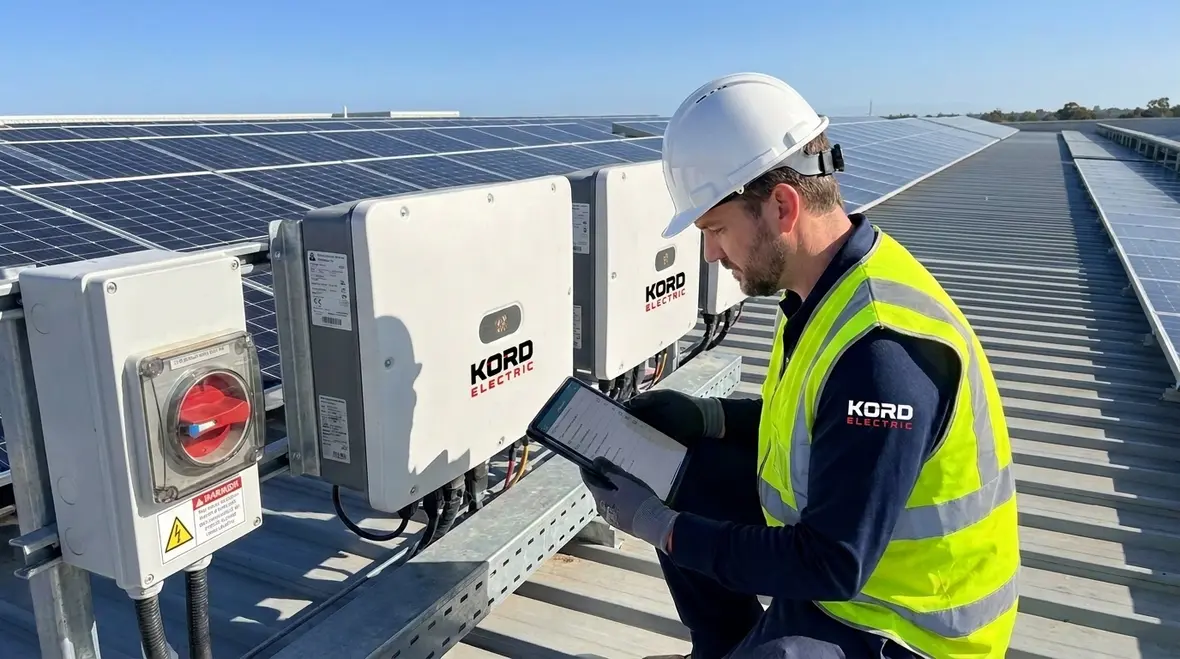
When a facility installs solar, the equipment must meet recognized standards. That is why NEC Section 690.2 PV equipment listing matters. It requires PV modules, inverters, and related components to be listed for their intended use. As a result, inspectors can look at products that have been evaluated, and owners can trust that those components meet test and performance expectations.
Now, here is the real-world impact. If equipment is not listed, you may face delays, failed inspections, or expensive rework. Worse, the system could behave unpredictably during abnormal conditions. Of course, no one wants a PV array that works perfectly until the day it does not. Our expert service staff explain this with simple logic: listed equipment is like a tested ingredient in a recipe. Unlisted parts are like improvising with mystery powder. Sometimes it tastes fine. Usually it does not.
For commercial projects, we confirm documentation early. Then we coordinate with the rest of the electrical scope so the entire PV system supports the same safety intent. That includes making sure wiring methods and terminations align with manufacturer guidance and code rules. In the end, we help you avoid the situation where one “almost correct” component turns a whole project into a long, expensive lesson.
Equipment labeling, documentation, and inspection readiness
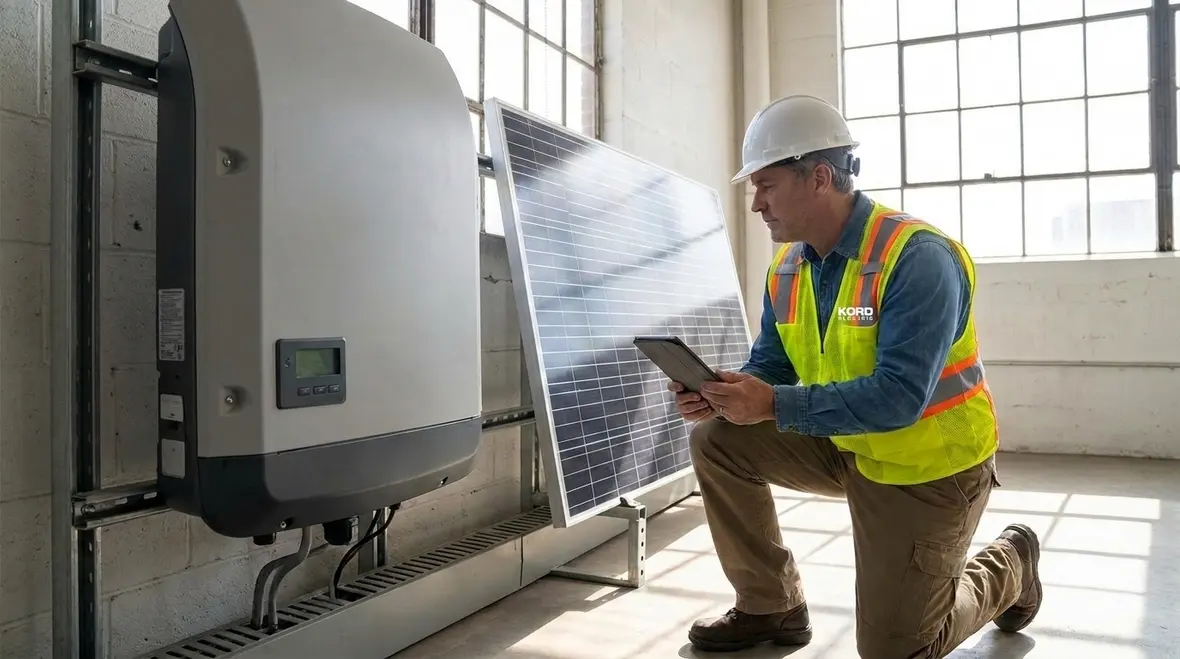
Inspection readiness is not just paperwork. It is how systems communicate their purpose and boundaries to the people who verify them. Therefore, we focus on labeling, documentation, and traceability from day one. Our technicians review submittals, verify that the installed hardware matches the listing information, and check that labels and markings support safe operation.
To keep this practical for facility managers, we cover the items inspectors typically look for on commercial and major property buildings. Then we confirm those items align with the NEC approach and the equipment manufacturer requirements. For teams that want a broader context on how the National Electrical Code shapes these expectations, we often recommend pairing PV planning with resources like our internal guide on the National Electrical Code and related Kord Fire content to keep the bigger picture clear across your electrical projects.
Common readiness checks we help coordinate
- Product listing match between approved submittals and final installed equipment
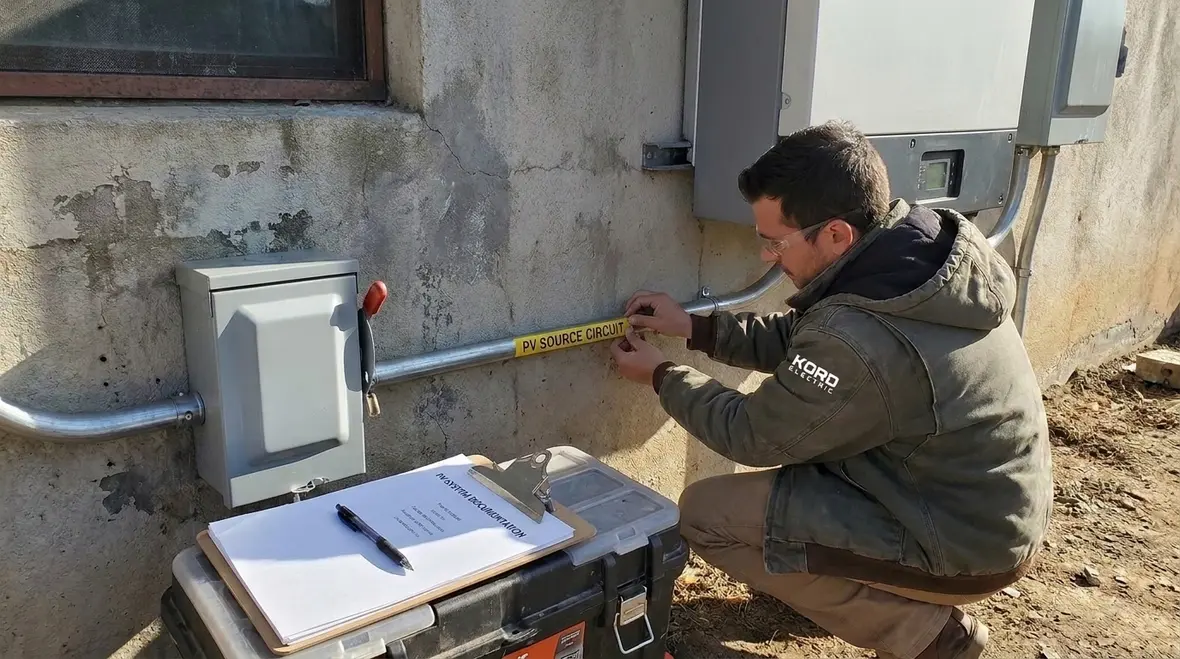
- Clear system labeling that identifies PV source circuits, disconnects, and relevant electrical markings
- Conductor and connection verification at terminations, including correct wiring methods and consistent documentation
- Grounding and bonding alignment with project drawings, manufacturer guidance, and code intent
- Field evidence that supports inspection questions, including organized notes and testing records when required
Meanwhile, we keep communication steady with your team. We explain what we see and why it matters. That way, your project does not stall because someone only learned about a mismatch after the inspector showed up.
PV wiring, protection, and grounding that actually hold up
After equipment listing comes the next major phase: the electrical design and installation choices that support safe operation. So we help teams implement the wiring, protection, and grounding strategies that the NEC expects for PV systems. The goal is straightforward: when power moves, it should do so safely, and when faults happen, protection should respond reliably.
Our technicians focus on the “chain of safety.” If one link fails, the system suffers. Therefore, we pay attention to proper conductor sizing, correct routing and raceways where needed, and protective device coordination. We also check that connections stay secure and that installation methods match the conditions the system will face over years of real use.
Additionally, grounding and bonding deserve steady respect. In commercial facilities, PV systems often connect into existing electrical infrastructure that already carries loads and fault paths. As a result, we verify the grounding approach so the system behaves predictably. We also follow the manufacturer guidance and site conditions that influence bonding and termination practices.
And yes, we use plain language when we talk about it. Think of grounding as the system’s safety belt. It does not stop every accident, but it helps prevent the worst outcomes when something goes wrong. If the belt is installed poorly, you learn about it the hard way. We aim to spare you that part.

Design coordination for facility teams and major properties
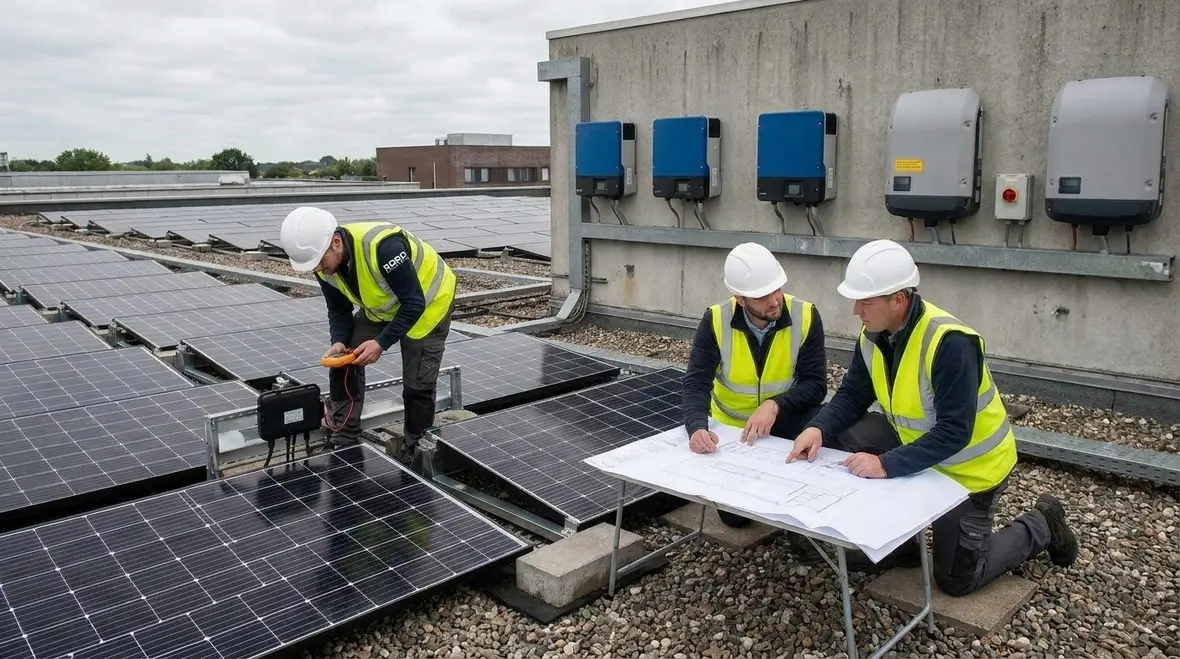
Commercial solar projects involve more than electrical work. Therefore, we coordinate with building stakeholders, general contractors, and other trades so PV installation does not fight the building schedule. Meanwhile, we help align electrical planning with roof design, conduit routing paths, and equipment locations that support both function and inspection access.
At Kord Electric, we treat coordination as a core service for major properties and commercial and industrial buildings. That means we plan how equipment is accessed, how pathways connect cleanly, and how labels land where people can actually read them during inspection or future maintenance. We also plan for clear separation of PV components and other electrical circuits where required to avoid confusion and reduce service risk.
For many owners, the hardest part is balancing speed with safety. So we build the plan so that installations stay steady, crews stay productive, and documentation stays aligned. When we do this well, you get fewer delays. You also get a system that works as intended, not one that becomes a scavenger hunt during troubleshooting.
Common pitfalls we help commercial projects avoid
Even with good intentions, teams can miss key details. Therefore, we point out the pitfalls we see most often on commercial and industrial projects, especially during PV commissioning and pre inspection review.
Pitfall |
What it can cause |
Using equipment that does not match the approved listing |
Inspection delays, rework costs, and questions about compliance |
Unclear labeling at disconnects and PV source circuits |
Slower inspection, confusion during service, and higher troubleshooting time |
Inconsistent grounding and bonding practices |
Unpredictable fault behavior and increased safety risk |
Wiring method mismatches in the field |
Code conflicts and weak installation points that degrade over time |
Missing documentation that links installed work to submittals |
Extra back and forth with inspectors and slower final acceptance |
To be clear, mistakes happen. People get busy. Schedules press. But we do not leave projects to chance. Our technicians review details early, then we verify again before handoff. In short, we keep the system safe, and we keep your team out of avoidable trouble.
NEC and solar safety: how we keep it simple and compliant
When we talk about NEC requirements, we avoid “code theater.” We focus on what matters for reliable commercial solar operation. In that spirit, we connect the core concepts that facilities need to manage: equipment listing, installation methods, protection and grounding, labeling, and documentation. Then we translate those concepts into field checks that crews can follow and inspectors can confirm.
We also support ongoing safety thinking beyond install day. After all, a building lives for decades. So, we help facilities maintain systems in a way that supports safe operation over time, which includes readiness for future service work. Our expert service staff explain what you should expect during maintenance and how to keep equipment records organized. For readers who want a broader foundation on NEC concepts that apply beyond PV systems, Kord Electric also shares guidance in resources like our article on understanding NFPA 70 for 2026, which connects high-level code direction to everyday decisions in commercial and industrial projects.
And if you are wondering whether we follow the broader electrical and fire safety conversation around PV systems, the answer is yes. Many facilities cross paths with fire safety planning, and we respect that coordination matters. We also keep an eye on the broader guidance found in organizations focused on electrical and fire safety, including fire and pump industry resources that support system understanding and risk reduction. The objective stays the same: safe systems, fewer surprises, better uptime.
FAQ
Ready for a PV electrical install that passes inspection the first time?
If you run a commercial or industrial facility and you want solar electrical work handled with care, Kord Electric is ready. We coordinate documentation, equipment listing verification, wiring methods, grounding, and labeling so your project stays calm and compliant. Then our technicians explain what they find, what they fix, and what inspectors will look for. Call us for a code focused review and installation planning that protects your schedule and your staff. Let’s get your PV system built right.
For facility leaders who want their PV work to fit into a larger electrical strategy, Kord Electric also supports broader system design, upgrades, and maintenance across Los Angeles County. Our Los Angeles County electrical services for commercial and industrial facilities help your solar installation connect cleanly with the rest of your power distribution, life safety, and critical operations.
Kord Electric serves commercial and industrial facilities and major property buildings.