NEC Section 690.6 AC Photovoltaic Modules for Commercial Solar
What NEC Section 690.6 AC photovoltaic modules mean for commercial solar
In commercial and industrial projects, electrical code compliance is not a “nice to have” and it is definitely not a last minute scramble. Early in our planning, we focus on NEC Section 690.6 AC photovoltaic modules, because this rule helps define how AC PV modules connect to the electrical system in a safe, consistent way. When we follow the requirements closely, we reduce risk for owners, protect maintenance teams, and help keep permits moving instead of stalling like a slow elevator.
In this article, we explain how NEC concepts apply to real installations. Our approach comes from years of field work and from how our technicians and expert service staff break down code details into practical steps. And yes, we will keep it calm, because nobody wants panic during commissioning. We handle that for you.
NEC and why commercial sites need a tighter electrical plan
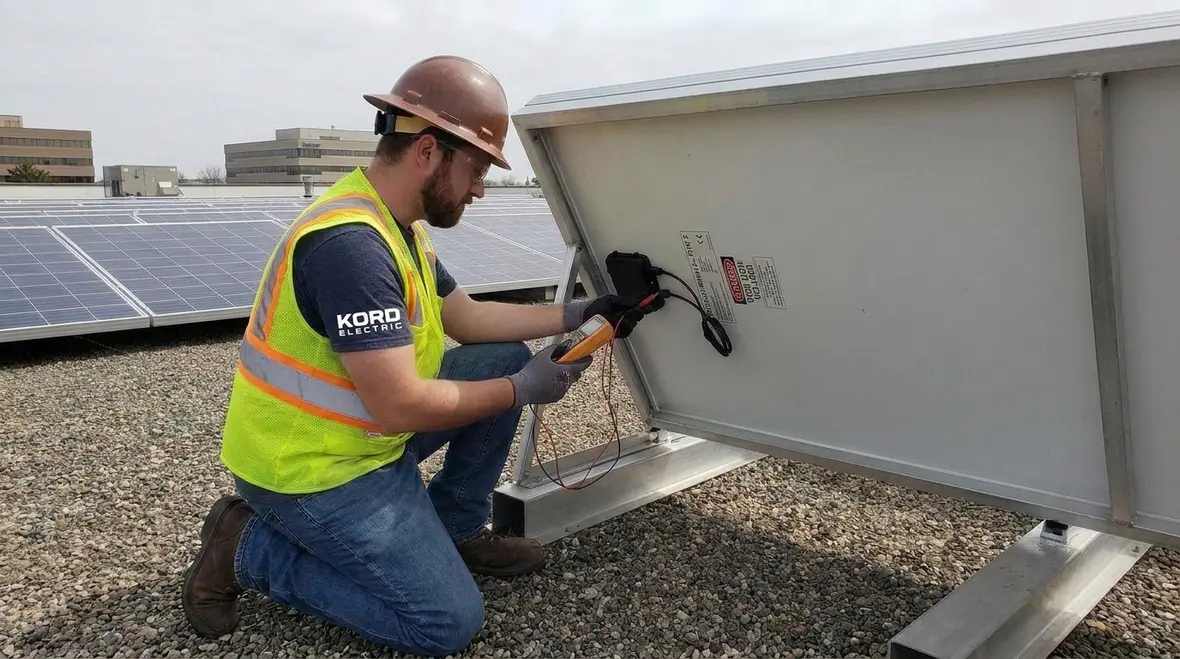
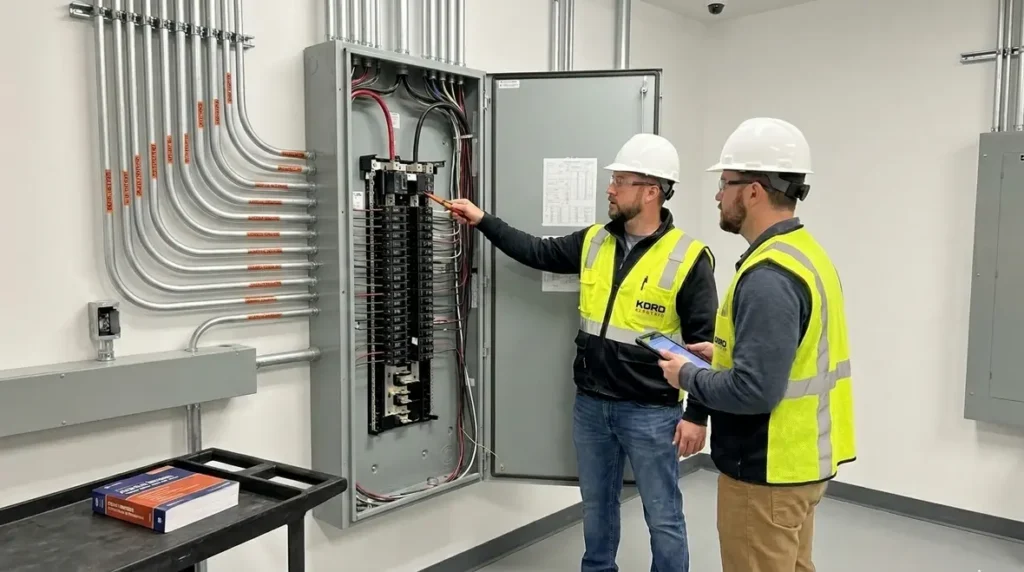
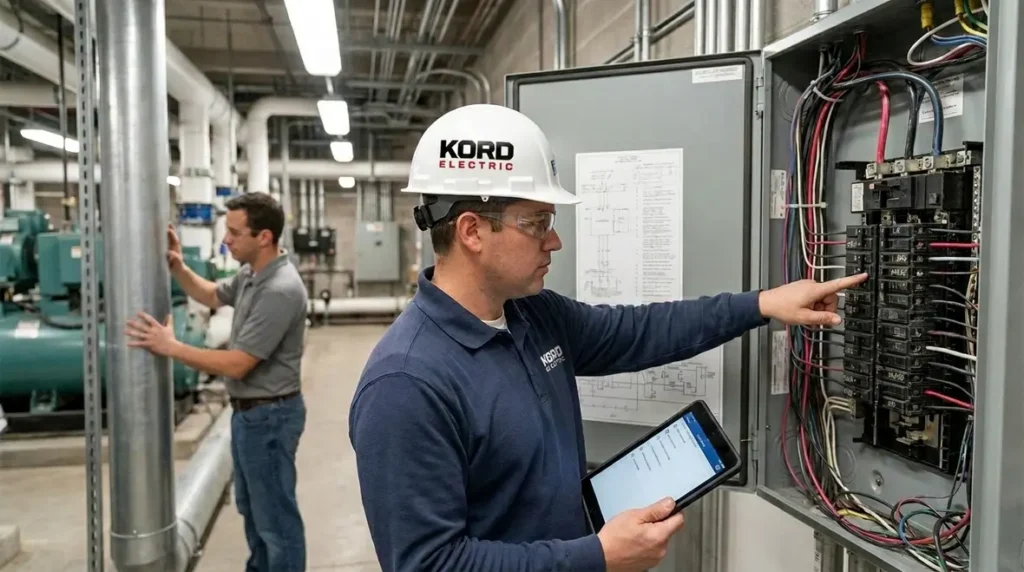
Third party inspectors and AHJs expect a clear path from design to installation to testing. Therefore, the National Electrical Code acts like a shared language for everyone involved. When we serve commercial and industrial facilities, we also account for how the site operates day to day: multiple loads, shared panels, long cable runs, ongoing maintenance, and strict safety rules.
As our expert service staff often tells building teams, the code does not exist to slow you down. Instead, it prevents the kind of problems that show up after construction, when the fix becomes expensive. Like a movie villain, electrical faults love timing and surprise. We make sure they do not get either.
We also coordinate with other professionals who touch the job, such as general contractors and electrical engineers. This helps ensure the PV system works as designed and that the facility can operate reliably once the system is energized.
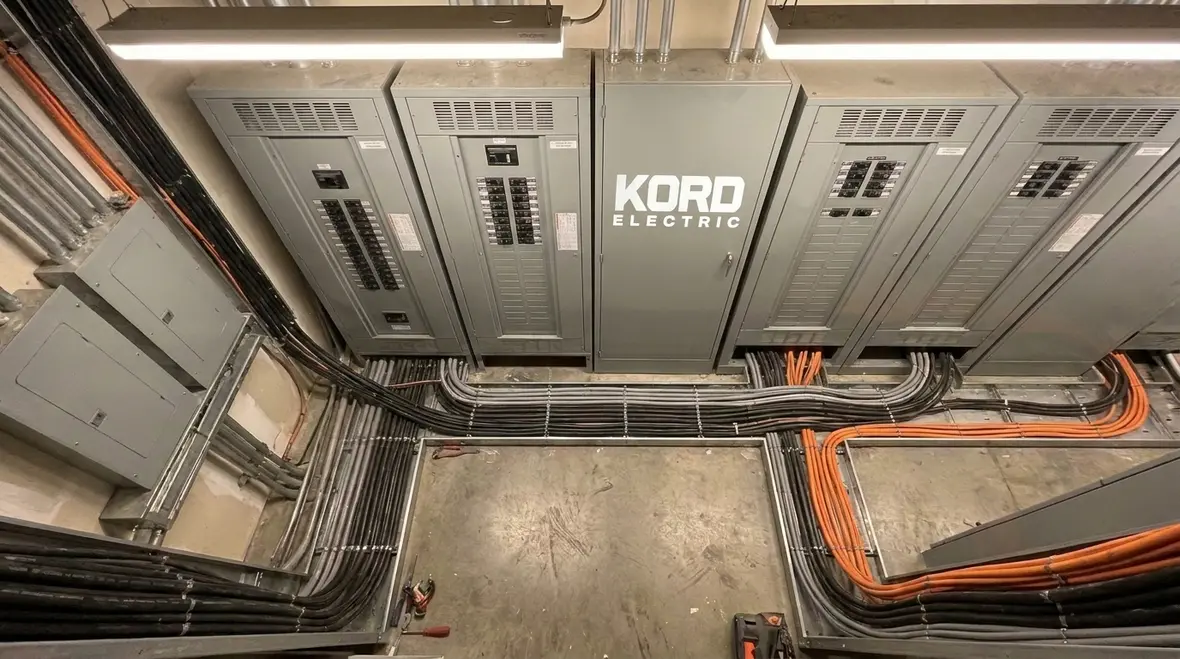
How AC PV module rules shape wiring, protection, and labeling
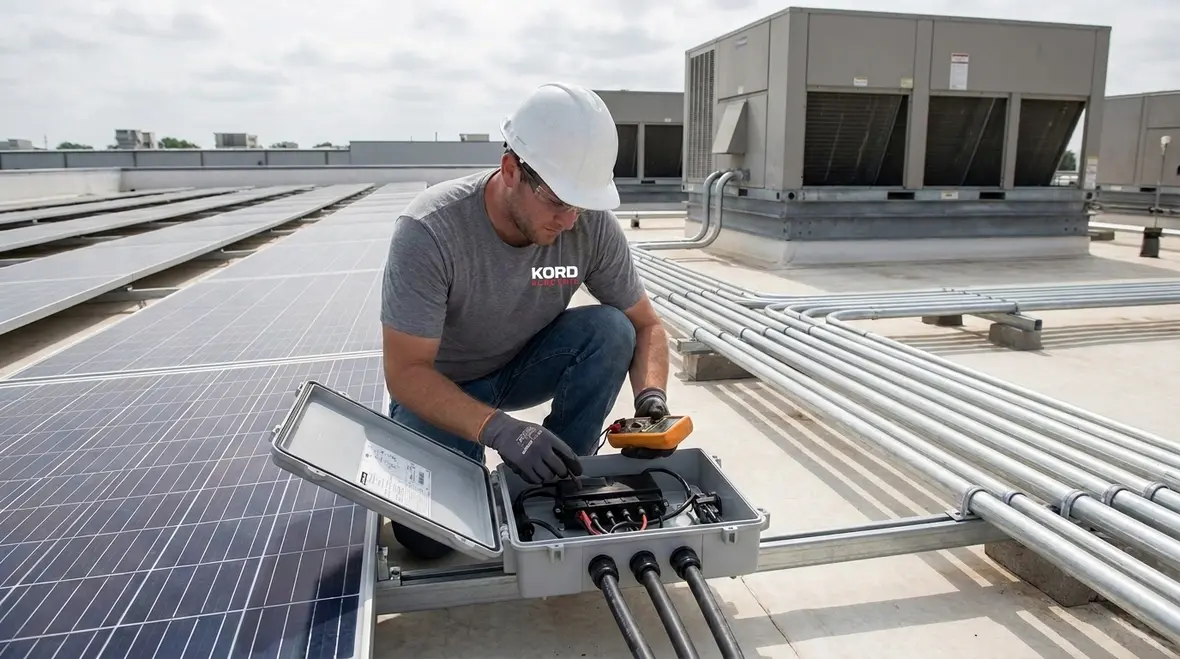
AC photovoltaic modules are different from systems that use traditional string inverters. Instead, the AC output happens at or near the module level. As a result, design details change, and so do the inspection points. Under NEC Section 690.6 AC photovoltaic modules, we verify that module output wiring, protective components, and termination practices align with the code intent.
At Kord Electric, our technicians walk through these elements in a structured way. First, we map the module layout and note the wiring paths. Then we check how the conductors route through conduits and spaces, because routing affects both safety and long term serviceability. After that, we confirm how overcurrent protection and disconnecting means are arranged in the system, so emergency response teams can work without guessing.
Finally, we make sure labeling and identification match what the code expects. This step feels small until a technician has to troubleshoot a live system on a tight schedule. Then the label becomes the difference between confidence and confusion.
We also think about how these systems age in commercial environments. Dust, vibration from nearby equipment, and rapid temperature swings all influence performance. Therefore, we install and document the system so that later inspections and service calls do not turn into “fishing expeditions.”
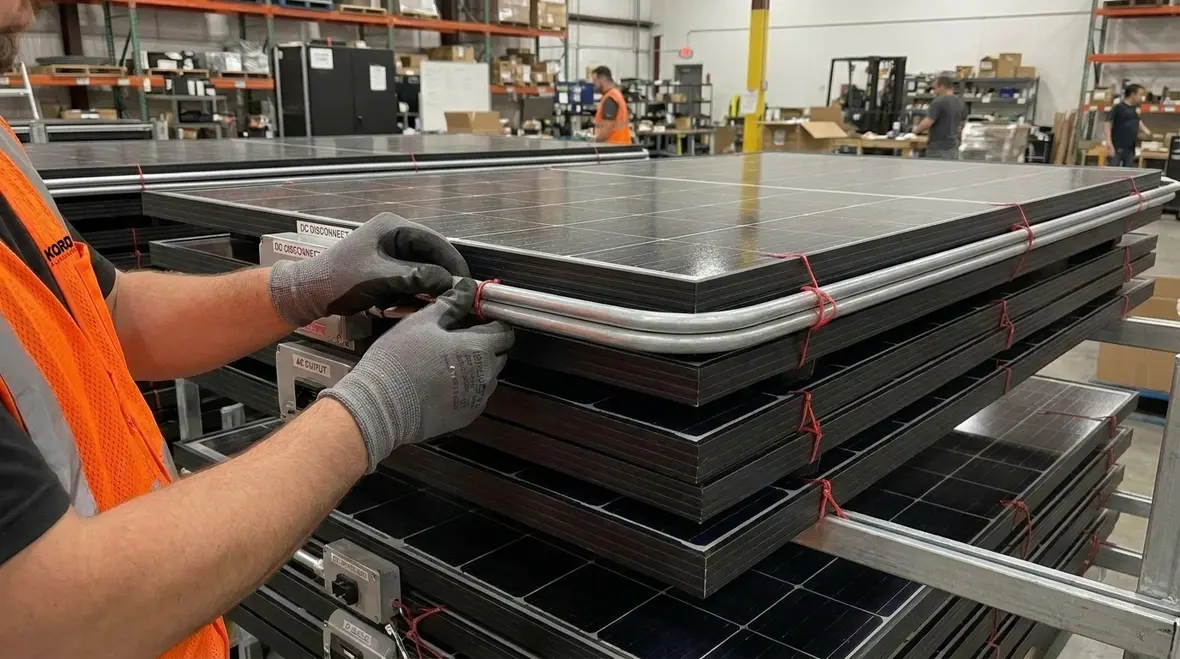
Coordination with inverters, breakers, and service equipment
Once the module output connects into the broader electrical system, coordination becomes the main event. In commercial and industrial facilities, we often see multiple power pathways: building services, backup power, switchgear rooms, and sometimes parallel utility tie rules. Our job is to ensure the PV system interacts safely with all of that.
We coordinate the PV AC side with the inverter architecture and the downstream protective devices. In practice, this includes confirming breaker ratings, verifying the interrupting capacity when required, and checking that the system can disconnect properly. We also check that the PV equipment does not create unsafe backfeed conditions.
Our technicians explain it plainly: if protection devices do not “agree” with each other, the system can behave unpredictably under fault conditions. And while an unpredictable circuit might be fine in a sitcom, it is not fine in a hospital, distribution center, or manufacturing plant.
For guidance on how the NEC is applied in PV contexts, we lean on the type of code breakdowns you can find through our partners at Kord Fire and related resources. One example is the Kord Fire article on NFPA 70: All About the National Electrical Code (NEC) 2026, which pairs well with Kord Electric’s own guide on Understanding NFPA 70, the National Electrical Code Explained for 2026. Together, these references help us keep alignment on national standards and the real-world inspection questions that come up during commissioning.
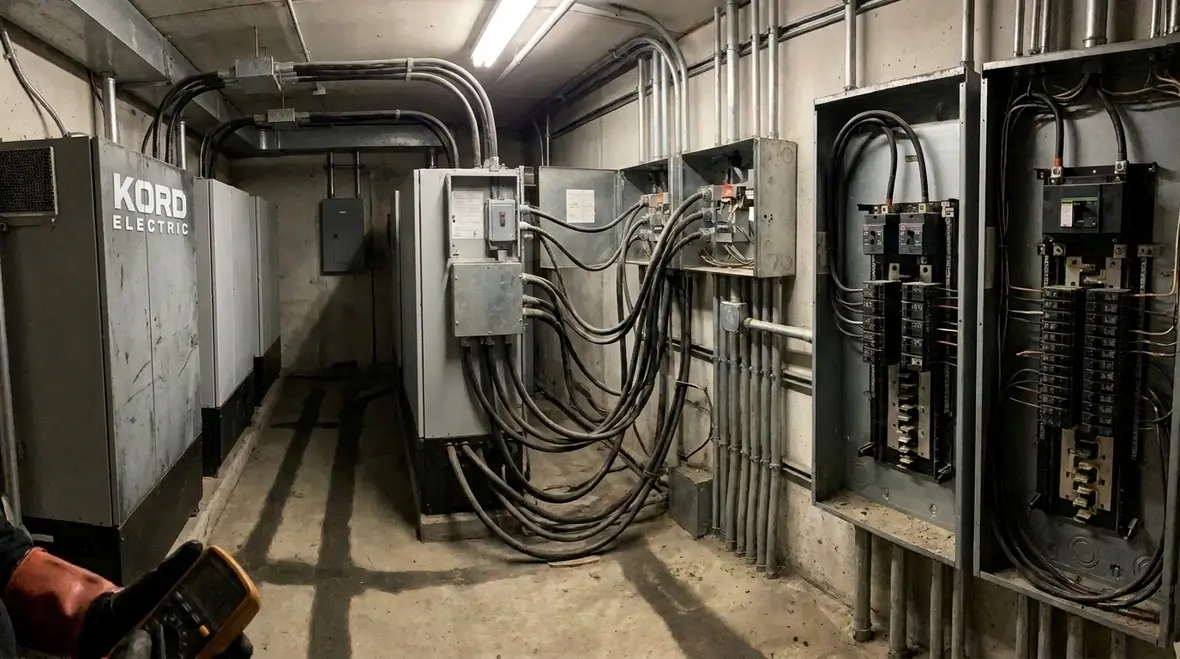
Utility interconnection, grounding, and surge protection for real operations
Commercial sites run on reliability. Therefore, we treat grounding and surge protection as operational tools, not just compliance checkboxes. In PV systems, fast voltage events can travel along conductors, so we design and install surge protective devices with care.
We also verify bonding and grounding paths with attention to how the facility’s electrical grid is set up. If the facility has existing grounding practices, we align the PV system with those methods rather than forcing a mismatched approach. This reduces noise, improves fault handling behavior, and keeps the electrical environment stable.
As for utility interconnection, we do not assume that “approved by the installer” means “approved by the utility.” We prepare for the interconnection review by making the system documentation complete. That includes equipment ratings, labeling, and evidence of proper installation practices. In many cases, the fastest approvals happen when the paperwork tells the same story as the wiring does.
In Australia and across major markets, we also see that these steps connect to broader fire and emergency response planning. Our colleagues at Kord Fire and the wider ecosystem around fire safety standards help us think about emergency access and equipment behavior during abnormal conditions. For owners, this brings both code confidence and risk reduction.
Inspection readiness for commercial and industrial electrical teams
Inspection success depends on more than just passing tests. It depends on how clearly you can show what you built and how you verified it. For commercial and industrial facilities, we plan inspection readiness from day one because it saves time at the end.
Our expert service staff uses a checklist mindset. First, we confirm that design documents match field layout. Next, we verify conductor routing, termination quality, and correct device selection. Then we document commissioning steps such as continuity checks and insulation testing, where applicable. When our technicians explain the process to site managers, they keep it practical and calm, because nobody wants their electricians teaching code the hard way during a walkthrough.
We also prepare for common inspection friction points. For example, missing or unclear labeling slows down reviews. Likewise, unclear disconnect accessibility can lead to rework. We prevent this by using labeling standards during installation, not after. If we can avoid one redo, we do it. If we can avoid five, we call it a good day.
We also coordinate with broader site safety planning. Fire pumps and emergency systems can share electrical infrastructure in some facilities. For that reason, we pay attention to how PV power routes affect those critical systems. Resources like firepumps.org help our team think about how emergency water supply systems relate to building electrical behavior and emergency plans.
Service, maintenance, and long term compliance for PV systems
After energization, commercial ownership still has a job to do. It needs safe operation, predictable maintenance, and continued code compliance. Therefore, we plan for service access and documentation from the start.
When we service PV systems, our technicians focus on the AC side where issues often surface first: connections, protective device condition, cable appearance, and any signs of thermal stress. We also look at how the system performs over time, because small performance changes can be early warnings. In a busy facility, a “small” issue can grow fast if nobody tracks it.
For long term compliance, we advise owners to maintain updated records. These include equipment submittals, as built drawings, commissioning test results, and maintenance logs. Our team supports that process and helps facility teams understand what to do during scheduled checkups.
And yes, we will say it the way a technician would: if you do not document it, you are guessing. Guessing costs money. Usually in the part of the project where nobody wants surprises, like right before a big client audit.
FAQ: NEC PV AC module compliance for commercial projects
Need expert NEC-aligned PV support from Kord Electric?
If you are building, expanding, or upgrading a commercial solar power system, we help you plan and install with NEC Section 690.6 AC photovoltaic modules requirements in mind, then we support commissioning and service afterward. Our technicians and expert service staff bring a steady, field tested process that protects your schedule and your equipment.
Because AC PV modules tie directly into a facility’s electrical architecture, we often combine PV work with broader system reviews, such as grounding, conductor sizing, and feeder documentation. If you want to see how we break down those topics for commercial and industrial teams, you can explore our related guides on NEC subjects like ampacity, conductor types, and wiring on buildings from the Kord Electric blog and Kord Fire’s National Electrical Code explainers.
For facility leaders in Southern California, our dedicated Los Angeles County electrical services group can wrap PV planning into data driven electrical upgrades, emergency power strategies, and inspection ready documentation so the entire system moves forward together.
Contact Kord Electric for a code focused review and a practical installation plan built around NEC Section 690.6 AC photovoltaic modules. We work with commercial and industrial facilities, so your project gets the attention it deserves and your PV system connects cleanly to the rest of your electrical infrastructure.