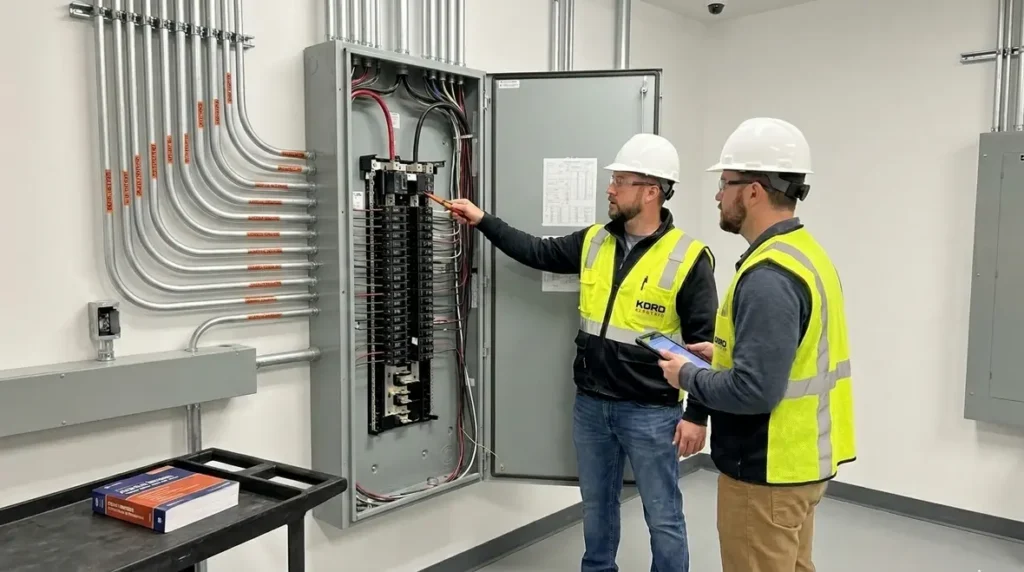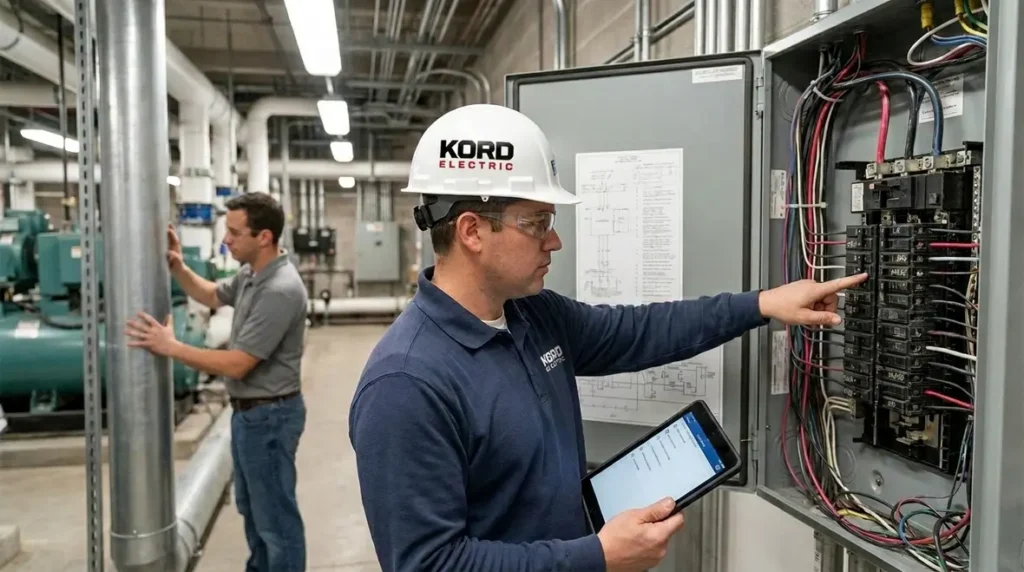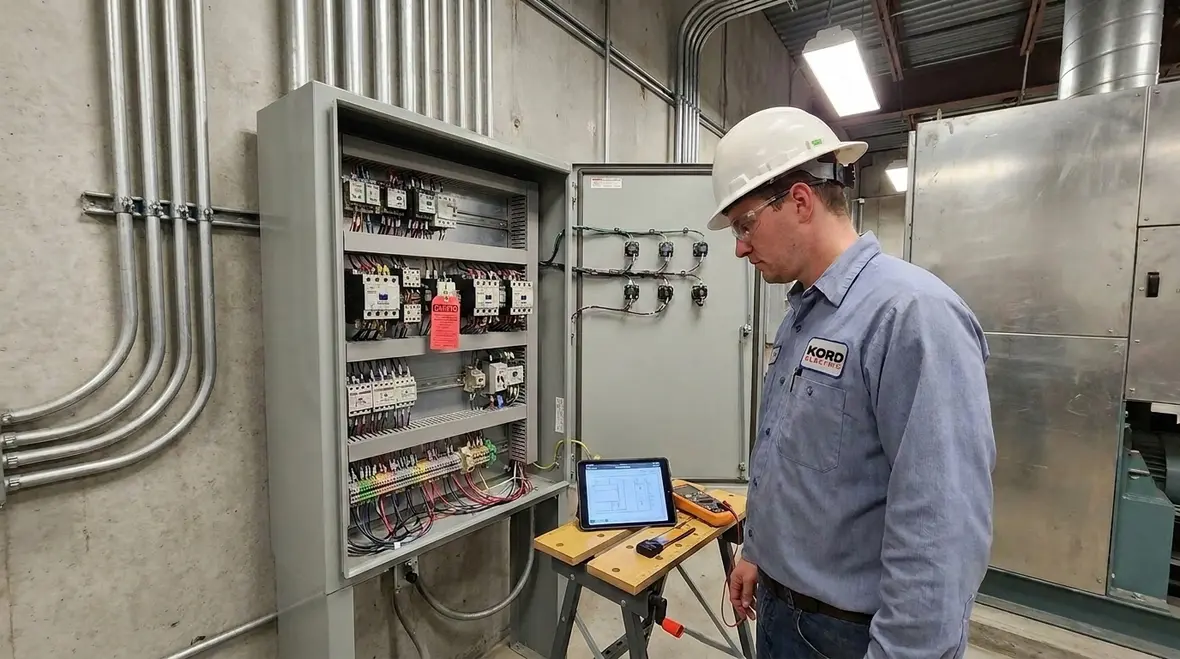
NFPA 70 Section 685.14 Electrode Heating Control Circuits
NFPA 70 Section 685.14 electrode heating control circuits: what commercial and industrial teams need to know
In the first 100 to 150 words, we start with NFPA 70 Section 685.14 electrode heating control circuits, because this part of the code helps keep heat driven equipment safe and predictable. At Kord Electric, we serve commercial and industrial facilities and major property buildings, so our teams focus on the systems that keep operations steady, people protected, and inspections moving. In practice, electrode heating control circuits guide how power is switched, controlled, and monitored around electrode heated loads. And yes, electrical controls can feel as thrilling as watching paint dry, but if you do it wrong, inspections do not laugh, the way the rest of us do at bad sitcom timing. Others write policies for safety. We help implement them in real gear, real conduits, and real job sites.
For deeper context, our expert service staff also aligns our field work with NEC guidance referenced by partners like Kord Fire and fire protection specialists such as Fire Pumps, because electrical rules and fire safety thinking always meet somewhere in the middle. For an NEC-level overview that connects electrical practice with fire protection planning, you can explore resources like NFPA 70: All About The National Electrical Code (NEC) 2026, which complements how our team applies code requirements in commercial and industrial environments.
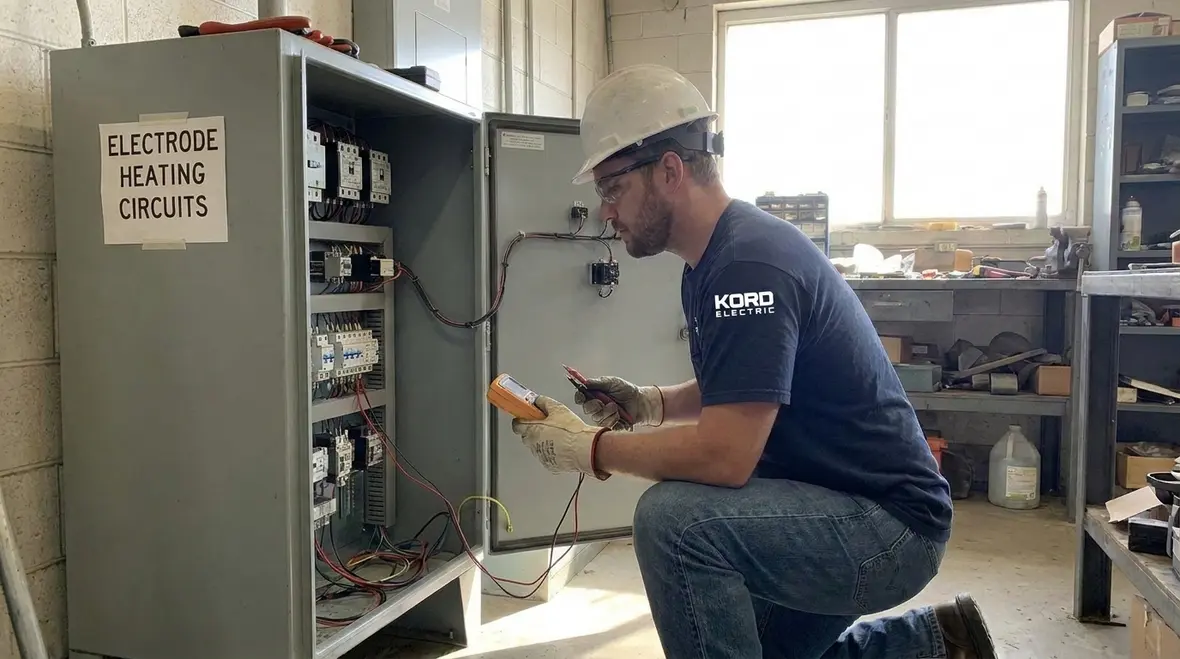
What the NEC explains about electrode heating safety
The National Electrical Code, or NEC, does not exist to make contractors miserable. Instead, it provides an organized set of rules for safe electrical design and installation. When we talk about electrode heating systems, we usually mean processes where heat happens because electrical energy moves through a controlled pathway. As a result, the “control circuits” become the brain of the system, and the “heater side” becomes the body. If the brain and body do not agree, you risk unsafe operation, damaged components, or failures that show up at the worst possible time.
In our work with commercial and industrial facilities, we see the same pattern. Teams want comfort and continuity of service. Meanwhile, the code wants safe control methods, correct conductor sizing, dependable switching, and protection from faults. So, we translate code language into installation choices you can verify. We also make sure the control logic stays consistent with equipment ratings and the intended operation profile. Then, when an inspector asks, we can point to the choices and explain them in plain terms.
Our technicians explain this using a simple idea: controls should behave the same way today as they will during heat cycling tomorrow. That means the control wiring, protective devices, and circuit behavior must match the requirements laid out by NEC sections tied to the equipment type.
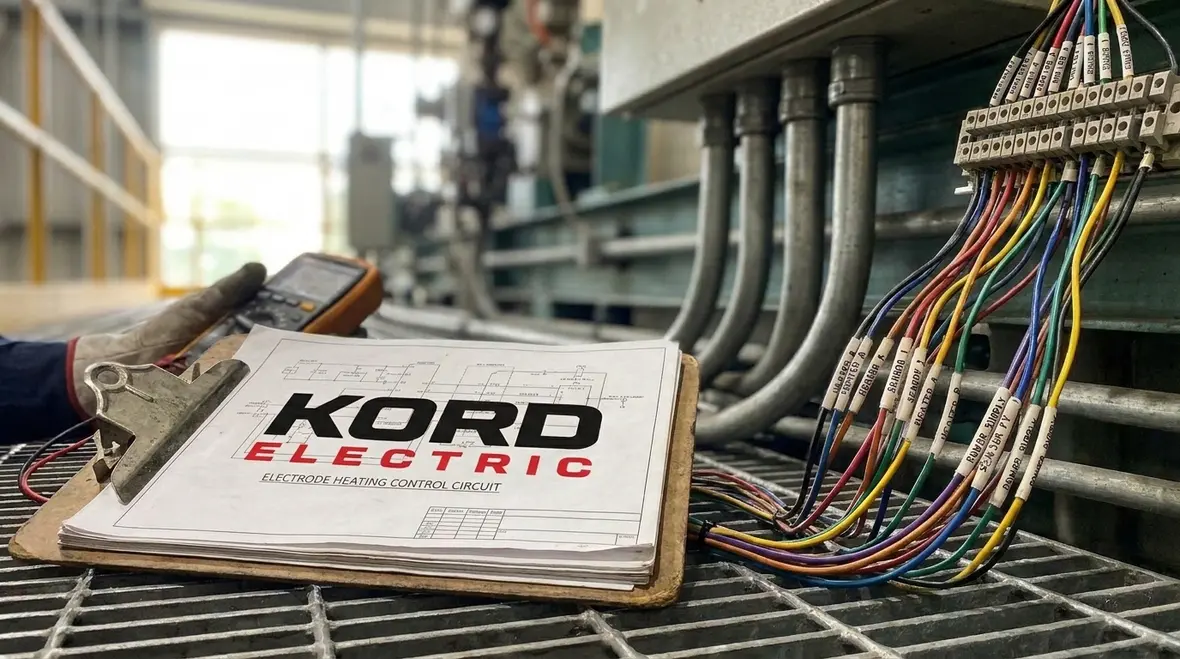
Connecting NEC intent with real equipment behavior
NFPA 70 Section 685.14 electrode heating control circuits live inside a much larger NEC framework that covers how equipment is supplied, protected, and monitored. On paper, that means references to overcurrent protection, control power sources, and interlocking behavior. On the job site, it means asking simple but critical questions: Does this circuit shut down the way we expect? Do control indicators match reality? Does the heater actually respond when the sequence says it should?
By treating the NEC as both a design reference and an operational checklist, our teams make sure electrode heating systems behave predictably during everyday use, maintenance activities, and those rare but stressful abnormal events.
How 685.14 electrode heating control circuits guide design and installation
Section 685.14 addresses how control circuits manage electrode heating loads. It helps define how circuits get energized, how control devices work, and how the system maintains proper operation. Therefore, the install is not just about “getting power to the right panel.” It is about making sure the control pathway protects the equipment and users as intended.
During a project, our expert service staff typically starts with the equipment submittal package. Then we map the required control functions to the wiring approach. After that, we confirm the control circuit protection strategy and ensure the control conductors and termination methods match the NEC intent. In other words, we prevent the common issue where the wiring exists, but the behavior does not follow the code.
Because this topic sits in the NEC alongside broader electrical safety rules, we also coordinate with facility electrical standards and the realities of the building. For example, major property buildings often include shared spaces, multiple tenants, and strict uptime needs. So, we plan work windows, coordinate labeling, and build in testing steps that reduce surprise during commissioning.
And if you are thinking “this sounds like a lot,” you are right. But electrical safety is not the place to improvise like it is a movie scene where the hero fixes a generator with a paperclip. We do it with proper design and verified workmanship.
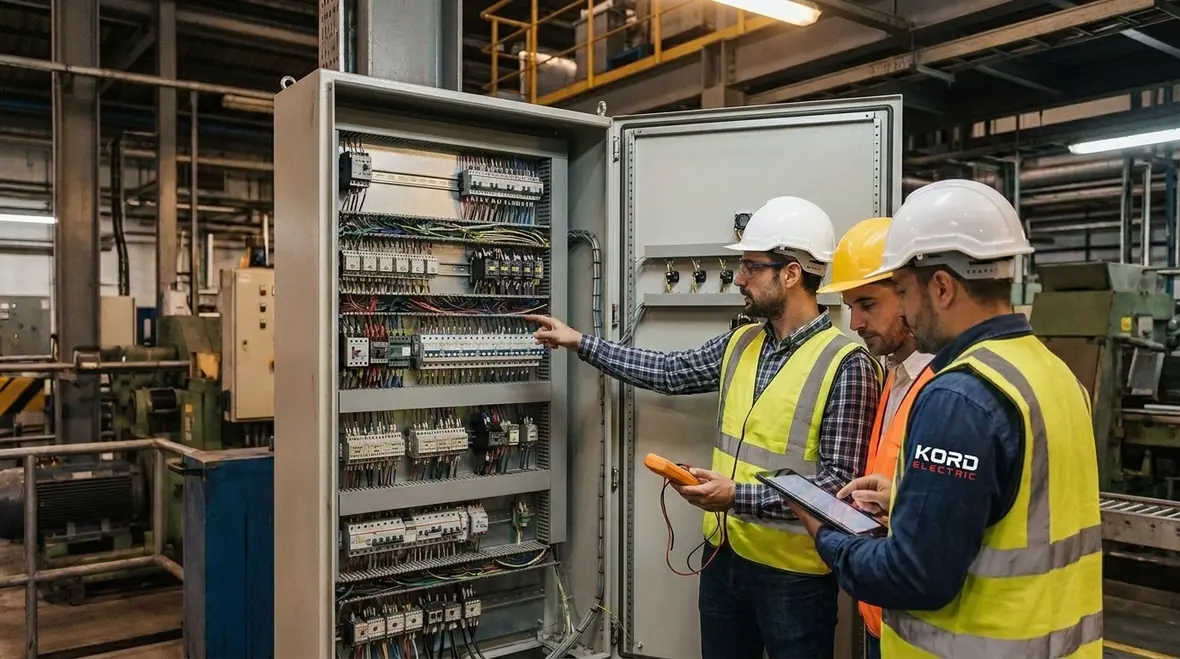
Design decisions that keep inspections predictable
Good design for NFPA 70 Section 685.14 electrode heating control circuits shows up later as calmer inspections. When drawings, labels, and field conditions match, inspectors can follow the control story from source to load without guessing. That is why we coordinate control circuit routing, segregation, and identification with both NEC expectations and local inspection habits across Los Angeles County and Southern California.
We also align new projects and retrofits with the broader code landscape discussed in resources such as Kord Fire’s NEC guidance. That way, electrode heating controls do not become a strange exception in a building that otherwise follows a clear set of electrical and life safety rules.
Control wiring, protection, and testing for real-world systems
Even when design documents look correct on paper, the field can introduce risk. That is where details matter. Our technicians pay close attention to control wiring methods and terminations, because electrode heating control circuits rely on stable, correct connections. Loose terminations, incorrect conductor identification, or inconsistent control interlocks can lead to nuisance trips or, worse, unsafe conditions.
We also support proper protective device selection and coordination. Control circuits may include switching elements, indication components, and protective features that reduce damage from abnormal events. Meanwhile, the heater portion must operate within its expected limits. Consequently, both sides of the system require thoughtful installation, not shortcuts.
Testing ties everything together. We verify correct control operation, confirm that protective devices function as expected, and perform checks that validate the system response under commissioning. Then, we document outcomes so the facility team can maintain the system with confidence. For commercial and industrial sites, this documentation matters during future inspections, service calls, and maintenance planning.
To keep everything calm and controlled, we also create clear handoff notes for building operators. That way, when someone asks, “Why does this trip under certain conditions?” the answer does not start a new comedy routine. It starts with an explanation they can use.
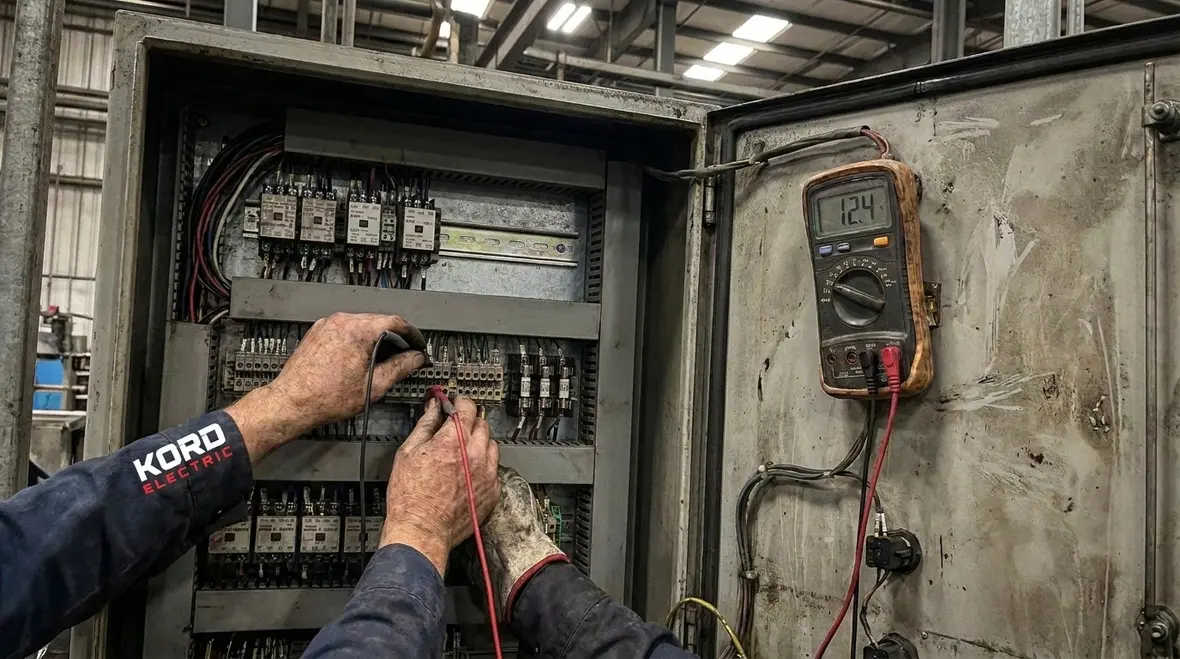
From test plans to long-term maintenance
Testing does more than close out a project. It seeds your maintenance plan. The same checkpoints we verify at commissioning can later be folded into preventative maintenance and troubleshooting programs. Our team often connects these findings with broader strategies like electrical maintenance and troubleshooting services across Los Angeles County, so electrode heating controls never become the forgotten corner of the system.
When your facilities team or service partner knows exactly how NFPA 70 Section 685.14 electrode heating control circuits were tested, they can repeat the logic quickly when something changes, rather than inventing a new approach under pressure.
Keeping code work aligned with fire and life safety thinking
Electrical safety and fire protection planning work together, especially in major property buildings where fire risk management has many layers. Kord Electric works as part of a larger safety ecosystem. We align our electrical approach with fire protection and system integration thinking emphasized by our related resources and partners, including Kord Fire and organizations focused on fire pump and fire system readiness like Fire Pumps.
Here is the reality: when electrode heating equipment runs, it changes thermal conditions in the space and stresses electrical components over time. Therefore, safe electrical control behavior supports safer overall operation. Moreover, good wiring practices reduce fault risks and help responders understand the system layout when they need to act.
In practice, we coordinate with facility stakeholders who manage fire alarm integration, life safety coordination, and emergency procedures. We do this early so the electrical plan does not conflict with how the building protects people. Then, during commissioning, we verify that control behavior does not create unsafe scenarios or reduce the reliability of life safety functions.
So, while the NEC gives the electrical rulebook, we also treat fire and life safety as the audience that reads between the lines.
Using NFPA 70 as part of a bigger compliance picture
Between resources like Kord Fire’s NEC overview and NFPA-focused fire protection guides, facility teams can see how electrical decisions influence evacuations, suppression performance, and post-event investigations. We help connect those dots, so your NFPA 70 Section 685.14 electrode heating control circuits support both electrical reliability and the fire and life safety strategies that surround them.
Service planning for inspections, uptime, and multi-tenant environments
Commercial and industrial facilities often run like busy trains. Everything moves, but nothing can stop for too long. That is why we build service plans around uptime and inspection schedules. When electrode heating systems need updates, we do not treat it like a casual “swap and go.” We treat it as a system change that must be verified.
Our technicians schedule work to limit downtime, coordinate access with facility teams, and stage materials so the job site stays organized. Additionally, we label circuits clearly and maintain wiring maps. This reduces service time later and helps the facility team manage maintenance without guessing.
We also prepare for inspection reality. Inspectors often look for consistency between documents and field conditions. Therefore, we make sure the installation matches the plan, and that the installed control behavior matches the intended system operation. When we explain the work, we explain it in plain language, not code cosplay.
And for major property buildings with multiple tenants, we pay attention to how shared electrical rooms operate. We prevent cross-circuit confusion and protect communication pathways. In the end, a facility wants less risk and more predictability, not a new set of mysteries.
Building a service roadmap for complex properties
Multi-tenant towers, industrial campuses, and entertainment venues all rely on service roadmaps that respect tenant schedules, lease boundaries, and shared infrastructure. Our dedicated Los Angeles County electrical services planning supports that by tying NFPA 70 Section 685.14 electrode heating control circuits into broader inspection windows, maintenance intervals, and capital upgrade timelines instead of treating them as one-off projects.
Where Kord Electric fits in the NEC process
Kord Electric supports commercial and industrial facilities that need dependable electrical work, and that includes systems governed by NEC rules like those related to electrode heating controls. We bring a practical approach to design review, installation, commissioning, and ongoing service. We also make time to explain what we are doing and why, because clarity reduces errors and helps teams maintain systems correctly.
Our expert service staff takes the rules and turns them into steps the field can follow. Then, we guide facility stakeholders through what changes mean for operations and future maintenance. In other words, we keep the work professional, consistent, and easy to verify.
If you want a team that focuses on major property buildings and industry schedules, we are ready. And if you want to avoid surprises during an inspection, we can help you get ahead of them. For properties across Southern California, that often means pairing focused project support with broader programs such as dedicated Los Angeles County electrical services so every part of your system, from general distribution to specialized controls, follows the same disciplined standard.
FAQ
Can we help you meet NEC requirements without slowing your building down?
If your facility relies on electrode heating equipment, Kord Electric can help you plan, install, and verify the control circuits correctly. We focus on commercial and industrial buildings, so we design around uptime, coordinate access, and document every step for smoother inspections. Our technicians explain the work clearly, because confidence matters as much as compliance. Reach out to us today to review your current setup or support a project from start to commissioning, and explore related NEC-focused insights like understanding how the National Electrical Code shapes modern installations in 2026 and beyond.
Whether you are troubleshooting existing electrode heating control issues or designing new systems for a growing property portfolio, we help you move from reactive fixes to predictable performance. From NFPA 70 Section 685.14 electrode heating control circuits to broader distribution and protective schemes, our goal is simple: keep your building safe, ready for inspection, and open for business.