
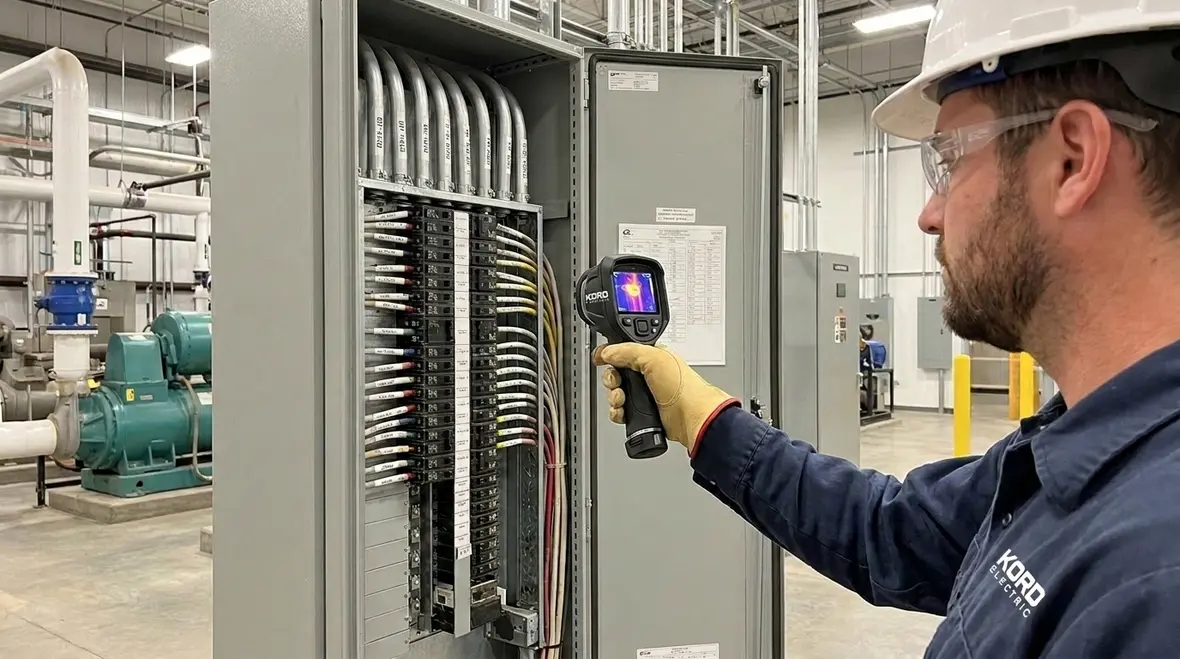
NFPA 70 Section 685.10 Electrode Heating Overcurrent Location
NFPA 70 Section 685.10 electrode heating overcurrent location matters because it helps control where heat and overcurrent risks can show up on electrode heating systems. In the first place, we do not treat this as a box-checking exercise. Instead, we guide owners, engineers, and site managers through the practical meaning of the rule and how it connects to safe design, proper installation, and clean inspection results. At Kord Electric, our technicians and expert service staff explain the “why” behind the code in plain business terms, then we help you apply it on commercial and industrial facilities and major property buildings where real consequences cost real money.
What does NFPA 70 govern in commercial and industrial buildings?
NFPA 70, also known as the National Electrical Code, sets safety standards for electrical design and installation. However, it does not stop at “what goes where.” It aims to reduce fire risk, shock hazards, and equipment damage across the full electrical system life cycle. Therefore, when we work with commercial and industrial facilities, we focus on how the code supports consistent protection, dependable performance, and predictable compliance outcomes for building stakeholders.
Now, some folks treat code like a rulebook written by someone who never had to debug a panel at 2 a.m. We get it. Yet when systems fail, the cause is rarely “bad luck.” It is usually a mismatch between intent and execution, such as wrong conductor sizing, missing protection, or a layout that drives heat into the wrong place. Because Kord Electric serves professional sites with higher loads, more complex distribution, and tighter uptime expectations, we help teams apply NFPA 70 with care, not shortcuts.
Importantly, our expert service staff also explains how adoption and enforcement can vary by jurisdiction. In many places, electricians and electrical contractors follow the locally adopted version and local amendments. As a result, we encourage facility teams to align early with AHJs and design professionals, then keep documentation tidy for commissioning and ongoing maintenance. For a deeper overview of how NFPA 70 functions as a national standard and how updates affect facilities, our teams often reference companion resources such as our sister company’s NEC explainer, NFPA 70: All About The National Electrical Code (NEC) 2026, alongside our own Understanding NFPA 70: The National Electrical Code Explained for 2026.
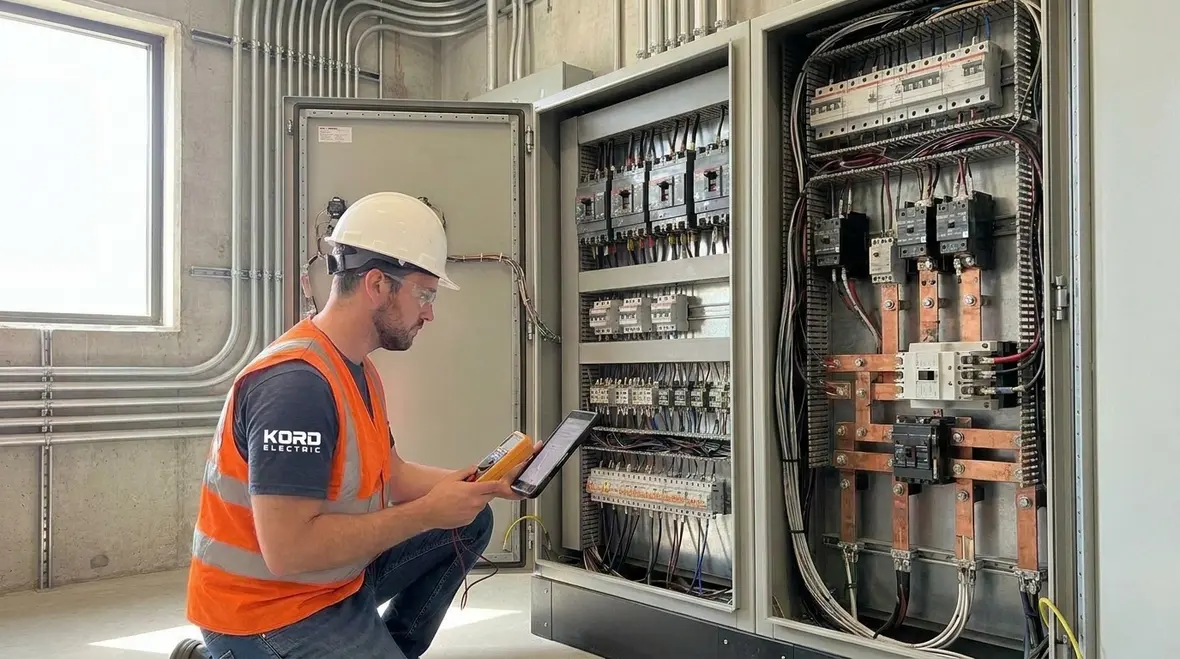
In addition to those code overviews, commercial owners in Los Angeles County often pair NEC-focused planning with broader compliance strategies. Our Los Angeles Commercial Electrical Compliance Guide walks through how local enforcement, inspections, and documentation expectations fit together, so NFPA 70 is not just a book on the shelf but a practical roadmap for day-to-day operations.
Why electrode heating systems need careful overcurrent control
Electrode heating systems can support processes like freeze protection, temperature control, and certain industrial heating uses. Yet electrode heating also concentrates electrical energy near conductive elements and terminations. Consequently, if a fault occurs, heat can develop where you least want it, and overcurrent can escalate faster than many teams expect.
To manage that risk, NFPA 70 Section 685.10 electrode heating overcurrent location directs how protection and related components must be placed so that a fault gets detected and cleared with the right speed and at the right part of the circuit. In other words, location matters because protection that sits “technically in the same system” but far from the problem area can delay response.
Further, we see practical failures when the installation team treats conductor routing like an afterthought. For example, if heat can trap around terminations, insulation can degrade over time. Then a small issue grows into a nuisance trip, and later it can become a serious hazard. Therefore, our technicians check routing, termination quality, and mounting so the system can handle normal operations and abnormal conditions.
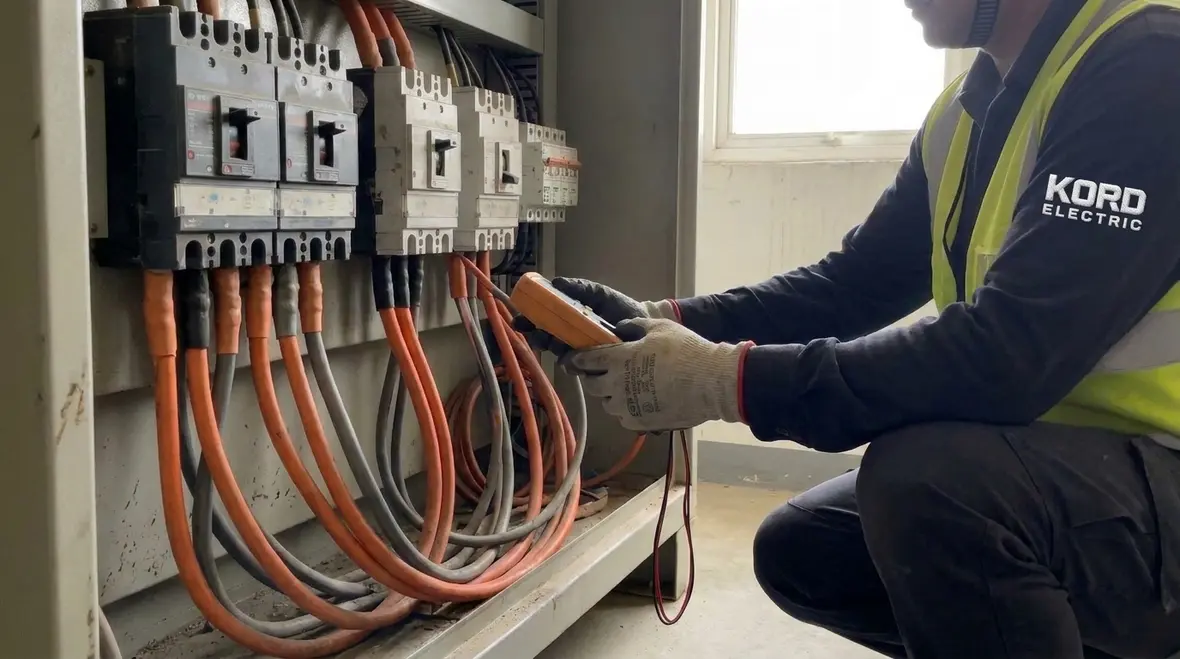
In heavy-use commercial environments, those details connect directly to uptime and equipment lifespan. When we coordinate electrode heating work with broader system planning, we often align it with the strategies described in our Building Electrical System Design: Planning Power for Commercial Facilities guide, so heating circuits, distribution, and protection all behave like one coordinated system instead of separate projects.
How the 685.10 location rule drives correct installation
NFPA 70 Section 685.10 electrode heating overcurrent location focuses on where overcurrent protective devices and related points must be placed relative to the electrode heating circuit and the potential fault path. While the exact application depends on the system design, the underlying goal stays the same. We must reduce the chance that a fault generates dangerous heat for too long before protection acts.
Next, we break it down into the steps our expert service staff uses on the job site:
We map the electrode heating circuit from the power source through control components and to the electrode elements so we know the actual fault path.
We verify the overcurrent protective device location supports timely clearing, not just “a convenient place in the enclosure.”
We check conductor routing and connection points so heat does not build up around sensitive terminations.
We confirm marking and documentation so maintenance crews can trace the circuit without guessing.
And yes, occasionally we find a setup that works on paper but fails in the real world, like a superhero landing pose that looks great until physics kicks in. When that happens, we recommend changes that bring the layout back in line with the intent of the NEC rule, while keeping the installation practical for ongoing operation.
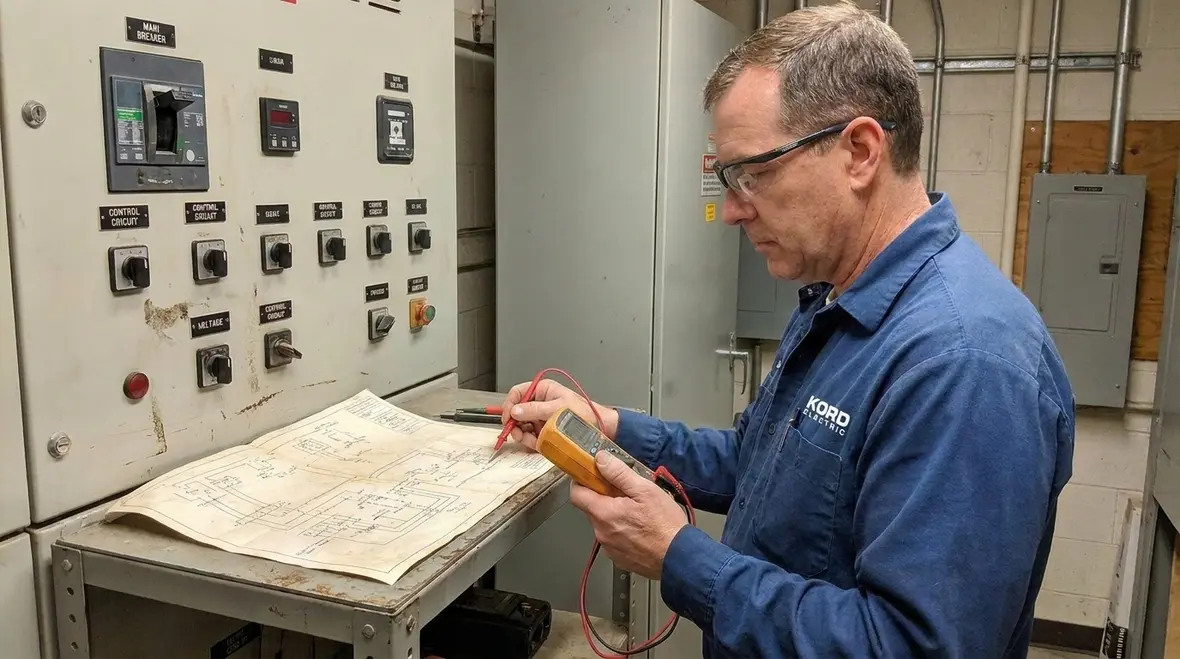
In practice, we also tie these electrode heating reviews to structured troubleshooting and upgrade programs. When inspections or nuisance trips suggest deeper issues, facility teams often benefit from approaches like those in our Electrical Troubleshooting Los Angeles County guide, where we connect fault behavior to protection settings, conductor conditions, and long-term maintenance plans.
What else NFPA 70 expects around protection and equipment layout
Electrode heating overcurrent control does not live alone. It sits inside a wider set of NEC expectations that cover conductor ampacity, insulation, grounding, and the way equipment supports safe operation. Therefore, when Kord Electric reviews a design or supports a retrofit, we look at the system as a whole, not as isolated lines on a single drawing.
For example, we help teams align:
Conductor sizing with load and temperature conditions so the circuit does not operate near the edge.
Grounding and bonding to support fault clearing and protect connected metal parts.
Enclosure and termination practices that reduce loosening, corrosion, and heat buildup.
Protection coordination so trips happen where they should, not in the most expensive way possible.
In commercial and industrial facilities, electrical systems also interact with safety systems, controls, and process equipment. Thus, we coordinate with facility stakeholders to reduce disruptions during installation and maintenance. Our goal is simple: safe, compliant systems that do not turn uptime into a daily negotiation.
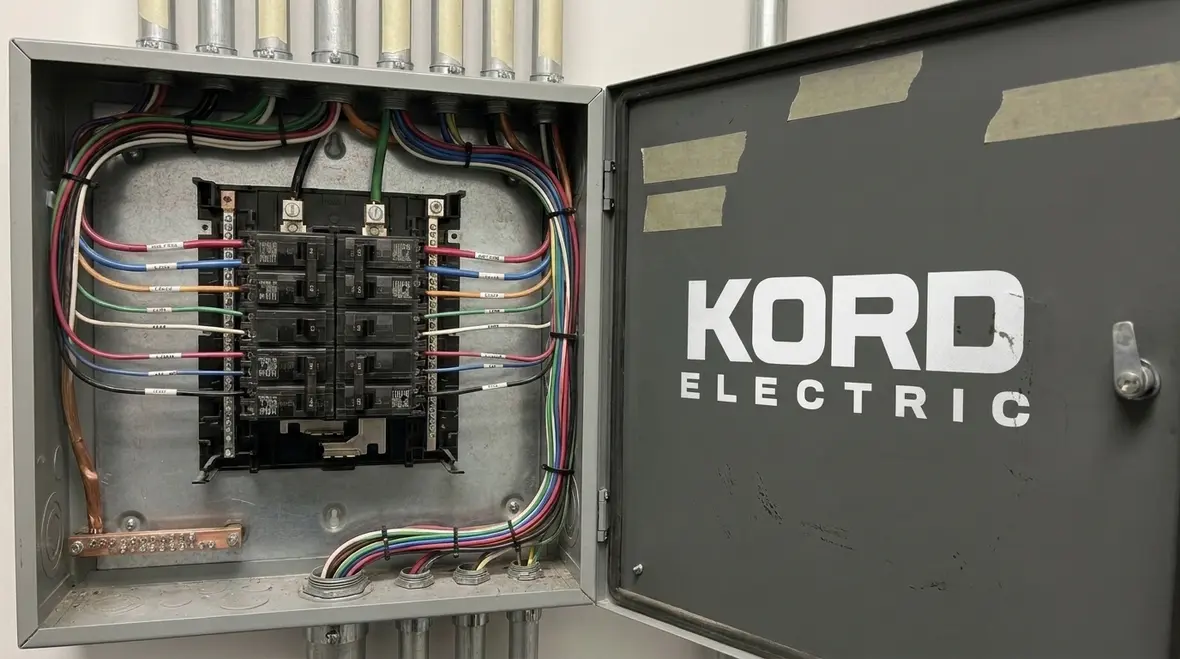
When those systems evolve, NFPA 70 still anchors the decisions. Whether your facility is scheduling panel work, capacity expansions, or electrode heating changes, our teams frequently link that planning with the broader programs outlined in articles like Electrical Panel Upgrades: When Commercial Buildings Need More Capacity and Electrical Asset Management Support for Commercial Facilities, so protection, layout, and lifecycle management all point in the same direction.
Common mistakes we see during commercial inspections
Even skilled teams can miss details when schedules tighten. However, overcurrent protection and electrode heating placement errors tend to show up in patterns. As a result, our technicians and expert service staff focus on the areas most likely to break compliance and safety targets.
Here are frequent issues we uncover:
Protection placed for convenience rather than for the actual fault location and circuit behavior.
Weak termination practices that invite heat at connections over time.
Routing that traps heat around terminations or near materials that degrade with temperature.
Missing labeling so troubleshooting becomes guesswork during maintenance.
Documentation gaps that slow commissioning and increase risk during audits.
Now, some people call these “small things.” But small things become large outages. And large outages cost more than a thoughtful installation ever would. In other words, the code is not a mood. It is a path to predictable safety performance.
Because we support major property buildings and industrial sites, we also account for long-term operations. That means we consider access for maintenance, protection from mechanical damage, and how the circuit will age under real environmental conditions.
When our inspectors find repeated warning signs or chronic nuisance trips, we often recommend stepping back and reviewing how the overall electrical strategy supports compliance. Resources like our Emergency Electrical Repairs for Commercial Buildings guide and our Best Commercial Electrical Contractor Los Angeles article give owners a practical sense of how disciplined service can reduce last-minute surprises.
How our team uses code knowledge to reduce risk
At Kord Electric, we apply NFPA 70 knowledge to practical outcomes. First, we help design teams understand intent and application. Then, our technicians install and verify systems with disciplined workmanship. Finally, our expert service staff supports testing, documentation, and maintenance planning so the building team can run the system confidently.
When facilities need broader safety context, we also connect electrical compliance work with life safety thinking. For example, our related fire safety resources focus on how electrical hazards can connect to overall fire prevention. That is why sites often benefit from coordinated reviews rather than siloed checklists. If you want to explore our broader approach, you can review resources on Kord Fire and our regional fire safety platform at https://kordfire.com.au/ and our additional NEC-focused content at https://kordfire.com/nfpa-70-all-about-the-national-electrical-code-nec/. For reference material on NEC timing and background, we also publish code explanations at https://kordelectric.com/kord-electric-blog/understanding-nfpa-70-the-national-electrical-code-explained-for-2026/.
Meanwhile, we do not treat these resources as substitutes for site-specific design review. Instead, we use them to sharpen our conversations with engineers, contractors, and facility managers. And if you are planning pump system safety, you may also find helpful technical context at https://firepumps.org/, especially when building electrical systems connect to critical water delivery plans.
For facility teams that need a structured partner for ongoing work, we also connect NFPA 70 code intent with our regional support offerings. Our dedicated Los Angeles County electrical services help owners coordinate inspections, upgrades, and maintenance across multiple buildings, so electrode heating circuits, distribution gear, and emergency systems all receive the same disciplined attention.
FAQ: Electrode heating overcurrent and NFPA 70
Teams who work with NFPA 70 Section 685.10 electrode heating overcurrent location often ask similar questions as they move from theory to field conditions. These answers give owners, engineers, and facility managers a plain-language starting point before we dive into site-specific details.
Call Kord Electric for a compliance focused electrical review
If your facility uses electrode heating or plans to add it, we can help you reduce risk before it becomes a costly surprise. Kord Electric serves commercial and industrial buildings, and we take code intent seriously, including NFPA 70 Section 685.10 electrode heating overcurrent location and related installation details. Contact us for a review, so our technicians and expert service staff can map your circuit, check protection placement, and document the outcome clearly. Let us help your team stay compliant, safe, and operational, with fewer surprises than a sitcom plot twist.
For building owners and managers who want that review to connect with a broader reliability plan, our Los Angeles County electrical services offering provides a straightforward path. We coordinate inspections, upgrades, and preventive maintenance across panels, feeders, and specialty systems like electrode heating, so each code decision supports uptime instead of interrupting it.


