NFPA 70 Section 685.1 Electrode Heating Article Scope
At Kord Electric, our expert team starts every code conversation the same way: with safety, clarity, and real-world installation. In this article we cover the NFPA 70 Section 685.1 electrode heating article scope during the first 100 to 150 words, because it matters when you design, build, or maintain grounding systems in commercial and industrial facilities. Specifically, we explain how electrode heating requirements connect to the National Electrical Code (NEC), and how our technicians translate that code language into field-ready decisions. Then we move step by step through the bigger picture: where electrode heating shows up, what it protects, and how we verify it during service work. You will see the same calm process we use on job sites, not the “mystery box” method. If code were a movie, this would be the director’s cut, not the one where the plot disappears halfway through.
Why NFPA 70 Section 685.1 electrode heating scope matters for NEC compliance
Third person review matters, but real compliance lives in the details, and that is where NFPA 70 Section 685.1 electrode heating article scope earns its keep. When an electrical system routes fault current or controls grounding performance, heat can build at key electrode connections. Therefore, the NEC addresses conditions that can cause dangerous temperatures at grounding electrodes and related conductor paths. Meanwhile, facilities managers often ask for “the short version,” and our technicians respond with the long version that still stays simple.
To be clear, electrode heating is not a curiosity. It is a risk pathway. If the electrode connection gets hot enough, it can damage insulation, loosen terminations, and increase resistance over time. As resistance rises, heat can rise again, which creates a feedback loop that turns a manageable issue into a shutdown scenario. Additionally, elevated temperatures can compromise surrounding construction materials in major property buildings, especially where weather exposure, corrosion, or vibration already exist.
At Kord Electric, we also connect the dots between code sections and how systems behave in the field. For example, grounding work often uses different electrode materials and installation methods. Consequently, the NEC focuses on how those choices affect heating under fault conditions and during normal operation. In other words, the code does not guess. It sets rules so installed systems perform even when electricity behaves like electricity, which is to say: unpredictably and with strong opinions.
What the NEC requires for grounding and electrode behavior in real facilities
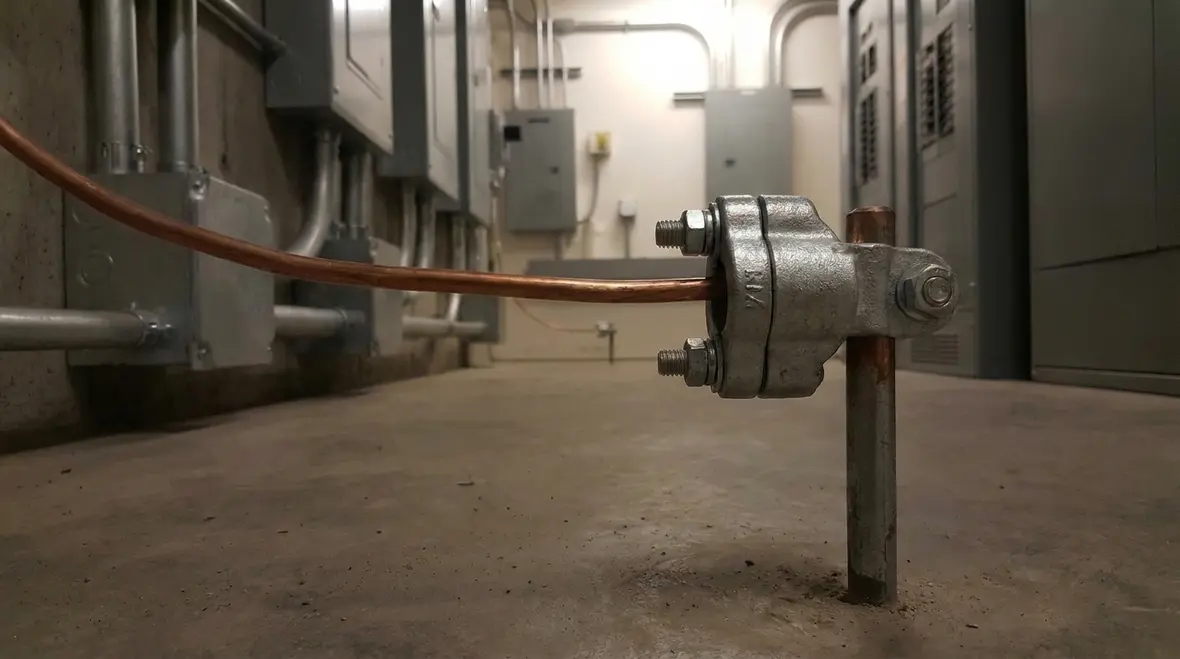
When a commercial or industrial facility designs a grounding system, we see the same themes repeat. First, the plan must address bonding and the path of fault current. Next, the facility must manage the electrode connection quality. Then, the installation must keep the grounding system stable under heat and environmental stress. The NEC treats these as linked requirements rather than separate chores.
Furthermore, the NEC expects installations to maintain continuity and reduce unsafe temperature rise. That means proper contact surfaces, correct conductor sizing, secure connections, and electrode selection that fits the environment. For major property buildings, these choices also affect inspection outcomes and maintenance cycles. A grounding system that performs on day one but degrades by year five will still fail your risk plan, even if the drawings looked great in the design meeting.
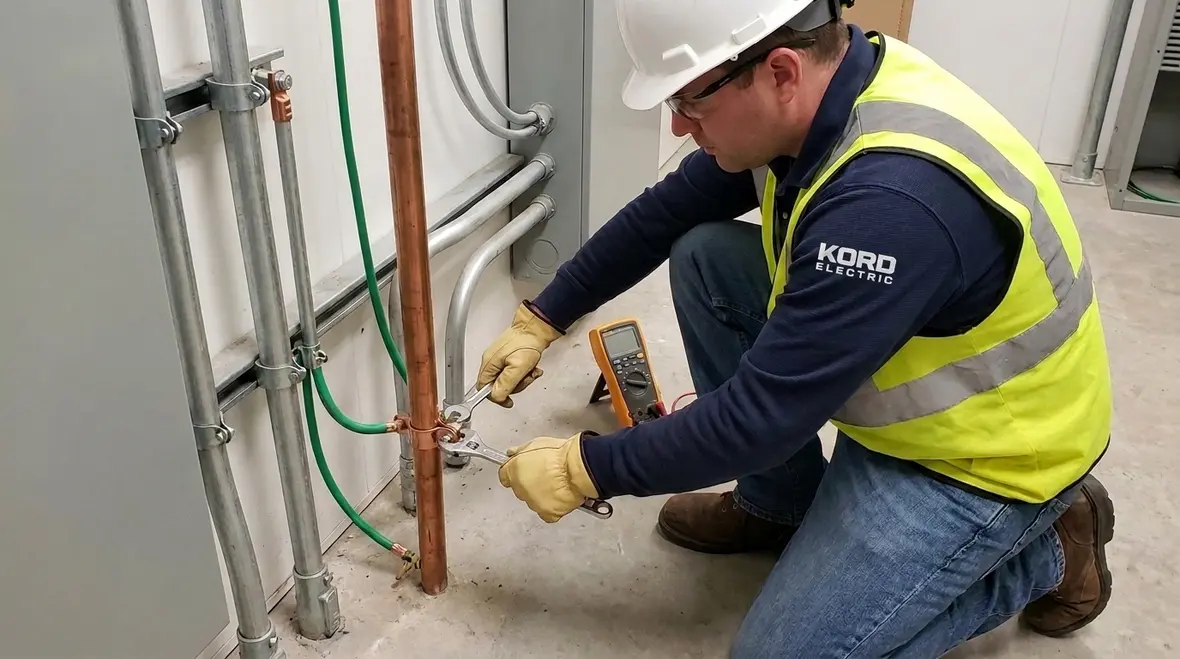
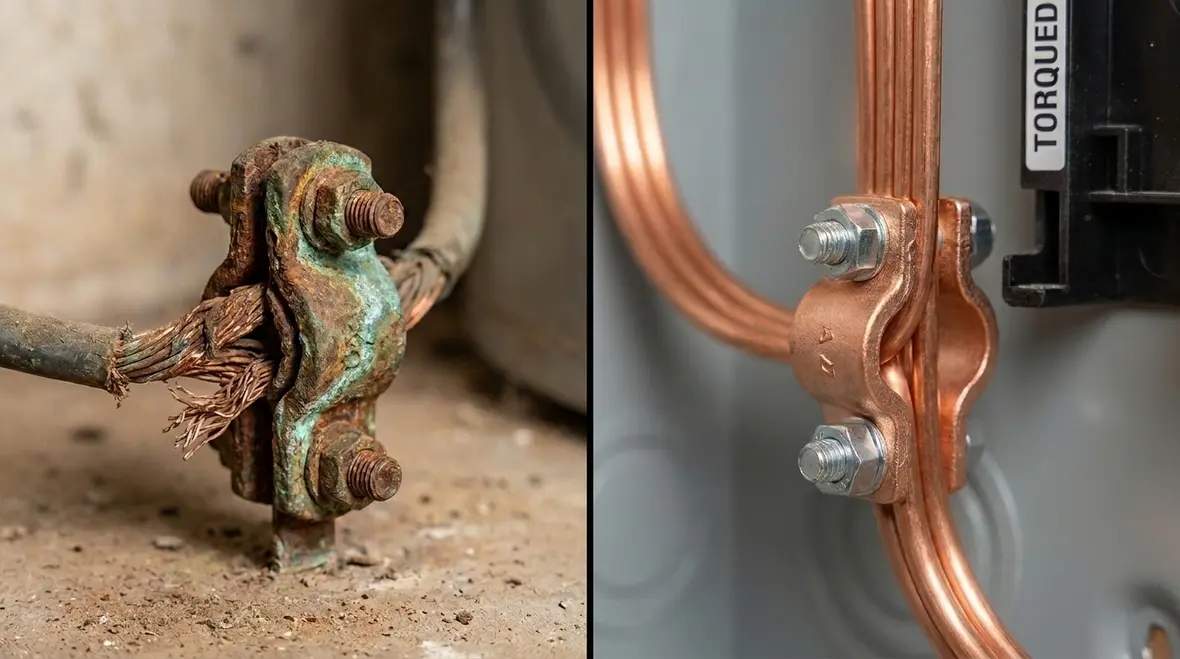
Because the electrical world loves details, electrode heating concerns often show up in how connections are made and maintained. If a connection loosens, the system can experience localized heating. If the electrode material and installation method do not match the environment, corrosion can increase resistance. Over time, resistance becomes heat, and heat becomes a costly repair. Therefore, our technicians in commercial and industrial environments focus on both initial compliance and long-term performance, which is the part that many schedules forget.
How our technicians interpret code requirements without turning it into guesswork
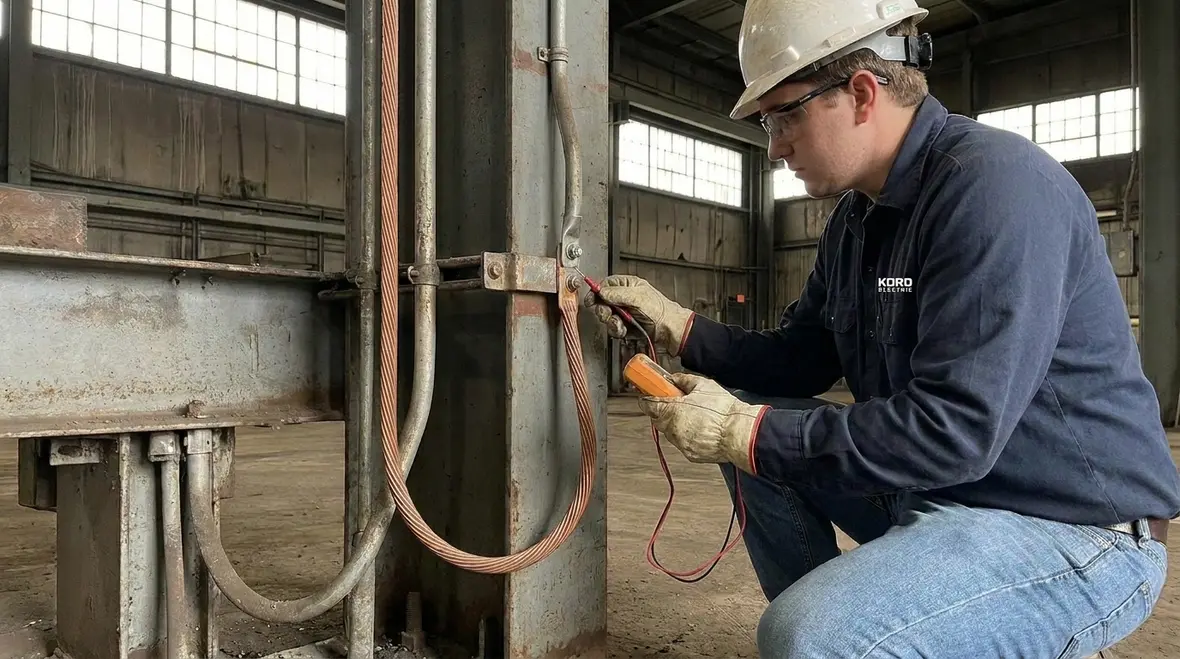
People think code compliance means reading a list and checking boxes. We do that too, but our service staff goes further. Our technicians explain what the NEC is trying to prevent, then connect it to installation steps they can verify on site. That is why we talk about electrode heating risks in plain language and with the right reference points.
In practice, our team checks the job from three angles. First, we review the design documents for grounding electrode choices and connection intent. Second, we inspect the installed work to confirm the conductor routes, bonds, and terminations meet the NEC expectations. Third, we document what we find so the facility can track performance and plan future maintenance. If we see corrosion risk, loose mechanical connection design, or installation methods that do not fit the environment, we speak up early.
Additionally, we coordinate with facility stakeholders to reduce disruption. After all, commercial and industrial operations do not pause politely for an inspection. So we schedule walkthroughs around working hours and we stage material and tools so the work stays clean and controlled. And yes, we keep the humor light because safety is serious, but technicians also have to live in the real world where a breaker labeling project can feel like solving a riddle written by someone who hates clarity.
Common causes of harmful electrode heating and how to prevent them
Electrode heating does not usually appear out of nowhere. It typically grows from a few predictable causes. First, poor connection quality increases resistance. Second, conductor sizing that does not match the design increases current density where it should not exist. Third, corrosion and moisture exposure can degrade contact surfaces and increase impedance. Fourth, thermal cycling from faults or frequent events can loosen connections over time if installation did not account for long-term stress.
To prevent those issues, we recommend a disciplined process. We start by ensuring correct materials and connection methods. Then we verify installation torque and connection integrity where applicable. After that, we confirm the routing and bond points align with the plan and do not create unintended breaks or stress. Finally, we help facilities set a realistic maintenance rhythm so the grounding system does not become a “we will check it later” item.
We also remind teams that electrode heating concerns connect to the full system, not just one component. If equipment grounding paths include weak links, the “hot spot” can move. If the environment is corrosive, the weak link will show up sooner. Therefore, prevention requires looking at the entire grounding network and how it interacts with building materials, exterior exposure, and equipment layouts.
Where code guidance leads in system design, testing, and inspection
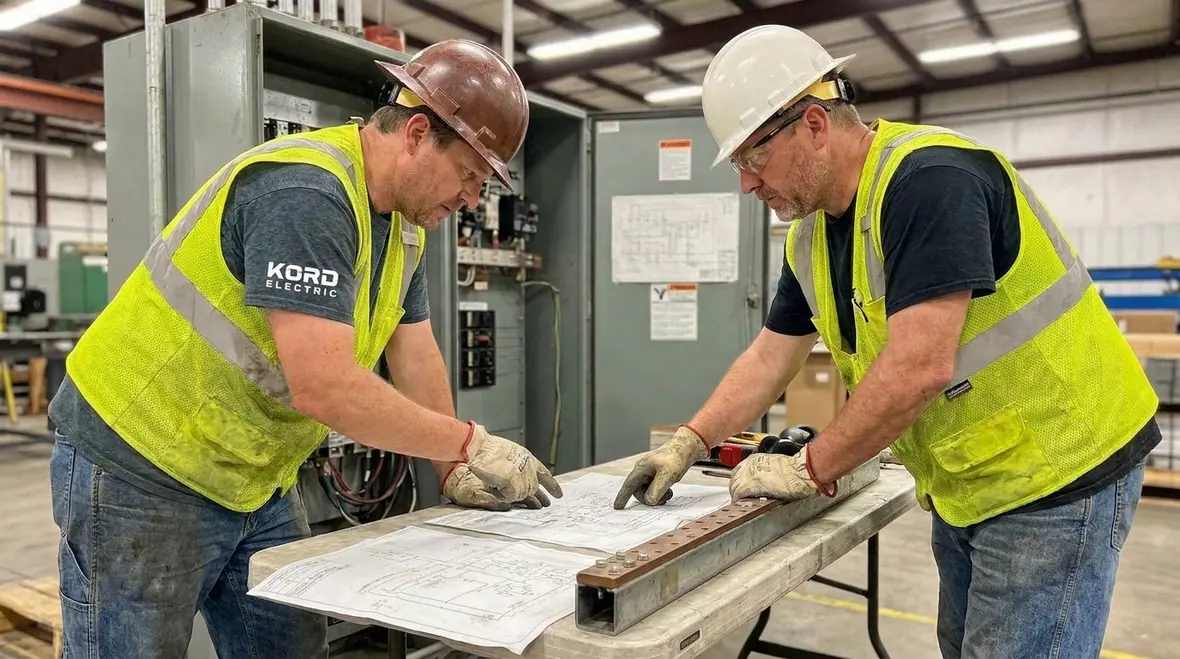
Good design prevents headaches. Strong testing proves the design held up in the real world. During inspections, the facility needs evidence, not assumptions. For that reason, Kord Electric ties NEC understanding to practical verification steps. We align drawings and field conditions, then document the grounding and bonding methods used for the electrode network and related conductors.
At this stage, the facility benefits from experienced interpretation. Some requirements can read differently depending on the system type and the installation environment. Therefore, our expert service staff helps teams translate the intent into a clear installation plan. We also support the “what happens next” conversation, because code compliance does not end with energization.
Additionally, we treat testing as part of risk management. Testing results help spot problems before they escalate into repeated heating events. For major property buildings, the stakes rise because multiple systems share pathways, and building downtime can cost real money. So, we plan testing to reduce disruption while still achieving the verification the facility needs.
How Kord Fire, Kord Electric, and leading resources support code-ready decisions
Electrical and fire safety connect in a lot of ways, and major buildings need consistent guidance. Kord Fire supports broader code understanding that helps facilities manage protection strategies, and we often see that electrical safety and fire safety share the same root goal: preventing dangerous conditions. When customers ask for a clear path, we point them toward trusted guidance and we apply it with our field experience.
For deeper reading, facilities can explore materials hosted by Kord Fire, including their NEC explanations and scope resources at kordfire.com and updates at kordfire.com.au. Additional industry guidance and reference material also exist across groups that focus on fire and life safety context, including firepumps.org. While those resources do not replace local code adoption and engineering judgment, they help teams build a consistent understanding of why these rules exist.
Then Kord Electric bridges the information to the job site. We focus on commercial and industrial facilities and major property buildings, where grounding and electrode performance directly affect safety, equipment protection, and uptime. Also, if a code concept feels dry, we promise our technicians can make it make sense without sounding like they are reading from a vending machine manual.
|
Facility focus Commercial and industrial buildings, major properties, environments with exposure and long maintenance cycles. |
What we prioritize Reliable grounding, safe electrode connections, correct bonding paths, and verification that supports ongoing performance. |
Connecting NFPA 70 grounding guidance with wider NEC resources
Facilities that want to go deeper than the NFPA 70 Section 685.1 electrode heating article scope often explore broader NEC context. That is where related educational pieces become useful. For example, Kord Electric’s resource Understanding NFPA 70: The National Electrical Code Explained for 2026 walks through how the rulebook frames safe design, installation, and inspection for commercial and industrial buildings. When you combine that big-picture view with focused topics like electrode heating, grounding performance, and connection quality, your project team gains a clearer roadmap instead of a stack of disconnected rules.
In our day-to-day work across Los Angeles County and Southern California, we see how this layered approach helps facilities make better decisions. Design teams reference NEC scope and application requirements. Maintenance teams review practical guides on how to read NFPA 70 and how connection quality affects heating at terminations. Field technicians apply those insights when they torque lugs, evaluate corrosion, or plan bonding paths. The end result is not just “code compliance” for the file; it is fewer surprises when the system sees real load, real weather, and real operating schedules.
FAQ: NFPA 70 electrode heating and grounding compliance
Ready to strengthen grounding safety with Kord Electric?
Kord Electric helps commercial and industrial facilities and major property buildings build grounding systems that meet NEC expectations and stay dependable over time. Our technicians interpret code requirements, verify field installation, and document results so you get clear, defensible compliance. If your team is planning upgrades, managing a major property, or responding to a suspected grounding issue, we can help you move with confidence. Contact us to schedule a site review and get a practical plan that reduces risk and supports uptime.
For facilities across Southern California that need a hands-on partner for repairs, upgrades, and preventive work, our dedicated Los Angeles County electrical services team supports everything from panel improvements and distribution changes to NEC-focused grounding corrections tied back to NFPA 70 and its electrode heating expectations.
Keyword usage note: This article uses the phrase NFPA 70 Section 685.1 electrode heating article scope naturally and only as needed to support clarity.