NEC Section 690.47 PV Grounding Electrode System
NEC Section 690.47 and the PV grounding electrode system: the safe start for solar arrays
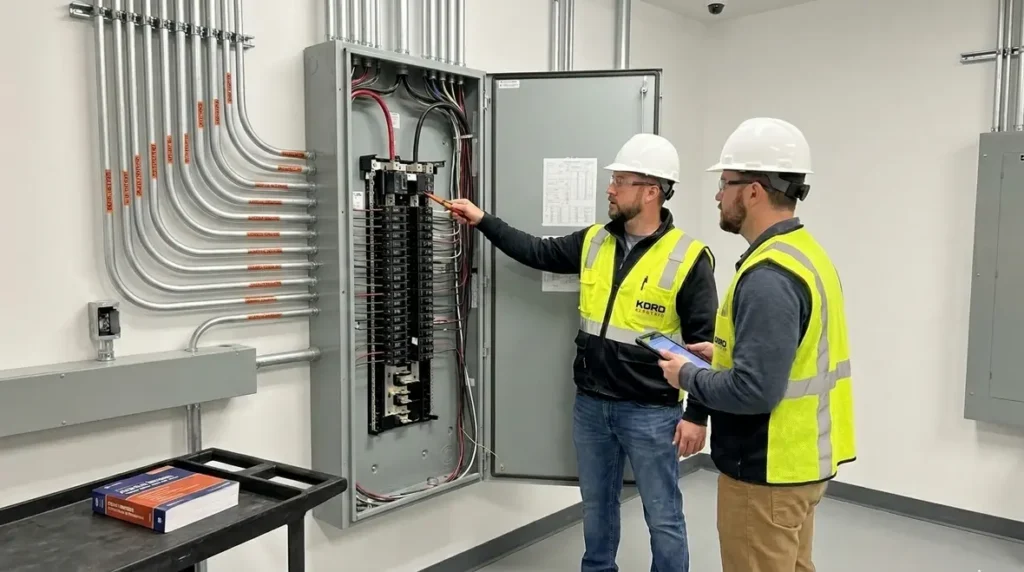
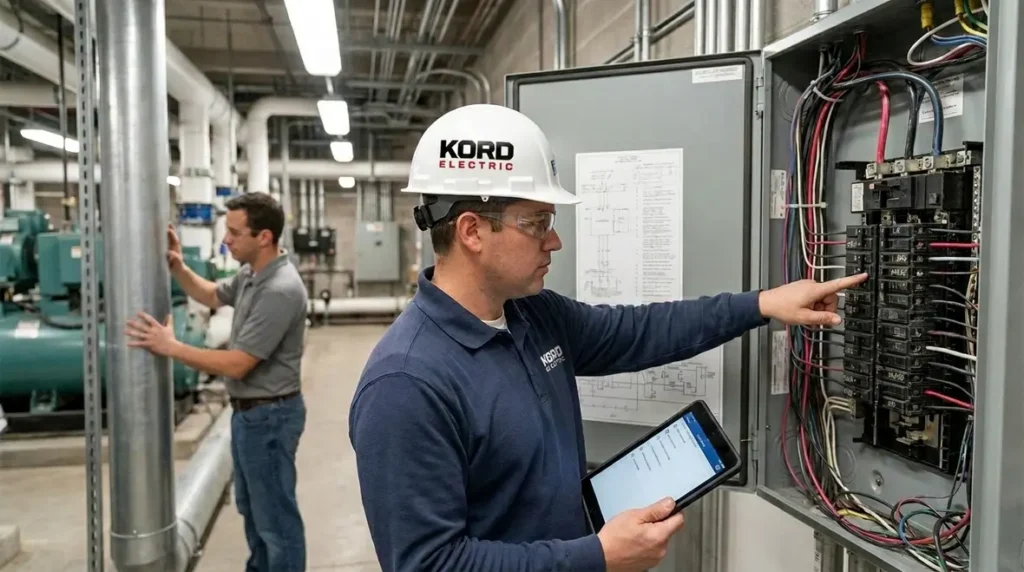
When we plan a commercial or industrial solar project, we do not treat grounding as “later work.” We treat it as a foundation step. Early in design, we align with NEC Section 690.47 PV grounding electrode system so the solar circuit has a clear path for fault current and lightning energy to move safely into earth. That one choice can prevent headaches for facility managers and busy electricians later. And yes, we have seen what happens when crews skip grounding details and then act surprised like it is a mystery plot twist. Our technicians and expert service staff explain the why behind each requirement, so your teams understand the system and can maintain it with confidence.
How the NEC shapes PV grounding for commercial power systems
The National Electrical Code is not just a thick rulebook that lives on a shelf. It is a practical guide that influences design, installation, inspections, and documentation. For large facilities, the stakes are higher. We routinely support major property buildings, warehouses, office campuses, manufacturing sites, and multi-tenant commercial rooftops. As a result, we plan grounding so it performs under real conditions: weather swings, maintenance activity, and long-term wear.
First, we look at where the grounded conductor and bonding points connect. Then we ensure the grounding electrode system meets NEC intent for resilience. Next, we coordinate with lightning protection, service grounding, and any separately derived systems on site. In other words, we treat PV grounding as a system, not as a random set of wires. Our technicians walk clients through the chain of decisions, because the best time to ask questions is before construction, not after an inspection fails. Pop culture would call that “saving the season.” We call it doing the job right.
What the NEC Section 690.47 PV grounding electrode system requires in practice
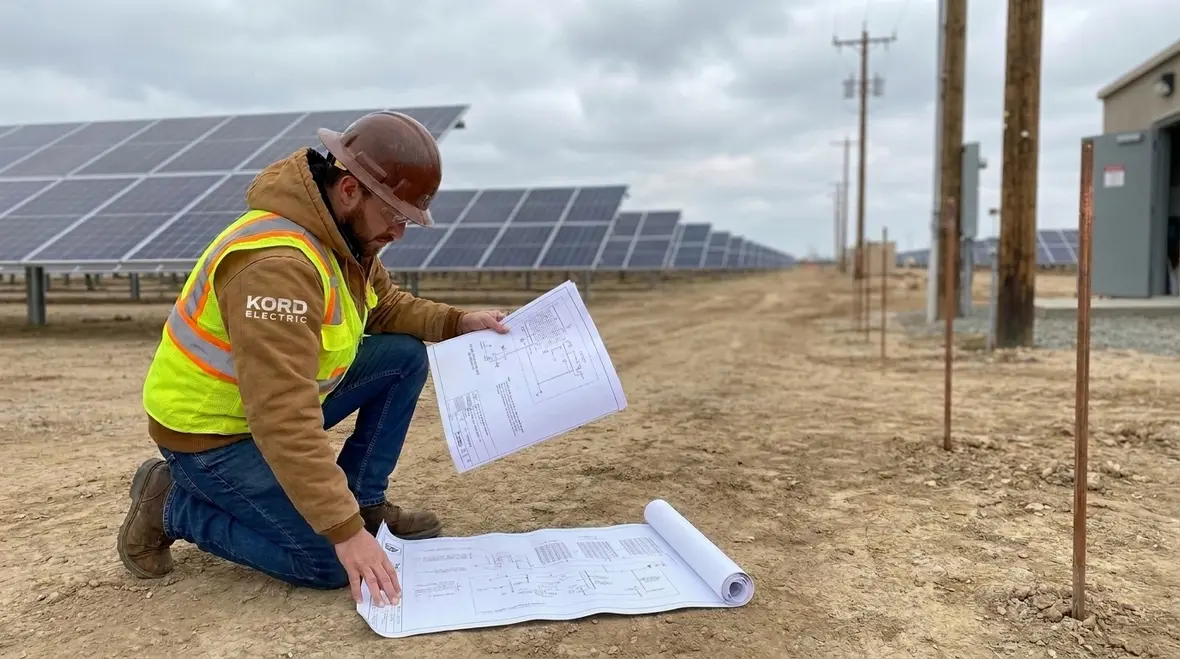
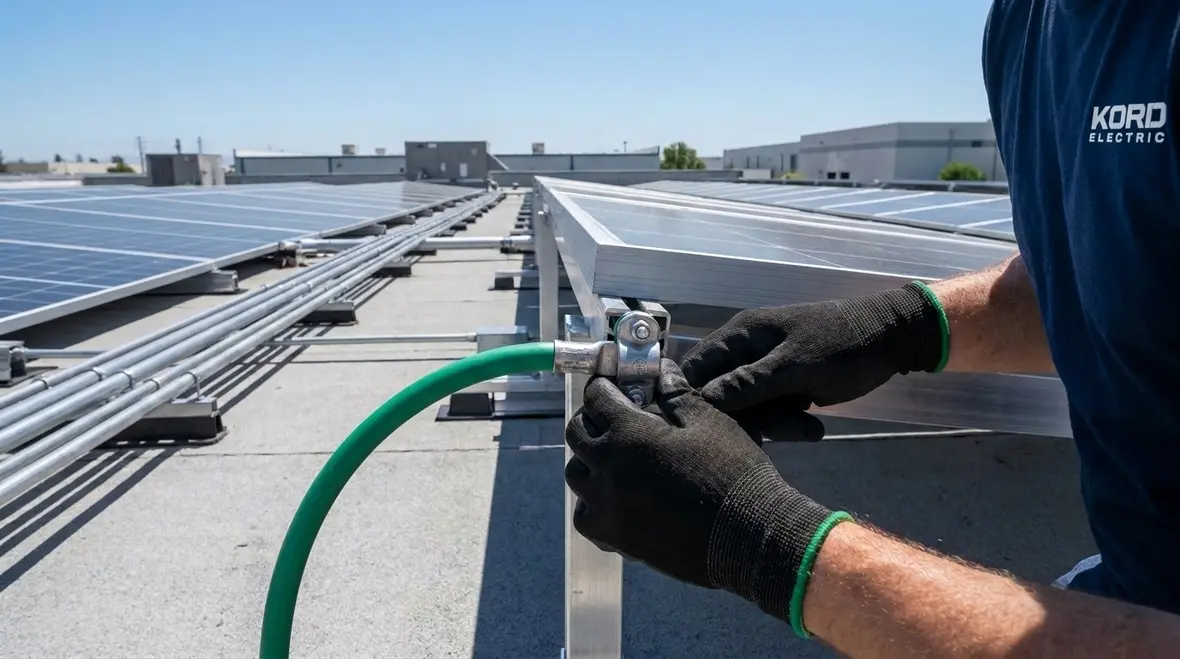
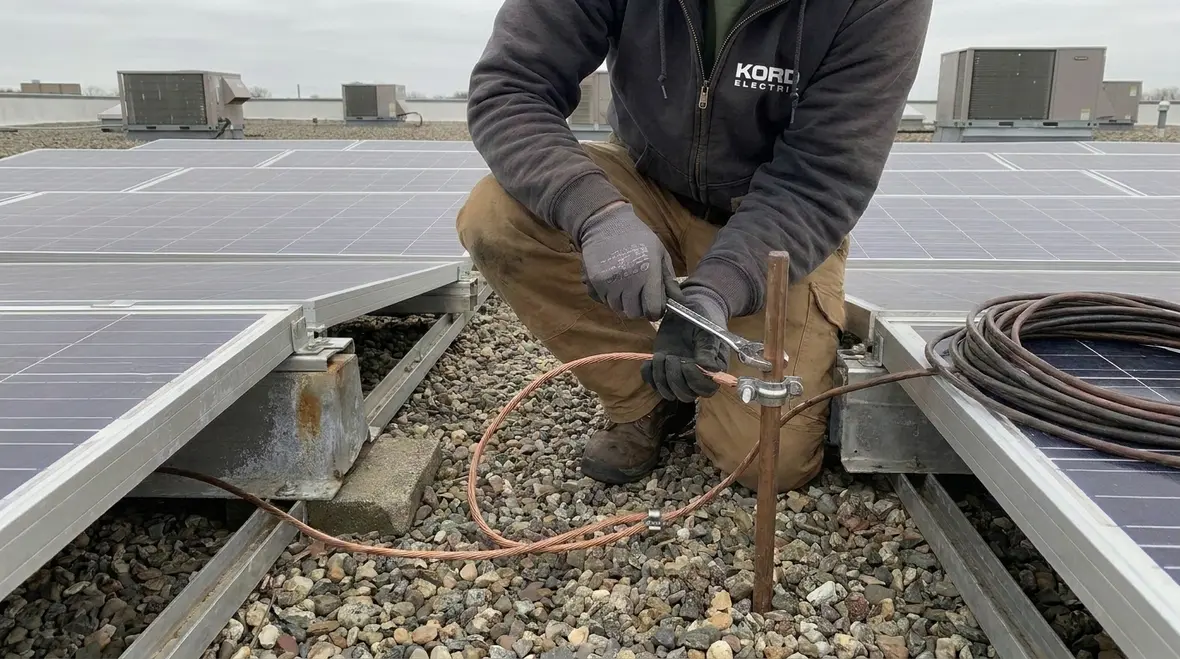
In the field, the NEC Section 690.47 PV grounding electrode system centers on connecting the PV array and related equipment to the site’s grounding arrangement in a way that supports fault clearing and surge control. While specifics can vary based on the array type, mounting method, and facility layout, the core goal stays consistent. We ensure an effective connection to earth that reduces the risk of shock and equipment damage. We also support code-compliant bonding so fault current follows designed paths.
Our expert service staff does not just read requirements. They translate them into install steps that your construction team can follow. For example, we verify electrode availability and placement, check conductor routing paths, confirm termination quality, and document what was installed. Additionally, we coordinate with roof penetrations and structural constraints so crews do not cut corners at the worst possible time. If you think “good enough” is a strategy, we politely disagree. Electricity does not respect optimism.
Grounding electrodes and bonding: the connection that prevents expensive surprises
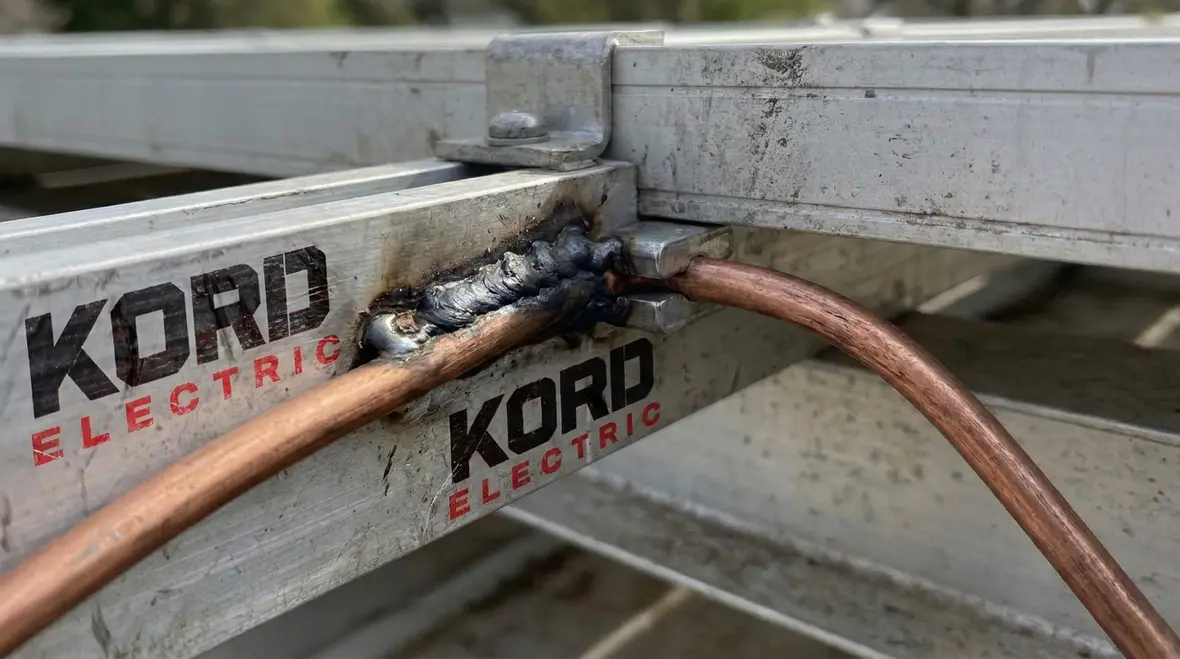
To keep a PV system stable and safe, we build proper bonding and grounding relationships across the installation. In commercial and industrial settings, that often means coordinating multiple sub-systems: the PV array, inverters, combiner boxes, metallic frames, raceways, and building grounding. Therefore, we treat bonding like the wiring of relationships. When the links are correct, the whole system behaves predictably. When they are not, different parts of the equipment can end up at different potentials, and that is when faults grow more complicated.
We also consider how grounding electrode conductors connect to the site’s broader electrode system. In major property buildings, the grounding grid and service equipment play a large role. So we verify compatibility with the building’s grounding electrode arrangement and confirm that field connections meet the standard of workmanship. Moreover, we plan for corrosion resistance, secure mechanical bonding, and proper labeling. Our technicians explain these details in plain language, because a facility team should not need a degree in electrical engineering to understand why the system will protect people and assets.
And for the record, “mystery grounds” are not a fun scavenger hunt. They are a safety risk with a billing code attached.
Lightning, surges, and fault current: how correct grounding helps performance
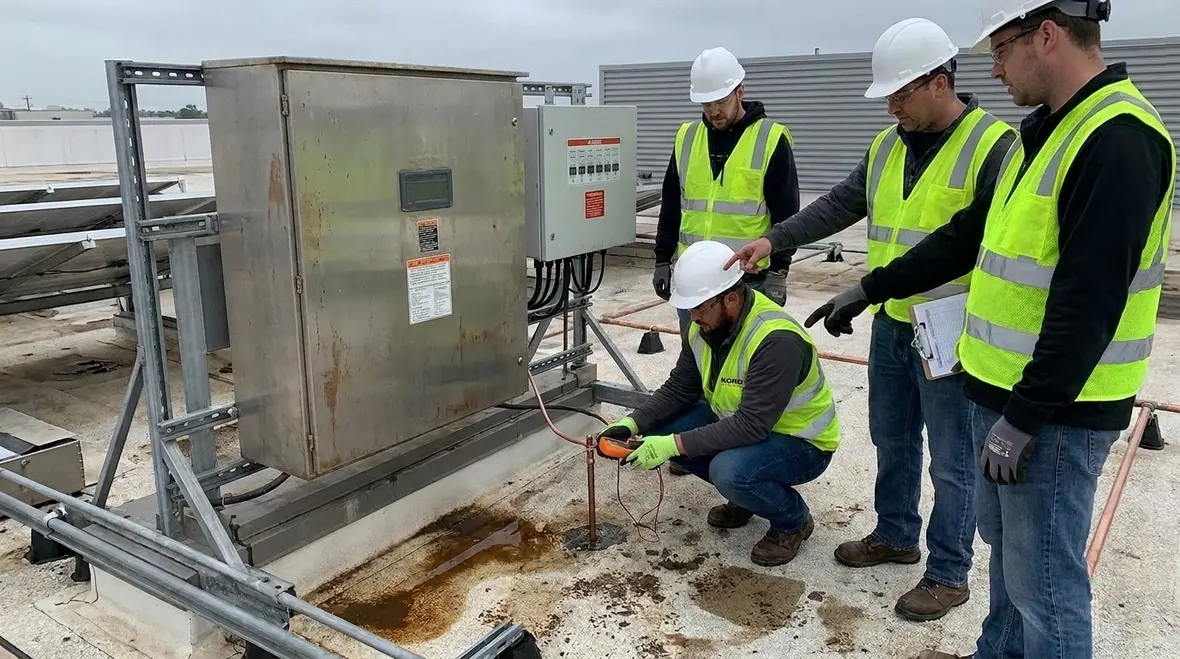
Fault current and surge energy do not politely wait for ideal conditions. Storms show up. Utility events happen. Equipment ages. That is why grounding must do more than pass an inspection. It must support the system’s ability to handle electrical stress.
When the grounding electrode system for PV aligns with NEC requirements, it provides a controlled path for fault current. As a result, protective devices can operate more reliably, and bonded metal parts remain at safer potentials. Meanwhile, surge events create transient voltages that can couple into conductive parts. Proper bonding and a code-consistent grounding approach reduce the risk of dangerous differences in voltage across equipment.
At Kord Electric, our approach for commercial and industrial facilities includes coordination with other protective measures already present at your site. For example, we align PV grounding with broader electrical infrastructure and help your team plan how lightning and surge protection integrate with the building’s existing design. If your project also involves fire pump controls and related electrical equipment, we make sure the overall system plan stays consistent and safe. We work with guidance from industry resources and our own internal standards so safety thinking stays broad, not narrow.
If your team is also reviewing broader NEC topics, our resource on understanding NFPA 70, the National Electrical Code explained for 2026 is a useful companion for grounding and PV planning conversations.
Installation workflow for large projects: design to documentation
Commercial and industrial solar projects move fast. Therefore, we use a workflow that reduces rework and keeps the project audit-ready.
Step one: review the site grounding and PV layout
Step one: review the site grounding and PV layout. We examine the building’s existing grounding arrangement, electrode access, and equipment locations. Then we map where PV frames, raceways, and inverters land in the electrical topology.
Step two: plan bonding routes and termination points
Step two: plan bonding routes and termination points. We specify conductor sizes, connection points, and routing paths that support mechanical protection and long-term reliability. We also plan for roof conditions so routing does not compromise water sealing or structural integrity.
Step three: coordinate with protection and inspection needs
Step three: coordinate with protection and inspection needs. We ensure grounding connects correctly to protective devices and that the installation aligns with inspection expectations. We also prepare the documentation your stakeholders will need later: what was connected, where it was connected, and why it meets the required standard.
Step four: verify field workmanship
Step four: verify field workmanship. Our technicians verify terminations, continuity, bonding integrity, and labeling. As a result, we reduce surprises during inspection and commissioning.
Here is how it looks in a simple dual view. We plan for safety and code, and we deliver it with traceable workmanship.
What we verify
- Electrode and conductor connectivity
- Bonding between metal parts
- Conductor routing and protection
- Termination quality and labeling
What we document
- PV grounding electrode pathway
- Equipment bonding map
- Installed materials and locations
- Inspection-ready notes for stakeholders
Common mistakes we prevent on PV grounding electrode systems
Even solid teams can trip over details when deadlines hit. We see the same categories of errors in the real world, and we help prevent them. First, crews sometimes treat PV grounding like an accessory line instead of a primary safety system. That mindset causes missed bonding points and incomplete electrode connections.
Second, we often find inconsistent bonding between PV frames, mounting hardware, and adjacent conductive structures. When those relationships are not established correctly, the installation may still “work,” but it does not work safely. Third, some projects suffer from poor termination quality or inadequate mechanical protection. And finally, documentation gaps appear. Without clear records, facility teams struggle during service calls, future expansions, or compliance checks.
Our expert service staff approaches these risks with steady, calm execution. They explain what matters most, then they verify it in the field. We do not rush. We align with NEC guidance and we keep commercial and industrial expectations in mind, because a major property building needs dependable outcomes, not temporary patches.
FAQ: NEC grounding and PV safety for commercial solar
Call Kord Electric for code-aligned PV grounding on your property
If you manage a commercial or industrial facility, you need PV grounding that holds up during storms, inspections, and long-term operation. We at Kord Electric bring expert service staff, clear explanations, and field verification to ensure your system aligns with NEC expectations, including PV grounding electrode requirements. Reach out and we will help you plan, install, and document grounding with confidence. Let’s keep your solar project safe, reliable, and ready for the next audit, because surprises are fine in movies, not on rooftops.
If your facility is in Southern California and you are planning solar or broader power upgrades, our Los Angeles County electrical services for commercial and industrial buildings provide a direct path to coordinated design, installation, and long-term support.
And when PV work is only one part of a larger electrical strategy, our broader Kord Electric blog resources on NFPA 70, surge protection, emergency power, and data-driven electrical design can help your team connect grounding decisions to the rest of your power story, one well-documented step at a time.