NEC Section 691.2 PV Station Equipment Listing Compliance
At Kord Electric, we work with commercial and industrial facilities, plus major property buildings where electrical safety is not a “someday” problem, it is an “everyday” job. So when teams ask what the NEC requires for modern power systems, we point them to the National Electrical Code rules that govern how things must be built and protected. For photovoltaic projects, one place we pay close attention to is NEC Section 691.2 PV station equipment listing. In plain terms, it helps ensure PV station equipment is listed for the purpose it serves, so the system behaves as intended when the weather, load, and time all decide to test it.
And yes, we know “equipment listing” sounds like paperwork you would find in a filing cabinet from 1997. However, our technicians and expert service staff treat it like a safety checkpoint, because the field does not care about our feelings, it only cares about what is installed and how it performs.
NEC fundamentals for PV stations in business buildings
For large facilities, electrical design is not just about getting power to work. It is about making power work reliably and safely under real conditions. That means considering how circuits are routed, how disconnecting methods work, how overcurrent protection is sized, and how system fault paths behave. The NEC ties all of that together, so inspectors can verify the installation meets a consistent standard.
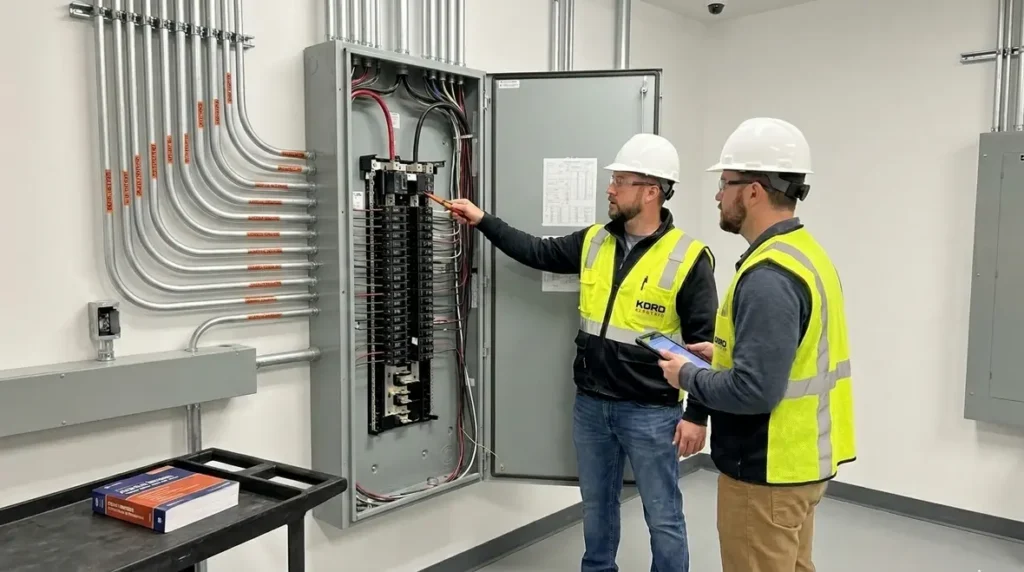
When we assist building teams, we typically start by mapping the electrical one line with the PV components. Then we align it with the NEC expectations for wiring, equipment, grounding, and protection. Importantly, we do this before the final install closes in the walls, because once conduit is buried and panels are labeled, corrections can turn into expensive scavenger hunts.
Transition to the right mindset matters. Instead of treating each rule as a separate box to tick, we treat the code like a system map. That is how our technicians explain the “why” behind the requirements, not only the “what.”
What NEC Section 691.2 means for listed PV station equipment
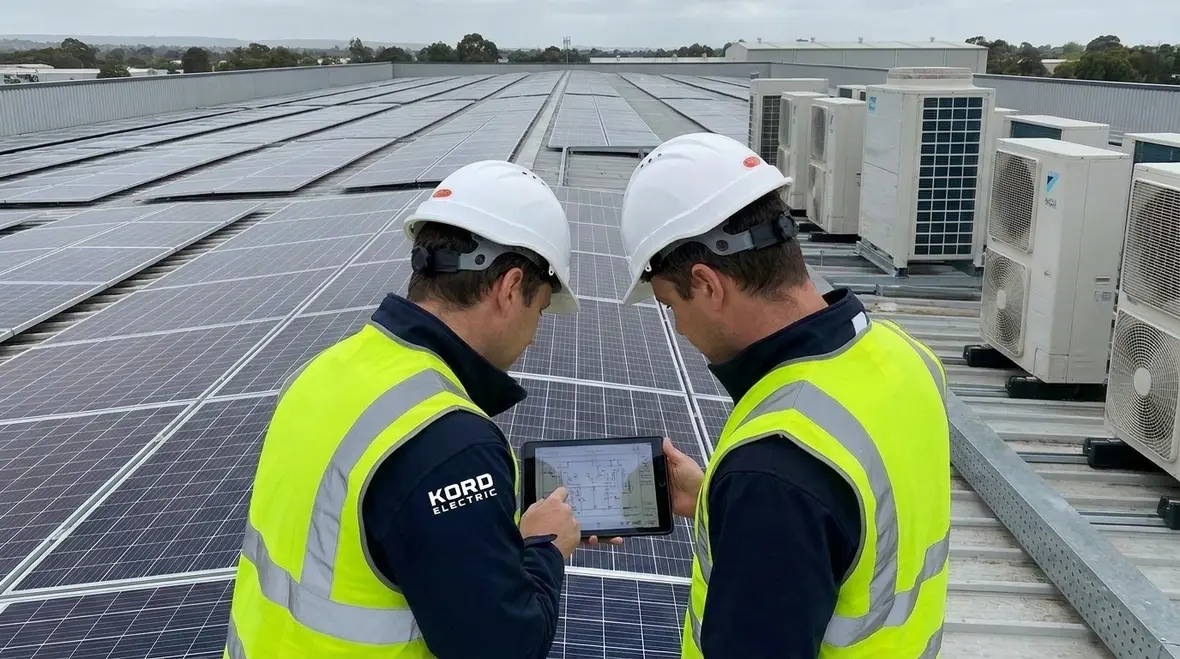
The heart of NEC Section 691.2 PV station equipment listing is simple: PV station components must be listed for their use. Listing is not a vague suggestion. It is a way to show that equipment went through testing and meets identified standards for safety and performance.
In real projects, this requirement influences choices in ways that matter. For example, teams must confirm compatibility between PV modules, inverters, rapid shutdown components, and PV station equipment. Also, they must ensure the labeled ratings match the installation approach. When the project team skips this step, systems can pass an initial check but fail under stress, like high temperatures, wet conditions, or unusual load behaviors.
Our expert service staff typically explains the listing process like a trusted ingredient list. You do not swap the main ingredient and then hope the recipe still works. Likewise, you cannot replace listed components with “close enough” parts and expect the system to behave predictably.
Listing is also about traceability. When you use properly listed PV station equipment, you gain access to manufacturer documentation, tested performance data, and clear application limits. That gives your project team and your Authority Having Jurisdiction (AHJ) something concrete to evaluate instead of guesswork based on appearance or assumptions. In environments where downtime and safety incidents both carry real financial impact, that traceability is not a luxury, it is part of how you protect the business.
For facility leaders who want more background on how the broader National Electrical Code shapes planning, an in depth resource like Understanding NFPA 70: The National Electrical Code Explained for 2026 shows how NEC language translates into decisions about equipment, protection, and inspection readiness long before anyone flips a breaker.
How listing affects inspection readiness and long term safety
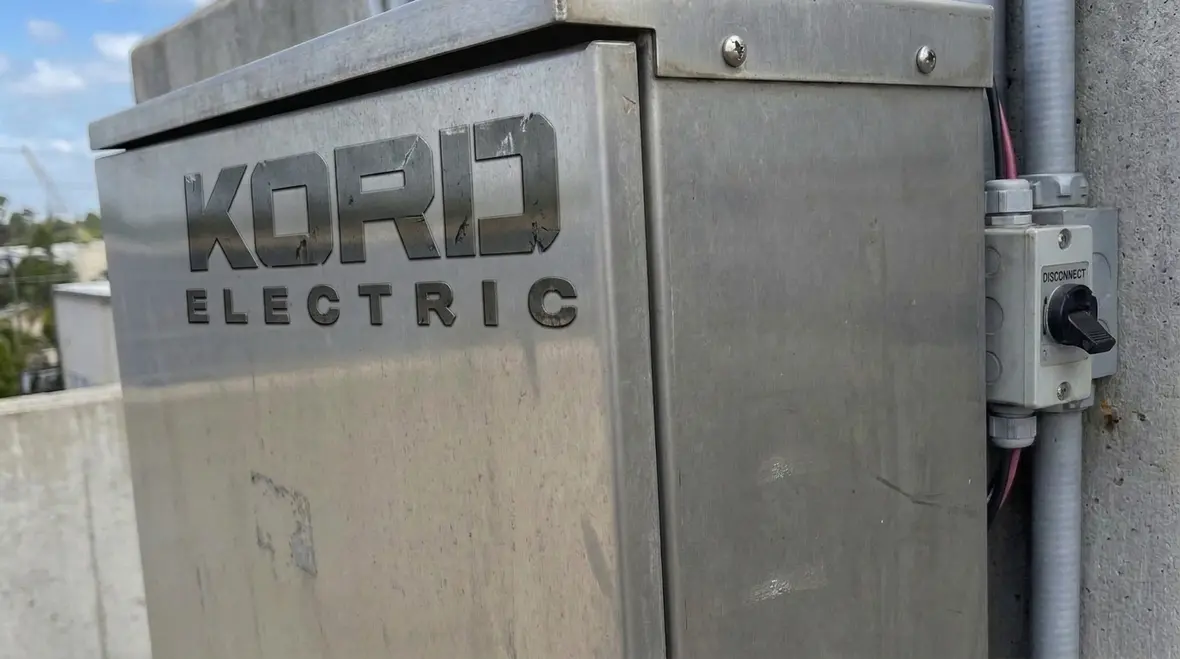
Large commercial and industrial buildings often face tight timelines, and inspection schedules can feel like a metronome you cannot stop. However, listing requirements help create a clear path for compliance. When equipment is properly listed and installed, inspectors can focus on verification rather than guesswork.
Just as importantly, listing supports long term safety. Components that are listed for PV station use typically come with defined electrical characteristics and safety performance. Over time, that helps reduce risk in areas like connection integrity, thermal behavior, and protective function response. And yes, the system still needs maintenance, but proper components make maintenance more effective, not less.
Transitioning from install to operations is where we see the biggest wins. We help facilities align documentation, labeling, and maintenance access with what the NEC expects at a functional level. When operations teams inherit the system, they get clarity instead of a mystery box with wires.
That clarity is especially important when buildings evolve. As loads grow, roofs fill with additional arrays, or electrical rooms gain new equipment, the original listing and documentation trail gives facility teams a stable reference. They can confirm whether proposed changes keep the system inside its intended ratings, or whether it is time to plan a structured upgrade instead of stacking more hardware onto an already stressed configuration.
Wiring methods, overcurrent protection, and grounding in PV stations
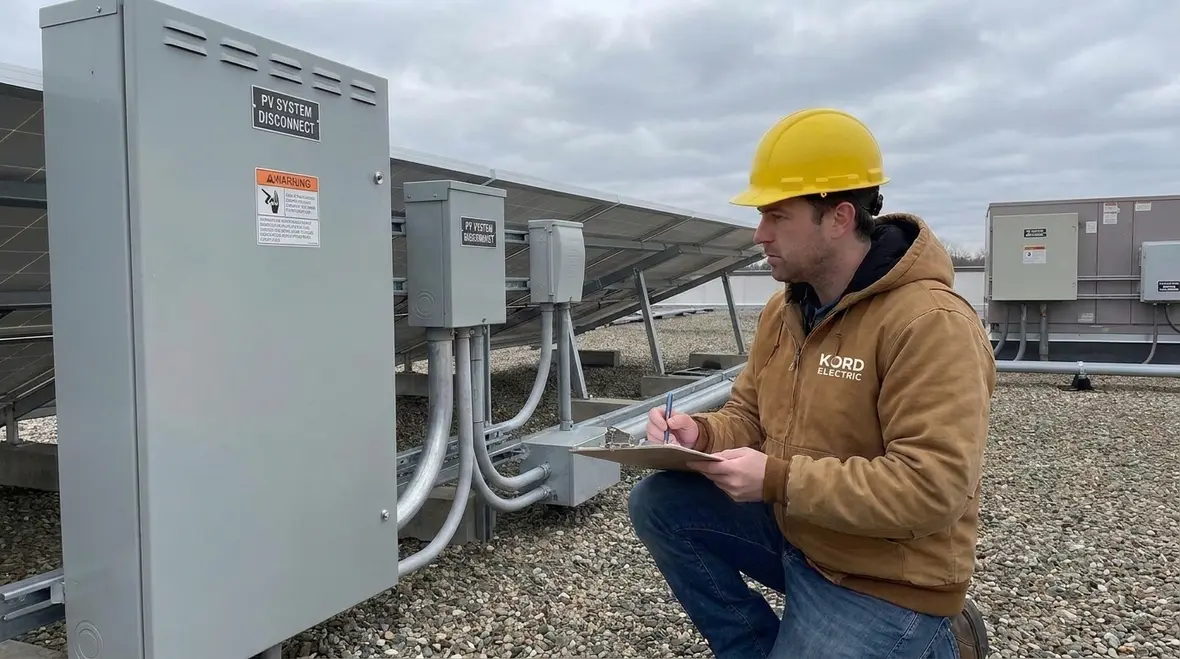
Even when PV station equipment is listed correctly, the installation details still decide whether the system stays safe. That is why we focus on wiring methods that match the environment. Conduit routing, conductor insulation type, bends and support spacing, and protection from physical damage all play a role in how reliably the system holds up.
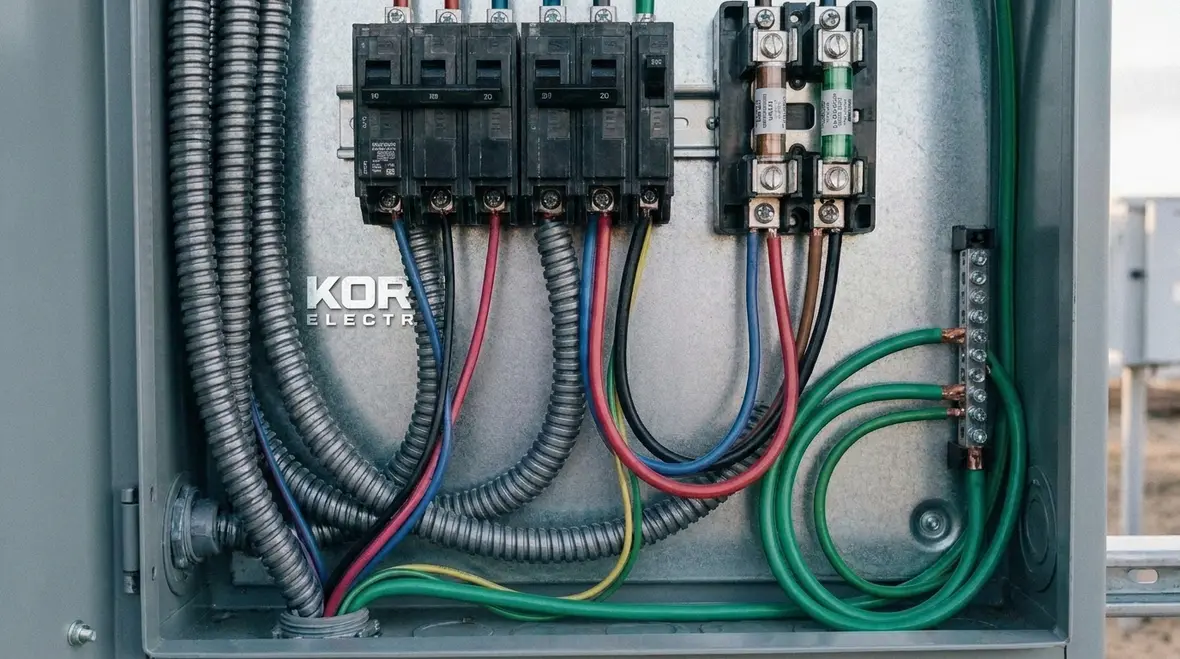
Next comes overcurrent protection. The PV system must protect against fault conditions and ensure protective devices behave as designed. For commercial and industrial sites, this includes coordination between PV source circuits, combiner functions, and downstream panel protection. If protective devices are misapplied, fault current paths can get messy, and messy is a technical term for “bad day at the office.”
Grounding and bonding also matter. They define how fault current moves and how exposed conductive parts remain at safe potential. Therefore, teams must follow code expectations for bonding jumpers, grounding electrode systems, and equipment grounding conductors.
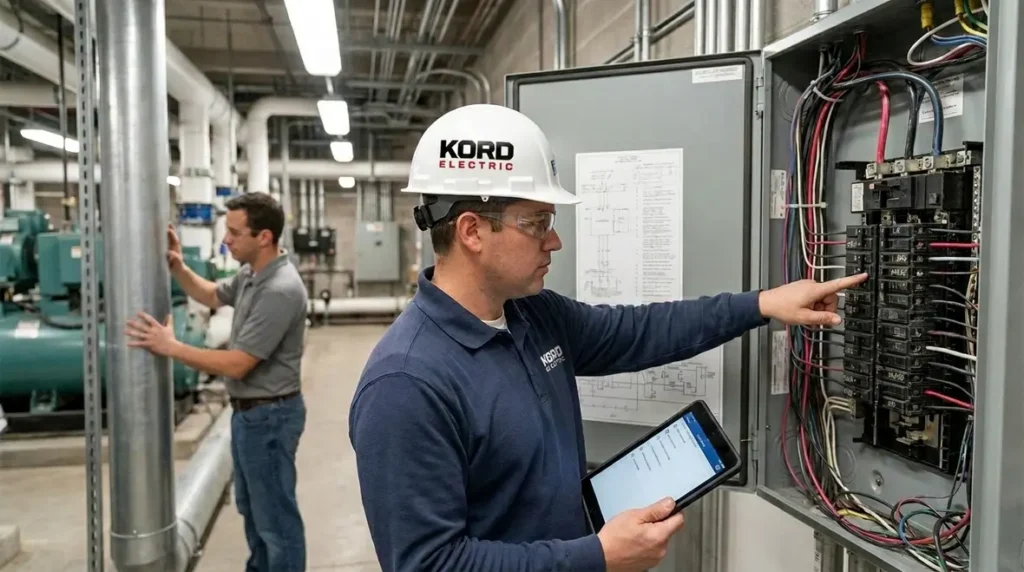
Our technicians explain these steps in a calm, practical way. They break down where a fault would go, how protective devices should clear it, and what the facility should expect during commissioning. That way, the system is not only code compliant, it is operationally understandable.
For project teams that like to see the numbers behind the decisions, we often align these wiring, protection, and grounding choices with conductor and loading discussions similar to those covered in resources like NEC focused conductor sizing guides. Seeing how ampacity, temperature ratings, fault current, and physical routing connect to NEC rules makes it easier for owners and operators to understand why “looks neat” is not enough. The system has to clear faults correctly in the real world, not just pass a visual walk through.
Rapid shutdown, labeling, and operational clarity for facility teams
One reason large buildings experience PV projects smoothly is because operations staff understand what to expect. That includes shutdown behavior during emergency response and how PV circuits are identified. When labeling is clear, and when shutdown functions align with the code framework, facility teams can act quickly instead of hunting through panel doors like it is an escape room.
Rapid shutdown requirements affect how components are arranged and how circuits are monitored. While our team handles the electrical design and installation coordination, we also guide the operations side. We help ensure labeling matches the actual field configuration. We also assist with documentation that supports training for maintenance and emergency readiness.
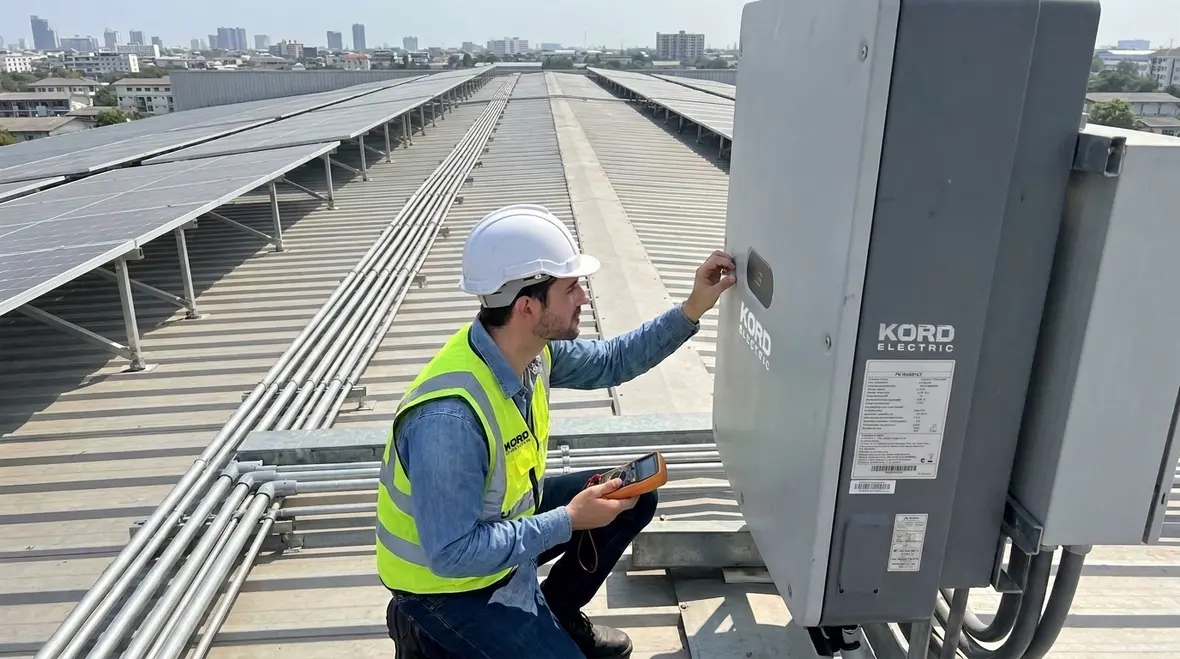
In addition, we encourage facilities to plan access. PV systems live in real spaces: rooftops, plant rooms, and equipment corridors. So we verify that pathways stay usable, and we help reduce the chance of “temporary” modifications that linger for years.
When operations leaders connect rapid shutdown behavior, labeling, and access planning back to NEC Section 691.2 PV station equipment listing, the project suddenly feels less abstract. They see how listed devices, documented functions, and clear markings all tie into the same goal: allowing people to work on and around the system without guesswork, especially when time pressure is high and emergency responders are involved.
Using code guidance to plan PV station upgrades without downtime chaos
Many of the commercial and industrial clients we serve want PV upgrades that work with existing electrical infrastructure. That means we must integrate new PV station equipment with the facility’s electrical one line, utility interconnection approach, and available panel capacity. In other words, we do not just bolt on new hardware and hope the building computer agrees.
We start by reviewing the existing switchgear, transfer equipment if relevant, grounding and bonding details, and available raceways. Then we align the PV design with code-required conductor routing and protection methods. After that, we plan commissioning so the facility can minimize downtime. Transition words matter here because scheduling matters: first we verify capacity, then we confirm protective coordination, next we validate labeling and documentation, and finally we test and commission.
For teams that need additional context on electrical code updates and safe planning, we point them to guidance from trusted industry sources such as Kord Fire and code related resources. Many clients also reference fire and electrical coordination topics from fire-focused organizations like FirePumps, because rooftop systems and electrical safety often overlap during emergency planning.
Upgrades also create an opportunity to correct older decisions that no longer match current NEC expectations. That could include replacing non listed legacy components, cleaning up ad hoc labeling, or reworking cramped raceway runs that complicate maintenance. When you combine fresh PV capacity with cleaned up infrastructure, the building gains both efficiency and clarity. It is the difference between adding one more file to a messy desk and taking the time to organize the entire cabinet.
Two perspectives: how Kord Electric and Kord Fire think about safety
Safety does not sit in one department. Therefore, we often align our approach with fire safety thinking, especially on commercial rooftops, PV access points, and electrical rooms. Our approach stays grounded in installation correctness and compliance, while Kord Fire emphasizes readiness and coordination from a fire safety perspective. Together, we help teams reduce surprises during inspections and during actual events.
Electrical compliance lens (Kord Electric)
We verify listed PV station equipment selection, wiring methods, protection, grounding, and labeling. Then we commission and document so the facility can operate confidently.
Fire and emergency readiness lens (Kord Fire)
We support coordination on how systems affect emergency response, access, and safe procedures. That helps teams plan for real world conditions, not just theory.
And if that sounds like overkill, remember: the only thing worse than paying for a safety fix is being forced to pay for one after an incident. We prefer the first option. Our technicians do too, mostly because they like going home on time.
For facility owners and managers in regions like Los Angeles County, where complex commercial infrastructure and strict inspection expectations meet head on, pairing electrical expertise with a structured service offering keeps PV projects from turning into stress tests. A regional service overview such as Los Angeles County electrical services for commercial and industrial facilities shows how PV work can be coordinated alongside broader distribution, backup power, and safety driven upgrades.
FAQ
Ready to plan a PV project the safe way?
If your commercial or industrial site is moving toward a PV station, we can help you build it right from day one. Kord Electric works with your team to align PV station equipment choices, wiring methods, protection, grounding, and labeling with NEC expectations, including NEC Section 691.2 PV station equipment listing. Then we commission and document so your facility operations team can maintain the system with confidence. Call Kord Electric today to schedule a code focused review and get your project on a steady, compliant path.
If you want even more context as you plan, pairing this PV focused guidance with resources like their National Electrical Code explainers, practical “how to read NFPA 70” guides, and data driven design content helps you see where PV stations fit inside the bigger picture of your electrical and fire protection strategy. The result is a project that does not just pass inspection once but stays ready, understandable, and safe for the long haul.