NEC Section 692.15 Fuel Cell Equipment Disconnect Requirements
In commercial and industrial facilities, rules around electrical disconnects matter because they can mean the difference between a safe shutdown and an expensive surprise. Early in the process, we focus on requirements tied to NEC Section 692.15 fuel cell equipment disconnect, because fuel cell systems bring their own safety logic. Then we help our clients meet it with planning, correct labeling, and dependable installation practices. Our technicians do not just wire and walk away. Instead, they explain what they are doing, why it matters, and how the system should behave when someone needs to isolate it. If you have ever seen a “disconnect” that no one can find in an emergency, you already know the vibe we avoid. We build clarity, not confusion.
Why NEC Section 692.15 fuel cell equipment disconnect requirements matter
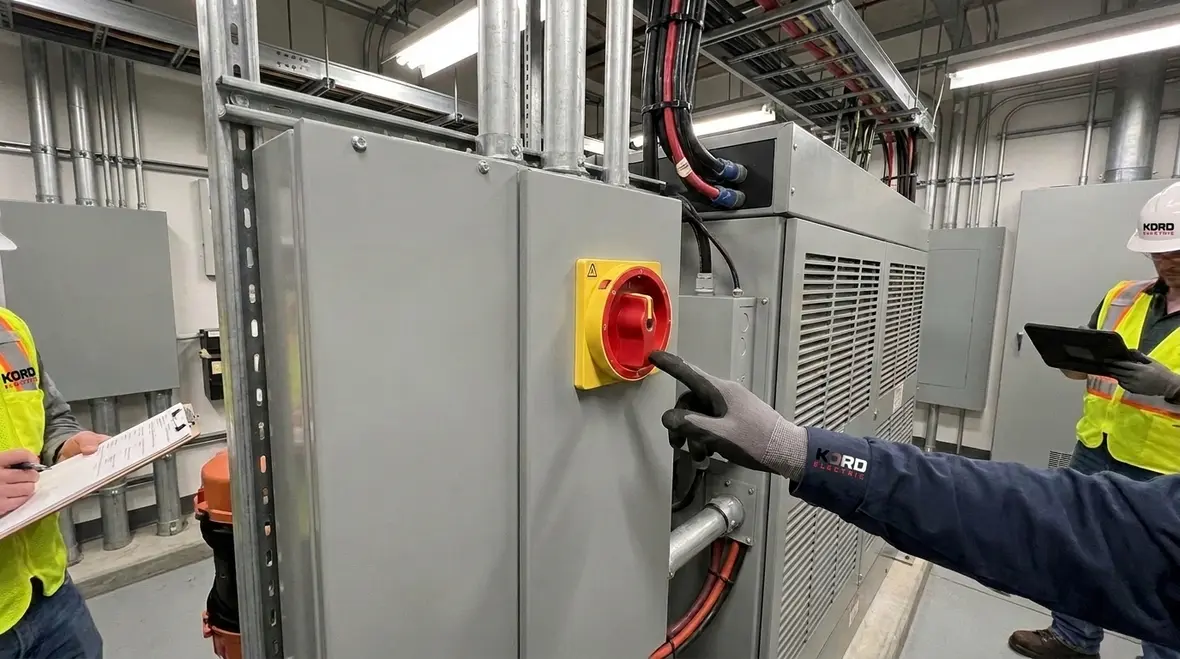
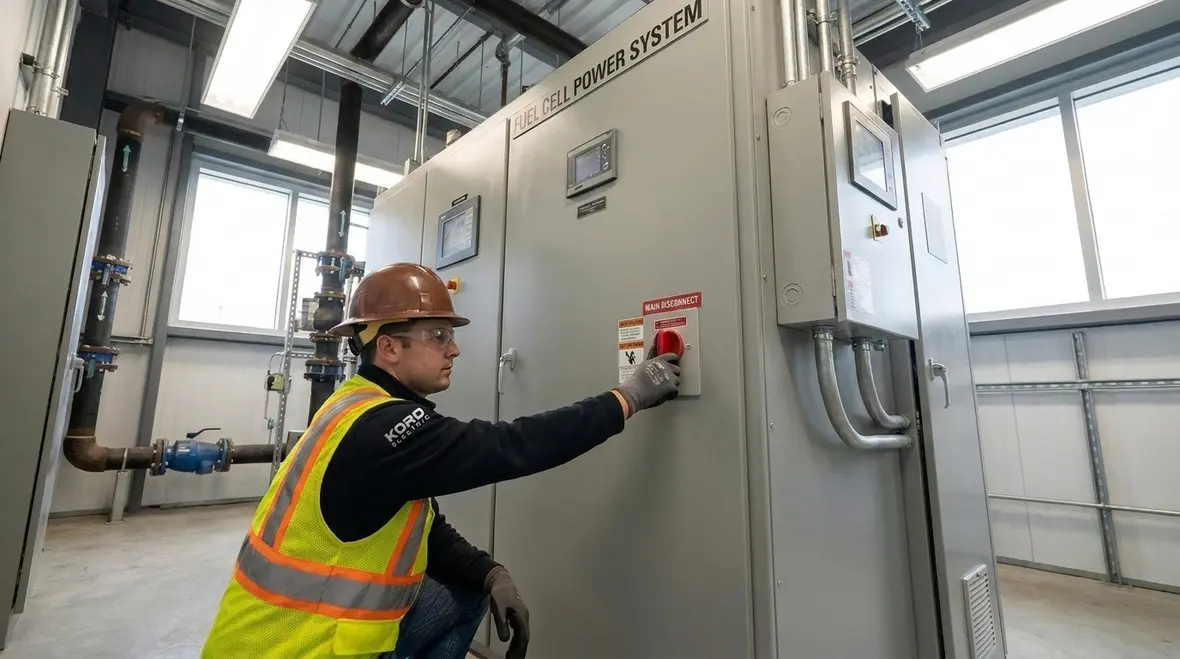
When a fuel cell system operates, it can generate electricity and heat, and it can also interface with storage, power conversion, and protection devices. As a result, isolation must be predictable and straightforward for trained responders. In the NEC framework, the NEC Section 692.15 fuel cell equipment disconnect concept centers on having a specific means to disconnect fuel cell equipment, designed so qualified personnel can control the hazard in a planned way.
Our expert service staff typically starts by mapping the power path. Then we identify where the disconnect should act, and how it must coordinate with other protective equipment. However, the work does not end at a single device choice. We also confirm that the disconnect arrangement matches the electrical scheme, the location requirements, and the operational intent of the facility.
Think of it like a movie theater emergency exit. The sign is not just decoration. The exit must actually work when people need it. Likewise, the disconnect must be the right one, in the right place, and integrated with the rest of the system. And no, we do not want it to be “technically somewhere there,” like a misplaced remote in a couch.
How we interpret the National Electrical Code for 2026 fuel cell systems
The National Electrical Code evolves, and commercial and industrial sites must keep up without chaos. We approach this by treating the NEC like a living safety system. We review the 2026 update intent, then we translate it into practical installation and documentation steps. For teams who want a deeper code-level foundation, we often pair these projects with our broader NEC resources such as Understanding NFPA 70: The National Electrical Code Explained for 2026, so everyone shares the same rulebook before equipment lands on site.
From there, our technicians walk through the major decisions that affect fuel cell and related electrical components. For example, we look at disconnect functions, arrangement, accessibility, and how protective devices work together. Next, we check whether the facility’s existing electrical distribution can support the intended integration without creating unsafe backfeed paths or unclear isolation points.
To keep things grounded, we do not rely on “it should be fine.” Instead, we verify. We check the site one zone at a time. We also align our approach with how other referenced guidance is typically applied in major property buildings, including how fire and electrical stakeholders coordinate on shutdown scenarios.
If you are reading this and thinking, “That is a lot,” you are right. But in the real world, a safe disconnect arrangement reduces confusion during alarms, maintenance, and fault conditions. And confusion, as any project manager knows, costs money faster than overtime.
What a proper disconnect arrangement looks like in real facilities
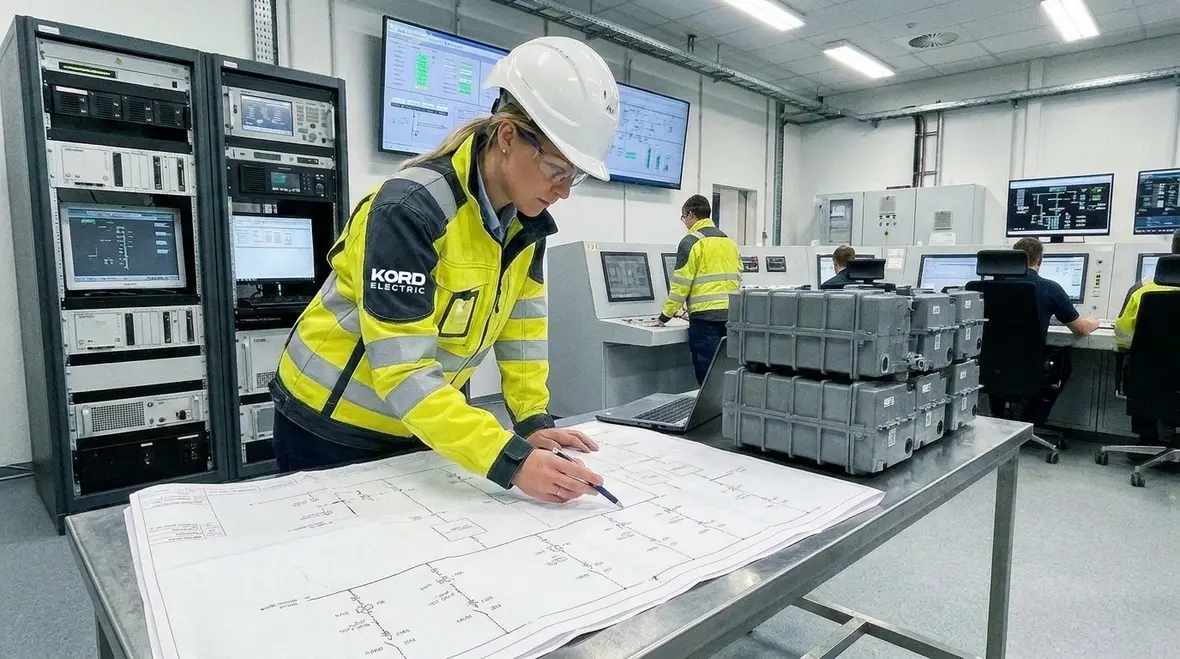
In major commercial and industrial buildings, a fuel cell system often connects into a larger electrical architecture. Therefore, the disconnect must not only meet code intent, it must behave correctly within the overall design. That means we examine where the disconnect fits relative to service equipment, transfer equipment, inverters or converters, and protective relays.
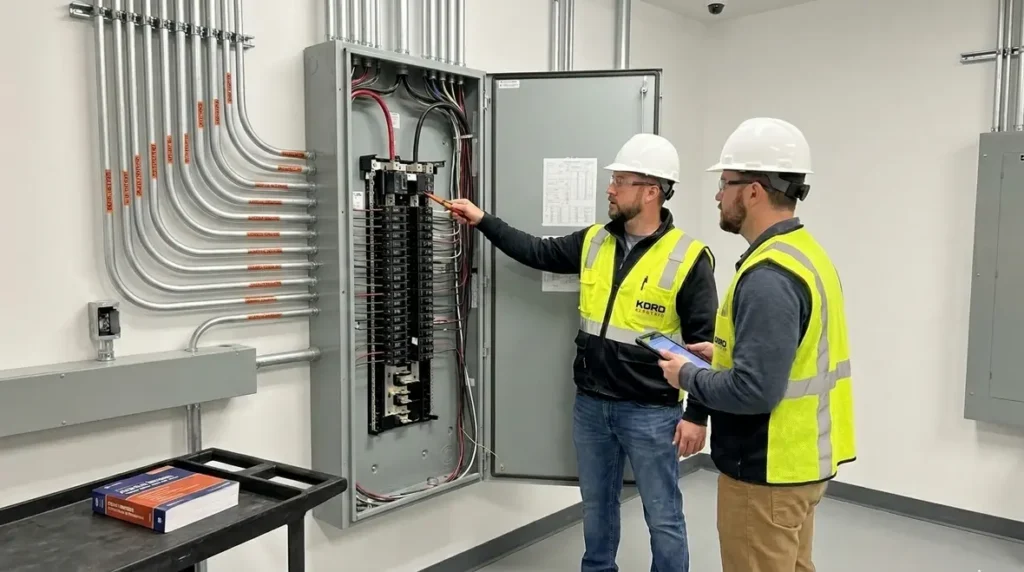
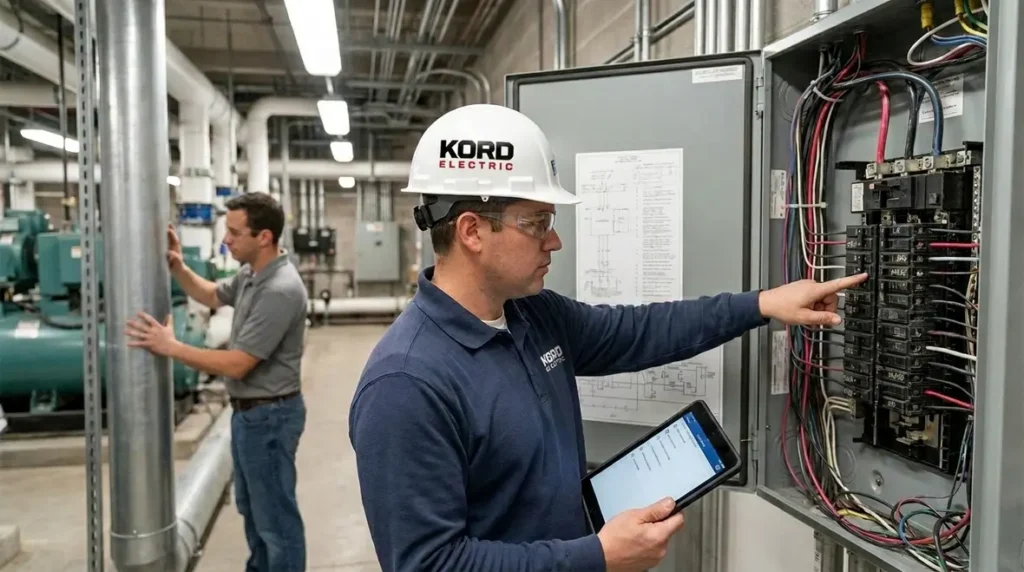
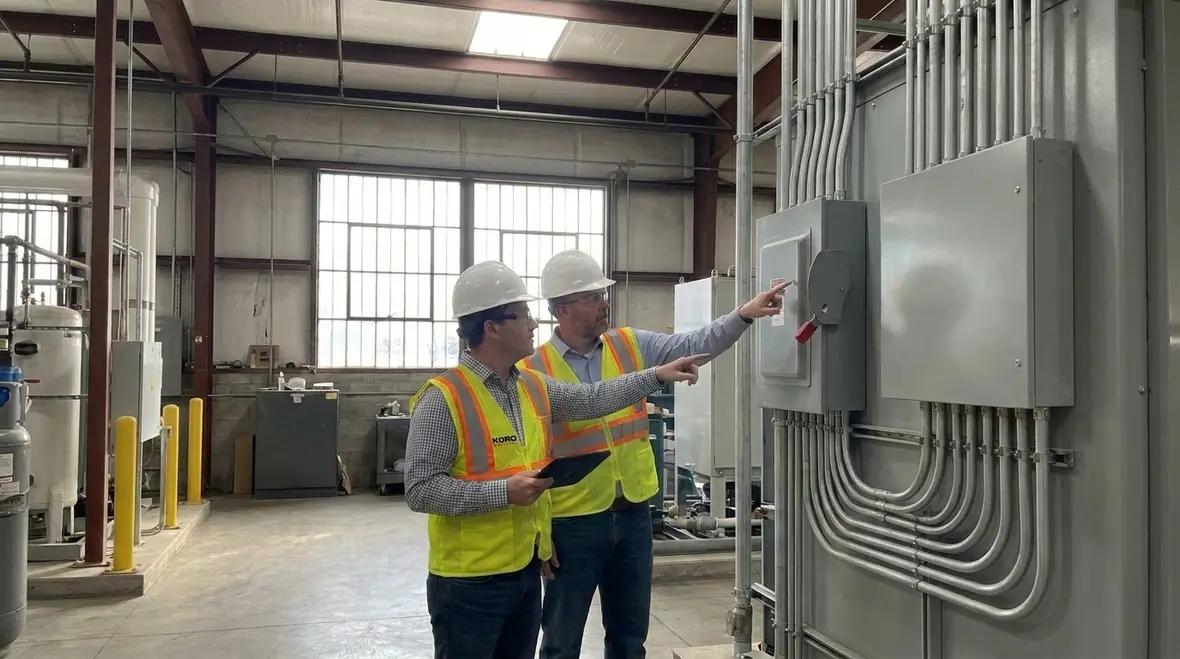
Our team uses a practical checklist approach. First, we confirm the disconnect location supports safe operation by qualified personnel. Then we evaluate labeling and access so responders can identify the correct switch without hunting. After that, we verify that the disconnect can perform its isolation role with the system operating conditions in mind.
Next, we coordinate with facility teams to ensure maintenance procedures match the physical layout. In other words, we do not just ask, “Does the disconnect exist?” We ask, “Can the site team use it under stress and follow the right steps in the right order?”
Finally, we support ongoing compliance. That includes updating documentation and helping stakeholders understand how the disconnect interacts with the rest of the electrical system. Our technicians explain it in plain terms during walkthroughs, so others do not have to guess what the equipment is supposed to do.
Common compliance gaps we find during reviews
Even solid projects can miss details. Because of that, we run structured reviews for commercial and industrial sites before final acceptance and during periodic audits. And yes, we do find issues that make you want to laugh, until you remember they are in your building, not a fictional TV set.
Here are gaps that show up more often than people expect.
Unclear isolation scope: The disconnect is installed, but the shutdown path does not match the intended hazard control narrative for qualified staff.
Access and identification problems: The device exists, yet labeling is incomplete, hard to read, or placement creates delays.
Coordination issues: Protective devices and control logic do not align with the disconnect behavior, leading to confusing states during maintenance.
Documentation mismatch: As-builts do not reflect what is actually installed, which can break compliance during inspections.
Interface oversights: Fuel cell outputs connect into equipment where isolation of one section does not fully isolate the hazard path.
To address these, we work with other trade partners where needed, and we keep communication clear. Moreover, we do not treat the disconnect like a standalone part. We treat it like a control point inside a bigger safety plan.
How we coordinate electrical and fire safety in major property buildings
On real projects, electrical safety does not live alone. Fire safety teams and electrical teams must share a common understanding of shutdown and response actions. Because of that, we coordinate with stakeholders early, especially when fuel cell systems are involved.
We align on what happens when alarms activate, when maintenance starts, and when an isolation event occurs. Then we help ensure that the electrical shutdown approach supports the facility’s emergency procedures. If a building has multiple power sources, we focus on how isolation affects each source and how that information gets conveyed to qualified personnel.
Our technicians also pay attention to how systems integrate with building electrical rooms, service areas, and access corridors. As a result, disconnects and related equipment stay reachable and correctly marked. And when questions arise, our expert staff walks through the sequence with the people who will actually use it.
We also keep a wider safety context in mind, including guidance commonly used by fire protection organizations and industry references. For example, teams often cross-check how electrical shutoffs relate to fire suppression operations and safe conditions for responders. We support those workflows by delivering clear details and consistent labeling.
By doing this, we avoid the classic scenario where electrical and fire teams are both confident, but in two different directions. That is not a safety strategy. That is a sitcom.
Practical next steps for compliance and commissioning
If your facility uses or plans to use a fuel cell system, start with a disciplined plan. First, confirm the equipment scope and the single line diagram for the electrical path. Then map where isolation must occur and how the disconnect will coordinate with the rest of the system.
Next, involve our team early in the design review. We review the arrangement for readability, access, and labeling, and we check how isolation supports maintenance and emergency operations. After equipment selection, we verify installation details on site. Then we help commissioning teams test the behavior in the planned sequence, with documentation updated so future inspections and maintenance remain accurate.
We also provide training support for facility staff. Our expert service staff explains what to do, what not to do, and how to confirm safe states before work begins. In commercial and industrial environments, that training matters because people change shifts, and processes need to stay consistent.
Finally, we help maintain compliance over time with periodic reviews. Electrical systems evolve, so we ensure the disconnect arrangement still matches the facility’s current configuration and the intended safety approach. When fuel cell equipment ties into broader distribution upgrades, we also coordinate with related work such as feeder sizing, diagram updates, and grounding details that we cover in other NEC-focused resources across our Kord Electric blog library.
FAQ
How does NEC coverage relate to fuel cell setups in commercial buildings?
NEC requirements guide disconnect arrangement and safety behavior so the system supports predictable isolation and coordinated protection. For major property buildings, that means clear integration with the site’s electrical distribution and emergency planning. In our work, we often pair fuel cell projects with broader NEC planning support, from conductor sizing and feeder diagrams to grounding and overcurrent protection, so the fuel cell equipment does not feel like a bolt-on extra but like a fully integrated part of the electrical story.
For facilities across Los Angeles County and surrounding regions, this also ties into how everyday services are delivered. Our team handles these projects as part of our Los Angeles County commercial and industrial electrical services, where fuel cell integration sits alongside emergency power, distribution upgrades, and code-driven modernization work.
Conclusion: talk with Kord Electric before the inspection clock starts
At Kord Electric, we serve commercial and industrial facilities, and we treat fuel cell electrical safety as a coordinated system, not a single device install. Our technicians and expert service staff explain the reasoning, verify details on site, and help your team commission and maintain safe isolation procedures. If you want fewer surprises and smoother compliance, contact us to review your design, installation, and documentation. Let us help you get this right the first time, so your next inspection feels more like a routine meeting and less like a pop quiz.
Note: For additional industry context, clients often also review supporting guidance from Kord Fire and related fire and safety resources, including code explainers such as NFPA 70: All About the National Electrical Code (NEC) 2026, which complements our own NEC resources when teams plan fuel cell projects.