NEC Section 694.66 Wind Operating Voltage Range Guide
NEC Section 694.66 wind operating voltage range: what commercial sites must know
At Kord Electric, we work on commercial and industrial facilities where power systems cannot shrug, hesitate, or “figure it out later.” That is why we start with the NEC Section 694.66 wind operating voltage range inside the first steps of planning. For wind energy systems, this range guides how equipment must be selected and used, so safety stays intact from the first connection to the final inspection. In plain terms, we use the correct voltage operating window, and our technicians build the job around it. That way, we reduce risk and avoid the kind of surprises that show up after hours, like a pop quiz you did not study for. And yes, we have seen that happen.
What the National Electrical Code requires for wind generators
The National Electrical Code, or NEC, lays out rules that help protect people, property, and equipment. It does not do this with vague advice. Instead, it uses clear requirements that influence design, installation, protection, and testing. For wind systems, this means the electrical portion of the project must match the system’s rated behavior and the operating conditions in the field.
When we review wind projects for commercial and industrial buildings, our expert service staff explains the “why” behind each rule, not just the “what.” For example, voltage and system behavior drive how conductors, overcurrent protection, disconnects, and grounding components must work together. Likewise, the Code expects installers to consider how the system can fail, not just how it can perform at its best.
Then we apply those principles to the real world. Weather changes. Loads shift. Maintenance happens. Therefore, we build electrical plans that stay stable across those changes and still meet NEC expectations.
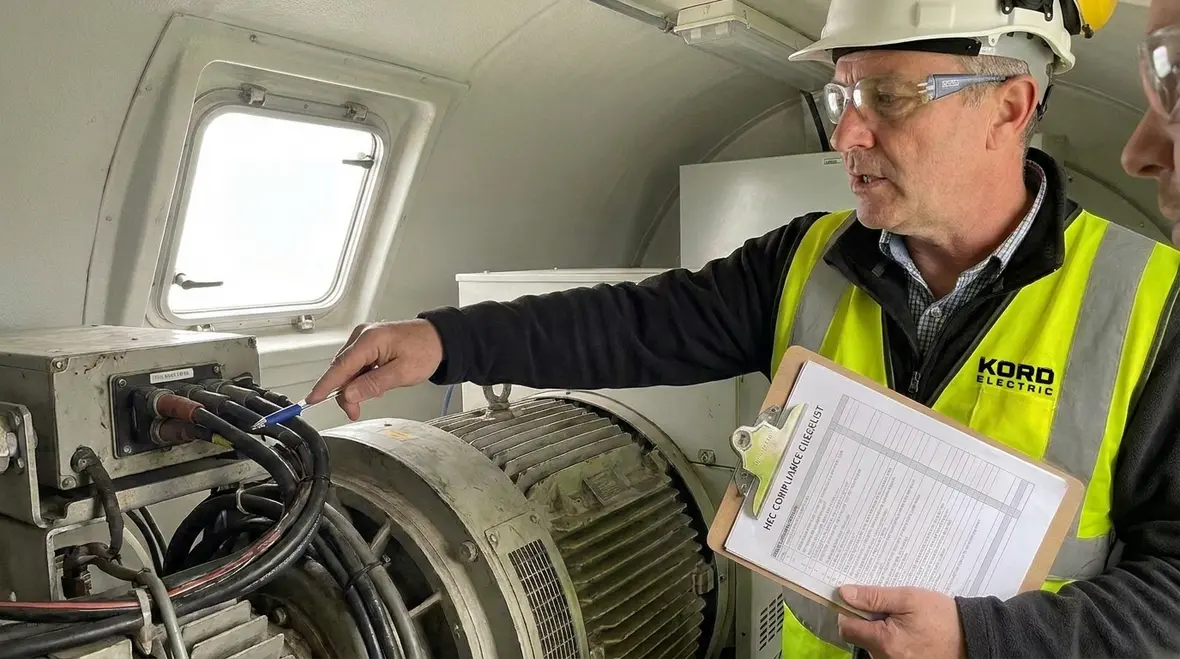
How wind operating voltage range affects design choices
Once a project involves a wind generator, the voltage operating values you choose directly shape your design decisions. For a commercial or industrial facility, we treat this as a systems issue, not a checkbox. After all, a site is not a science fair. The equipment must function reliably, and safety must remain predictable.
Here is how the NEC Section 694.66 wind operating voltage range and its related concepts show up in decisions:
- Conductor selection: Conductors must handle expected voltage and current conditions, including normal operation and fault conditions.
- Disconnect and isolation: You need isolation points that match how the system will operate and be serviced.
- Equipment ratings: Switchgear, inverters where used, and protection devices must meet voltage and duty requirements.
- Protection coordination: We align overcurrent devices and protection so faults clear without creating cascading failure.
- Grounding and bonding: Proper bonding supports fault current paths and improves safety.
And importantly, the Code does not ask you to guess. It expects you to calculate and select based on defined requirements. Our technicians walk through these items step by step, and we make sure the design matches the electrical facts, not a rumor someone heard in a warehouse break room.
NEC 694.66 in practice: inspections, safety, and documentation
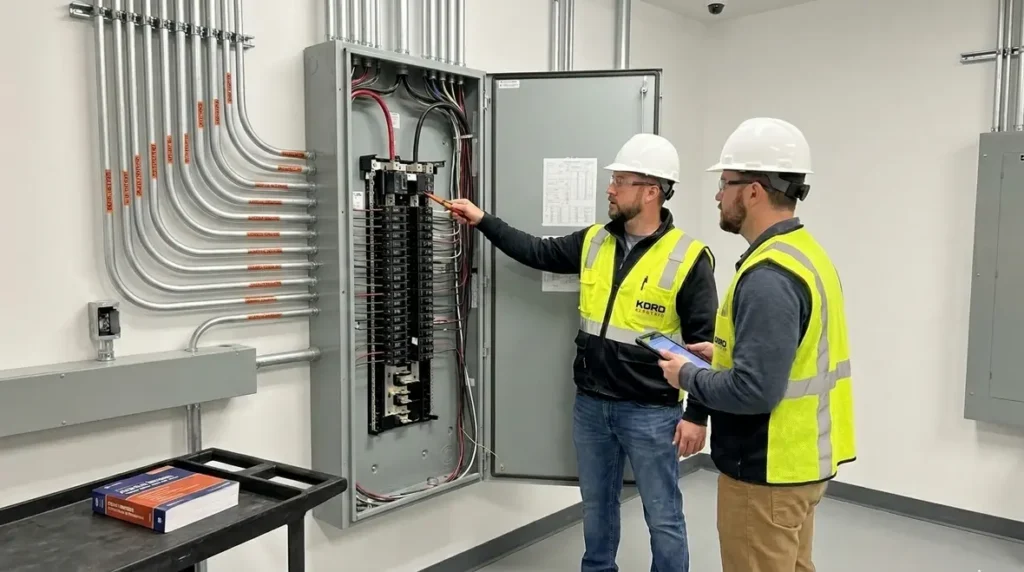
Rules matter most when inspectors show up and the facility needs everything to work on day one. Therefore, our process at Kord Electric focuses on how NEC requirements show up in installation details and job documentation. We do not just install. We verify.
For wind generator circuits in commercial settings, inspection readiness usually comes down to a few practical areas. First, we ensure that the equipment installation aligns with the rated system values used in the design. Second, we confirm that conductors, routing, and terminations meet Code expectations. Third, we test and document key results so the facility can maintain compliance.
Our technicians also explain common pitfalls. For example, a correct design can still fail if the field installation changes equipment ratings, grounding methods, or protection types. To keep that from happening, we hold tighter coordination between design, rough-in, and final connections. Also, we label circuits clearly and maintain tidy records. That helps operations teams and future service staff.
If you have ever tried to trace a circuit through unmarked conduit, you already understand why documentation matters. It is the electrical version of trying to find a specific character in a movie without subtitles.
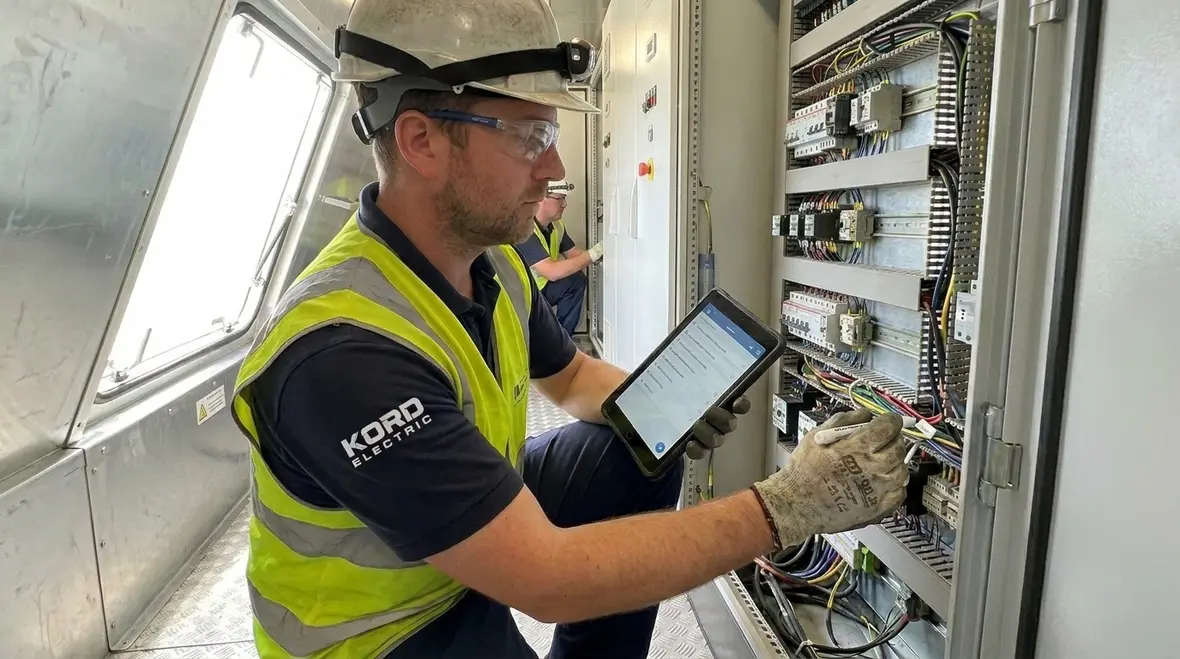
Bonding, grounding, and protection for commercial and industrial wind systems
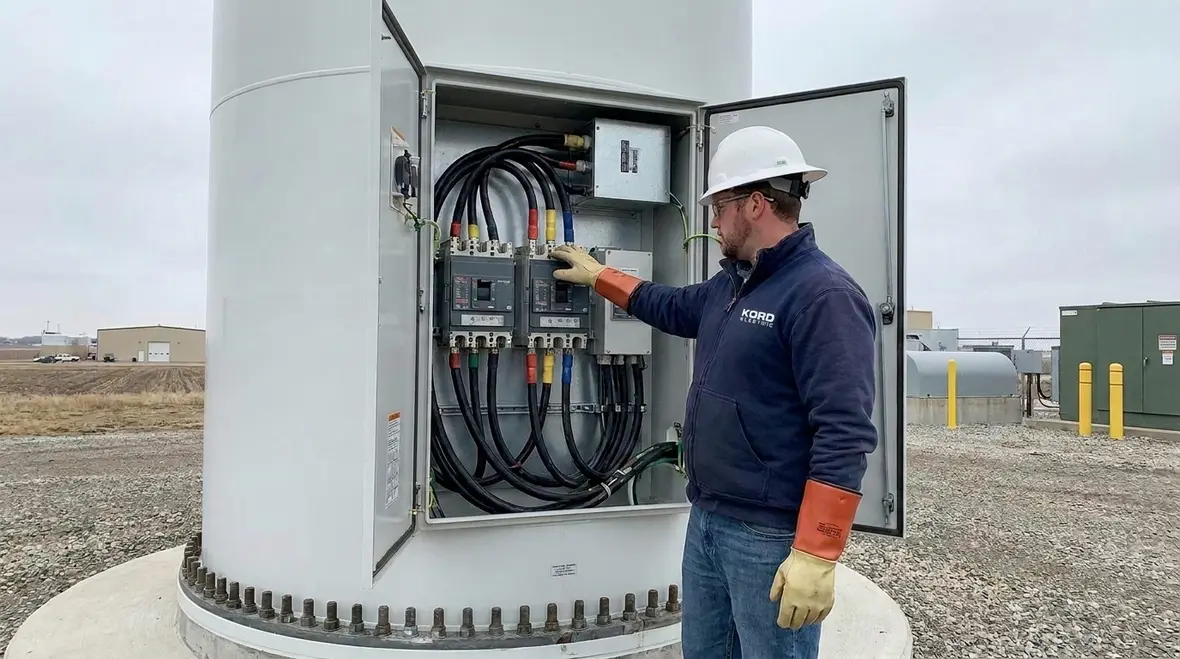
Wind systems introduce unique electrical conditions, especially when the generator behavior changes with wind speed and load variation. Because of that, grounding, bonding, and protection must work as a coordinated set. Our expert service staff at Kord Electric treats these as one job, not separate chores.
In a commercial or industrial facility, we also pay attention to how the wind system integrates with the rest of the electrical infrastructure. That includes switchboards, distribution panels, and sensitive loads. We help prevent issues like nuisance trips, unsafe fault behavior, and equipment stress from incorrect protection coordination.
Here is a deeper look at what we emphasize during planning and installation:
- Fault current paths: We verify bonding and grounding so fault current behaves predictably and clears safely.
- Overcurrent protection: We select protection to match system behavior and coordinate devices so faults do not spread.
- Isolation and service access: We plan disconnect locations and procedures for safe maintenance.
- Surge and transient thinking: We treat transients seriously because wind events can create electrical stress.
Meanwhile, we keep the job grounded in the Code. If something does not match NEC requirements, we do not “work around it.” We correct it. Because in commercial facilities, “close enough” does not keep people safe.
Coordination with facility needs: from energy goals to power reliability
Commercial sites usually adopt wind generation for clear reasons: long term energy planning, resilience, or on site power goals. However, the electrical design must also protect reliability. That means we plan for how the wind generator connects, how it operates under changing conditions, and how the facility continues to function during maintenance or fault events.
Our team also works with building stakeholders who focus on operations, production schedules, and compliance. Therefore, we coordinate installation timing and service access so the project does not disrupt critical operations. We also make sure that the final system supports straightforward monitoring and safe shutdown procedures.
We think this approach fits the way NEC guidance is meant to work: safety and reliability, together. And if someone says, “It will probably be fine,” we respond with the kind of calm confidence that turns that sentence into a lesson, not a plan. Like the wise characters in movies who say, “We do it right, or we do it twice.”
Working with Kord Fire and industry partners
Electrical systems do not exist in isolation. In many projects, the facility team also manages fire safety needs, emergency response planning, and code compliance across multiple scopes. That is why some clients explore resources and guidance from Kord Fire and related industry organizations. When we coordinate across disciplines, we keep the focus on consistent compliance and safe operation.
We also stay aligned with industry references that help teams understand NEC concepts in real world terms, including guidance hosted by partners such as firepumps.org and educational materials accessible through Kord Fire at kordfire.com.au. If you want clarity on how NEC concepts connect to broader electrical safety planning, we can help translate the “reading” into “doing” for commercial and industrial facilities.
For a deeper NEC foundation that pairs well with wind system planning, facility teams often review Kord Electric’s resource Understanding NFPA 70: The National Electrical Code Explained for 2026 alongside this NEC Section 694.66 wind operating voltage range guide.
FAQ: wind electrical systems and NEC compliance
Does NEC apply to major property buildings only?
NEC applies based on jurisdiction and scope of the electrical installation. For us at Kord Electric, we primarily support commercial and industrial facilities and major property buildings, where code compliance and reliability planning are critical.
How do technicians verify voltage and equipment compatibility?
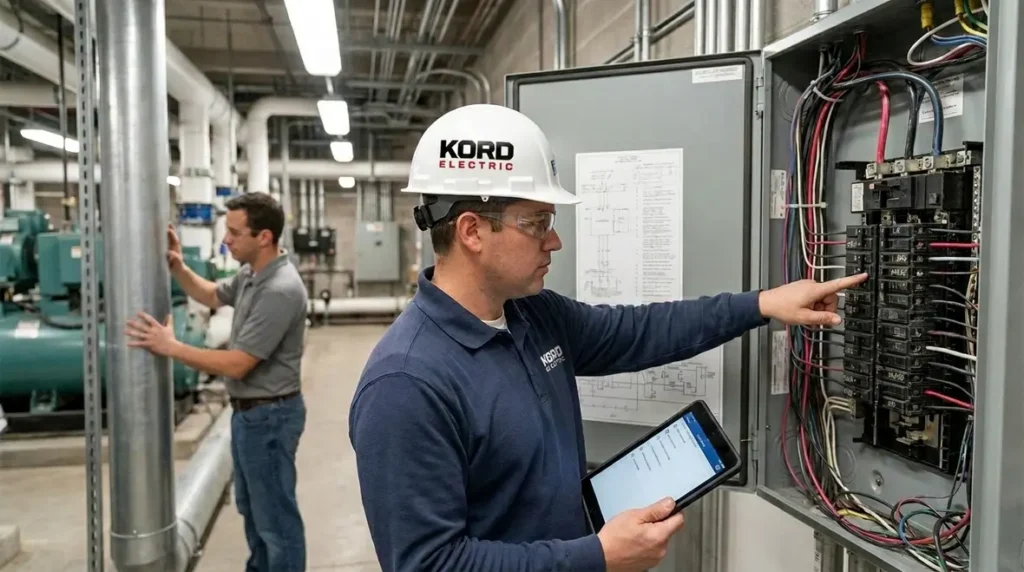
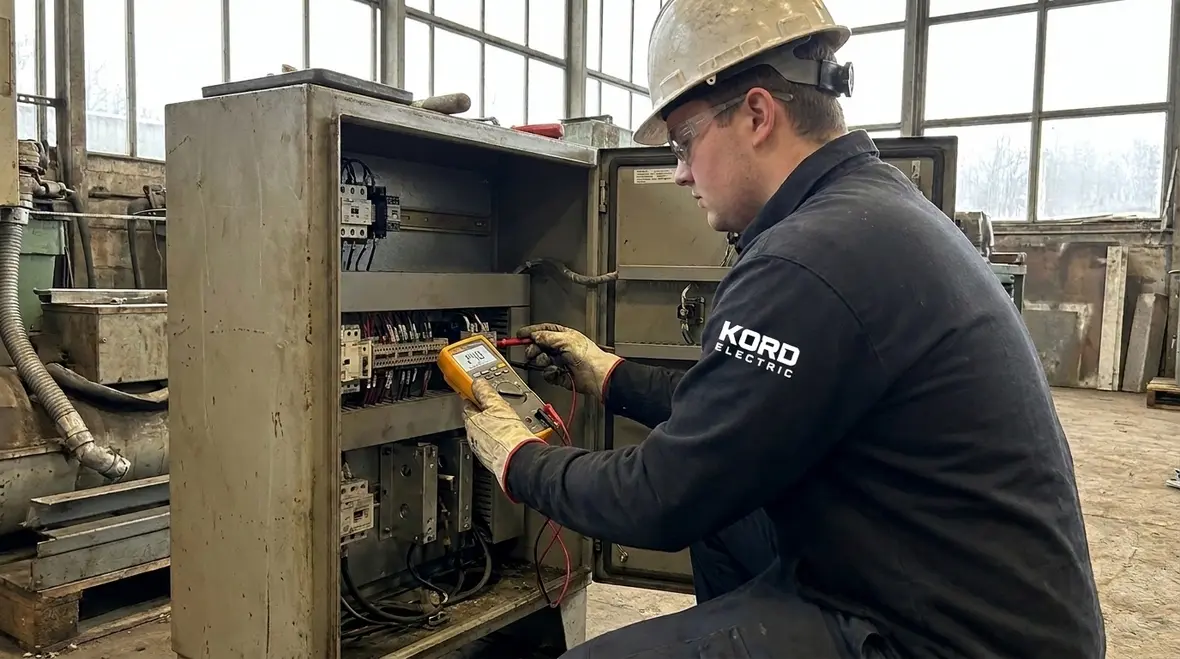
Our technicians cross-check equipment nameplate ratings, conductor sizing, protection device settings, and installation details against the design basis used for compliance. That review includes confirming that the NEC Section 694.66 wind operating voltage range is correctly applied to wind generator circuits and that field conditions match the assumptions made during engineering.
Can we install wind systems without changing existing infrastructure?
Sometimes, but often the existing electrical distribution, grounding, and protection coordination require upgrades. We review the full system so changes support safe and compliant operation. When needed, that may include panel replacements, breaker upgrades, revised grounding layouts, or updated coordination studies so the new wind generator behaves like part of a single, well-planned system instead of a bolt-on accessory.
What happens if the system operates outside the intended range?
If operation falls outside design expectations, equipment stress and safety risks can increase. Proper selection and compliance planning help prevent that from happening. When anomalies do appear, data from monitoring systems and field inspections guide adjustments to protection settings, maintenance routines, or even system configuration so the wind generator returns to its intended NEC-aligned performance window.
CTA: Get NEC-aligned wind electrical planning from Kord Electric
If you are planning a wind energy electrical upgrade for a commercial or industrial facility, do not gamble with voltage assumptions or protection details. Kord Electric helps your team get it right the first time, with expert technicians who explain the requirements and verify the installation. We focus on compliance, safety, and reliability across the real electrical system, not just the paperwork.
For facilities that need broader support across their portfolio, our dedicated Los Angeles County electrical services team coordinates wind projects with distribution upgrades, maintenance programs, and long term asset planning so wind generation fits smoothly into your overall power strategy.
Contact us today to discuss your project and bring NEC focused planning into your schedule with confidence.