NEC Section 695.2 Fire Pump Equipment Listing for Reliability
In commercial and industrial life, safety codes do not sit on a shelf collecting dust. They live in wiring closets, control rooms, and yes, beside the equipment that keeps a building standing when things go sideways. At Kord Electric, we start by respecting the NEC framework, and we focus on the parts that matter for serious facilities. For example, NEC Section 695.2 spells out the fire pump equipment listing requirements, which means the fire pump system and its components must be listed for their use. That is not paperwork for paperwork’s sake. Instead, it drives real performance and real protection. And when our technicians explain it to facility managers, we say it plainly: the code helps you know what you can trust, long before an emergency turns the lights into a horror movie soundtrack.
What NEC Section 695 is doing for fire pump systems
NEC Section 695 sets the electrical rules for fire pump systems. Therefore, it addresses power, wiring, and equipment requirements so that fire pumps can start and run when required. However, many people read this section like it is only about motors and controllers. In reality, it governs the reliability chain. It guides how the electrical system stays dependable during stress, including abnormal conditions that happen in real fires.
In practice, we help teams connect the dots. Our expert service staff often hear questions like, “Why do we need special wiring methods for this?” Then we walk them through how fire pump loads behave during faults, start-up surges, and short duration voltage dips. At Kord Electric, we do not treat this as a one time compliance checkbox. Instead, we help facilities build a system that keeps its composure, even when the rest of the building has other ideas.
Also, the NEC does not want you to gamble. Fire pump power has to be available and controlled correctly. So, we guide your design and maintenance so that the system meets the expectations behind Section 695.2, including the listing requirement we referenced earlier.
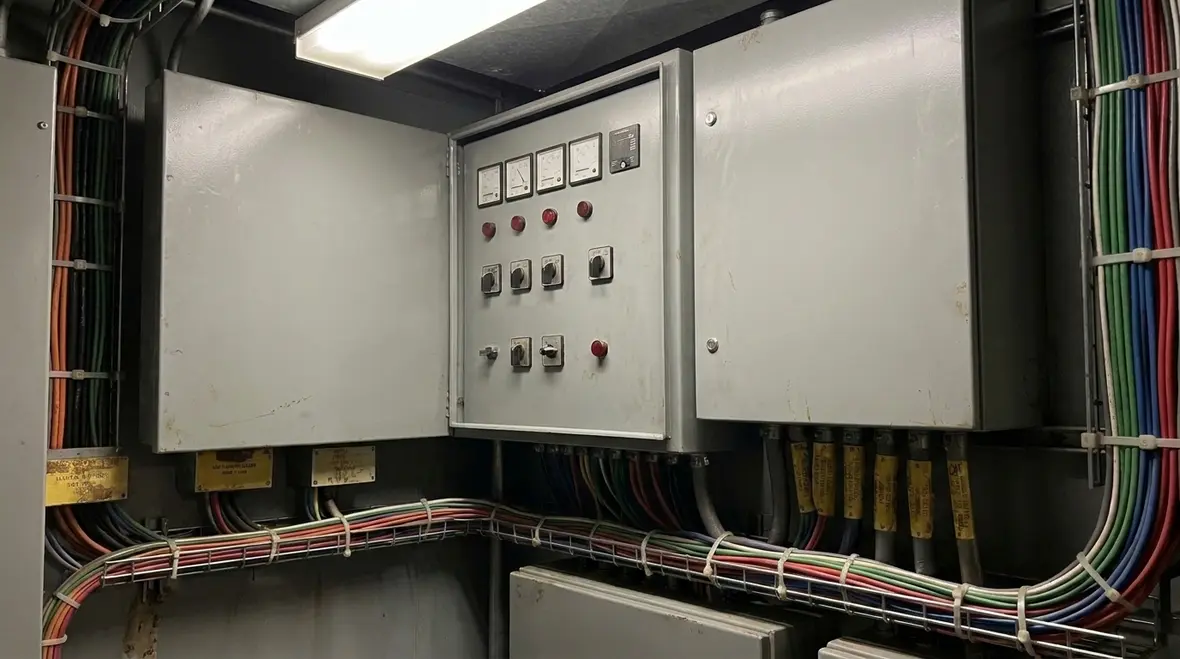
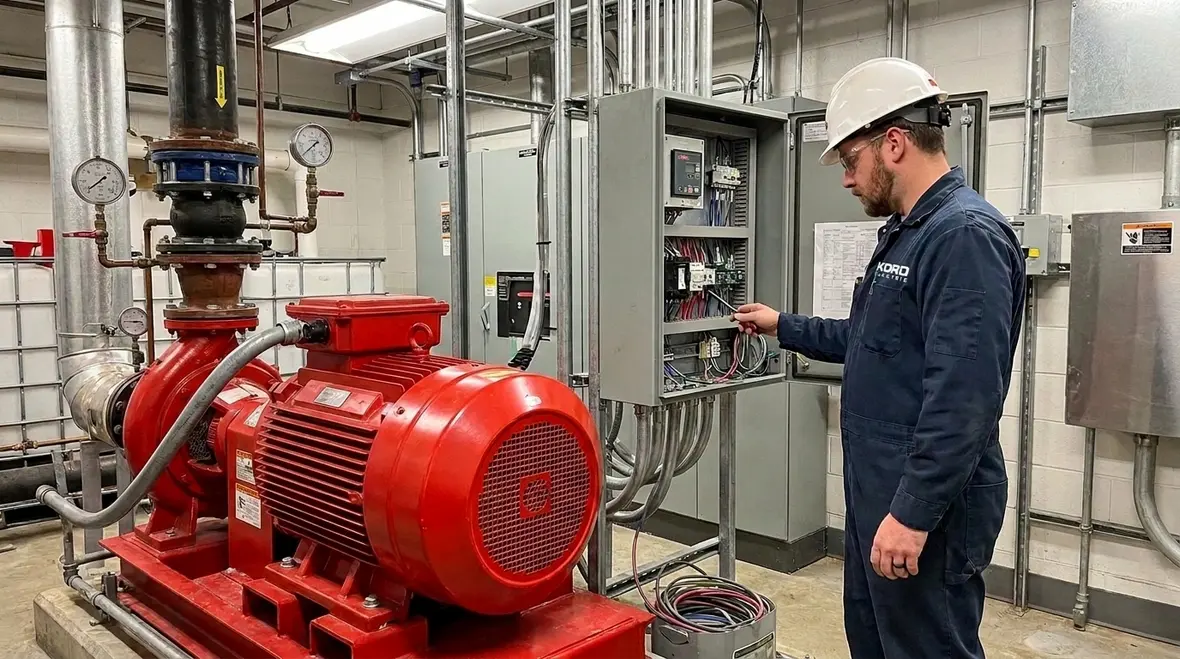
Image: Fire pump electrical gear laid out and wired to follow NEC Section 695 requirements for reliability.
How equipment listing supports real-world reliability
The listing requirement in NEC Section 695.2 matters because it confirms that fire pump equipment meets defined criteria. In other words, the code expects more than just “it works on a good day.” It expects performance under conditions that safety standards evaluate.
When we coordinate with engineers, contractors, and owners, we focus on the listed fire pump equipment, including pump controllers and related components. Then we ensure the installation matches what the listing assumes. That means the wiring, connection methods, and protection schemes follow the listing intent.
Our technicians explain it with a calm patience you might hear in a slow documentary, except we occasionally throw in a joke when someone says, “We’ll just make it work.” The equipment does not care about optimism. It cares about ratings, compatibility, and correct installation. So, we verify how the system will operate from start-up through sustained running. After that, we document what we did, because future troubleshooting should not feel like solving a mystery novel in the dark.
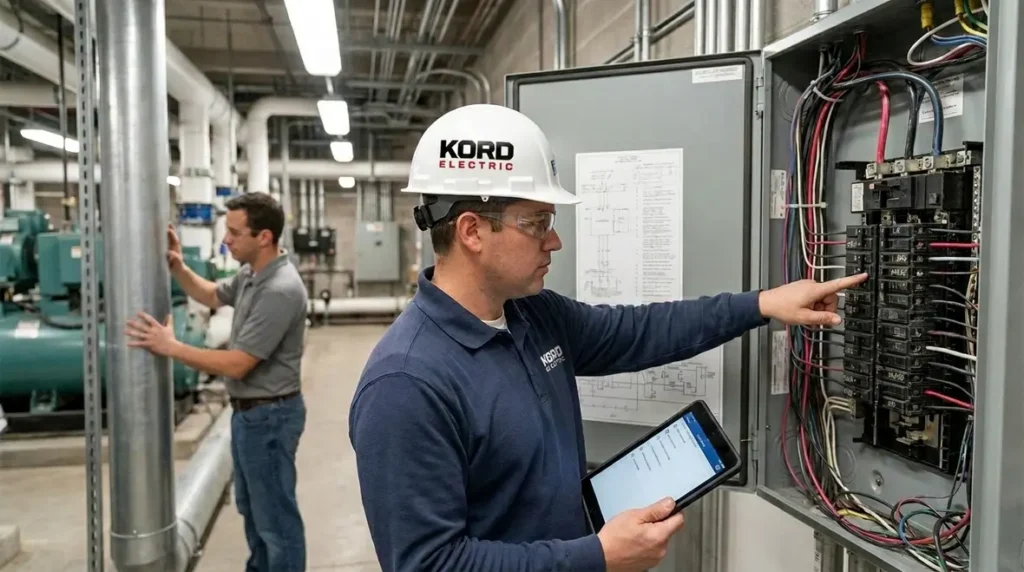
Image: Technician reviewing a listed fire pump controller and confirming that wiring and protection follow the listing details.
Fire pump wiring methods and where failures usually start
Even when equipment is listed, poor wiring choices can undermine performance. Therefore, we examine the full electrical path, not only the pump motor. In large facilities, fire pump systems often interface with switchboards, emergency power sources, transfer devices, and control circuits. Each interface introduces risk if the design ignores the intent behind the code.
Our team typically sees issues cluster into a few categories. First, some installations treat the fire pump circuit like a normal load. Then they skip care during routing, separation, and protection. Next, control wiring can get mixed into the wrong raceways or bundled poorly, which can affect control stability. Finally, field modifications sometimes drift away from the listing basis. That is where reliability goes to retire early.
So, we plan and inspect with purpose. We confirm correct conductor sizing, secure terminations, and protection that matches the fire pump system’s requirements. We also look at how the system responds during start-up. If a facility has long cable runs or complex panel layouts, we consider voltage drop and operating behavior. Then, we validate the arrangement so the pump receives the power it needs, when it needs it.
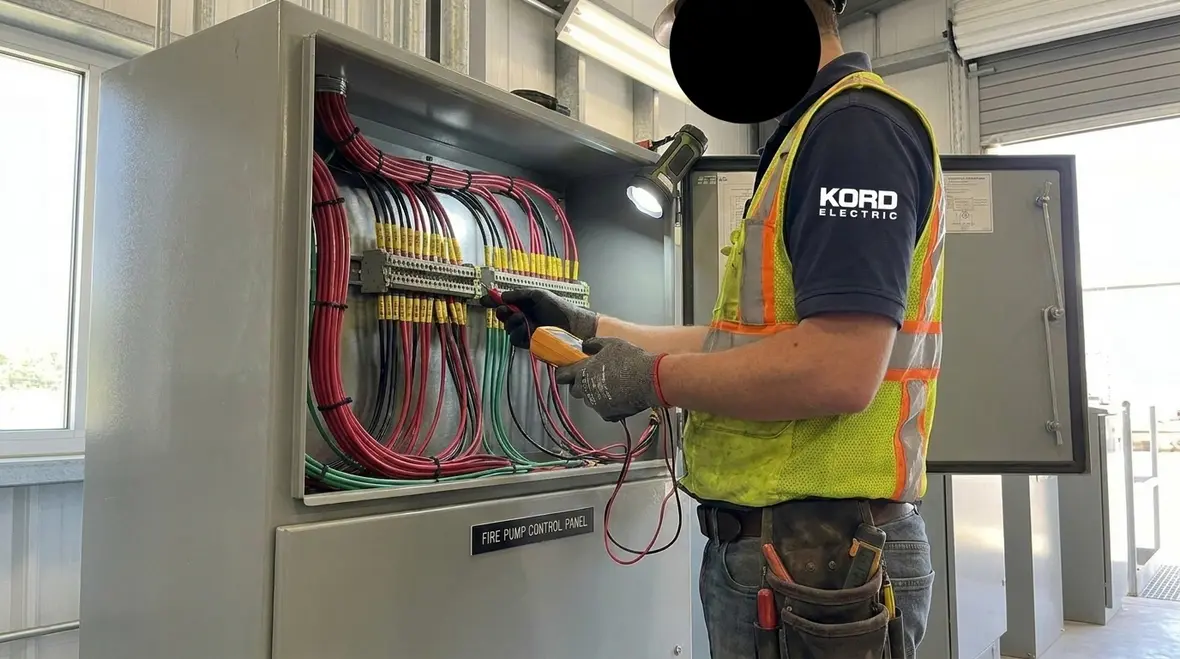
Image: Detailed view of fire pump power and control wiring routes checked for separation, protection, and NEC Section 695 alignment.
Design and maintenance planning for commercial and industrial buildings
Commercial and industrial properties run on schedules, budgets, and uptime targets. Yet fire pump systems demand a different mindset. They must work even when operations are not smooth. That is why we encourage a maintenance plan tied to the electrical side of the system, not just the mechanical inspection.
At Kord Electric, we support major property buildings by reviewing the full fire pump system electrical components as part of ongoing programs. For example, we check controller settings, protective devices, and alarm and control interfaces. Then we align maintenance tasks with the realities of your site. If your facility has a fast turnover of tenants, contractors, or equipment, we help set rules for how future changes should be reviewed so the system stays compliant.
Also, we coordinate with the other teams involved, because a fire pump system lives in the middle of many trades. Electricians, pump technicians, and building engineers all touch different pieces. So, we create an approach that reduces confusion and prevents “guesswork repairs.” The less people guess, the fewer surprises we find later. And in a fire, you want surprises reserved for birthdays, not for switchgear.
For facility leaders who want to go even deeper into related NEC planning concepts, you can connect this fire pump focus with topics like specific purpose load calculations and cable ampacity rules. Articles such as “NFPA 70 Section 120.4 NEC Specific Purpose Load Calculations” and “NEC USE Cable Ampacity and NFPA 70 Section 326.80” on the Kord Electric blog show how the same disciplined thinking applies to feeders, raceways, trays, and other infrastructure that ultimately supports the fire pump’s power path.
NEC compliance in real projects: a practical workflow
Compliance should feel structured, not stressful. To keep that true, we use a workflow that starts early and stays consistent through commissioning and documentation. First, we review project requirements and map the fire pump electrical scope across the site layout. Then we confirm the listed fire pump equipment and verify that the installation matches the listing.
Next, we handle the wiring and connection plan. During that step, our technicians pay close attention to separation, protection, and how circuits route through the building. Then, we verify controller and control wiring behavior, because control performance often decides how smoothly the pump starts.
After installation, we help validate the system through commissioning support and targeted checks that align with the electrical requirements. Finally, we produce clear records for the facility team. When your operations staff can quickly find what connects where, troubleshooting gets faster and costs less.
This approach fits commercial and industrial environments where downtime is expensive and safety cannot be negotiated. And if someone in the room asks, “Do we really need that level of detail?” our answer stays steady: yes, because the code expects it, and because listed equipment depends on correct installation to perform as intended.
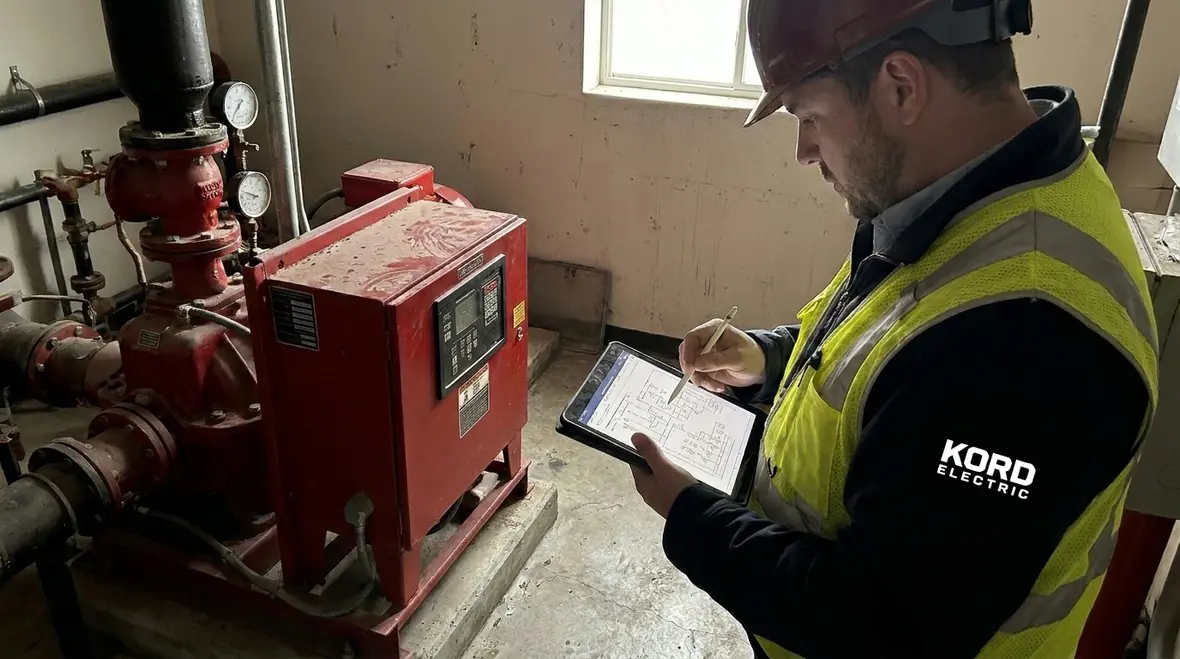
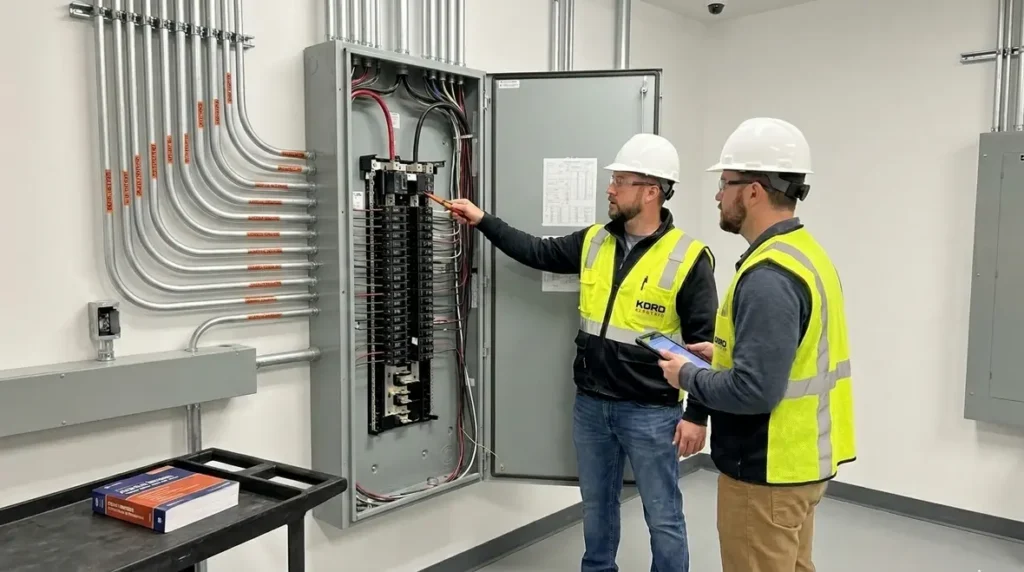
Image: Project team walking through a fire pump NEC compliance checklist in the electrical room before final commissioning.
Common misconceptions we clear up with our technicians
Misunderstandings about NEC rules can spread like rumors, and they usually start with a shortcut. For instance, some people assume that a listed fire pump controller makes the entire system compliant by default. However, listing does not replace proper installation methods, correct circuit routing, and alignment with the design intent.
Others think maintenance is only about making sure the motor spins. In reality, electrical health includes inspections of terminations, protective devices, and controller conditions. If a protective device has drifted or a control circuit experiences instability, the system may behave differently during a real event.
We also hear a common worry: “If we follow every detail, we will slow down project timelines.” Sometimes that is true for poorly planned projects. Yet in well-run programs, detailed planning reduces rework. So, we help you plan the electrical tasks in a way that protects schedule. Then, our technicians explain changes during site walkthroughs, using plain language and visual references so facility teams understand what we are doing and why.
For resources and ongoing discussion around the NEC, some teams also refer to related code guidance content from our associated fire and code resources, including Kord Fire and Kordfire.com. When we consult those materials, we still tailor the final approach to your facility and your listed equipment setup.
If your building team wants a broader view of how electrical and fire strategies connect, you can also explore material such as the NFPA codes resource center on Kord Fire and articles about NEC-focused topics on the Kord Electric blog. These pieces complement the fire pump conversation by covering how distribution, specific purpose loads, and other NEC requirements fit into one reliability plan instead of scattered rules.
FAQ
Connect fire pump reliability with your wider electrical strategy
Fire pump reliability does not live on an island. The same NEC mindset that protects the fire pump also shapes how your feeders, panels, and emergency systems behave during a crisis. When we review a site, we pay attention to how fire pump circuits interact with other reliability-critical loads and how broader projects might affect them.
For many commercial and industrial facilities, that means connecting fire pump planning to larger efforts like electrical asset management, preventive maintenance, and emergency response. Kord Electric supports these programs through dedicated crews, clear communication from our expert service staff, and documentation that operations teams can actually use long after the project binder goes on the shelf.
If you want to explore how NEC topics tie together across your facility, resources such as our article “Understanding NFPA 70: The National Electrical Code Explained for 2026” and related NEC deep dives show how specific sections—from cable ampacity to special purpose loads—work with fire pump requirements instead of competing with them.
Because many commercial properties in Southern California operate under tight schedules and complex fire safety expectations, we also connect this work with regional support. Our Los Angeles County electrical services for commercial and industrial facilities give you a single partner for inspections, upgrades, emergency calls, and the specialized fire pump electrical work that NEC Section 695 requires.
Call Kord Electric for a fire pump electrical review
If you manage a commercial or industrial facility and you want confidence that your fire pump electrical system matches the NEC intent behind NEC Section 695.2 fire pump equipment listing, we are ready to help. Kord Electric brings expert service staff, careful inspections, and clear documentation so your team can act fast and stay compliant. Contact us to schedule an electrical review, discuss upcoming projects, and strengthen your fire pump reliability before the next test. In a real event, calm beats chaos every time.
When we step into your electrical rooms, we do more than “get it to run.” We line up listed equipment, NEC Section 695 rules, and the realities of your building so the fire pump feels like part of a coordinated strategy instead of a bolt-on requirement. From controller settings to circuit routing, our technicians treat each decision as one more link in the reliability chain that keeps people safer when it matters most.
If you are already planning other electrical work, this is also the perfect time to connect fire pump upgrades with broader reliability efforts. Whether you are mapping new distribution, revisiting load calculations, or coordinating with fire protection teams, we help make sure the fire pump’s needs are built in from the first sketch instead of tacked on at the end.