NEC Section 695.6 Fire Pump Transformers for Commercial Teams
NEC Section 695.6 fire pump transformers: what commercial and industrial teams need to know
In the first lines of our guidance, we point to NEC Section 695.6 fire pump transformers, because in commercial and industrial buildings, the rules for these devices are not optional. They affect reliability, code compliance, and how safely a fire pump system performs when seconds matter. As we explain it with our field experience, we also want to lower the stress level for owners, facility managers, and general contractors.
After all, nobody schedules a fire pump discussion like it is a fun team meeting. Yet we still do it, patiently, clearly, and with the same steady pace our technicians bring to every site walk.
In this article, we explain how the National Electrical Code, including the approach you will see for the 2026 edition discussions, fits into real project planning. Then we guide you through what matters most for fire pump transformer setups, how inspections usually think, and what strong commissioning looks like.
How the NEC 2026 updates planning affects real-world electrical work
When teams plan upgrades or new construction, they rarely start with “the NEC.” Instead, they start with system risk, lead times, coordination conflicts, and the dreaded line items that everyone argues about in the field. Then, naturally, the NEC shows up like a surprise guest at a party that did not send an invite.
We treat the National Electrical Code as a planning tool, not a punishment manual. Therefore, we look at how the NEC organizes requirements for wiring methods, equipment, and specialized systems. And importantly, we focus on the sections that directly impact life safety systems and emergency performance. That includes rules that support fire pump operation, transformer selection, and the way circuits get protected and monitored.
In practice, we help commercial and industrial facilities connect the dots between design intent and installation reality. To do that, our technicians explain what compliance means on site, and why some details matter more than others once concrete is poured and equipment is set.
If your team wants more background on how NEC structure and scope shape those decisions, resources like Understanding NFPA 70: The National Electrical Code Explained for 2026 help connect the rulebook to real-world work. We take those big-picture concepts and apply them directly when fire pumps and life safety systems enter the conversation.
Fire pump transformer requirements under NEC Section 695.6 fire pump transformers
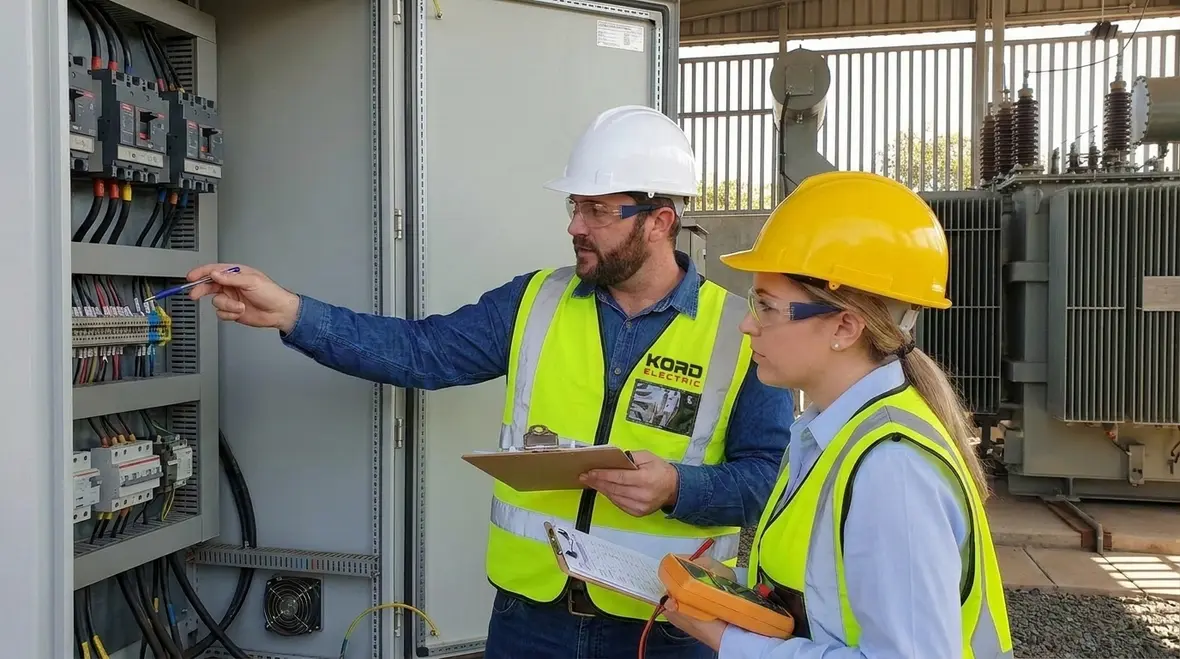
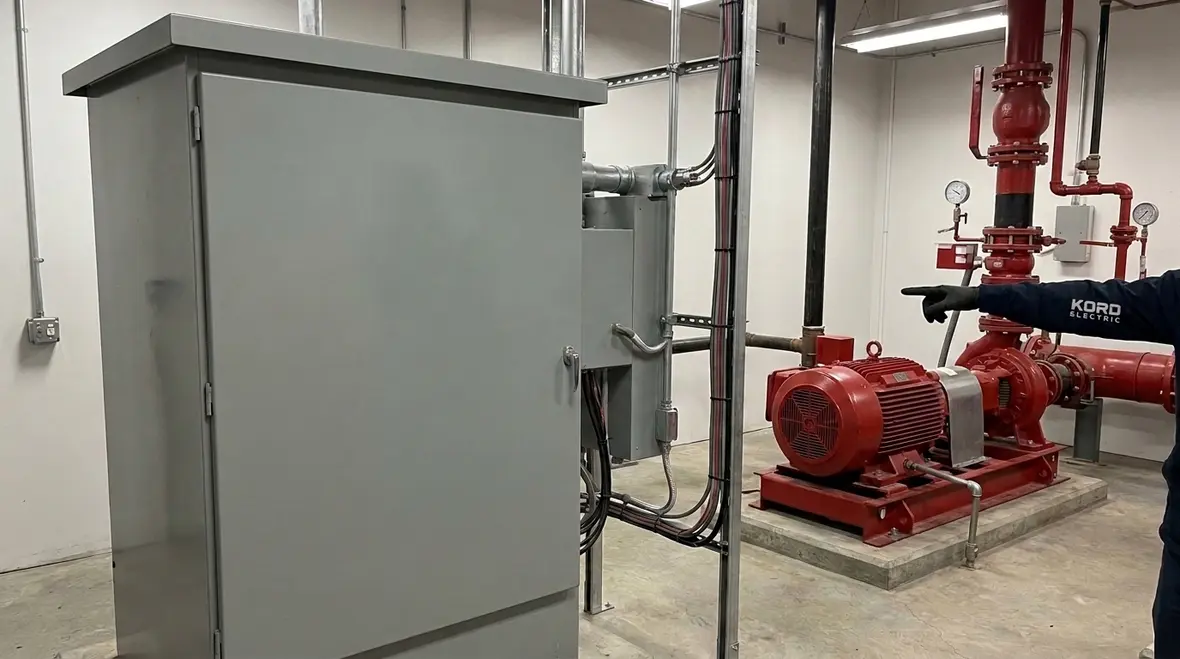
Now we get specific. NEC Section 695.6 fire pump transformers addresses the electrical side of keeping a fire pump ready to perform. The core purpose is straightforward: ensure the transformer system supports reliable operation of the fire pump, with conditions that match the performance needs of the fire pump system.
Because this is a life safety topic, we recommend that project teams treat transformer requirements as design-critical rather than “we will figure it out later.” We also coordinate early with engineers and electrical designers so the transformer specifications, protection approach, and wiring pathway align with the pump system needs.
When our expert service staff reviews a design or helps with field verification, they typically focus on several practical points.
- Proper matching of transformer ratings to the fire pump system loading and duty expectations
- Correct installation details so the transformer supports reliable power delivery
- Protection and circuit arrangement that support dependable performance during faults
- Coordination with emergency power strategies when applicable for the facility
And yes, the goal is not to turn every submittal review into a dramatic courtroom scene. Our job is to make sure the electrical design works under stress, not just on paper.
We also recognize that fire pump transformers do not live on an island. Guidance from resources like Kord Fire’s NFPA 70: All About The National Electrical Code (NEC) helps facility teams see how NEC life safety requirements tie back to fire protection performance in the real world.
What our technicians look for during inspections and commissioning
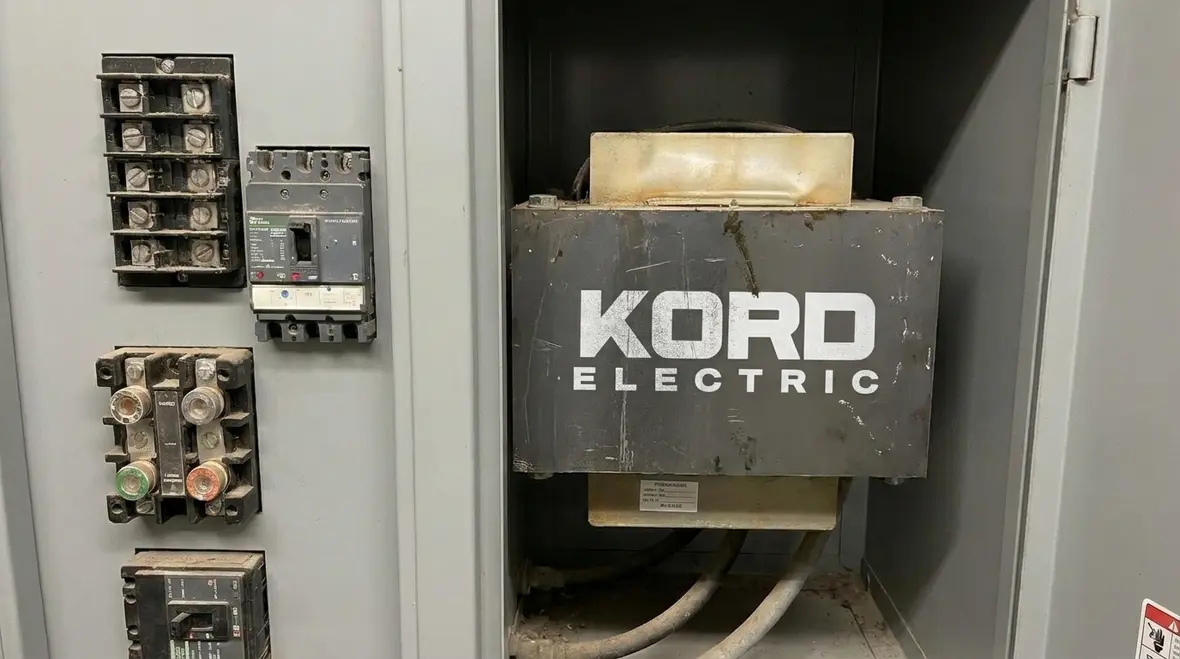
Even strong designs can fail during installation. So we build our field approach around what inspections typically test: clarity, consistency, correct labeling, and the ability to demonstrate the system will operate as intended.
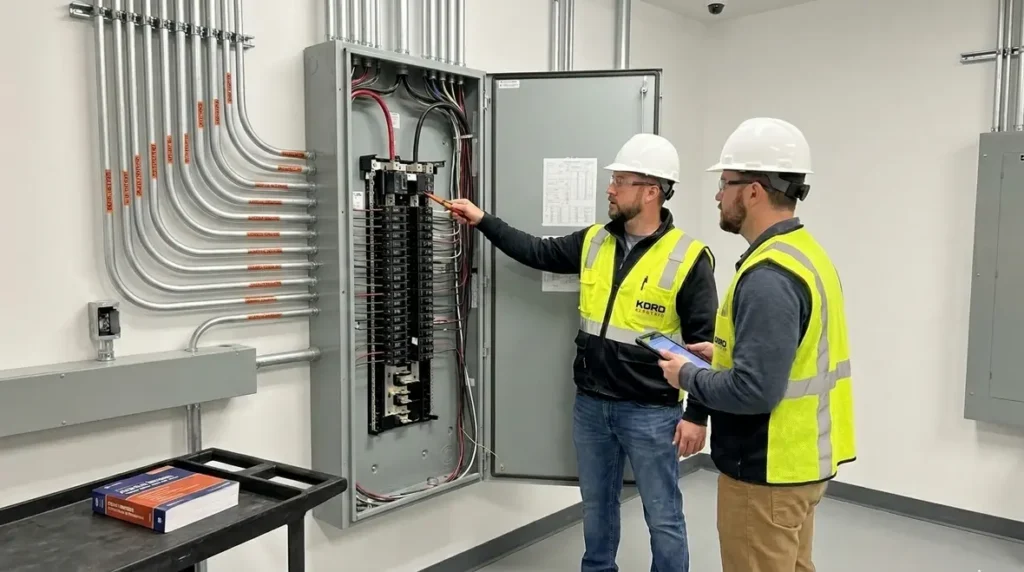
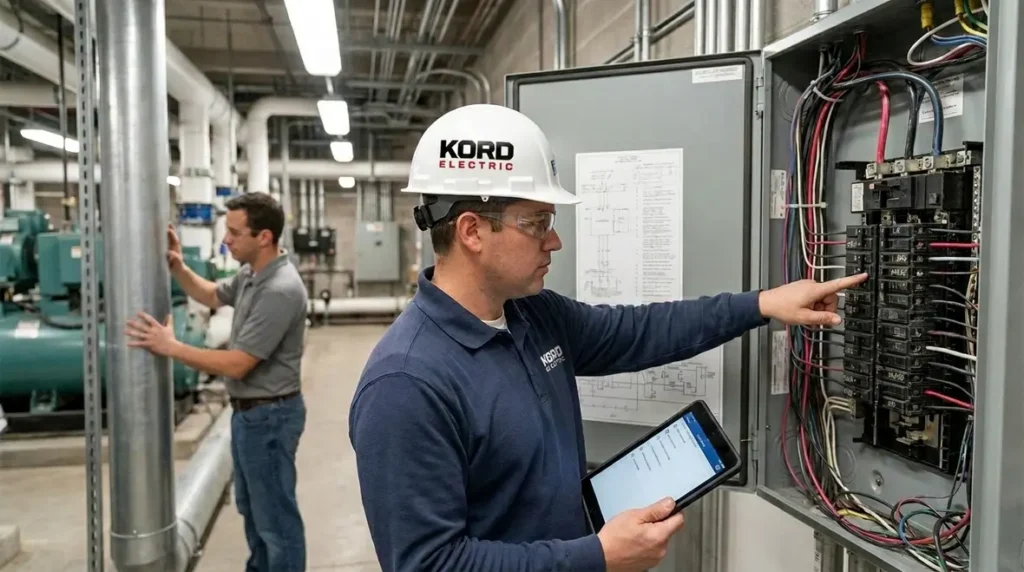
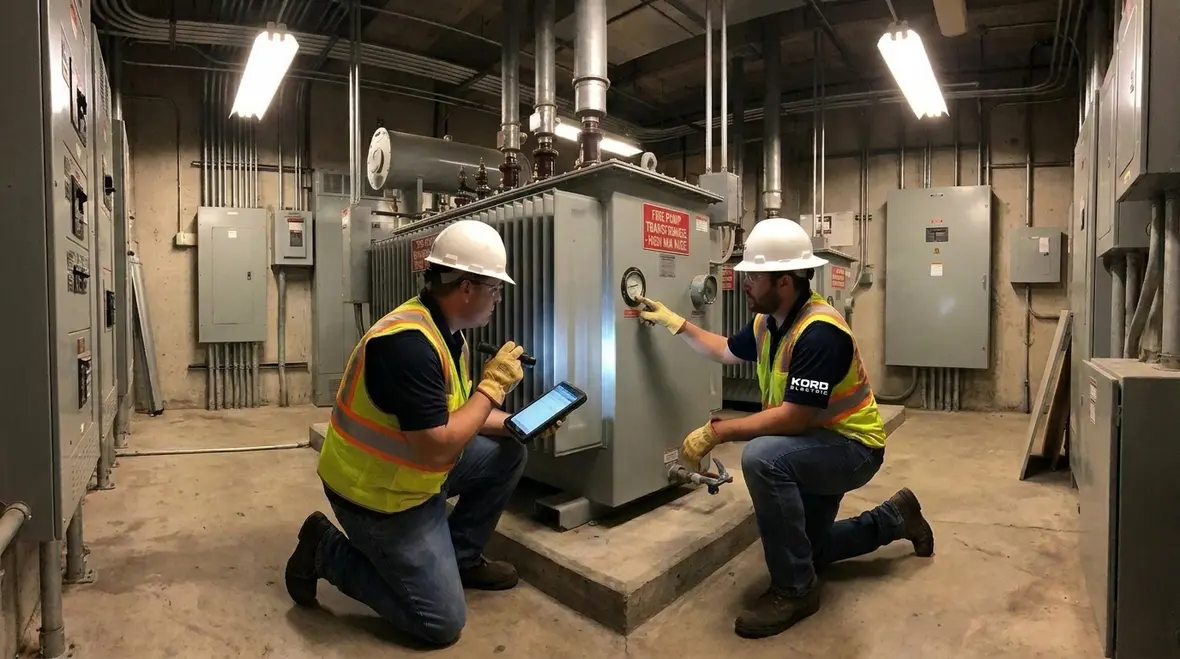
Our technicians, along with our expert service staff, often walk through the same checklist mindset. First, we verify that equipment is installed as designed. Then we confirm that wiring routes, terminations, and protective devices line up with the approved drawings. After that, we verify that the fire pump transformer system supports the fire pump requirements without surprises.
We also encourage teams to think in stages.
- During installation, we verify workmanship and correct connections, because small errors can create big issues later
- During system testing, we confirm that the transformer and related equipment behave as expected
- Before closeout, we review documentation so your facility team can maintain the system confidently
In many major property buildings, the biggest failure is not a missing requirement. It is a communication gap. For example, someone expects a protective device to trip in a certain way, while the actual circuit arrangement leads to a different result. We reduce that risk by coordinating early and keeping the technical conversation grounded in the actual site conditions.
Commissioning also works best when it aligns with how NEC organizes systems. Articles that explain code structure, such as NEC scope and organization resources on Kord Electric and Kord Fire, help stakeholders understand why tests follow a certain sequence instead of feeling like random button pushing.
Coordination with fire pump systems, power distribution, and facility operations
Fire pump systems do not live in isolation. They connect to power distribution, emergency power plans, control equipment, and the day-to-day reality of a building’s operations. Therefore, we treat transformer requirements as part of a bigger system picture, not as a standalone detail.
For commercial and industrial facilities, coordination often involves multiple teams, including electrical contractors, controls teams, engineers, and facility operations. And if there is one constant in the field, it is this: everyone says they will “sync up soon.” We make sure that sync happens early, in meetings with clear owners and clear next steps.
One common challenge involves how the facility expects emergency power behavior to work, especially when the building already has established operational procedures. When we align the fire pump transformer plan with the overall power approach, we help the system meet NEC intent and also match how staff will manage it during an emergency.
Furthermore, we support major property buildings with maintenance planning. If your facility team cannot easily confirm what equipment does and how it is protected, then even a compliant install can become a risk later. Our approach helps prevent “we think it works” and replaces it with “we can show it works.”
Because fire pumps sit squarely in the life safety world, we also pull in perspective from partner education resources like Kord Fire’s NEC and fire pump discussions. That way, when we plan NEC Section 695.6 fire pump transformers, we are also watching how the rest of the suppression and alarm infrastructure will behave when the system is under pressure.
Common mistakes that trigger costly delays and change orders
Let us talk about what goes wrong, because that is how teams save time and money. We often see avoidable issues during the path from design to install, and then again during inspection.
First, teams sometimes under-estimate lead times for transformer equipment and related components. Then, they rush the last mile, and details suffer. Second, some designs look fine at the drawing level, yet they do not match field constraints like clearances, conduit routing, and equipment layout. Third, protection and circuit coordination can get treated like a late add-on, when it should be planned from the start.
We also see documentation gaps. For a fire pump system, the file needs to be complete enough for future technicians to maintain and verify performance. Otherwise, maintenance becomes a scavenger hunt. And nobody wants that, unless they are getting paid for it or it is a game show like Survivor. In real life, the building deserves better.
To prevent these issues, we recommend these practical actions:
- Lock the transformer and circuit arrangement early and confirm it with the full system plan
- Verify field conditions before fabrication, especially equipment locations and routing
- Coordinate protection design so the transformer setup supports the fire pump intent
- Prepare complete closeout packages so facility teams can maintain the system confidently
We also encourage teams to pair specific section reviews, such as NEC Section 695.6 fire pump transformers, with broader NEC planning guides. That combination keeps the work grounded in the overall code framework instead of chasing isolated requirements that may collide later in the project.
How Kord Electric and our team support commercial and industrial projects
At Kord Electric, we focus where the stakes are highest: commercial and industrial facilities and major property buildings. That means we do not treat life safety electrical systems like one-size-fits-all projects. Instead, we apply a disciplined approach that supports long-term reliability.
We also bring a calm, expert rhythm to complex work. Our technicians explain requirements in plain language, so stakeholders understand what they are approving. Meanwhile, our expert service staff helps confirm that the installed result matches the intent of NEC requirements tied to fire pump performance, including the needs reflected by NEC Section 695.6 fire pump transformers.
If you need a partner who can coordinate design intent, installation quality, and on-site verification without creating chaos, we are ready. We also align with resources and industry perspectives, including discussions you can find through fire code education sites such as KordFire and organizations like Fire Pumps groups. Still, at the end of the day, your site plan and your installed equipment are what matter most.
For teams balancing multiple electrical upgrades at once, it can help to connect fire pump work with other NEC-driven improvements. For example, if you are already planning service upgrades or distribution changes, bundling transformer and pump coordination into that same effort can reduce outages and ease coordination with inspections.
Because many of these projects unfold across large campuses in Southern California, our crews regularly support broader scopes such as Los Angeles County electrical services for commercial and industrial facilities. When those engagements involve fire pumps, we bring the same NEC-focused mindset to every riser, transformer, and feeder that touches the life safety system.
FAQ
Get expert help before the change orders start
If you are planning a new install, upgrading a fire pump system, or dealing with a transformer design that feels “almost right,” we can help you tighten the plan. Kord Electric supports commercial and industrial facilities with clear guidance, careful field verification, and documentation that stands up to scrutiny. Reach out to our team and let us review your fire pump transformer approach early, so your project moves forward with confidence, not guesswork. We will bring the calm and the checklist, without the drama.
You do not have to sort through every NEC change or fire pump detail alone. Whether you start with a broad explainer like Understanding NFPA 70: The National Electrical Code Explained for 2026 or jump straight into drawings and submittals, our team can meet you where your project is today and guide it toward a compliant, reliable finish.
If your facility is in Southern California and your scope stretches beyond the fire pump room, our broader commercial and industrial electrical services can help tie the entire project together so that transformers, distribution gear, and life safety systems all point in the same, code-aligned direction.
When you are ready to talk through NEC Section 695.6 fire pump transformers, power paths, and inspection expectations, we are ready to listen, plan, and execute with you.