
NEC Servicing Equipment Branch Circuits 210.63 Explained
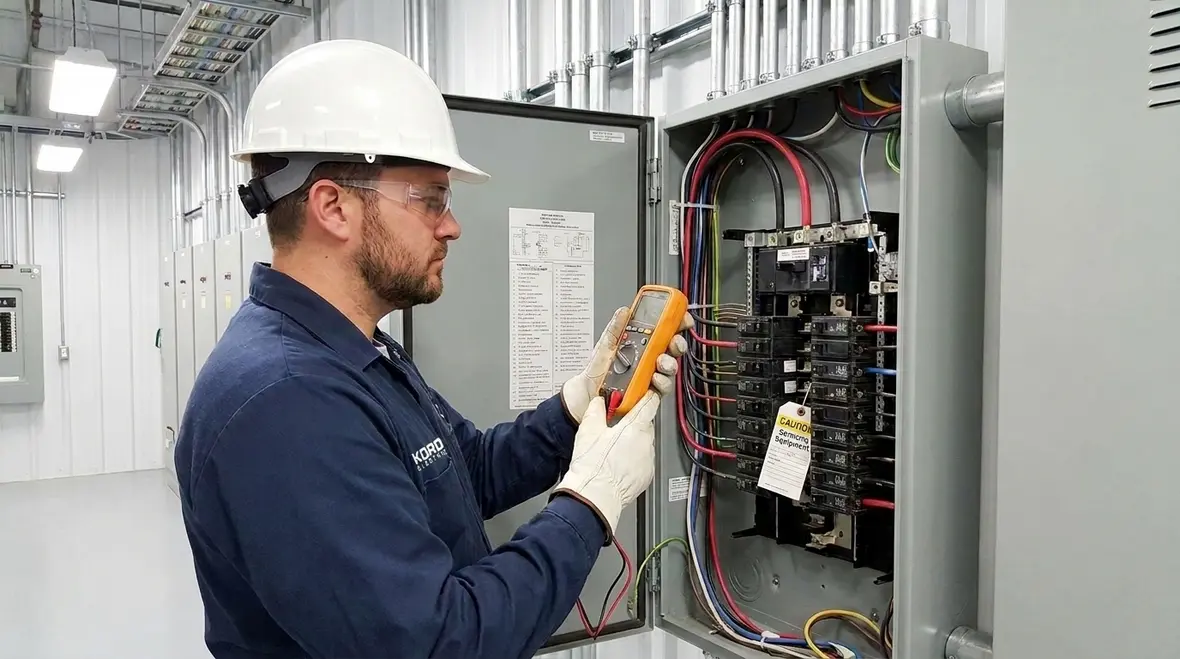
At Kord Electric, we work with commercial and industrial facilities and major property buildings, where reliability matters and small errors become big headaches. That is why we pay close attention to NEC servicing equipment branch circuits and the way they support equipment that needs periodic attention. In other words, we do not just “install and hope.” We plan circuits that stay safe when service techs open panels, change parts, and verify loads. Later, our technicians explain what they find, step by step, so facility managers and engineers understand both the code and the practical reasons behind it. And yes, we have seen what happens when equipment is fed like it is never going to be serviced. It is not pretty. Like a pop quiz, but for electrical systems.
Why NFPA 70 Section 210.63 gets attention on real job sites
NFPA 70 Section 210.63 addresses equipment that requires servicing circuits. In plain terms, the NEC wants the power path to support safe, practical servicing. Therefore, the rules focus on what happens when the equipment is taken out of normal operation. In commercial and industrial spaces, service work happens during maintenance windows, after faults, and during upgrades. Consequently, the electrical system must not force workers into unsafe conditions or remove the ability to shut equipment down properly.
Importantly, this section does not exist to make electricians feel powerful. It exists to make sure people can do the job without cutting corners. Our expert service staff, including our field technicians, often explains that Section 210.63 is about both safety and continuity. Safety, because servicing may involve exposed parts, test procedures, and replacement work. Continuity, because a well planned circuit reduces downtime and speeds up return to service.
What the code means by equipment that “requires servicing”
Section 210.63 applies when specific equipment requires a dedicated servicing circuit. However, the key detail is not just the equipment label. It is how the equipment is intended to be serviced and how the system can be safely managed during that process. For example, certain types of equipment may need regular checks, adjustments, or repair actions that require the presence of a servicing supply.
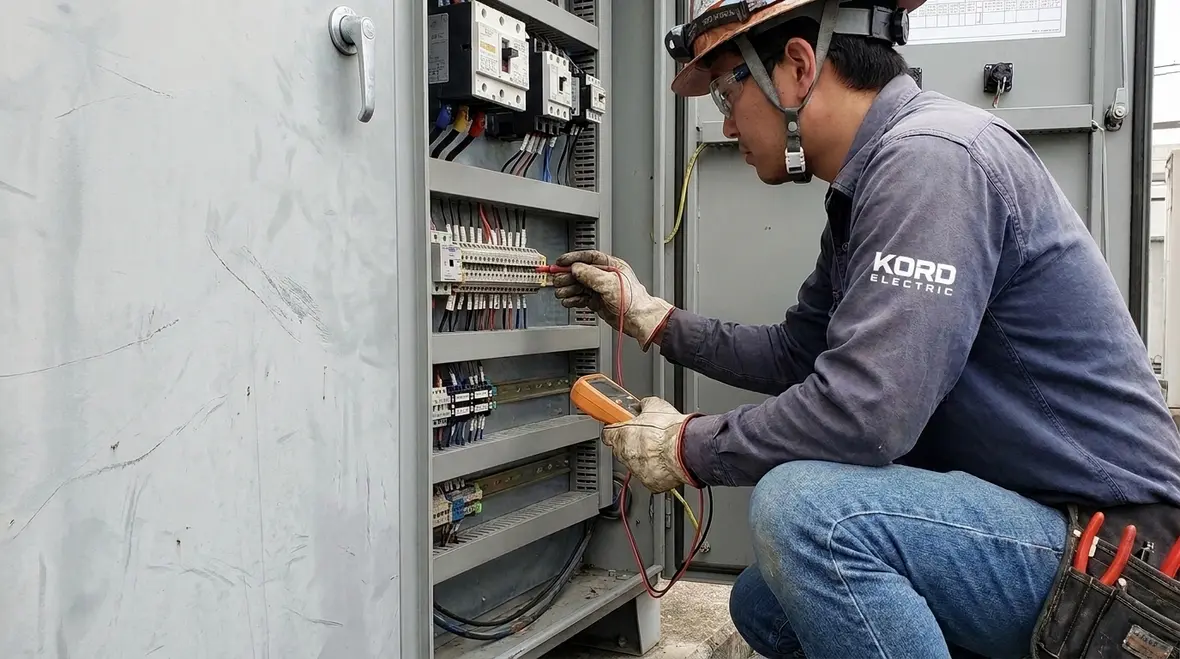
At Kord Electric, we approach this like a workflow, not a scavenger hunt. First, we review equipment schedules, manufacturer instructions, and service needs. Then, we coordinate with the facility team and other trades. After that, we design and verify the NEC servicing equipment branch circuits so the system supports safe work without turning every maintenance task into a controlled emergency.
Our technicians also point out a practical truth: facilities rarely discover servicing needs at the same time they build the site. Over time, spare parts change, operating modes expand, and maintenance teams adopt new procedures. So, we keep the electrical plan flexible and code aligned, especially in major property buildings where equipment is layered and interconnected.
How servicing circuits reduce risk during maintenance and fault conditions
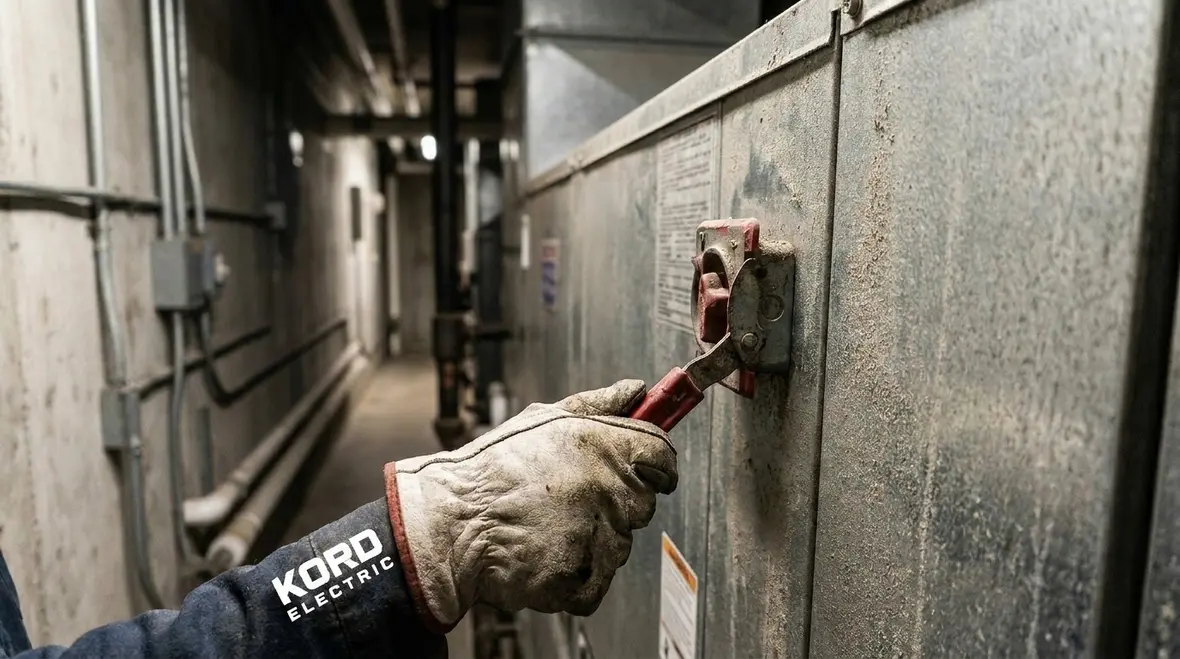
When equipment requires servicing, the circuit arrangement affects what workers can do safely. For instance, a servicing circuit can help ensure that workers can isolate the right equipment without pulling power from unrelated loads. As a result, maintenance tasks stay targeted. Additionally, proper branch circuit planning supports safe testing and replacement by maintaining control over which equipment is energized.
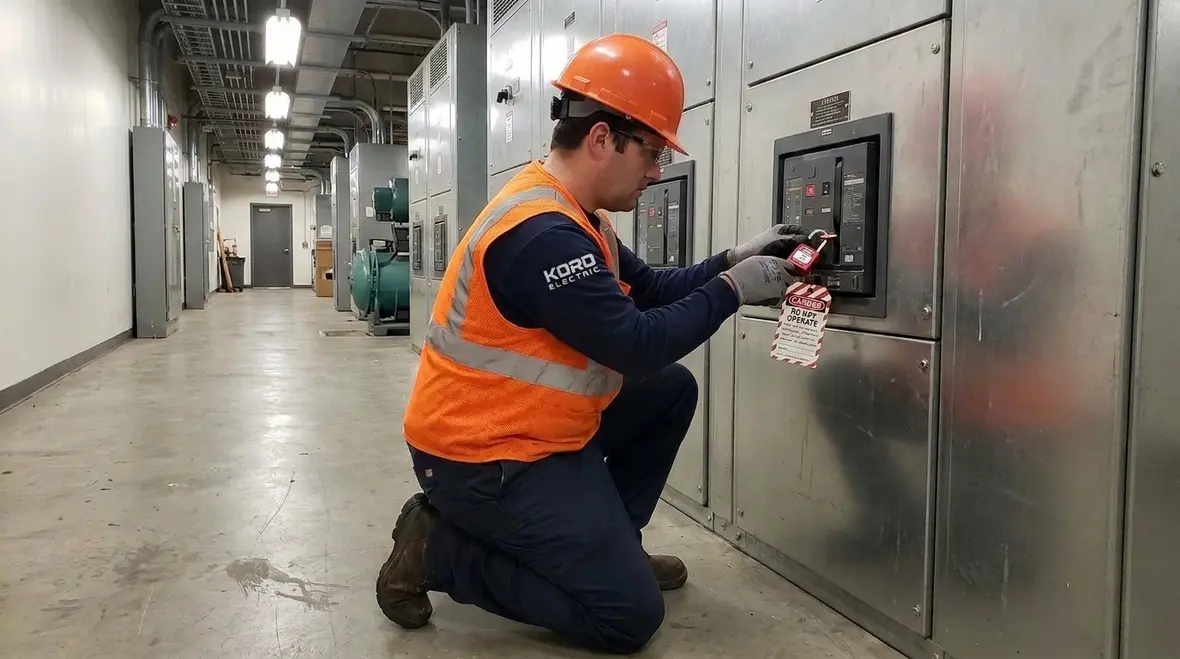
Moreover, servicing circuits help prevent common failure patterns. Some facilities unknowingly wire loads in ways that make troubleshooting harder. Others end up with circuits that get reclassified during renovations, which leads to confusion during lockout and tagout. That is where our approach shines. We do not only look at the original design. We also review changes, labeling, and as built documentation. Then, we explain what is happening in the field in a way that a busy facility team can use immediately.
If electrical planning feels like a complex spreadsheet, our staff brings it down to earth. We walk teams through the intent of Section 210.63 and show how circuit segregation supports safe service. And if someone says, “We have always done it this way,” we smile calmly, because tradition is great, but code safety is greater. Like Batman, we prefer prevention.
Design and layout: how we plan circuits for major buildings
Commercial and industrial installations bring multiple power sources, high load density, and frequent service interruptions. So, we design servicing circuits with the full building in mind. First, we identify equipment that needs servicing circuits. Second, we map how those circuits relate to the distribution system. Third, we plan for proper labeling, routing, and accessibility where maintenance teams actually work.
Next, we coordinate the branch circuit design with how the equipment operates. For example, some equipment may require a reliable supply during specific operating modes. Therefore, we avoid arrangements that complicate shutdown procedures. In addition, we consider future maintenance. Major property buildings often undergo tenant changes, system upgrades, and life safety renovations. So, our circuit planning leaves room for controlled evolution rather than chaotic rewiring.
Finally, we verify. Field verification matters because drawings do not always match reality. Our technicians conduct checks, document findings, and explain gaps in plain language. We also point out what should be updated to keep the servicing equipment branch circuits aligned with current practices. In the end, that reduces downtime and helps facilities meet operational goals.
Coordination with other NEC sections and practical inspection points
Section 210.63 does not stand alone. It connects to the wider NEC logic around branch circuits, disconnecting means, grounding and bonding, and safe working practices. Consequently, you get better results when you treat it as part of a system. Our team also considers fire and life safety planning, especially in facilities where equipment uptime and emergency operations carry heavy weight.
During inspections and pre inspection reviews, we look at the practical details that keep compliance smooth. We confirm correct circuit identification, accessibility of components, and alignment of field devices with the design intent. We also watch for common issues, such as shared circuits where servicing isolation should exist. Then, we explain why the issue matters and what the fix accomplishes.
We also reference guidance from our own NEC education resources, and we keep up with the latest code discussions through our knowledge hubs. Our goal stays consistent across every project: provide a safe, serviceable electrical system that supports the way commercial and industrial facilities actually operate. Our teams also stay aligned with broader fire and electrical code awareness through partner style resources like Kordfire’s NEC overview and the local industry focus at Kordfire Australia. For a deeper dive into how the broader National Electrical Code shapes modern projects, facility teams also explore Kord Electric’s guide Understanding NFPA 70, the National Electrical Code Explained for 2026, which connects high level requirements to real world design decisions.
Common mistakes facilities make with servicing equipment branch circuits
Even skilled teams can get tripped up when projects move fast and details get buried. One common mistake is treating servicing needs as optional. However, if equipment truly needs servicing, the power arrangement must match that reality. When it does not, maintenance crews spend extra time isolating, searching for the correct circuit, and dealing with uncertainty.
Another mistake involves labeling and documentation. A circuit can be correctly wired and still cause confusion if labels drift during renovations. Then, during troubleshooting, workers may isolate the wrong path. That risk grows in major property buildings where multiple tenants and contractors touch the same spaces over years.
Additionally, some teams avoid updates because “the system is working.” Yet working now does not guarantee safe service later. We often see situations where upgrade work uncovers design gaps in the servicing circuit plan. That is when our expert service staff steps in, explains the code intent clearly, and proposes fixes that match operations. In our world, we do not just correct wiring. We help teams understand why the correction matters.
For related insights on code structure and how fire and electrical planning intersect, some customers also explore resources like FirePumps.org, which provides helpful context for equipment driven by safety and performance needs. And when facilities want to connect servicing branch circuit planning with broader maintenance strategy, they often pair this discussion with resources such as Kord Electric’s NFPA 70B electrical panels and switchgear maintenance guide, which reinforces how serviceability and reliability go hand in hand.
FAQ about NFPA 70 Section 210.63 and servicing circuit planning
Get code aligned, service ready, and less stressed
NFPA 70 Section 210.63 sets a clear expectation: equipment that needs service must have a circuit arrangement that makes safe work possible. At Kord Electric, we design and verify servicing equipment branch circuits for commercial and industrial facilities and major property buildings, and our expert service staff explains everything in plain terms. If you want fewer shutdown surprises and smoother maintenance windows, contact us today. We will review your equipment needs, circuit intent, and field conditions, then map the right path forward.
For facility leaders planning broader upgrades, this servicing circuit focus fits naturally alongside our wider electrical consulting and installation work. From targeted code upgrades to full distribution reviews, our team supports Los Angeles County operations with comprehensive commercial and industrial electrical services that keep NEC servicing equipment branch circuits, maintenance access, and future renovations aligned with the latest NFPA 70 direction.


