
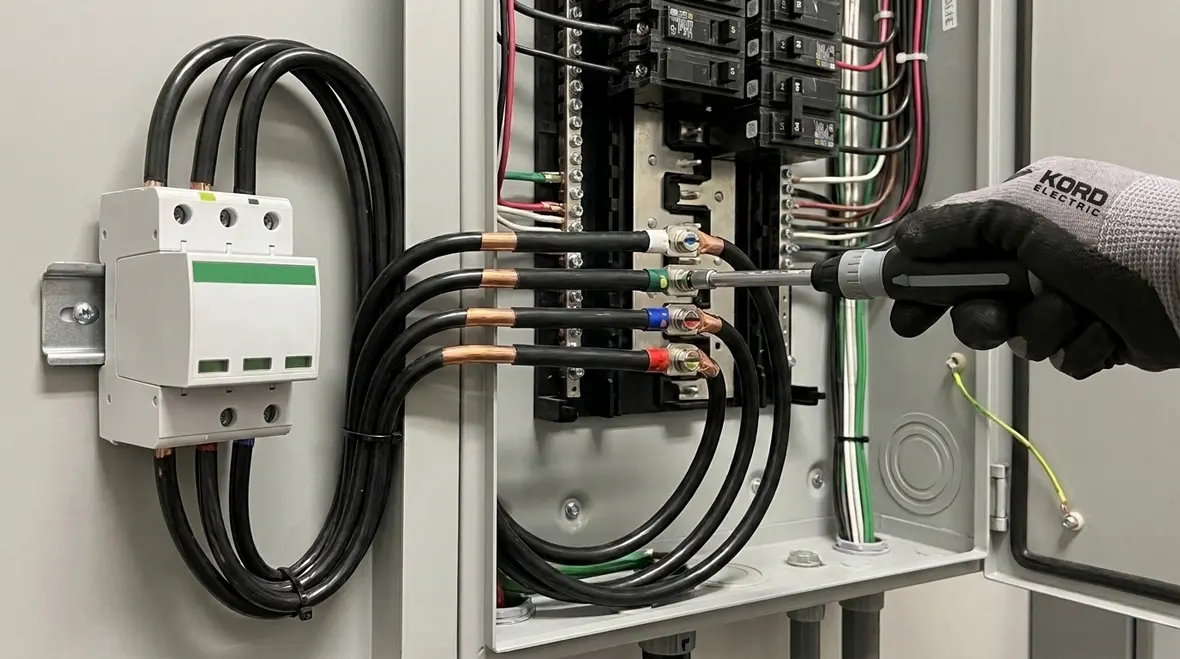
NEC SPD Conductor Connections NEC 242.30 Guide
Kord Electric helps commercial and industrial facilities keep power protection systems installed the right way, not the “we’ll tighten it later” way. In particular, we pay close attention to NEC SPD conductor connections that must meet the intent of NFPA 70 Section 242.30, which focuses on how surge protective device leads connect between conductors. In real field work, we see one bad connection turn a good SPD into a nervous paperweight. And while your electrical system will never complain out loud, it will absolutely show up later, right when you least want it. So, we explain what 242.30 requires, why it matters for performance, and how our technicians verify installations step by step.
In this article, we speak plainly and we work from the NEC logic explained in our Kord Electric and Kord Fire resources, including guides such as Understanding NFPA 70: The National Electrical Code Explained for 2026 and Kord Fire’s broader overview of NFPA 70: All About The National Electrical Code (NEC) 2026. Then we connect that guidance to what you can expect during service at major property buildings, warehouses, data halls, and industrial campuses. After all, power protection is not a checklist hobby. It is a mission.
Section 1: Why NFPA 70 242.30 matters for surge performance
NFPA 70 Section 242.30 deals with the connections between conductors for SPDs. In simple terms, the code expects installers to handle the path from SPD to protected components with care. However, what matters most is not just that the connection exists. What matters is how the connection behaves during a fast surge event. Surges move fast, and any extra resistance or poor routing can reduce the SPD’s ability to limit voltage.
At Kord Electric, our expert service staff often tells facility managers the same thing: the SPD can only protect as well as its wiring allows. Therefore, we treat 242.30 like a performance standard, not a paperwork requirement. If the connection between conductors is loose, long, or routed poorly, the SPD may still clamp the surge, but it may not clamp it quickly enough to protect sensitive equipment.
And yes, we know pop culture says “just add duct tape.” Electrical protection does not accept duct tape as a design strategy. It accepts compliant connections, proper conductor sizing, and disciplined installation.
Section 2: What “connections between conductors” really means in the field
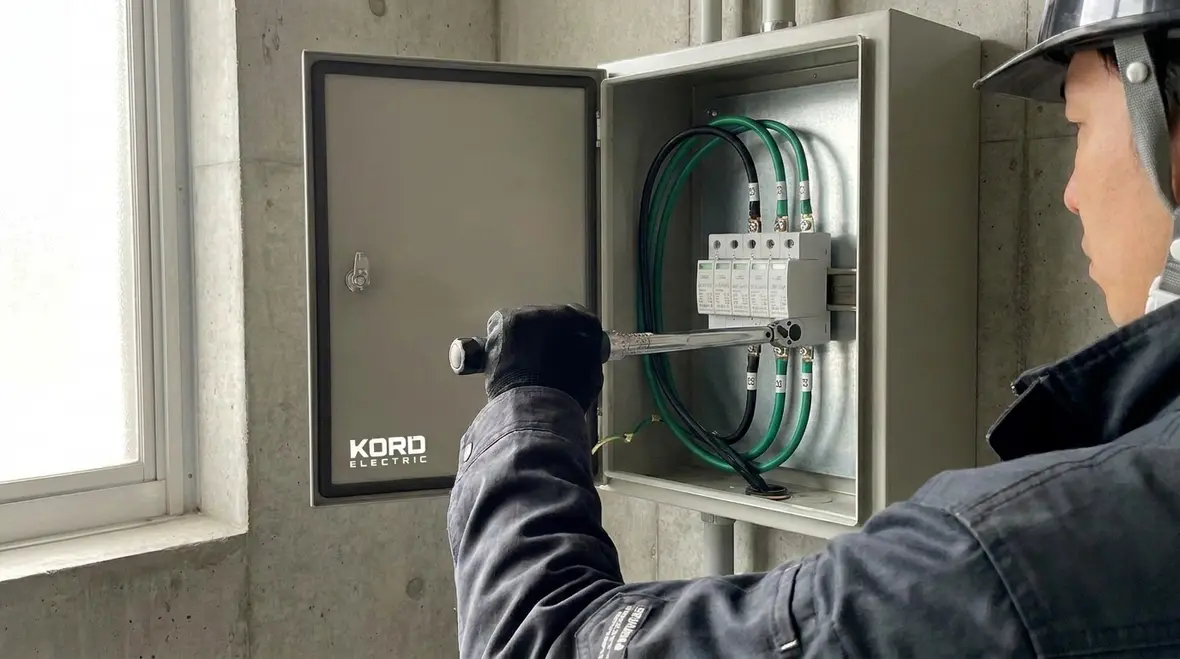
When our technicians review an SPD installation, they do not look at the SPD alone. Instead, they look at how the conductors connect at each interface: from the SPD terminals to the system conductors, and then toward the panel or bus where the SPD becomes part of the protective system. Section 242.30 emphasizes the correct method of making those connections so the device can function as intended.
To make this practical for major property buildings and industrial sites, we break the work into three parts. First, we confirm the SPD connection method matches the equipment listing and installation instructions. Next, we check the conductor routing and termination quality. Then, we verify the connection points do not introduce unintended impedance or stress.
We also pay attention to the “between” part. A connection that works fine at 60 Hz can still behave poorly under surge conditions. Therefore, our technicians treat terminations like high speed communication rather than slow mechanical joining. That mindset helps reduce surprises during commissioning and after later renovations.
Section 3: How SPD conductor connections affect voltage let through
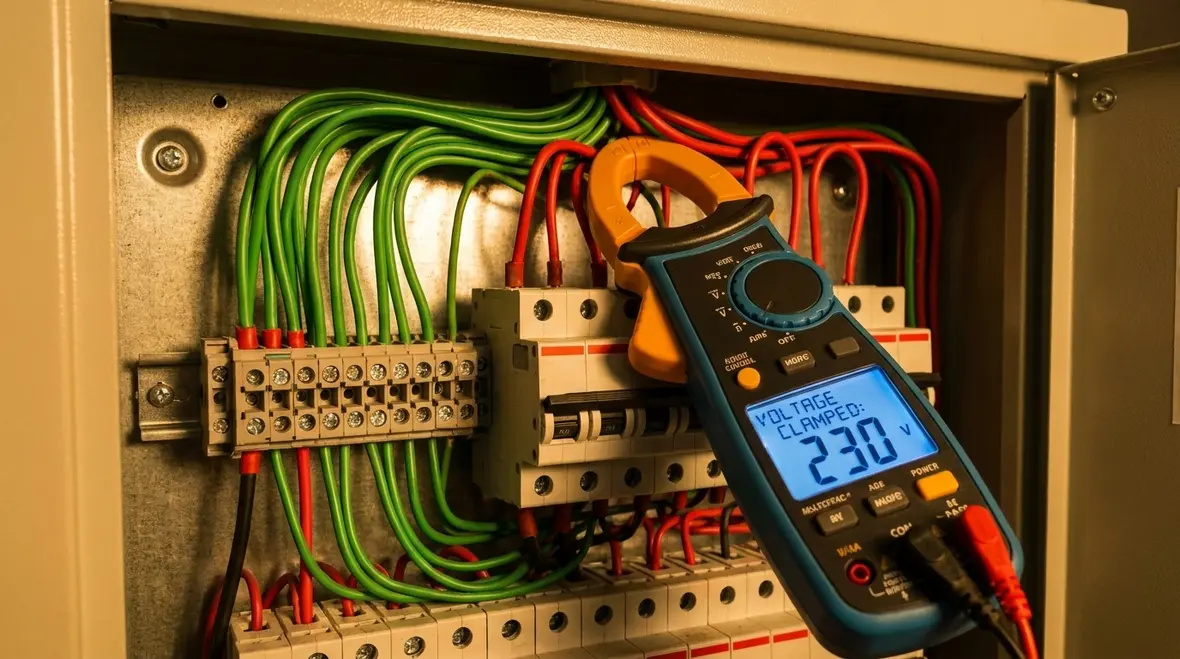
Surge protective devices try to limit voltage, but the wiring and terminations influence the final result. Consequently, NFPA 70 242.30 pushes installers to use proper connection practices, because surge current and high frequency effects do not care about our intentions. They care about the electrical path.
Here is what we see most often in commercial and industrial facilities:
1) High resistance at terminations
If connections are under tightened, contaminated, or not made with the right hardware, they can add resistance. That resistance can increase voltage under surge.
2) Unnecessary conductor length
Long runs between SPD terminals and the intended connection points can raise impedance. As a result, the SPD’s clamping response can get less effective.
3) Poor layout and sharp routing
Routing choices can increase inductance and create less predictable performance. Even if the installation passes a basic continuity test, it might not perform well under surge.
That is why our team works with a “measure and verify” approach, especially for buildings where critical systems depend on stable power. We align our verification with the principles found in our NEC discussions at Kord Electric and with the broader NFPA 70 framing shared by Kord Fire, and we keep the explanation grounded in what a facility manager can act on today.
Section 4: Common mistakes and how our technicians prevent them
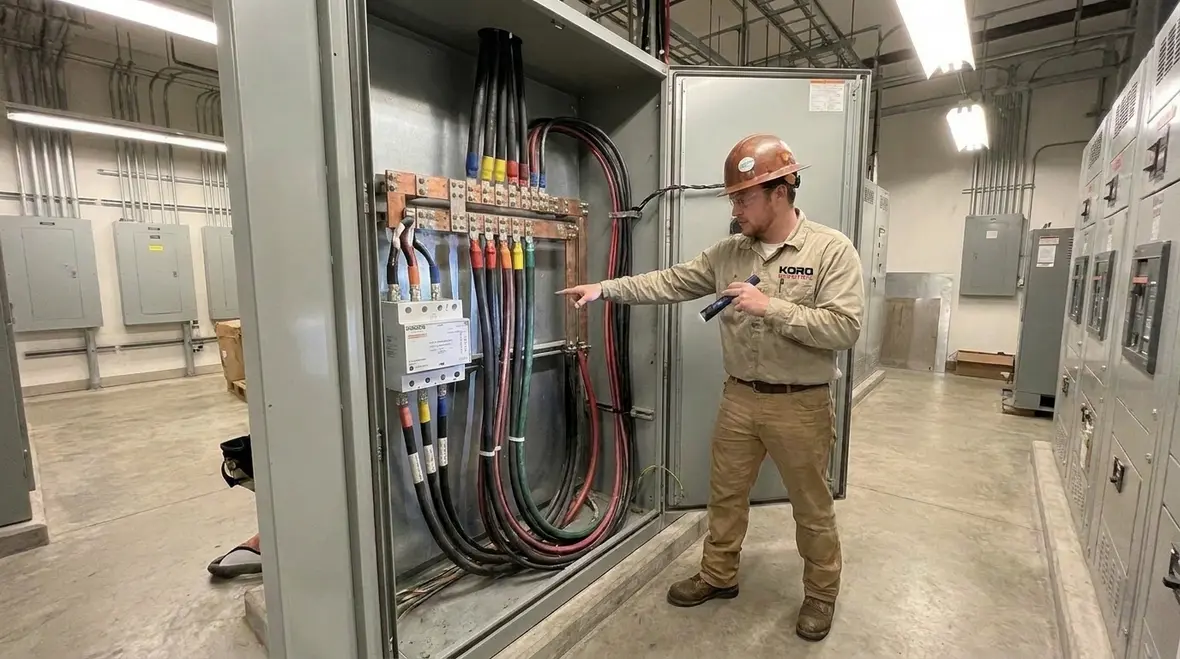
Every site has its own challenges. Still, certain mistakes repeat like a bad sitcom episode you cannot stop rewatching. Our technicians at Kord Electric prevent these issues through focused review and disciplined install habits.
Mistake A: Treating SPD wiring like general power wiring
SPD conductor work needs extra attention because surge performance depends on connection quality. Therefore, we avoid shortcuts and we follow the required connection method.
Mistake B: Mixing connection practices across trades
When different teams handle parts of the installation, the final connections can become inconsistent. For major property buildings, we coordinate so the SPD terminations match the intended design and comply with code requirements.
Mistake C: Overlooking mechanical stress
Vibration, thermal cycling, and future maintenance can loosen poorly made terminations. Our technicians secure connections properly and plan for service access, because protection systems deserve respect, not a future scavenger hunt.
How we explain it on site
We also explain the why, not just the what. When our technicians walk a facility’s electrical team through the final SPD conductor connection steps, they show how the physical connection impacts surge behavior. Then they clarify what to watch for during future panel work. In our experience, that communication reduces call backs and prevents “mystery changes” after renovations.
For additional NEC context, many facilities also reference our Kord Fire summaries, including the broader NEC framing that supports the intent behind 242.30. We encourage teams to align their SPD approach with the code logic, not just the installation timeline.
Section 5: Practical checklist for compliant NEC SPD conductor connections
Our commercial and industrial clients need actionable steps. So, we use a practical checklist during commissioning and service. The goal stays simple: confirm that NEC SPD conductor connections meet NFPA 70 Section 242.30 intent, and confirm that the SPD system works as a protection system, not a box of parts.
Review and documentation
- Confirm the SPD type and rating match the electrical system design and its listing requirements.
- Verify the connection method aligns with the SPD instructions and the intended conductor interface.
- Ensure the install plan matches the single line diagram and protected equipment plan.
Installation and terminations
- Use the correct conductor sizes and termination hardware.
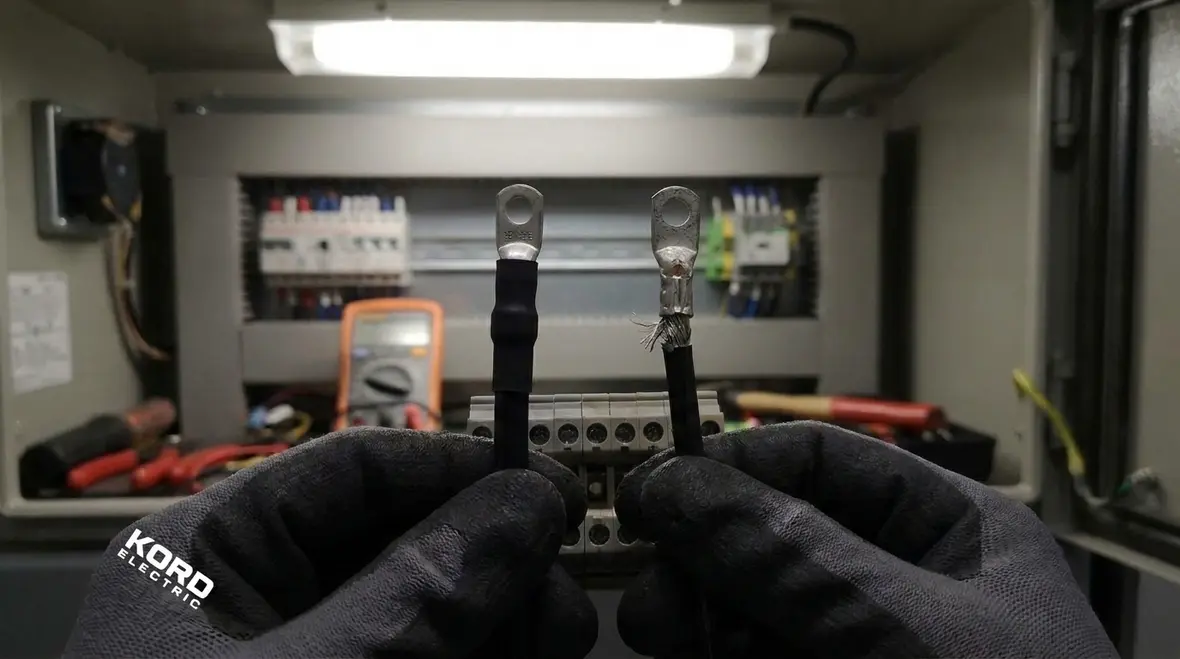
- Make terminations clean, fully seated, and correctly tightened.
- Route SPD conductors with care to avoid unnecessary length and poor bends.
- Prevent mechanical stress by securing conductors and planning service access.
Field verification
- Inspect each connection point for proper assembly and alignment.
- Confirm labeling and identification so future maintenance does not guess.
- Coordinate with commissioning teams to ensure the SPD remains integrated as designed.
Then, as our technicians explain, the real test is whether the installation matches the protection intent. After that, we support facilities with service guidance so your electrical team maintains it properly during upgrades.
Section 6: Coordination for major properties and facility renovations
Major property buildings constantly change. Tenants move. Panels get replaced. New feeders appear. Therefore, SPD conductor connections must survive the real world: schedules, construction dust, and “quick fixes” that no one documents.
Our approach at Kord Electric centers on coordination. We treat SPD systems as part of the building’s life, not a one time install event. When renovation work starts, we identify where the SPD interfaces with the system and we protect those connection points. That way, later panel modifications do not unintentionally alter the SPD performance path.
We also communicate with electrical contractors and facilities teams so everyone understands the importance of connection integrity. When someone changes a nearby component, we ensure they do not disturb terminations, conductor routing, or labeling. And yes, we remind people that “it still turns on” is not the same thing as “it protects during a surge event.”
For facilities that also coordinate with fire and safety partners, our Kord Fire resources help explain broader NEC context. We use those shared principles so each team speaks the same technical language, which saves time and reduces risk. Meanwhile, organizations such as FirePumps.org provide helpful educational material on related electrical safety awareness, and we use that broader safety mindset to keep work consistent.
If your facility team wants a wider look at how SPD work fits into code minded planning, related guides such as How to Read NFPA 70 National Electrical Code and Industrial Power Surge Protection for Facilities can help frame NEC SPD conductor connections inside a bigger reliability strategy.
Section 7: SPD conductor connections and maintenance that actually helps
Maintenance matters, but only if it targets the right areas. Because SPD performance depends on conductor connections and terminations, our technicians focus on those points during service visits. We do not only look for obvious damage. Instead, we verify connection security and cleanliness, and we confirm that changes during other electrical work have not altered the intended assembly.
We also help facilities plan for future inspections. For example, after a major panel service or a busbar upgrade, we recommend revisiting the SPD termination points. Additionally, if an SPD shows any signs of aging or if the facility reports nuisance alarms related to power quality events, we evaluate the full system, including connections between conductors.
This is where our expert service staff earns their keep. They explain what they found, what it means, and what they recommend next in plain language. Then they document it so your team can maintain protection continuity without guesswork. In a world where everyone wants answers yesterday, that clarity keeps the project calm.
For facilities in Southern California that want surge protection, SPD work, and NEC SPD conductor connections handled by one accountable partner, Kord Electric’s Los Angeles County electrical services offering connects code minded design, installation, and maintenance into a single service path.
FAQ
Conclusion
If your commercial or industrial facility needs surge protection that actually performs, we recommend treating NFPA 70 Section 242.30 like a performance requirement, not a formality. Kord Electric brings experienced technicians and expert service staff who explain the “why” behind NEC SPD conductor connections and then verify the installation with care. If you are planning upgrades, commissioning a new site, or updating an SPD system, contact us. We will review the connections, confirm compliance, and help keep your critical equipment protected, calm, and running.
From high density data halls to major property campuses, our team aligns SPD work with the broader NEC and NFPA 70 context you already rely on. When you combine disciplined conductor connections, code aware planning, and ongoing maintenance, surge protection stops feeling like a gamble and starts acting like the quiet, reliable layer your operations deserve.


