
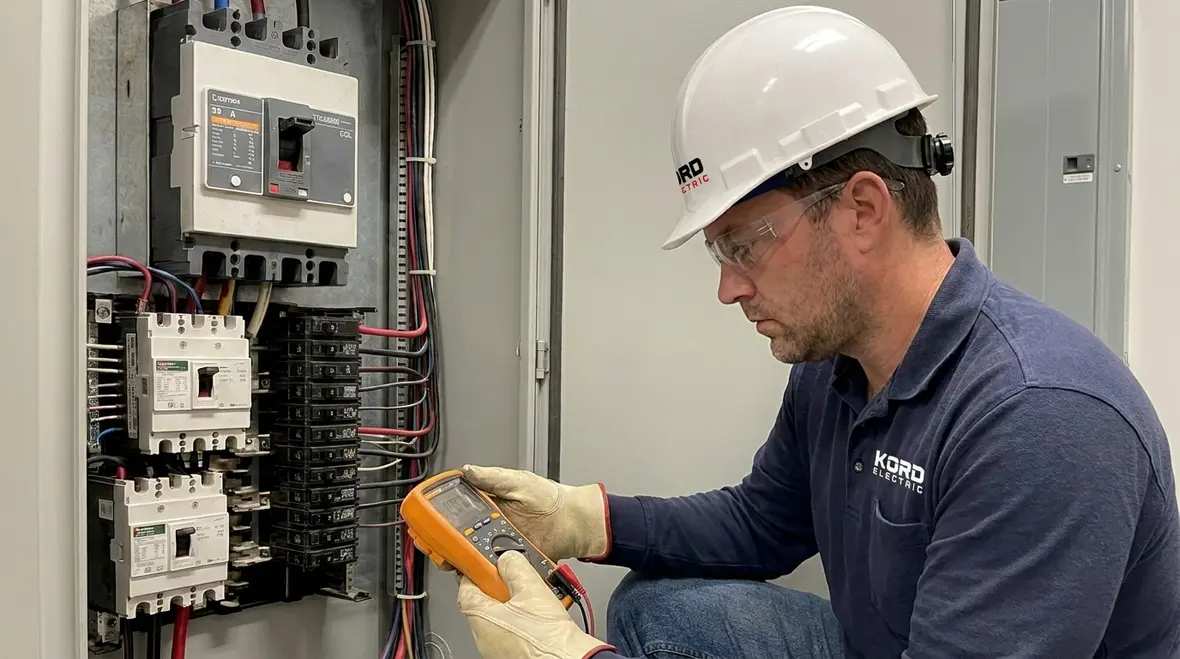
NEC Supplementary Overcurrent Protection 240.10 for Commercial
At Kord Electric, we focus on keeping commercial and industrial facilities safe, steady, and compliant. When we review NEC supplementary overcurrent protection, we explain it in plain terms and then verify it in the field. In this guide, our experts walk you through NFPA 70 Section 240.10, which covers the idea of adding protection beyond the main overcurrent device. In short, supplementary protection helps manage risk for circuits and equipment where extra help is needed.
Now, if you are thinking, “Overcurrent protection again?” Yes. But consider it like smoke alarms. They are not exciting, yet they matter when it counts. And unlike some pop culture villains, electricity does not slow down for anyone. So we take the time to do it right.
NEC Supplementary Overcurrent Protection: What NFPA 70 Section 240.10 Really Means for Commercial Buildings
For commercial and industrial facilities, NFPA 70 Section 240.10 lives in the same universe as other overcurrent rules, but it tackles one specific angle: what happens when the main overcurrent device is not the whole story. In many commercial buildings, the primary breaker or fuse protects feeders and service conductors just fine, yet certain downstream circuits or equipment need a little more nuance. That is where NEC supplementary overcurrent protection comes in as a kind of “focused shield” for specific conductors and components.
In practice, that means our technicians and expert service staff do two things at once. First, they respect the main overcurrent device and the way it protects the system as a whole. Second, they look for wiring segments, equipment terminals, control circuits, and internal distribution that may benefit from targeted protection. When done well, Section 240.10 becomes part of a layered strategy, not an afterthought bolted onto the end of a drawing set.
We also connect this topic to broader NEC planning. Many of our clients review foundational code resources like our guide Understanding NFPA 70: The National Electrical Code Explained for 2026 on the Kord Electric blog, then zoom into Section 240.10 to see how overcurrent strategy turns into real-world decisions about breakers, fuses, and supplementary devices across their facility.
Where supplementary protection fits in the system design
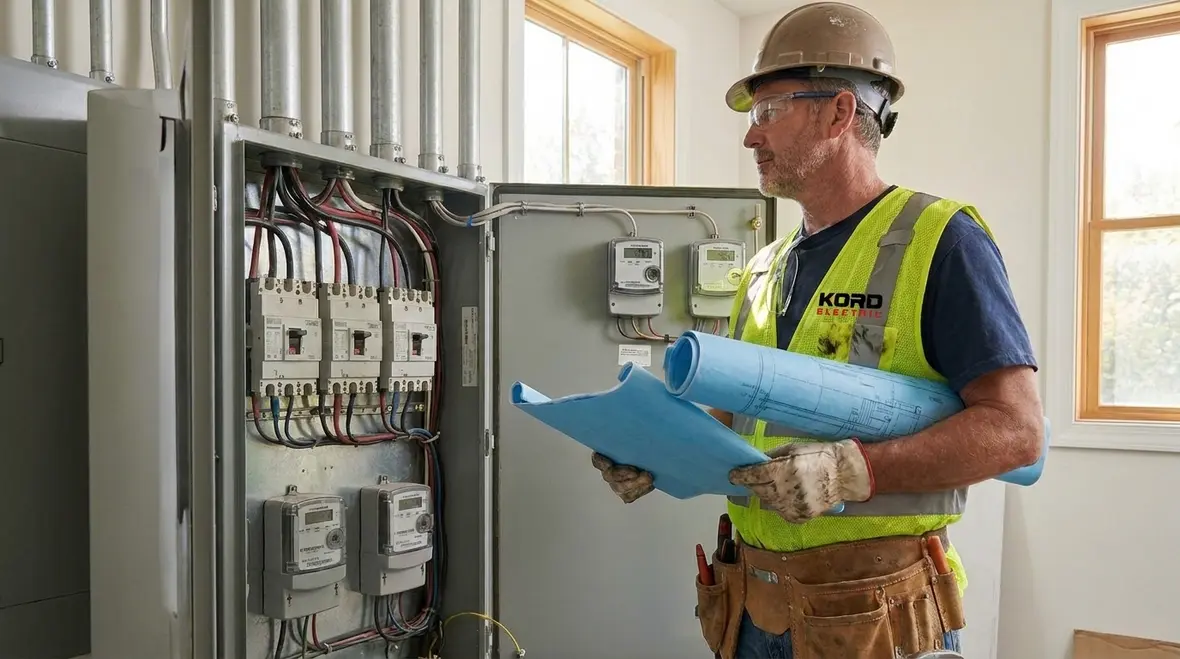
Engineers and electricians typically plan overcurrent protection in layers. First, there is the main overcurrent device that protects conductors and equipment based on the electrical system design. Then, for certain loads and wiring arrangements, NFPA 70 Section 240.10 allows or requires supplementary overcurrent protection. This is not about adding random breakers. Instead, it is about matching protection to how the circuit actually behaves during a fault or overload.
To help our clients, our technicians and expert service staff often start with a simple question: what is the circuit feeding, and how is it connected. After that, they connect the dots between the listing of equipment, the conductor size, the location of the load, and the available fault current. In addition, they confirm the intent of the NEC sections that govern conductor protection, equipment protection, and system coordination.
Because commercial and industrial facilities have varied equipment, from HVAC controls to process loads, the practical need for supplementary protection shows up often. Meanwhile, major property buildings also bring multiple tenants and life safety systems under one electrical roof, which makes careful coordination even more important.
NFPA 70 Section 240.10: The rule in plain language
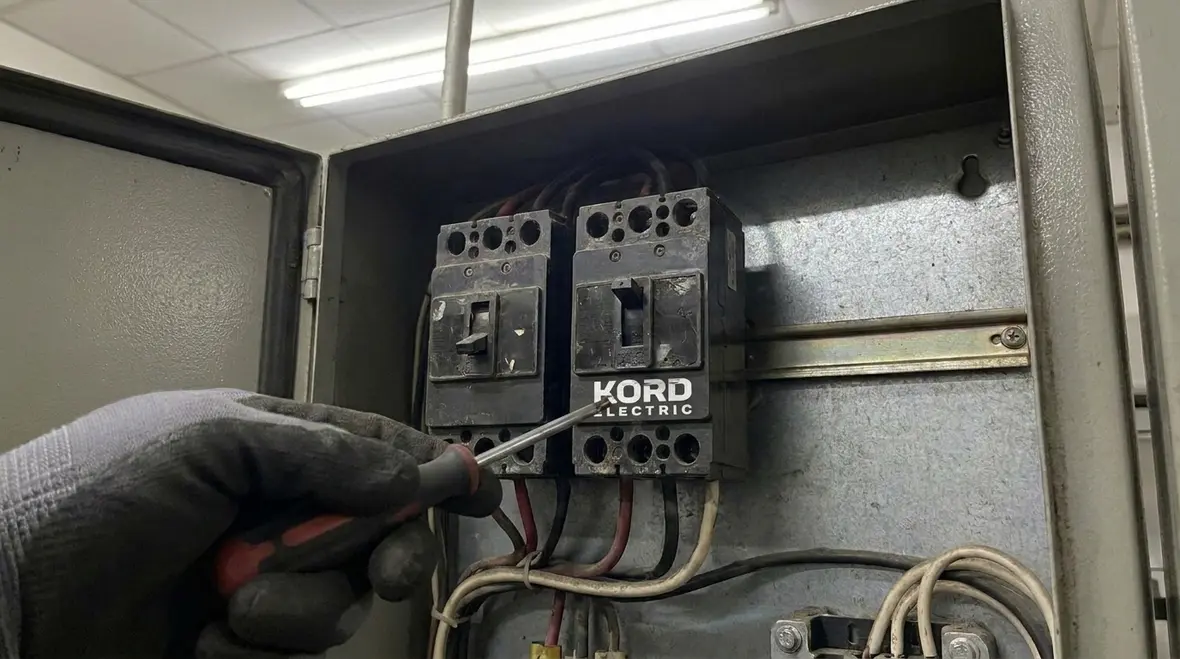
NFPA 70 Section 240.10 addresses when supplementary overcurrent devices can be used and how they relate to the rest of the protection scheme. Importantly, it focuses on the idea that the main overcurrent device may not provide the level of protection desired for the specific equipment or wiring section downstream.
In many real installations, a feeder brings power to a panel or distribution system, and then branch circuits connect to loads. Over time, the way power routes through equipment can create sections of conductors that require extra attention. Therefore, supplementary overcurrent protection can help limit energy let through to sensitive loads or equipment terminals.
Our expert staff often explains the concept like this: the upstream breaker stops the main problem, but the supplementary device can help manage the smaller problem at the point where it occurs. As a result, the downstream equipment remains safer, and troubleshooting after a fault becomes clearer.
From a commercial facility standpoint, Section 240.10 also fits into broader NEC themes like wiring integrity and load calculations. For example, a protection review might reference workmanship expectations from wiring integrity standards and calculated load rules in other NEC sections, then look at how NEC supplementary overcurrent protection usage closes the loop so conductors, terminals, and equipment stay within their intended duty even during abnormal events. That way, one mis-sized device does not turn a localized issue into a building-wide outage.
How to apply supplementary protection during panel and feeder coordination
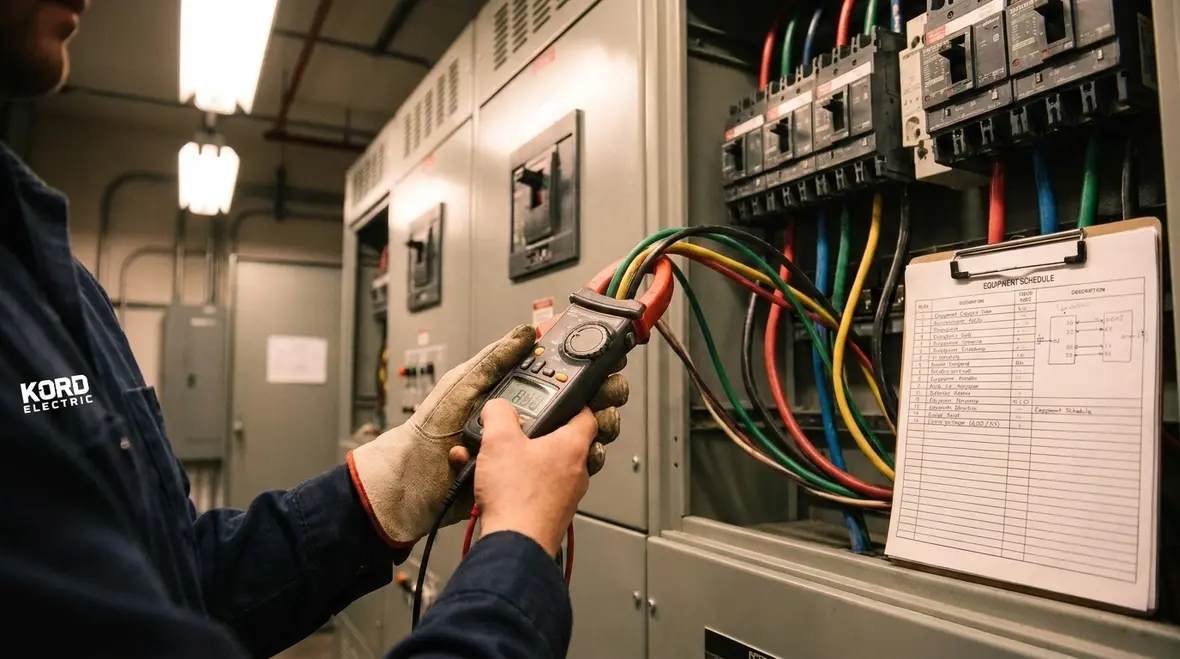
Applying supplementary overcurrent protection in the field is not just about picking a device rating. It requires coordination. That means we verify that the upstream protective device and the supplementary device work together. If we ignore this step, you can end up with nuisance trips, delayed clearing, or unnecessary downtime. And downtime in a warehouse, hospital wing, data room, or office tower is not just inconvenient. It can get expensive fast.
To keep projects on track, our technicians follow a clear process. First, we review the electrical one line and the equipment schedules. Next, we check conductor ampacity and insulation type. Then, we confirm overcurrent device ratings and trip characteristics that fit the actual system.
After that, we look at the interaction between devices. For example, if a supplementary device clears too quickly, it can interrupt service for other loads that should ride through minor faults. Conversely, if it clears too late, it may not protect what it should. Finally, we document the selections so the building team can maintain the system with confidence.
And yes, we know selection spreadsheets can feel like reading a detective novel where every clue is a terminal label. Still, thorough coordination prevents the “mystery of the midnight outage.” When we tie supplementary device behavior to manufacturer data, available fault current, and the rest of the NEC framework, the result is a calm, predictable response instead of a surprise trip that shows up on a busy shift.
Common commercial and industrial scenarios where supplementary protection matters
Even when teams plan well, real sites throw curveballs. Commercial and industrial facilities often include long equipment runs, shared panels, and mixed load types. Major property buildings may also include tenant improvements that add new loads without fully understanding the original protection intent. In these situations, supplementary overcurrent protection can provide a practical safety net.
Here are common scenarios we see in our work with commercial and industrial facilities:
Process and control equipment that has sensitive terminals or components. Supplementary protection can help limit fault energy at downstream points where it matters.
Distribution inside equipment enclosures, where internal wiring sections need protection aligned with how the manufacturer rated and listed the equipment.
Panelboard and branch circuit arrangements in buildings with heavy maintenance schedules. A well planned scheme helps staff isolate problems without shutting down entire areas.
Loads with variable duty cycles, where overload behavior can be different than expected. When we coordinate devices carefully, we reduce the risk of repeated interruptions.
Major property building tenant upgrades, where new circuits connect into existing distribution. We treat those changes as a protection review, not just a wiring job.
In all these cases, our expert service staff makes a point of explaining the “why,” not just the “what.” When the facility team understands the logic, they can support safer operations and faster maintenance. We often reference bigger-picture NEC content from resources like our National Electrical Code overview for 2026 so facility leaders see how a small device decision in one panel loops back to the overall risk profile of their building.
Inspection, documentation, and ongoing service for safer operations
Once supplementary overcurrent protection is installed and coordinated, it still needs attention. Over time, facilities expand, equipment ages, and maintenance practices change. Therefore, we recommend periodic review of device condition, labeling, and coordination notes. This step supports safe operations and helps ensure compliance during audits and future upgrades.
Our technicians also focus on clarity. They label circuits properly, note device details, and verify that installed protective devices match design selections. If a later change happens, we want the next person on site to understand the protection story without guessing. Guessing is what we call “electrical folklore,” and we do not run our projects on myths.
Additionally, we encourage facility managers to keep a current record set for major property buildings. When documentation is clean, contractors can plan upgrades faster and reduce the risk of missed coordination points. And if questions come up, our team supports the facility with clear, business ready explanations.
For clients who want the full context of the NEC approach, we also share related guidance through our resources, including our NEC focused content on Kord Electric’s blog, such as the article Understanding NFPA 70: The National Electrical Code Explained for 2026, and our broader fire and safety materials at Kordfire. Those resources help teams connect the dots across code topics and real world planning so NEC supplementary overcurrent protection usage fits into a bigger, coherent safety strategy instead of living as an isolated line on a panel schedule.
When projects move from design to construction, many commercial clients also lean on services like electrical code upgrade consulting for renovations, where Kord Electric reviews how new work interacts with existing protection schemes. That layer of review makes Section 240.10 decisions and supplementary device selections more resilient to future changes, tenant improvements, and AHJ expectations.
FAQ: NEC supplementary overcurrent protection and NFPA 70 Section 240.10
Facility leaders and maintenance teams often ask similar questions once they see how Section 240.10 affects their distribution. Below are some of the clarifications we walk through during site visits and protection reviews.
Call Kord Electric for a protection review that actually holds up
If your facility has existing panels that keep tripping, new loads coming in, or equipment that feels “protected enough” but never fully verified, we can help. Kord Electric serves commercial and industrial facilities and major property buildings with expert reviews, coordinated installs, and clear explanations by our technicians. Contact us to schedule an on site assessment of your overcurrent protection scheme, so you can reduce risk, protect equipment, and keep uptime steady. We will handle the technical work and the real world coordination.
Many owners in Los Angeles County and the surrounding region start by reviewing our broader Los Angeles County commercial electrical services, then schedule a focused NEC supplementary overcurrent protection review as part of a larger upgrade plan. Others come to us after reading related NEC resources like Understanding NFPA 70: The National Electrical Code Explained for 2026 and realizing their building’s protection strategy has not kept up with today’s loads and equipment. Either way, our goal is the same: protection that performs when it counts, without unnecessary drama.
If you prefer to dig deeper into NEC context before we walk your facility, you can explore code-focused resources on the Kord Electric blog, including our National Electrical Code primer for 2026, and connect them with fire and life safety insights published through Kordfire. Then, when you are ready, we will bring that combined perspective into your switchgear rooms, panelboards, and control spaces, translating the theory of Section 240.10 into a protection layout that your maintenance team can trust.
From first review to final labels, you should not have to guess whether your supplementary overcurrent devices are doing their job. We will show you where they fit, how they behave, and how they support the rest of your electrical and life safety systems.


