
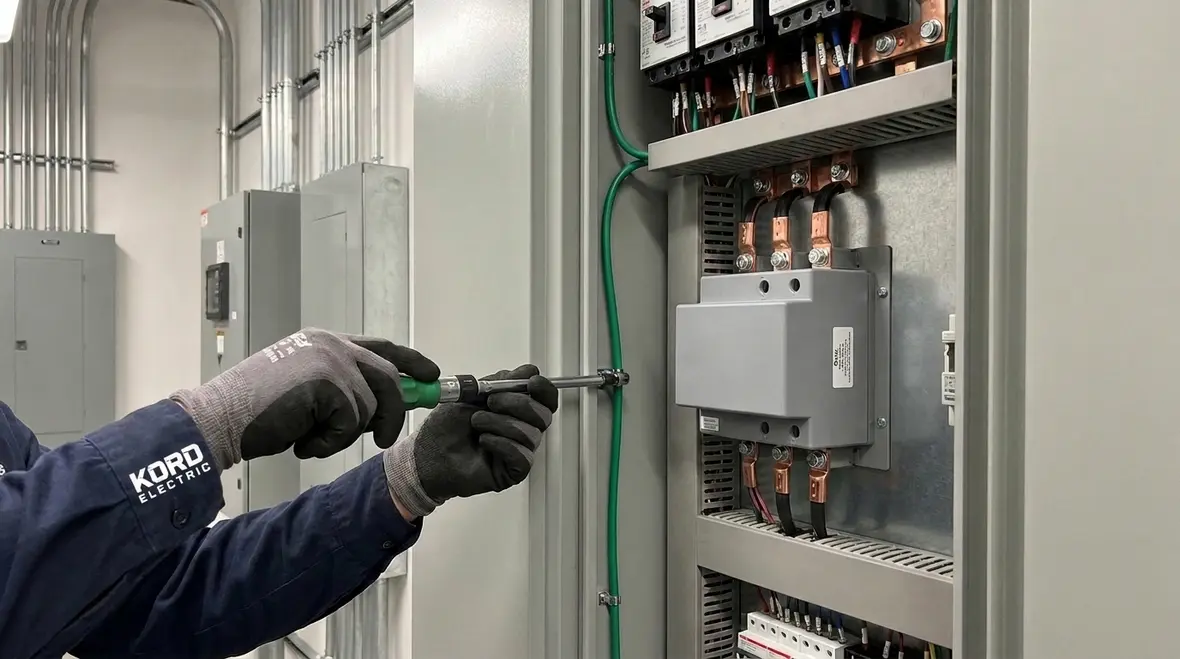
NEC Surge Arrester Interconnections NFPA 70 242.54
At Kord Electric, we plan NEC surge arrester interconnections with the same calm focus we use for every commercial and industrial job. Our technicians and expert service staff explain how surge devices connect, how wiring routes affect performance, and how crews can keep protection working when the grid gets noisy. After all, power systems do not “misbehave” politely. They spike, they surge, and they do it at the worst time. So in the first 100 to 150 words, we start with what matters: correct interconnections that follow NFPA 70 Section 242.54. From there, we spell out the practical steps others often skip, because they assume the device alone will save the day. Like wearing a helmet, it helps, but only if it fits right.
NFPA 70 Section 242.54 and what it demands for surge protection
NFPA 70 Section 242.54 focuses on how surge arresters connect into the electrical system. However, people often read it like it is just another code section, and then they move on. We do not. Instead, we treat this part of the National Electrical Code as a performance rule, not a paperwork rule. When a surge arrester fires, the path for energy must be controlled. If the interconnections fight the physics, protection can degrade fast, even if the arrester rating looks correct.
In plain terms, our team confirms several things before any final connection gets closed up. First, we verify where the arrester ties into the system conductors. Then we confirm conductor size, routing, and bonding. Next, we check how the connections support a low impedance path. Finally, we document it so the building owner and facility manager can maintain it without guesswork later.
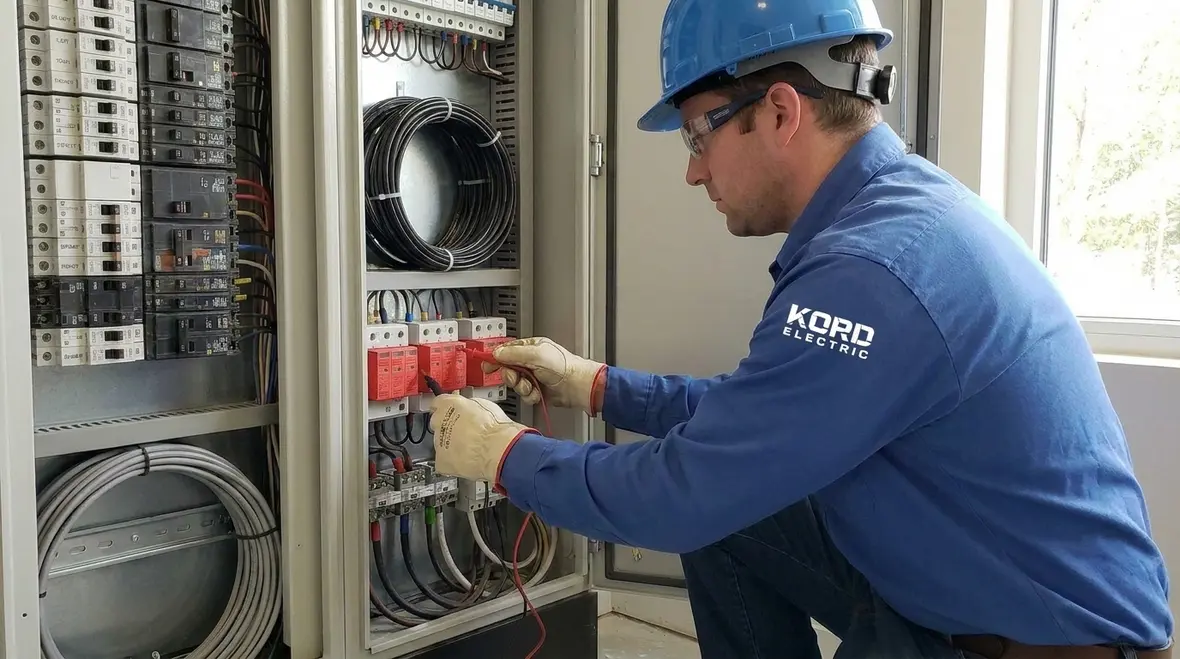
For major property buildings, these details matter even more. A commercial switchboard or panelboard is not a single isolated island. It connects loads, feeders, and downstream equipment. So while one small change might seem harmless, in the real world it can change how surges spread and how well equipment stays protected.
If facility teams want deeper background on how the National Electrical Code frames surge protection and system behavior, they often review resources like Kord Electric’s guide Understanding NFPA 70: The National Electrical Code Explained for 2026 while we focus this article on NEC surge arrester interconnections and NFPA 70 Section 242.54.
How NEC surge arrester interconnections affect real protection
When a surge occurs, the arrester creates a controlled path, and that path must be tight. Therefore, interconnections shape the outcome. A clean connection lowers stray inductance. A messy run increases it. And when inductance rises, the voltage at equipment terminals can rise too. In other words, the arrester can “do its job,” but the wiring between the arrester and the rest of the system can still cause damage.
Our technicians explain it this way during site walkdowns. If the surge is a fast wave, the connection must move that wave toward ground quickly. Otherwise, the wave turns into a delayed problem. Think of it like trying to stop a leak by closing one valve while leaving the hose twisted and under stress. You may slow the flow, but you still create chaos.
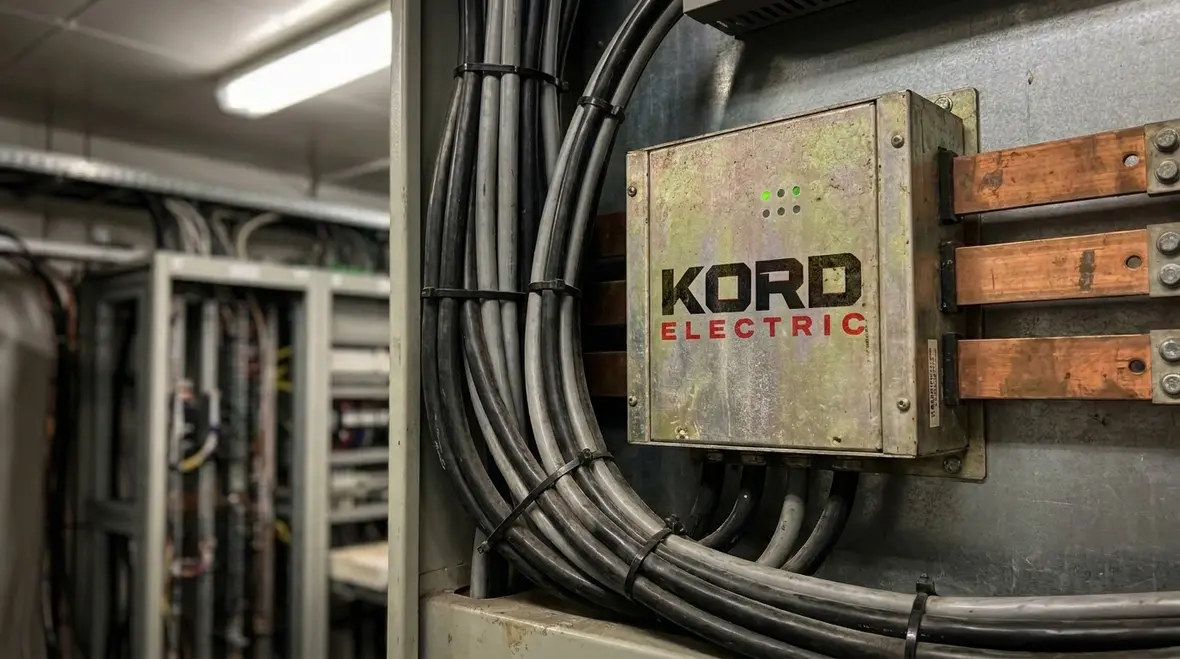
We also look at the system configuration that the facility actually uses. For example, the placement of arresters, the type of grounding system, and the connection method all influence performance. Then we align the interconnection plan with the facility’s electrical layout, including how bus work, conduits, and panels connect in the field.
Translating surge theory into field checks
On paper, a surge arrester looks like a simple device: it clamps voltage when things get wild. In the field, the story changes. Our crew walks panels, switchboards, and motor control centers with a checklist that pairs NEC 242.54 expectations with practical details:
- Where the arrester ties into line and neutral conductors
- How far the NEC surge arrester interconnections run before they see a reliable grounding point
- Whether the bonding path creates one clear route or several accidental side roads
- How terminations will behave under real fault current, not just test-bench conditions
Those checks keep the fast, high-energy behavior of a surge aligned with the low-impedance pathways that NFPA 70 expects throughout Article 242.
Field steps our expert service staff follow on commercial sites
At Kord Electric, we only target commercial and industrial facilities and major property buildings. That focus changes how we plan and execute. Our crew expects complex switchgear rooms, multiple feeders, and high-value equipment like process controls, drives, lighting systems, and communication gear. So we build interconnection plans that match that reality.
First, we review the one line diagram and equipment schedule. Then we compare the design intent to what the site actually provides. Next, we confirm the arrester type and installation requirements so the interconnections match the product instructions and the code requirements. After that, we plan conductor routing and bonding points to limit sharp turns, avoid unnecessary loops, and keep conductor runs as direct as the layout allows.
Third, we verify termination quality. We inspect lug fit, torque marks, and contact surfaces. We make sure the connection surfaces get cleaned and prepared correctly. We also confirm that the interconnections maintain the right mechanical support so the arresters do not become “decorative wiring” over time. Finally, we coordinate labeling and documentation so facility staff can recognize what was installed and why.
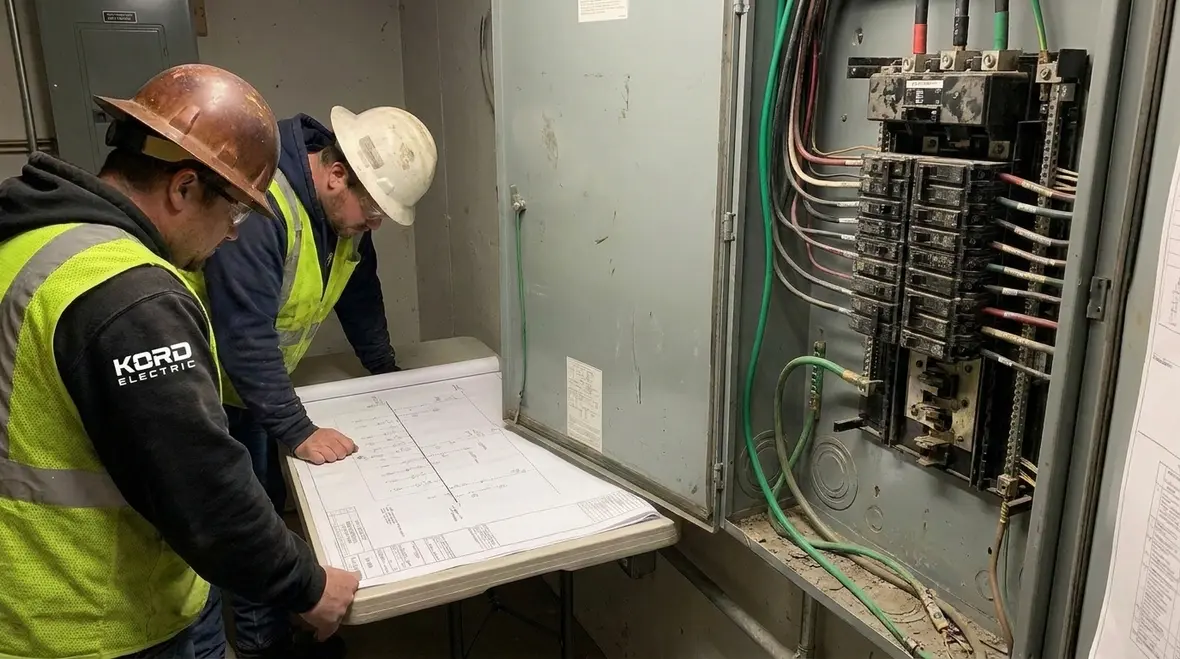
Throughout the process, our technicians explain the “why” in plain language. Because when people understand the purpose, they maintain it. And when maintenance improves, protection stays reliable. That is the boring part that becomes the best part.
How our surge work aligns with broader NEC planning
Many of our commercial clients review surge arrester work while they plan other NFPA 70 upgrades such as branch circuits, service entrance methods, and equipment space clearances. When we coordinate surge protection with those tasks, we cut down on rework and keep outage windows shorter. That way, NEC surge arrester interconnections, NFPA 70 Section 242.54, and related code sections all pull in the same direction instead of competing for panel space and conductor routes.
Conductor routing, bonding, and grounding choices that keep performance high
Routing affects surge performance more than many people want to admit. Therefore, we pay attention to how conductors travel from arrester to the system and to ground. We guide routes to avoid long, indirect paths. We reduce loop area. We minimize bends and keep conductor lengths consistent with sound engineering practice.
Bonding serves the same goal: it creates an intentional path for energy. When bonding gets sloppy, the surge energy can take side roads through metallic enclosures, building steel, or equipment grounds. Those paths might exist, but they often exist unpredictably. Instead, we bond in a controlled way so the surge arrester interconnections work the way the code expects and the system needs.
We also check grounding conditions. Grounding systems differ across buildings, and retrofits can create mixed paths. Our team checks how the existing grounding network behaves, then aligns arrester interconnections to reduce the chance of voltage rise at equipment. That helps protect both power components and sensitive electronics that ride along on shared systems.
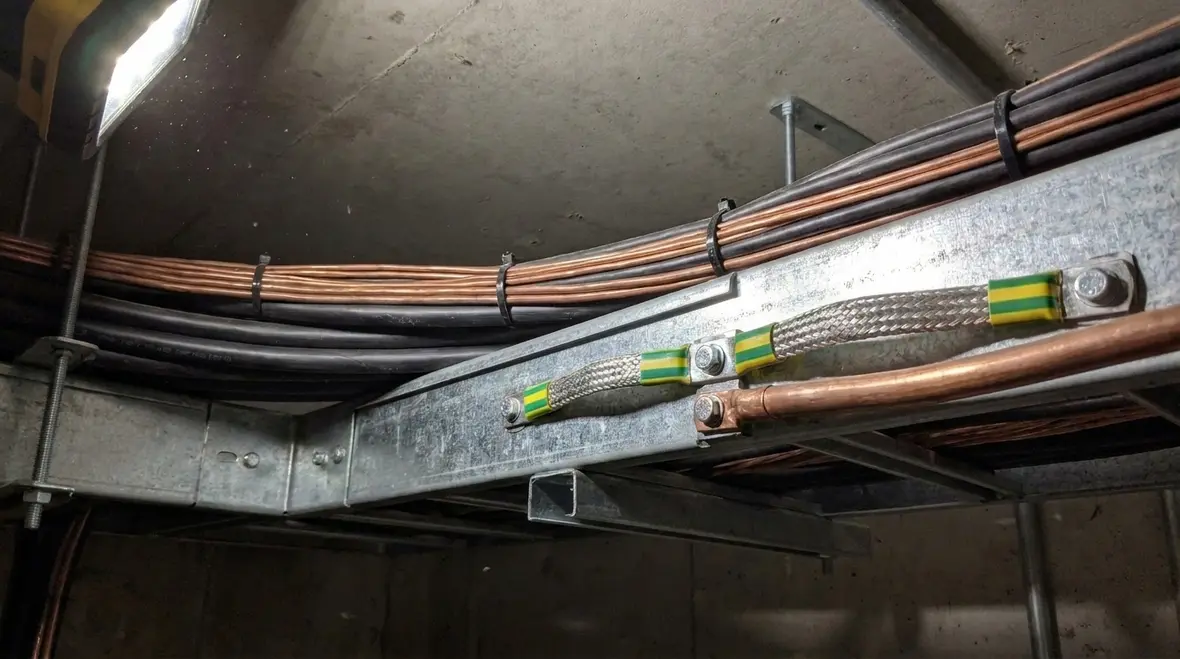
When the facility needs upgrades, we do not force a one size fit all solution. We evaluate how the building’s electrical rooms tie together and how the loads connect downstream. Then we design the interconnections so protection supports the actual distribution method, whether it uses bus runs, feeder tap arrangements, or dedicated protection schemes.
Keeping NEC surge arrester interconnections ready for the next project phase
Commercial buildings rarely stay static. Tenants change, processes get updated, and equipment rotates out. We design NEC surge arrester interconnections with that reality in mind, leaving room for future conductors, scheduled expansions, or additional protective devices. When the next project team opens a panel, they should see a clear layout, not a tangle of unplanned conductors crossing the surge arrester path.
Common mistakes in interconnections and how we prevent them
Even smart teams sometimes miss the details. We see patterns, and we address them early, because correcting mistakes after installation usually costs more and causes downtime. For example, people often use longer conductor lengths “because it is easier in the moment.” However, longer runs can raise impedance and reduce surge effectiveness. Another frequent issue involves loose terminations, rushed lug selection, or missing bonding jumpers. Again, it looks small, but surges do not care about convenience.
We also watch for incorrect routing through areas that invite mechanical damage. A conductor that gets bumped, pinched, or exposed during future work becomes a future failure. So we coordinate with the project schedule and protect the pathway. We then confirm the final configuration with a step-by-step inspection.
Finally, some teams treat the arrester as a “standalone device.” Yet, surge protection is a system. Therefore, even the best arrester can underperform if the interconnections ignore the electrical layout. Our technicians explain this in meetings, and we show the risks in a way that facility leaders can understand without getting lost in a sea of jargon.
As a light joke for the serious work: if you install surge devices but then connect them like you are assembling furniture from a missing instruction sheet, the power surge will still show up and judge you. It has terrible timing and zero empathy.
From punch lists to performance
We turn those common mistakes into a repeatable punch list. On every NEC surge arrester interconnections job, our service staff walk the installation against a checklist that covers conductor length limits, bend counts, lug torque, bonding jumpers, and labeling. That way, code language from NFPA 70 Section 242.54 shows up as specific, visible details instead of lines buried in a specification binder.
Where code knowledge meets safe project delivery for major buildings
Code compliance matters, but delivery matters too. So we connect NFPA 70 guidance to how buildings operate. In commercial and industrial facilities, work often happens around critical operations. That means outage planning, coordination, and careful staging. Our service team schedules inspections and installation activities so the building stays functional.
We also think about long-term maintenance. We create clear labeling and provide documentation that helps in future troubleshooting. When facility staff can trace the surge arrester interconnections and understand the grounding approach, they maintain the system with confidence.
Additionally, we coordinate with other trade needs that affect electrical rooms. Conduit routing, cable management, and equipment clearances all interact with the final installation. When those interactions get ignored, you end up with conductors that do not get properly supported, or connections that get covered before a careful look. That is why we treat the installation sequence as part of compliance, not as an afterthought.
And yes, we keep things calm on site. We know major property projects can feel like a nonstop meeting. Still, we move with purpose because surge protection needs precision, not chaos. For deeper NEC context, building owners can explore Kord Fire and Kord Electric resources on NFPA 70, including articles that explain how the National Electrical Code shapes equipment spaces, service entrance methods, branch circuits, and surge protection strategies working together.
Linking surge protection to broader electrical services
Many facilities bundle surge upgrades with larger electrical work such as panel replacements, branch circuit corrections, or system expansions. When NEC surge arrester interconnections become part of a broader plan, it helps to pair them with a contractor who handles everything from code research to field terminations. For property leaders in Southern California, that often means reviewing comprehensive offerings like Los Angeles County electrical services for commercial and industrial facilities so surge protection lines up with the rest of the project scope.
FAQ about NFPA 70 and surge arrester interconnections
Below are short answers designed for quick scanning. Our technicians and expert service staff often hear these exact questions during commercial and industrial walkthroughs.
Final thoughts and a clear next step
Surge protection succeeds when design, installation, and interconnections work together. At Kord Electric, we build that connection with careful routing, solid bonding, and field verified terminations for commercial and industrial facilities and major property buildings. Our technicians and expert service staff explain each decision so your team can maintain the system with confidence. If you want NEC driven guidance aligned with NFPA 70 Section 242.54 and practical NEC surge arrester interconnections, contact us today. We will review your layout, identify gaps, and plan a practical, safe path forward.
Whether you are coordinating a new build, a retrofit, or a focused protection upgrade, we help you align surge protection with the broader NEC roadmap your building already follows. That includes documenting what you have, explaining what should change, and delivering work that passes inspection while keeping equipment reliable when the power system is anything but calm.


