NEC Vault Tunnel Structural Strength Under NFPA 70 110.71
In commercial and industrial facilities, safety is built into the walls, not just inside the panel. That is why NEC vault tunnel structural strength matters under NFPA 70 Section 110.71. We at Kord Electric focus on how these enclosures and raceway spaces handle real world stress, heat, and forces, so your electrical system stays reliable when conditions get tough. In other words, we make sure the structure can do its job, because electricity does not care how pretty the wiring looks. And yes, we still joke with clients that the code cannot be negotiated like a car warranty, but we always back it with solid engineering thinking. Now, let’s walk through what NFPA 70 Section 110.71 requires and how our expert service staff helps teams apply it correctly.
NFPA 70 Section 110.71 in plain business language
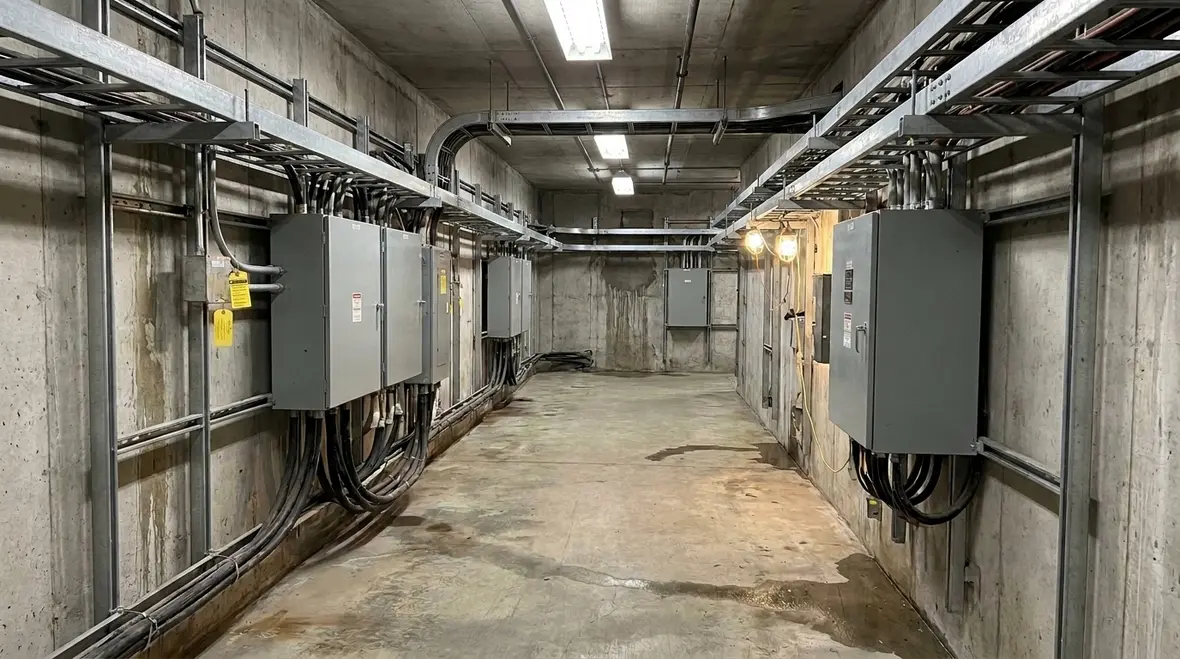
NFPA 70 Section 110.71 addresses the vault and tunnel structural strength for electrical installations. However, it is not written for the average homeowner who is trying to add a porch light. This section is aimed at environments where electrical equipment and raceways sit in vaults or tunnels, often in large property buildings, campuses, and industrial sites.
In practice, the rule means that these structures must be built and maintained so they can safely support the raceways and equipment inside them. Therefore, when someone designs or modifies a vault or tunnel, they must consider loads, support, and durability over time. As we explain to facility managers, you do not just build a box and hope. You build a system that can handle forces, water, and long term wear without turning into a future troubleshooting project.
To keep things clear, our technicians review the scope like they are reading a map. Then, we connect the code requirement to what the contractor will actually build. And if we see a mismatch between drawings and site reality, we raise it early, because waiting until the inspection stage is like showing up to a meeting without your slides. It is possible, but it will not feel good.

Why structural strength changes the whole electrical design
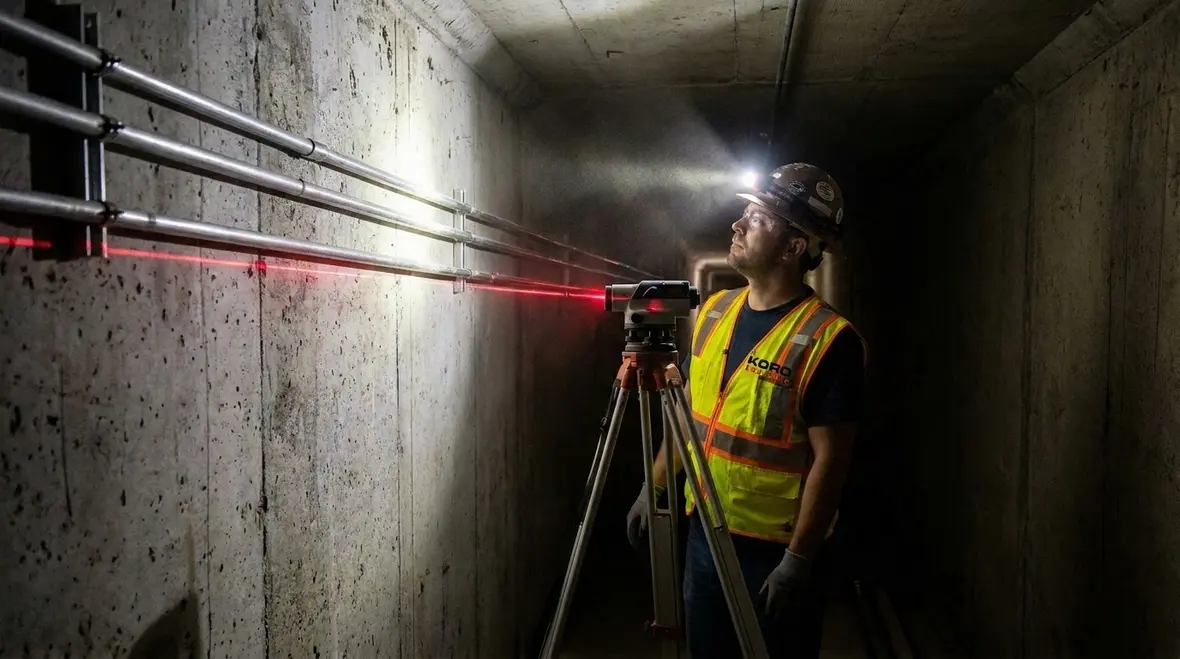
Many teams treat vaults and tunnels like they are “civil work with wires.” Yet, electrical safety depends on that civil work behaving as intended. First, structural strength affects how raceways stay aligned and protected. Next, it influences how enclosures resist cracking, deformation, and shifting, all of which can damage cables, conduit, and terminations.
Then there is the impact of environmental stress. Water intrusion, freeze thaw cycles, soil movement, and heat from nearby electrical loads all work over time. As those factors build up, weak structural elements can create gaps, misalignment, and stress points. Consequently, the electrical installation experiences strain beyond what the components were chosen to handle.
At Kord Electric, we make this connection for commercial and industrial customers and major property buildings. Our expert service staff does not just talk about the code text. They walk through how vault and tunnel design affects routing, support spacing, and access for maintenance.
So yes, you can follow every wiring detail perfectly and still lose the safety battle if the vault or tunnel cannot stay stable. That is the big idea behind NEC vault tunnel structural strength: the structure and the electrical system must work as one unit.

How we apply vault and tunnel requirements on real projects
When a team plans a new installation or upgrades an existing vault or tunnel, we help ensure the NFPA 70 Section 110.71 intent gets met. However, application varies by site and by how the electrical system is arranged.
Our process typically follows this flow, and we keep it practical for facility owners and engineering teams:
- Review the electrical scope so we understand what equipment, conductors, raceways, and terminations live inside the vault or tunnel
- Confirm the structural assumptions so the vault or tunnel can handle loads and maintain support over time
- Coordinate with civil details so access points, supports, and openings do not weaken the structure beyond safe limits
- Verify support and protection methods so raceways stay properly supported and protected
- Plan inspection and maintenance access so the facility can safely operate and service the system without risky workarounds
Meanwhile, our technicians document findings in a way that helps engineering and construction teams make decisions fast. And if a client asks, “Do we really need to worry about this now?” we answer like this: yes, because fixing a structural mismatch after installation can cost more than hiring extra coffee for the entire project team. Nobody wants that.
Connecting Section 110.71 to your broader NEC strategy
NFPA 70 Section 110.71 does not live in isolation. It connects directly to other workmanship and integrity requirements, including the expectations described in wiring integrity guidance and broader NEC application scope. Many of our commercial and industrial clients use this section alongside resources that explain how the National Electrical Code behaves in 2026, including our deeper dives into the code’s structure and scope. When you treat vault and tunnel requirements as one layer in a larger safety stack, your design decisions stay consistent from the main service all the way into the vault floor.
Load, support, and long term durability considerations
Structural strength under Section 110.71 focuses on the ability of vaults and tunnels to withstand forces and stay stable. Therefore, teams must think beyond the first day the system is energized. Instead, we look at ongoing conditions that can affect structural performance.
Here are the major considerations our expert service staff highlights during project planning and reviews:
- External loads such as vehicle or equipment traffic above the vault or tunnel, depending on site layout
- Internal support needs for raceways and equipment so installation does not rely on brittle or short lived elements
- Movement and settling from soil conditions so conductors do not end up under stress from shifting supports
- Water control and moisture management so materials do not degrade faster than expected
- Heat exposure so thermal effects do not worsen structural weakening and cable stress
As we work with major property buildings, we also remind teams that “structural strength” is not just about concrete thickness. It includes reinforcement approach, openings, joint behavior, and how the vault or tunnel stays true to design. If the structure deforms, electrical components can face misalignment, which then leads to maintenance issues and potential safety concerns.
In plain terms, we help customers avoid a future where the vault becomes a high paid storage space for cables that never got the support they deserved.
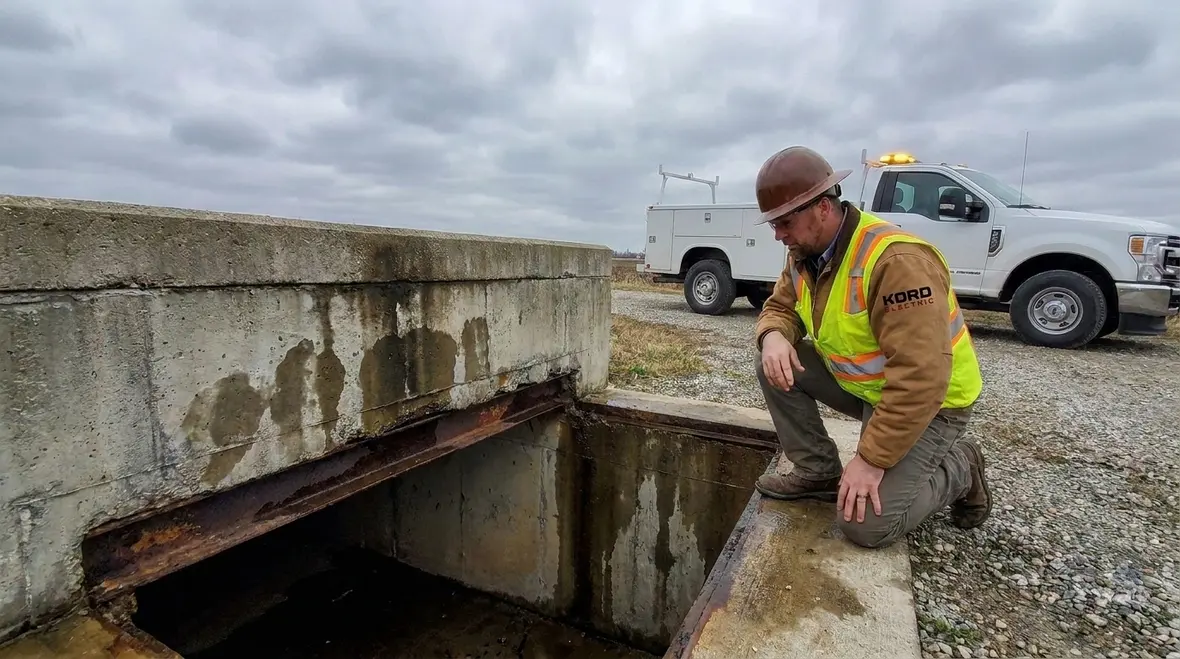
Designing with NEC vault tunnel structural strength in mind
When we sit down with design teams, we encourage them to treat vaults and tunnels the same way they treat main switchgear rooms or high value mechanical spaces. That means starting with the structural capacity required, the raceway and cable layout, and the future maintenance path. We combine those pieces with the NEC vault tunnel structural strength expectations so the resulting design stays stable even as loads grow or site conditions shift.
For example, we often see projects where additional feeders get added to a campus over time. Without planning, those extra conduits can overload support points or lead to creative routing that was not part of the original design. By setting clear rules up front for allowable loading, expansion space, and support intervals, we keep the vault or tunnel from becoming a patchwork of short term fixes.
What happens when the vault or tunnel fails the intent of the code
When vault and tunnel structural strength is not achieved, the electrical system can experience problems that spread into multiple areas. First, cables and conduits may shift, which can damage insulation or create stress at terminations. Next, water and moisture pathways can develop, leading to corrosion in metal components and reduced reliability of connections.
Additionally, weak structures can make safe maintenance harder. If the vault or tunnel needs frequent access but cannot safely support maintenance activity, the facility ends up with a risk tradeoff that no one should accept. Then the operational team might delay work, and delays rarely improve safety. They only improve the timeline for your next “urgent call.”
Our technicians and expert service staff help facilities catch these issues early, during design review, retrofit planning, and inspection prep. For commercial and industrial sites, that timing matters. It keeps downtime down and avoids rushed modifications that can create new hazards.
Also, we keep the conversation grounded. We point out where design changes can solve structural concerns without tearing everything out. That approach saves money and respects the realities of busy property operations.
Common red flags we look for in vaults and tunnels
During assessments, our teams look for signs that the structure is no longer doing its job. Cracked or spalled concrete around conduit entries, supports pulling away from walls, standing water, rust trails on metallic elements, or conduits that appear bowed or stressed are all signals that the structural story needs a closer read. We also review whether any recent work altered the load path or introduced cutouts that were never coordinated with the original design.
When we see those red flags, we loop in structural and civil partners as needed and align repair plans with NFPA 70 expectations. That way, the fix does more than “patch” the problem. It restores the structural strength that Section 110.71 expects and gives your electrical system a reliable home again.
How Kord Electric supports NEC compliance for major commercial and industrial sites
Kord Electric supports electrical work that serves commercial and industrial facilities and major property buildings. Therefore, our role often spans coordination and careful verification, not just installation. We work alongside engineering firms, contractors, and facility leaders so the electrical system matches both the drawings and the structural reality.
In addition to our field expertise, we also draw from our content and training materials used to explain code concepts clearly. That means we can translate NFPA 70 requirements into steps teams can implement without guesswork. As a result, your project moves with fewer surprises at the end, when surprises tend to come with red ink.
For customers who want deeper background on the NEC approach and related safety themes, we point them to our NEC explainer resources and our team’s guidance across our platforms, including Kord Fire and Kord Fire Australia, which support broader fire and electrical safety learning. And when sprinkler and water based fire protection systems enter the conversation, organizations like Firepumps.org help teams think through system logic and coordination. Still, for vault and tunnel structural strength, we keep the focus tight on what NFPA 70 Section 110.71 asks for, and how to meet it in the field.
If your project team is also mapping broader code strategy, resources like our guide on Understanding NFPA 70: The National Electrical Code Explained for 2026 help link individual requirements, like vault and tunnel strength, back to the overall NEC framework that governs commercial installations.
Linking structural strength to design and upgrade planning
When facility leaders consider upgrades, they often focus on visible equipment: panels, switchgear, distribution boards, and controls. We help them include hidden spaces in that conversation. By reviewing vaults and tunnels as part of a larger electrical code upgrade plan, you ensure new conductors, feeders, and protective devices are supported by structures that will hold up for the life of the system.
That is why our teams frequently pair vault and tunnel reviews with broader system design support, including services that plan power for new commercial facilities and renovations. It is all part of treating NFPA 70 as a connected rule set, not a series of isolated checkboxes.
Quick reference: NEC vault and tunnel structural strength at a glance
| Key requirement | Vaults and tunnels must provide adequate structural strength for the electrical components and raceways inside them |
| Main goal | Prevent deformation, shifting, and conditions that could harm conductors, terminations, and safe maintenance |
| Who it impacts | Commercial and industrial facilities, and major property buildings with installed vaults or tunnels |
| How we help | We coordinate electrical scope with structural details, so designs remain buildable and safe |
Where to learn more about NEC for 2026
Teams that want a broader NEC playbook for design and inspection often pair this vault and tunnel overview with reading on NFPA 70 scope, application, and enforcement. Articles that explain how Section 90.2 sets the code’s reach, how Section 90.4 shapes AHJ expectations, and how the 2026 NEC updates affect commercial buildings give your staff the context they need to make consistent decisions from vault layout to distribution risers.
When you combine that background with the structural focus in Section 110.71, your vault and tunnel strategy stops being a side note. It becomes part of a deliberate, code aligned plan that supports safe operation, easier inspections, and fewer late stage redesigns.
FAQ
Conclusion and call to action
If your commercial or industrial site includes vaults or tunnels, we encourage you to treat NFPA 70 Section 110.71 as a design and safety partner, not as a last minute checkbox. At Kord Electric, our technicians and expert service staff help teams align electrical needs with the structure that must support them. If you are planning a new build, a major upgrade, or a retrofit, contact us. We will review the scope with you and help prevent structural surprises that no one wants to explain during inspection.
For facilities across the region, our dedicated Los Angeles County electrical services connect this NEC vault tunnel structural strength focus with broader design, troubleshooting, and upgrade work. That way, your vaults, tunnels, and distribution systems all move together under one coordinated electrical strategy.
If you would like more context on how vault and tunnel requirements fit into the larger NEC picture, you can also explore our explainer on NFPA 70 for 2026, which walks through the code’s role in keeping commercial and industrial electrical systems safe, reliable, and ready for the next inspection cycle.