NEC Wiring Methods for Commercial Inspections
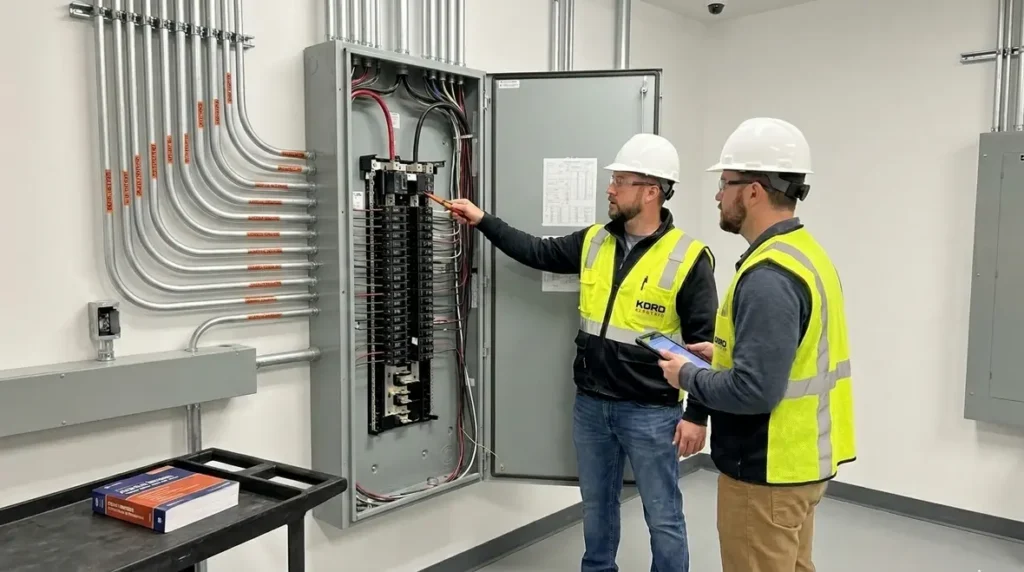
<b>Kord Electric</b> brings a practical approach to <b>NEC wiring methods</b> because we know how they shape safety and how inspectors judge the finished job. In commercial and industrial facilities, small shortcuts can turn into big problems, not just in the wiring but in the paperwork, too. As a result, our teams plan the installation before we ever pull wire, and we document the decisions so the system matches code requirements. Then, our technicians walk the site with the same focus we use in the field: clean routing, proper conductor protection, correct spacing, and dependable grounding. And yes, we still see the classic issues, like someone installing “just one more splice” that turns into a three hour meeting. That is why we build with NEC wiring methods that stand up under real inspection.
Why inspectors care about how wiring looks and works
Third party inspectors do not chase perfection for fun. They check whether the installation follows the <b>NEC wiring methods</b> and whether it supports safe operation in the building’s actual environment. For commercial and industrial sites, that means the wiring must handle heat, moisture, vibration, load changes, and future maintenance. Inspectors also watch for consistency, because if a contractor uses correct practices in one area but switches methods in another, the risk rises. Moreover, they look at how wires get from point A to point B, how they get protected, and how easily a technician can trace the path during service.
When our expert service staff explains the “why” behind the steps, it helps building owners and facility managers understand what inspection teams will flag. In other words, we do not just install; we translate the code logic into clear site language. So, when an inspector asks about routing, labeling, or protection, we already have the answers ready, not improvised like a late season sitcom twist.
Conduit, cable, and raceway choices that affect safety outcomes
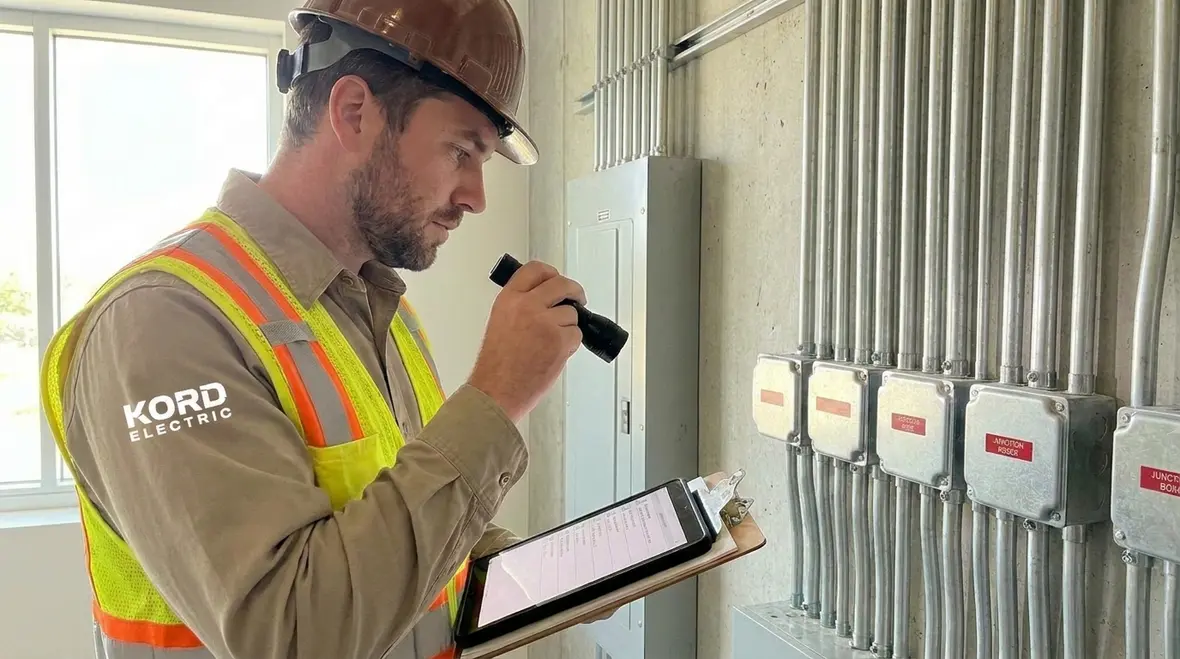
One of the biggest ways NEC wiring methods affect building safety is the way the wiring gets protected. Conduit, cable trays, raceways, and fittings create physical barriers between conductors and hazards. However, the choice is not random. We match the method to the environment and the risk level, such as where the wiring runs near mechanical equipment, in areas with water exposure, or through locations with high traffic. Then, we use proper fittings, correct support spacing, and correct fill where required.
Our technicians also consider how the system behaves during faults. If a conductor becomes damaged, the wiring method must support safe fault clearing and protect occupants and property. That is where good installation practices matter. For example, sloppy transitions, loose clamps, or improper bending can weaken the system. Consequently, we focus on details that many people miss until an inspector finds them.

How grounding and bonding details change inspection results
Electrical safety does not start at the switch. It starts at how the system grounds and bonds. When NEC wiring methods support proper bonding, faults clear correctly, equipment stays at safe potential, and protective devices operate as intended. Yet, grounding and bonding get overlooked when teams rush through rough-in work.
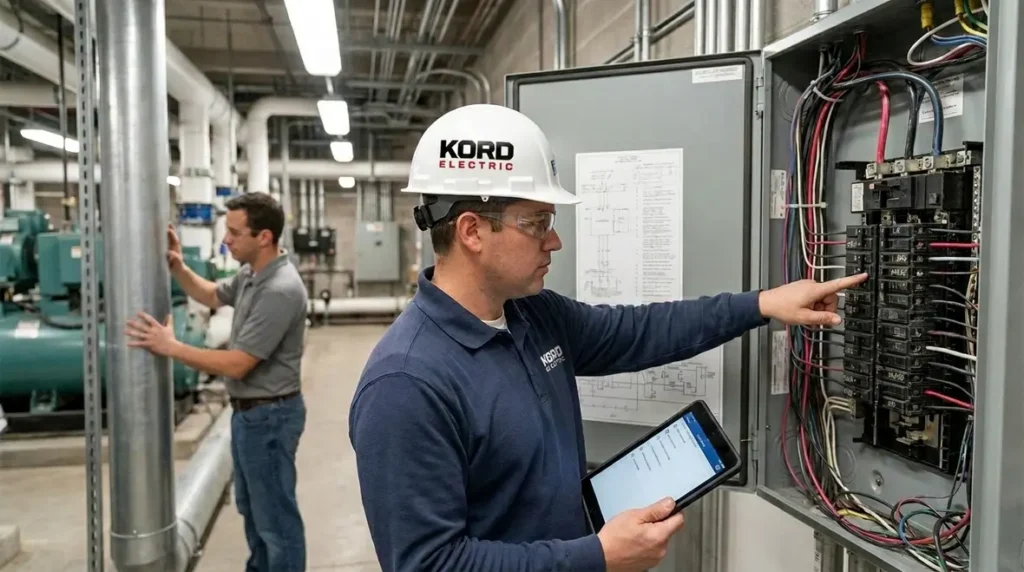
At Kord Electric, our expert service staff takes a methodical approach. First, we confirm the grounding electrode system and ensure connections follow the required practices. Next, we coordinate bonding for metallic parts, equipment enclosures, and raceway paths. Then, we verify continuity where needed and make sure labels and documentation align with what the field actually installed.
During inspections, these details tend to show up quickly. If grounding conductors are sized incorrectly, if bonding jumpers look wrong, or if metallic paths do not connect properly, inspectors escalate the review. And to be fair, inspectors do not enjoy playing “guess the intent.” They want to see a clear, consistent installation.

Routing, fill, and support practices that prevent future hazards
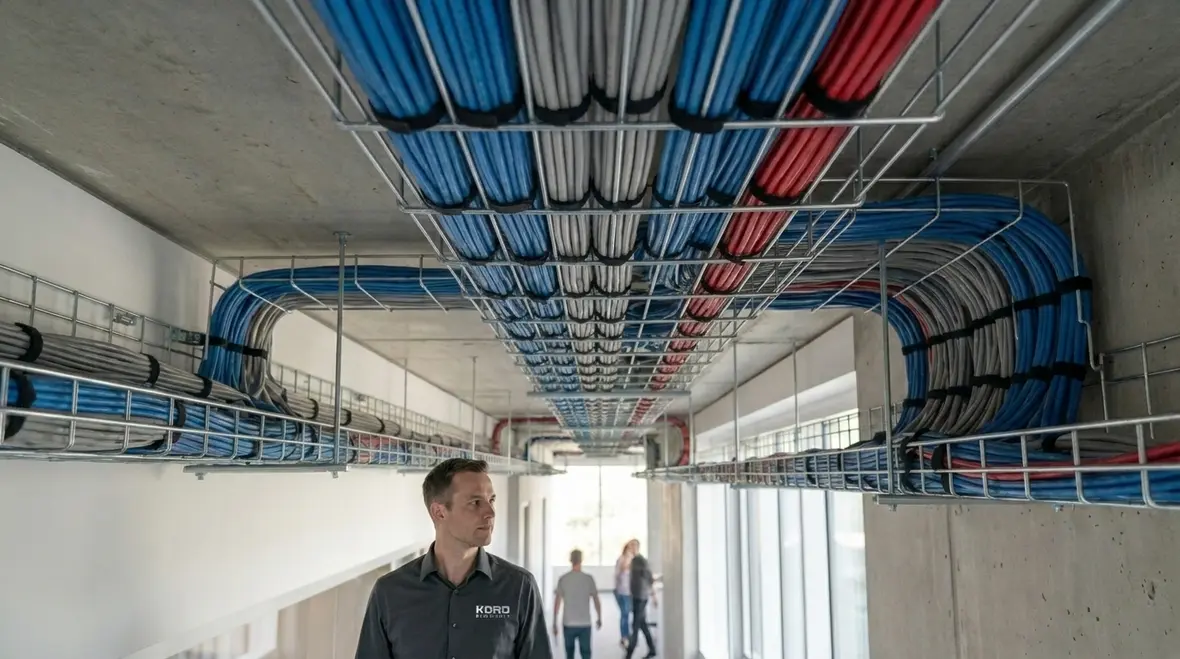
Even when the wiring method is correct on paper, installation quality decides the real-world outcome. NEC wiring methods influence safety through routing choices, conductor fill, heat dissipation, and mechanical protection. If cables run through areas with excessive heat or improper support, insulation can degrade over time. Likewise, poor routing can create strain points at bends, transitions, or cable trays.
We also plan for service access. Commercial and industrial facilities need maintenance access, and the wiring layout should support it. That means we place supports so the system stays stable and we keep separations where required. Additionally, we manage pathway congestion so technicians can work without damaging existing wiring. When building teams later add new circuits, they need a system that does not turn every upgrade into a demolition project.
To keep things smooth, our technicians document the installation path and the equipment interfaces. Therefore, when an inspector checks labeling, circuit identification, or pathway details, the answers match the drawings and the field. We have learned that calm documentation beats frantic explanations, every time.
Splices, terminations, and labeling that inspectors trust
Splices and terminations represent a high risk point because they sit where heat and mechanical stress can concentrate. If splices are unapproved, improperly housed, or poorly executed, the system can fail under load. Terminations can also create issues when they lack the proper torque, conductor preparation, or rated components. Inspectors often focus on these areas because they directly affect reliability and fire safety.
In addition, labeling and identification drive inspection outcomes. Facilities do not just need a working system. They need a system that operators can manage. That is why we keep labeling consistent and readable, and we coordinate it with circuit directories and panel schedules. Then, our team confirms that the labeling reflects the actual conductors and breaker assignments.
Our expert service staff often explains to facility managers that good labeling saves time during troubleshooting. And yes, it also saves sanity. A “mystery circuit” is like a pop culture villain hiding in plain sight. You can search all day, and it still does not help. Clear identification prevents that.
What common mistakes trigger corrections during plan review and site inspection
Mistakes usually fall into predictable patterns. First, some teams choose a wiring method that does not fit the environment, such as using the wrong protection level in a wet or corrosive area. Second, they install supports incorrectly, which allows wiring to sag, stress fittings, or create unsafe bend conditions. Third, they make inconsistent transitions between raceway types, leaving inspectors with uncertainty about how the system meets code requirements.
Then, there are paperwork issues. If drawings and as-built documentation do not match, inspection teams can require correction even when the field installation seems functional. Finally, shortcuts with bonding and grounding trigger serious review. When the system cannot prove safe fault behavior, the inspector does not negotiate.
Kord Electric avoids these issues by planning the process end to end. We coordinate with other trades, confirm equipment requirements early, and train our technicians on the exact installation expectations. So when inspectors arrive, the job looks like it belongs there, and it behaves like it should. That is how we protect the building and reduce rework.
How Kord Electric supports smooth inspections for commercial and industrial buildings
Inspection success comes from alignment between design, field execution, and clear communication. We support commercial and industrial facilities and major property buildings by building electrical systems that install cleanly, document clearly, and operate safely. Our expert service staff works with stakeholders before the first pull, so everyone understands what inspectors expect to see and why.
For example, we plan pathways and equipment interfaces so the wiring methods stay consistent and compliant. We also coordinate grounding and bonding details to avoid last-minute corrections. Moreover, we keep labeling and circuit identification aligned with what the building team needs for future service work. And when questions come up on site, our technicians explain them in plain language, so the process stays calm and focused.
If you want a simple way to think about it, we treat inspection readiness like a daily habit, not a scramble. Because nobody likes the “late-night code roulette” approach. We prefer deliberate steps and steady results.
If your commercial or industrial facility also relies on fire protection equipment, coordinating electrical work with a dedicated life safety partner helps keep everything inspection-ready. Our sister company, Kord Fire Protection, provides comprehensive fire protection services to keep sprinklers, alarms, and extinguishers in step with your electrical upgrades and code strategy.
FAQ
Conclusion
When a commercial or industrial facility invests in wiring that follows NEC wiring methods, it reduces risk, supports safe fault behavior, and improves inspection outcomes. Kord Electric approaches every project with planning, careful installation, and clear documentation. Our technicians and expert service staff explain decisions in plain language, so building teams know what to expect and why it matters. If you want an electrical system that installs smoothly and stands up to real inspections, contact us today for an assessment and a practical plan.
For buildings that also rely on fire sprinklers, alarms, and extinguishers, pairing our electrical work with Kord Fire Protection’s full fire protection services keeps life safety systems ready for both AHJ inspections and real emergencies. Together, these approaches help your facility stay compliant, efficient, and safer for everyone who works or visits there.