
Code Compliant Wiring Methods for Commercial Buildings
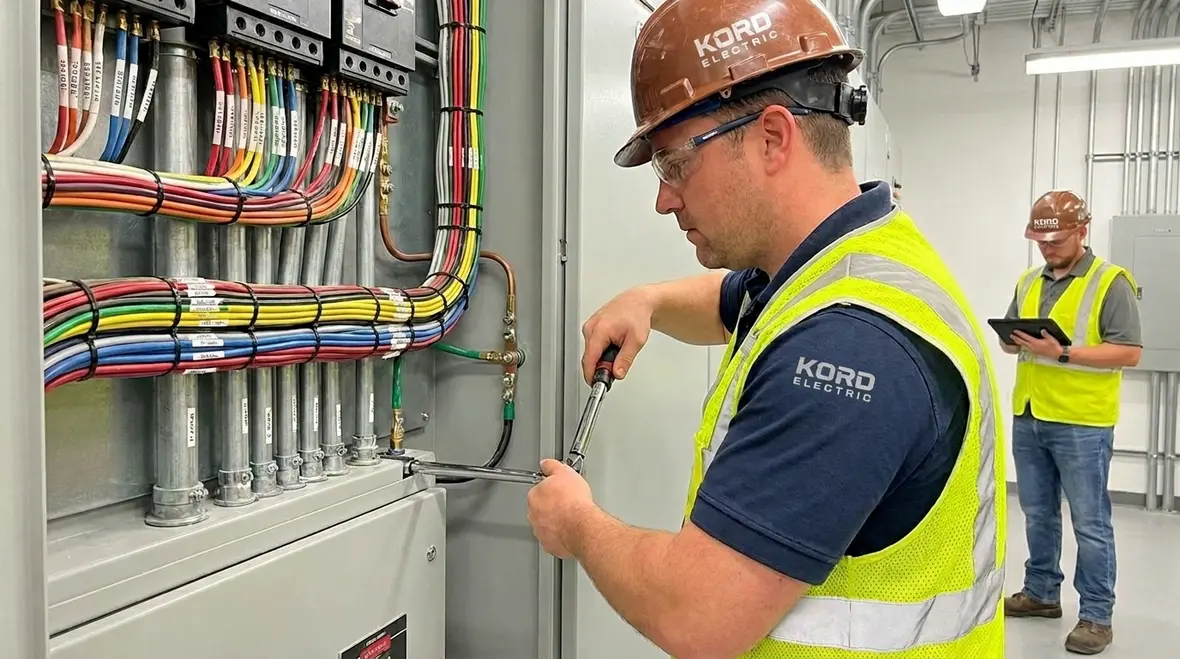
Electrical contractors win on two fronts: safety and compliance. At Kord Electric, we support commercial and industrial facilities and major property buildings by using code compliant wiring methods from the first pull of wire to the final torque on a terminal. We begin with correct conductor selection, proper cable support, correct routing, and protective devices that match the load plan. Then, we verify with testing and documentation, so the work stands up to inspections and real-world operation. And yes, we still care about the details even when someone says, “It is fine, we did it like this last time.” Last time is not a code section. Our technicians and expert service staff explain what they do and why, and they do it in a calm, clear way that helps others keep the job moving.
Code compliant wiring methods for commercial wiring: what we expect on day one
In the field, we treat wiring like a story with a plot, not a pile of parts. First, our team reviews the project documents and the governing electrical code so the contractor knows what is required and what is allowed. Next, we confirm the electrical design basis, including load calculations, voltage levels, grounding approach, and fault current assumptions. After that, we choose wiring types that fit the environment, like wet locations, mechanical damage risk, heat exposure, and corrosive conditions common in industrial settings.
Then we set the physical rules. We support cables and conduit as required, we keep routing clean and accessible, and we use proper bends, spacing, and transitions. When a cable crosses structural members, we protect it with approved methods so sharp edges do not become a slow leak into insulation. Finally, we plan terminations early because a “good enough” termination can fail early and silently.
Our expert service staff also walks others through these decisions. They explain, in plain terms, how the wiring plan affects inspection outcomes and long term reliability. In other words, we do not just install and vanish. We stay, explain, and help the facility team understand what the electrical system will do tomorrow, not just what it did on installation day.
For building owners and facility teams who want to understand how wiring fits into the broader safety picture, resources like the National Electrical Code overview in our NFPA 70 guide provide helpful background on why these rules exist and how they protect people and property in daily operations. Understanding NFPA 70 helps connect code language to real-world wiring decisions in commercial and industrial buildings.
How we select conductors and raceways without creating future problems
Conductor choice sets the tone for everything after. We confirm ampacity, insulation type, temperature rating, and permitted use. We also match conductor size to overcurrent protection settings so conductors do not carry more heat than they can handle. Then we consider voltage drop, because long runs in commercial and industrial buildings can create performance issues even when a circuit “technically works.”
For raceways and cable assemblies, we align the installation method with the physical conditions. We use conduit and fittings that provide the right protection and we seal and guard where required. Additionally, we follow rules for fill and derating when multiple conductors run together. That matters in panels, cable trays, and high density pathways where heat can build.
We also plan for expansion and future changes. Facilities want flexibility, not a rewrite every time a tenant changes equipment. So our technicians think about spare capacity, accessible routing, and labeling so maintenance staff can trace circuits without playing “guess the wire” like it is a party game.
That future-ready mindset lines up with how we approach larger infrastructure upgrades. When buildings show signs of strain or outdated wiring, our team often recommends reviewing options outlined in our rewiring cost guide for commercial electrical systems, so owners can compare incremental fixes against strategic, code compliant modernizations.
Grounding, bonding, and continuity checks that keep systems stable
Most failures do not start with fireworks. They start with small gaps in grounding or weak bonding, which can turn a stable system into one that trips, overheats, or behaves unpredictably. Therefore we treat grounding and bonding as a core part of the wiring method, not an afterthought.
First, we ensure the grounding conductor system matches the design and the equipment requirements. We verify bonding jumpers, continuity paths, and connections at service equipment, panels, and metallic raceways. Where the building design includes long metallic runs, we pay special attention to continuity and corrosion resistance. Then we confirm that the wiring scheme supports protective devices during fault conditions.
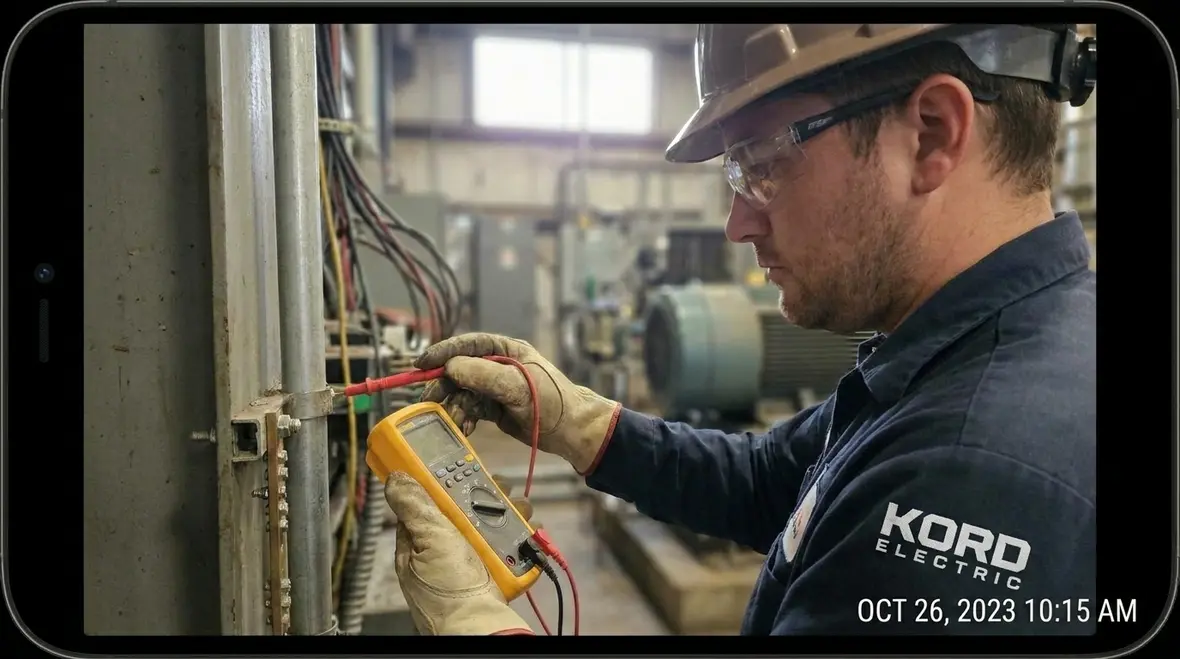
Next, we perform checks that go beyond “it looks tight.” Our technicians verify continuity and ensure terminations meet torque and connection standards. We also confirm conductor identification so the ground, neutral, and phase conductors remain clear and traceable. This is where our expert staff helps building teams understand the difference between a correct connection and a merely convenient one.
Thorough grounding and bonding checks also uncover hidden electrical risks long before they turn into downtime. In many commercial buildings, those quiet issues hide behind walls and in ceilings. That is why our team often pairs new wiring projects with targeted evaluations similar to what we describe in our article on hidden electrical risks in commercial buildings, so small irregularities do not grow into major failures.
Terminations, lugs, and torque control for panels and equipment
If wiring is the body, terminations are the hands. They grip, they carry current, and they must do it reliably. During installation, we control the termination process with discipline. We strip insulation to the right length, we keep conductors clean and free of damage, and we avoid nicking strands. After that, we use the correct lugs and connectors for the conductor material and size.
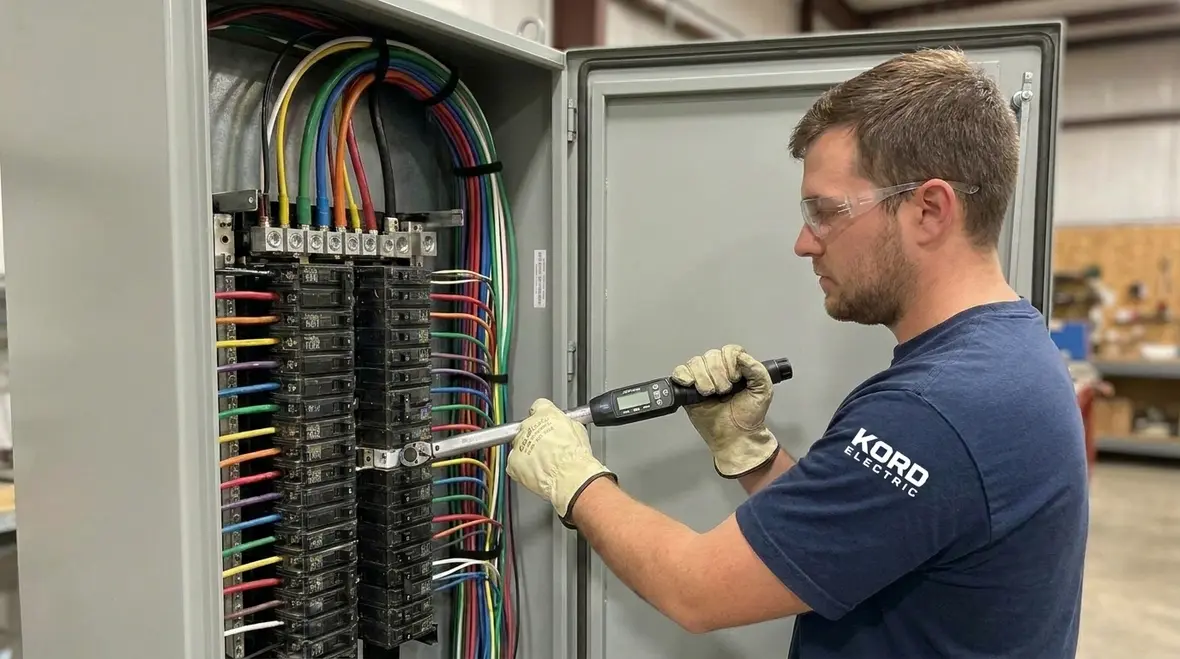
We also follow manufacturer connection requirements and we control torque. When someone “tightens until it feels right,” that can be like driving by vibes. It might move the vehicle, but it will not satisfy engineering, inspection, or long term safety. Therefore we use proper tools and we document the approach when project requirements call for it.
In addition, we organize conductor routing within panels. We maintain bend radius limits, we avoid tension on conductors, and we keep conductors separated to reduce heat and prevent misidentification. We also confirm that neutrals and grounds stay in the correct places for the system type. In commercial and industrial panels, those details prevent nuisance trips and help equipment last longer.
When terminations are handled correctly from day one, everything downstream runs smoother. That includes lighting systems, HVAC, and specialized equipment. For example, when we install or upgrade lighting, our lighting installation services depend on clean, code compliant wiring methods and disciplined terminations so commercial and industrial clients get reliable, efficient illumination without mystery trips.
Cable routing and protection in industrial and commercial environments
Commercial and industrial facilities rarely stay “clean and simple.” There are moving parts, fork traffic, vibration, chemical exposure, and frequent maintenance. That is why we control cable routing and protection with the real-world risks in mind.
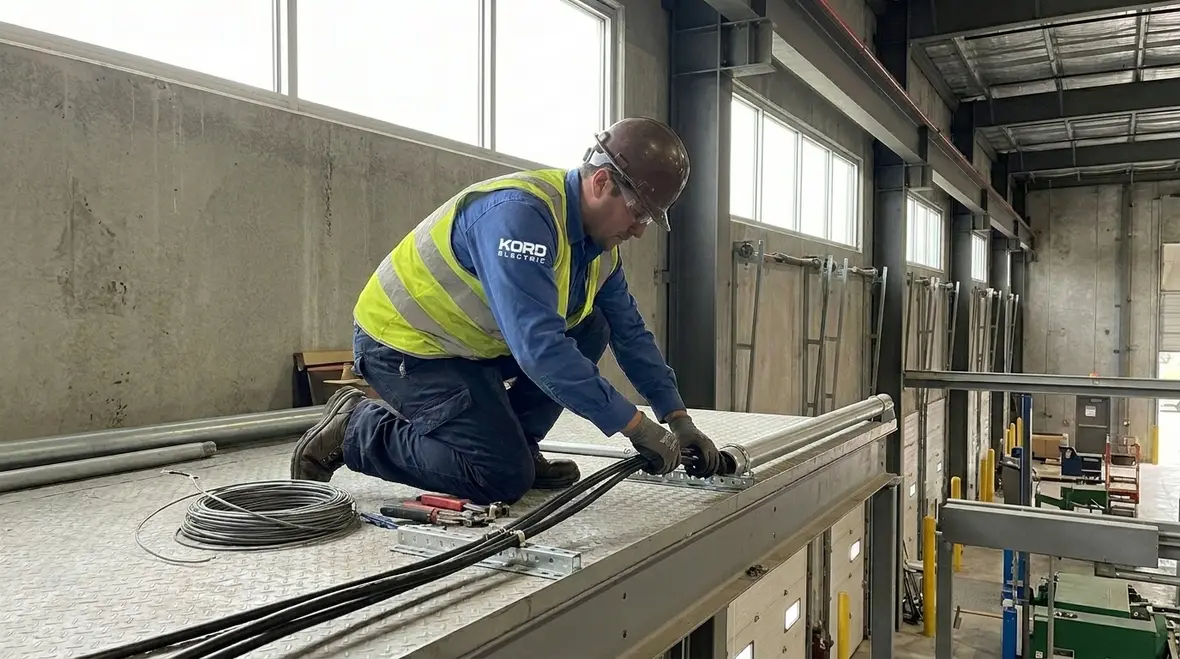
First, we plan routing to avoid hot spots and to respect clearances near heat sources. Next, we protect cables from mechanical damage by using approved raceways, guards, and proper installation practices. When we run cable trays or cable routes, we secure them so they do not sag or shift. Sag creates strain, and strain creates wear over time.
We also manage pathways to support airflow and access. Then, we label and document. Labels help technicians service equipment without guessing. And yes, in the field, guessing can cost more time than the cable itself, so we treat labeling like a business tool, not decoration.
Our technicians also coordinate with facility operations and other trades. When multiple crews share the same corridors, careful routing and coordination prevent rework. We use clear communication, and we adjust routing plans to match construction realities while staying inside code compliant wiring methods and the project requirements.
That same disciplined routing approach becomes even more critical in specialized environments like commercial kitchens and roof-mounted equipment areas, where heat, moisture, and vibration are constant. Our team applies the same code compliant wiring methods described here when tackling projects such as commercial kitchen electrical upgrades and wiring and when implementing GFCI outlet California commercial compliance requirements in demanding locations.
Testing, inspection readiness, and documentation that actually helps
After we install, we verify. Verification protects the facility, it protects the contractor, and it protects the schedule. We test in a way that reflects how electrical systems operate, including continuity checks and proper identification confirmation. Where project specs require it, we use accepted test methods and record results so stakeholders can review them later.
We also prepare inspection readiness by ensuring the installation is accessible, properly supported, and consistent with documentation. We confirm conductor labeling, circuit identification, and panel schedules where required. Then, we assist the facility team with closeout details so they can operate the building with confidence.
Our expert service staff explains the test results and what they mean for ongoing reliability. That matters because a report without context turns into a stack of papers that nobody trusts. We translate the outcomes into practical guidance: what is safe, what should be watched, and what maintenance tasks keep performance steady.
For facilities that want code compliant wiring methods to stay reliable long after the initial project wraps, we often recommend building a structured service plan. Our approach mirrors the strategies laid out in our guide to commercial and industrial electrical maintenance plans, where regular inspections, targeted testing, and documented findings keep systems stable and inspections predictable.
Frequently asked questions about commercial wiring compliance
Before we wrap up, here is the truth: electrical compliance is not about passing a single inspection. It is about building systems that stay reliable when people run equipment, when conditions change, and when maintenance happens under pressure. At Kord Electric, we serve commercial and industrial facilities and major property buildings with disciplined installation, careful routing, solid grounding, and verification you can trust. If you want a contractor who thinks ahead and explains clearly, contact us for an assessment and wiring plan review. We will help you reduce risk and keep your project moving, without the chaos.
And if an issue does surface unexpectedly, you are not on your own. Our emergency electrical services team is available 24/7 to stabilize systems, troubleshoot wiring problems, and restore power safely. From planned upgrades to urgent response, we keep code compliant wiring methods at the center of every decision so your building stays safe, compliant, and ready for whatever comes next.


