

NEC Wiring on Buildings and Why Section 267.10 Matters
NEC wiring on buildings, and why Section 267.10 matters
In commercial and industrial facilities, NEC wiring on buildings is not a “nice to have.” It is the backbone of safe power, reliable operations, and predictable maintenance. In the real world, we see teams rely on electricity every minute, whether the building is running production lines, HVAC systems, data loads, or emergency life safety gear. That is exactly why NFPA 70 Section 267.10 has weight. It focuses on wiring on buildings and other structures and it sets rules for how installations should be planned and built so the system performs when you need it most.
And yes, people sometimes treat code like a checklist they can joke about. Like “if we install it, it must be safe.” Meanwhile, reality does not laugh. We do not either. At Kord Electric, our technicians and expert service staff explain the “why” behind the rules, so owners and managers can make confident decisions instead of guessing.
What NFPA 70 Section 267.10 actually covers
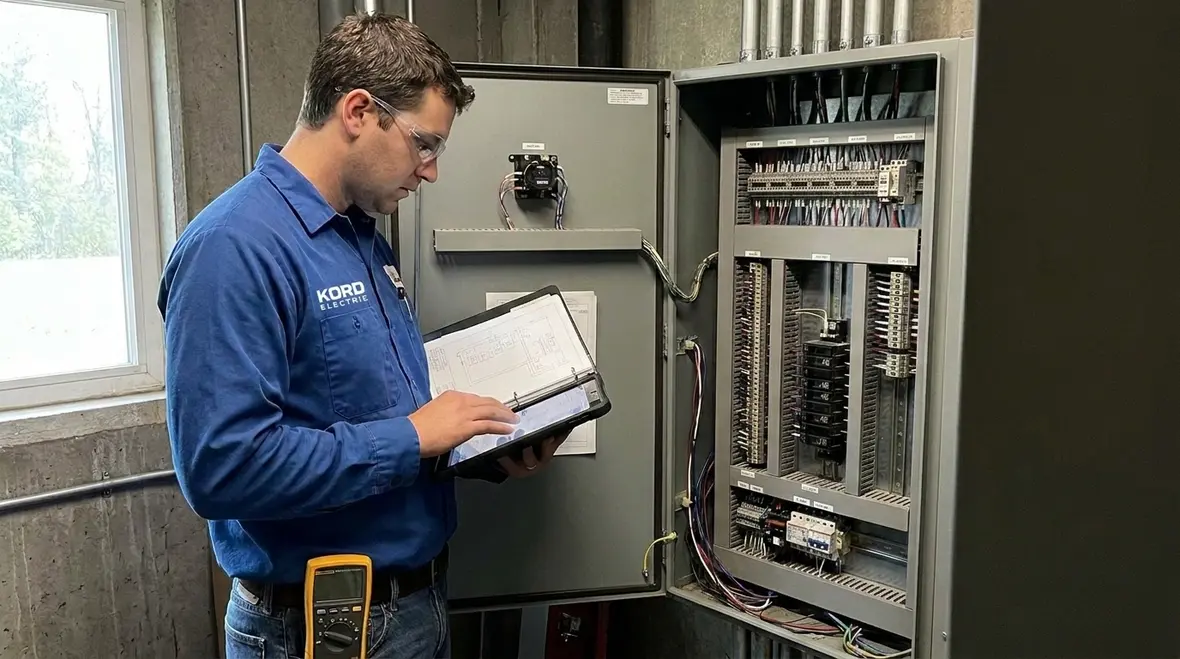
NFPA 70, also known as the NEC, is built to guide electrical installation for the long haul. Section 267.10, specifically, focuses on the way wiring is handled across buildings and other structures. Therefore, it is not just about wire and boxes. It connects design choices to real hazards like heat, moisture, physical damage, and fire spread.
When others rush this part, they often miss the bigger chain: wiring methods must fit the environment. For example, in a commercial or industrial setting, the “environment” may include vibration, frequent equipment access, cable routing in service corridors, and changes in load over time. Consequently, the rules help enforce consistency between the building layout and the wiring plan.
Our team reviews how wiring routes through spaces, how it connects at equipment, and how it stays protected. Then we align the installation details with what the code expects, not what a sketch in an email implies.
How wiring methods and protection reduce risk
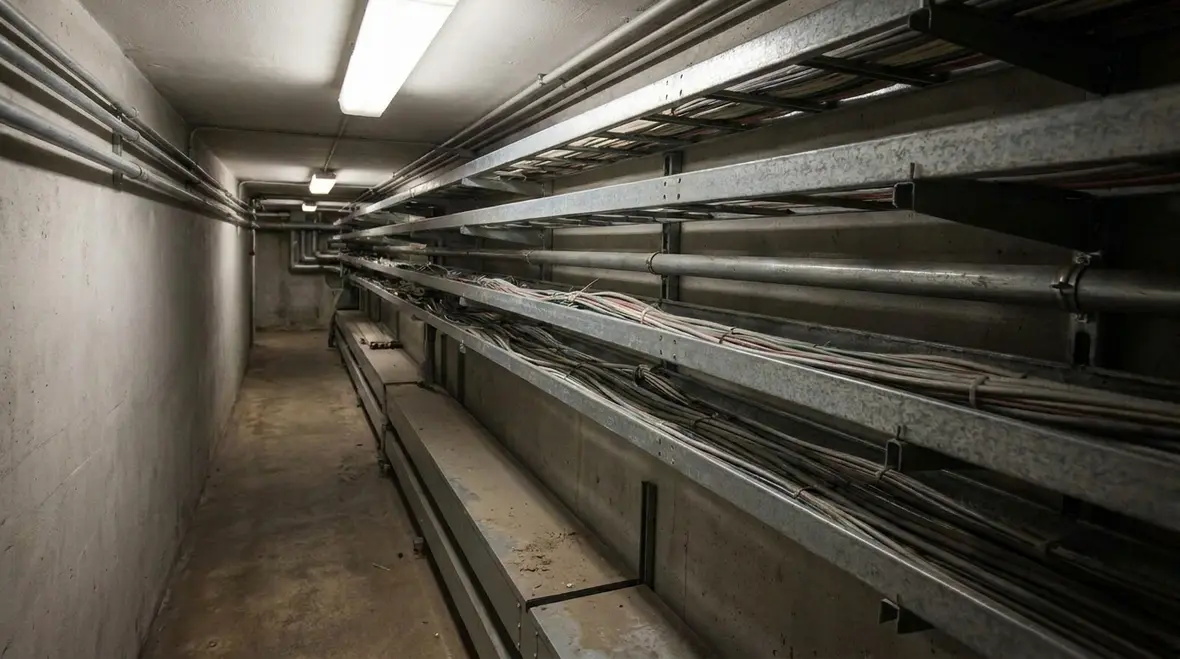
In practical terms, Section 267.10 supports the idea that wiring must survive the jobsite, not just the first inspection. Thus, we pay close attention to wiring methods, support, and protection from hazards that show up after the project hands off.
For instance, a routing plan that looks neat on day one can run into problems later. If the cable path crosses areas where equipment moves, if doors or covers pinch conductors, or if materials block proper air flow, you may create heat buildup. Furthermore, if moisture finds a way in, corrosion can start and worsen over time.
That is why our technicians explain protection requirements in plain language. We walk facilities managers through the difference between “installed” and “installed correctly.” We also point out how good protection supports future troubleshooting. When maintenance arrives, they want to trace problems without turning the building into a scavenger hunt.

Where commercial and industrial layouts complicate installations
Commercial and industrial facilities rarely stay static. Over time, tenants change, processes expand, and equipment gets swapped. Meanwhile, the wiring system must remain safe even when the building evolves.
Consequently, the NEC wiring on buildings requirements become even more important during upgrades and retrofits. People may say, “We just added a circuit,” but that addition can affect routing, load distribution, and how other conductors interact with the new work. Therefore, we treat each project as part of a living electrical system.
We also consider how structures use shared spaces. Electrical rooms, service corridors, loading docks, mechanical areas, and electrical penetrations all carry their own constraints. So, we coordinate with other trades, verify clearances, and plan for access. If access fails, troubleshooting becomes painful. And if troubleshooting becomes painful, safety becomes a later conversation. We do not like later conversations.
For a broader view of NEC intent and updates, we also reference guidance like what we publish through our Kord Electric resources and partner sites such as Kord Fire and Fire Pumps. In other words, we cross check code concepts against field reality, so you get fewer surprises when the building is already in motion.
If you want to zoom out even further, our article Understanding NFPA 70: The National Electrical Code Explained for 2026 walks through how the rulebook frames wiring, protection, and inspection expectations before you drill down into details like Section 267.10.
Compliance strategies that keep projects moving
Code compliance should not feel like a roadblock. In our experience, it becomes smooth when the team handles it early. So we build compliance into planning instead of tacking it on at the end like a last minute sticker on a lunchbox.
Here is how we keep commercial and industrial electrical work on track:
- We clarify scope so everyone understands what Section 267.10 impacts in that specific building layout.
- We review routing paths and account for access, movement, heat zones, and spaces that collect moisture or debris.
- We document decisions so inspections and future maintenance follow the same logic.
- We verify connections and transitions where wiring methods change, because those are common stress points.
- We explain test and inspection needs in simple terms, so teams do not treat verification like a rumor.
Additionally, we keep the process calm. Yes, it is possible. Like a good playlist in the background, the project stays focused. And our expert service staff helps stakeholders understand what they are signing off on.
What inspections expect when wiring crosses structures
Inspections focus on whether the installation matches the rules and whether it will perform safely. Therefore, they care about more than wire size. They care about installation quality, protection, and proper handling through building elements.
When wiring crosses between spaces or passes through structural components, the installation must not create weak points. For that reason, our technicians pay close attention to how the wiring is protected at boundaries and how it supports stable performance over time. We also look at how the wiring ties into electrical equipment.
In the field, we often see issues that trace back to rushed changes. A route gets modified, a cover gets skipped, or a section gets “temporarily handled.” Temporarily is a word that has never saved anyone. So we correct those gaps early. Then we align the work with the intent behind NFPA 70 so the inspection goes smoother and the facility remains safer.
For facilities that also coordinate with fire safety planning, it helps to understand how electrical safety connects to fire protection goals. Partner resources like NFPA 70: All About the National Electrical Code (NEC) discuss related field considerations, which helps our commercial clients think in systems, not in silos.
Best practices for maintenance and future upgrades
Even after a successful install, the work continues. Maintenance teams need clarity, and owners need predictability. So we help your facility build a practical path for future upgrades while still honoring the NEC wiring on buildings framework.
First, we advise facilities to keep accurate records. If a project adds circuits, the building should reflect it in documentation: routing notes, equipment connections, and how conduits or pathways were handled. Second, we recommend periodic checks for signs of wear, heat stress, and physical damage. Third, we support change planning, so new loads do not disrupt existing systems.
We also remind teams to avoid “mystery wiring.” When staff cannot explain what exists, safety risks rise. Our expert service staff trains and guides facilities managers so they can maintain systems with confidence. And when upgrades arrive, we can evaluate the current setup quickly and recommend improvements that fit the building instead of forcing a generic solution.
In short, we build long term value. Electricity does not care about our calendars, but good maintenance does. It keeps your operations stable and your team focused on running the business.
How NEC wiring on buildings connects to broader electrical design
Section 267.10 lives inside a much larger story. NEC wiring on buildings interacts with service equipment barriers, branch circuits, calculated loads, and AHJ enforcement. When we plan a project, we look at how all of those parts move together instead of treating Section 267.10 like a standalone note.
For example, our guides on topics like NEC service equipment barriers and AHJ enforcement show how wiring choices at the building level affect inspection expectations, labeling, and long term access. The same is true when we walk through calculated load rules or branch circuit scope. Each topic may seem separate, but in the field they stack into one outcome: a system that performs safely and predictably.
That is why we often pair Section 267.10 reviews with a broader design conversation. We ask how power enters the building, how it branches, where it crosses structures, and how it feeds critical loads like data rooms, life safety systems, and specialty equipment. When wiring on buildings is handled with that full picture in mind, upgrades, maintenance, and future inspections get much easier.
Planning NEC wiring on buildings for Los Angeles County facilities
Local conditions matter. In Los Angeles County, facilities deal with regional code adoption, seismic considerations, and a mix of new and aging building stock. NEC wiring on buildings has to account for those realities, not just a generic diagram from a catalog.
Our team supports commercial and industrial properties across the region with planning, installation, and troubleshooting. When we review wiring on buildings, we look at how local amendments, inspection practices, and utility requirements affect design choices. Then we build a plan that keeps your project aligned with both NFPA 70 and the expectations of the local Authority Having Jurisdiction.
If you are coordinating a new build, retrofit, or complex troubleshooting effort, you can also explore how our dedicated Los Angeles County electrical services support wiring reviews, system design, and field corrections as one integrated effort.
FAQ
Final word from Kord Electric
When your facility runs on power, you cannot afford electrical work that only looks good. At Kord Electric, we focus on commercial and industrial facilities and major property buildings, and we help your team follow NFPA 70 Section 267.10 with clarity and confidence. Our technicians and expert service staff explain the rules, check the details that inspections care about, and support maintenance planning for what comes next. If you want fewer surprises and safer installations, contact us for a review and next steps.
Whether you are planning new NEC wiring on buildings, correcting existing routes, or coordinating major upgrades, we align field work with the code language so your system stays safe, steady, and ready for whatever your operations demand next.
If you would like support beyond a single project, our broader electrical design and service programs help you map long term strategies, pair wiring decisions with fire protection goals, and keep inspections calm instead of chaotic.
When you are ready to talk about your facility, your wiring on buildings, and your next steps under NFPA 70, our team is ready to listen.


