NFPA 70 110.57 Ventilation System Control Locations
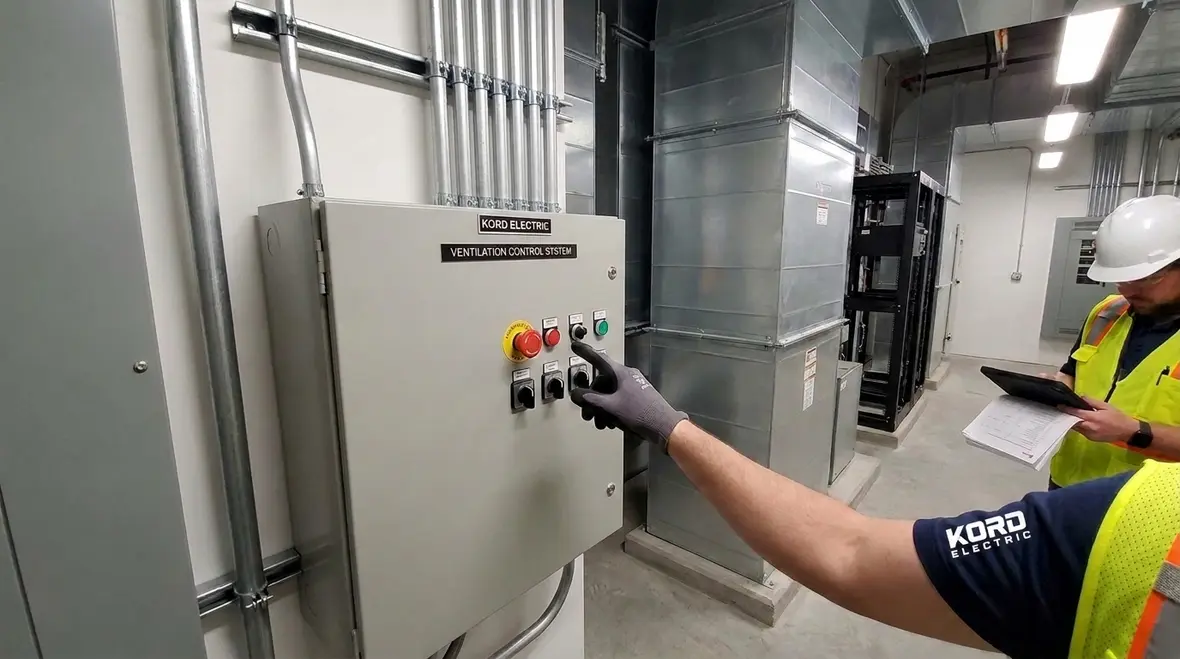
At Kord Electric, we help commercial and industrial teams navigate the NEC ventilation system control code with clarity and confidence. In NFPA 70 Section 110.57, the rules for Ventilation System Control Locations focus on where control equipment may be installed, so the system can be managed safely during normal operation and emergencies. In other words, the code wants the controls in the right place, not hidden like a remote you cannot find after the game starts. As our expert service staff explains on site, these locations affect response time, safety for occupants, and how well facilities perform when smoke, heat, or airflow events happen. And yes, we know it is boring to read code until it prevents a problem. That is the goal.
How NFPA 70 110.57 shapes safe ventilation control
NFPA 70 Section 110.57 addresses the Ventilation System Control Locations for systems that control ventilation in certain occupancies and conditions. It does not just talk about having controls. It explains where those controls must live, so staff can access them quickly and operate the equipment correctly.
First, we look at the intent behind the requirement. Facilities do not operate in a vacuum. Instead, staff may need to start, stop, or change ventilation modes under abnormal conditions. Therefore, control access cannot rely on luck, bad lighting, or a maintenance door that only opens with a key nobody has. Then we map the code-driven location requirements to the real workflow of the building.
Our technicians often say the same thing in a calm, steady way: codes like this are built on incident lessons. So, the facility’s ventilation strategy becomes easier to implement when control locations match how people actually respond. When the controls work as intended, the overall system behaves like a well rehearsed team, not a group project. Nobody wants that.
Where controls must be located so operators can act fast
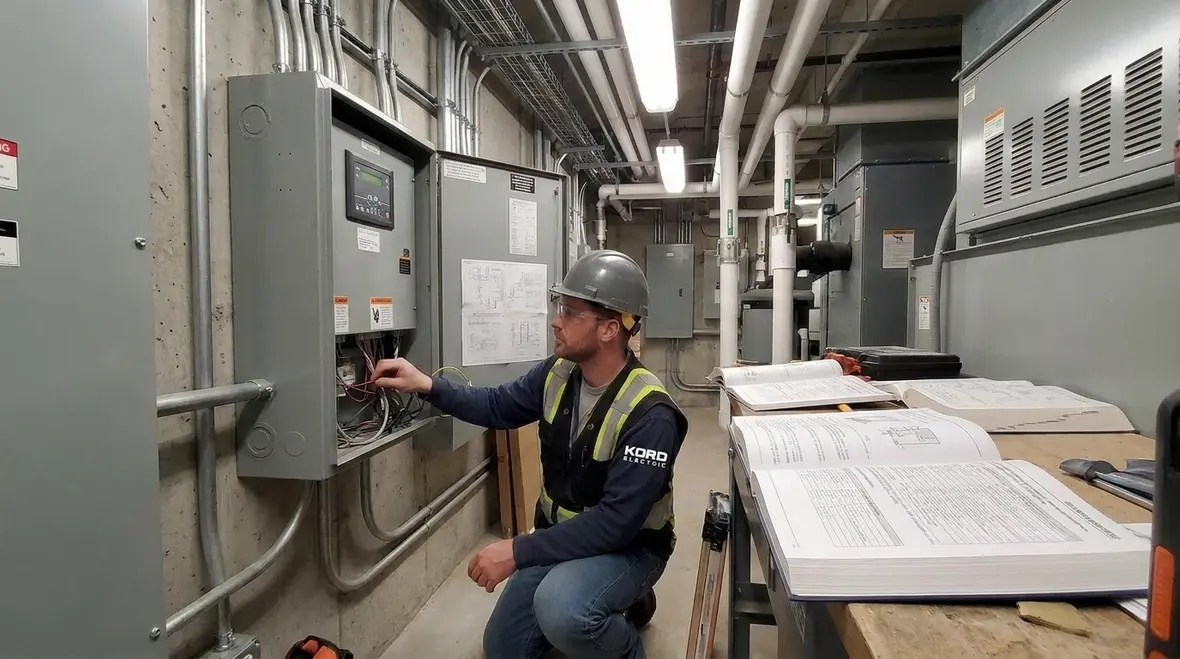
When NFPA 70 110.57 talks about control locations, it aims to reduce delay and confusion. In commercial and industrial facilities, the ventilation control points often connect to systems for smoke management, exhaust, and air movement. Consequently, access and visibility matter.
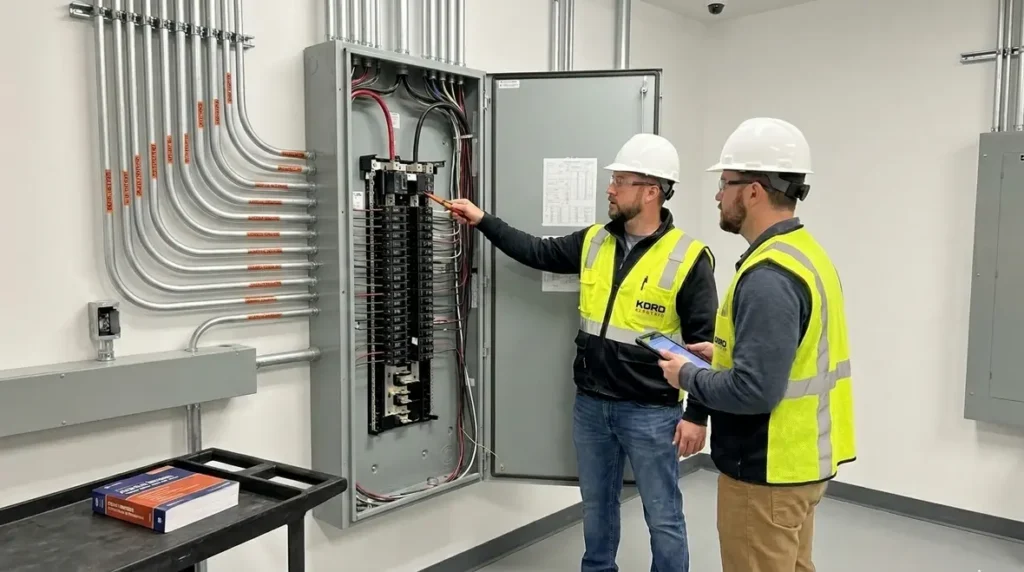
During our field reviews, we verify that the control points are installed so trained personnel can reach them safely. Additionally, we confirm that enclosures and operating mechanisms remain usable and protected from physical damage. That includes checking for blocking hazards, poor access routes, and locations that force staff to cross unsafe areas.
We also look at operational context. For example, if a building relies on centralized fire and life safety workflows, the ventilation controls should support that same workflow. Then we coordinate with facility leads to understand who will operate the controls, how they will be reached, and how quickly they can act. When we align design with real operations, the system can perform under stress without forcing staff to improvise.

Practical planning for control access in commercial buildings
Most of the time, the hard part is not the theory. It is the layout. Commercial and industrial buildings contain mechanical rooms, corridors, equipment yards, and areas where access changes over time. Therefore, we treat ventilation control placement as a planning exercise, not a last minute installation detail.
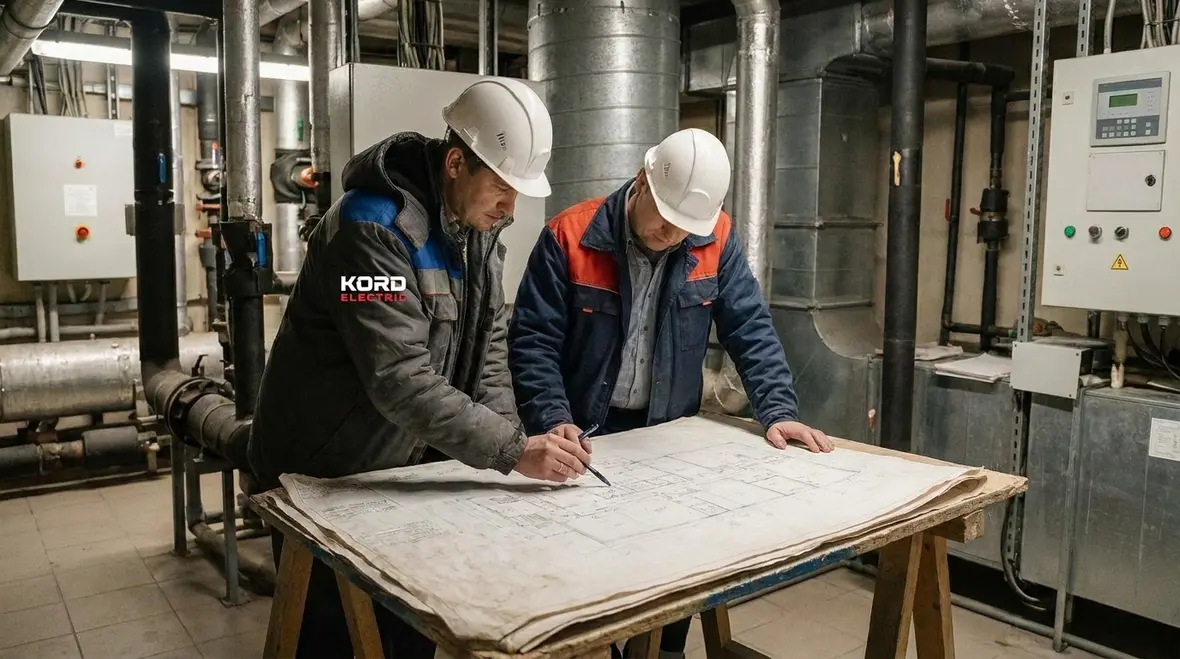
To keep the process solid, our expert service staff follows a simple method. First, we review the ventilation system design and the emergency control goals. Next, we identify likely operating personnel and their response routes. Then we verify the control location against the NEC ventilation system control code requirements and the site’s safety constraints.
We also consider the human side. If operators must pass through multiple barriers, they may not reach controls quickly. If a control is tucked behind stored materials, it effectively stops existing when it matters most. So, we push for clean access paths and clear labeling. Yes, labeling. It sounds simple, but in the real world, “looks obvious” becomes “nobody knows.”
Connecting ventilation planning with NEC guidance and training
Because NFPA 70 110.57 lives inside the broader National Electrical Code, we frequently tie ventilation control planning back to core NEC training and interpretation. For facility leaders who want a deeper dive into how the code is structured, our related resource on understanding NFPA 70 for major properties helps teams see how ventilation fits alongside grounding, wiring methods, and overcurrent protection requirements.
That connection matters when new teams come on board or when responsibilities shift. Instead of treating ventilation controls as a mysterious panel in the corner, we fold them into the same training rhythm used for other critical electrical equipment, so operators see how their decisions tie directly to NEC expectations and site safety plans.
Coordination with other code requirements and building systems
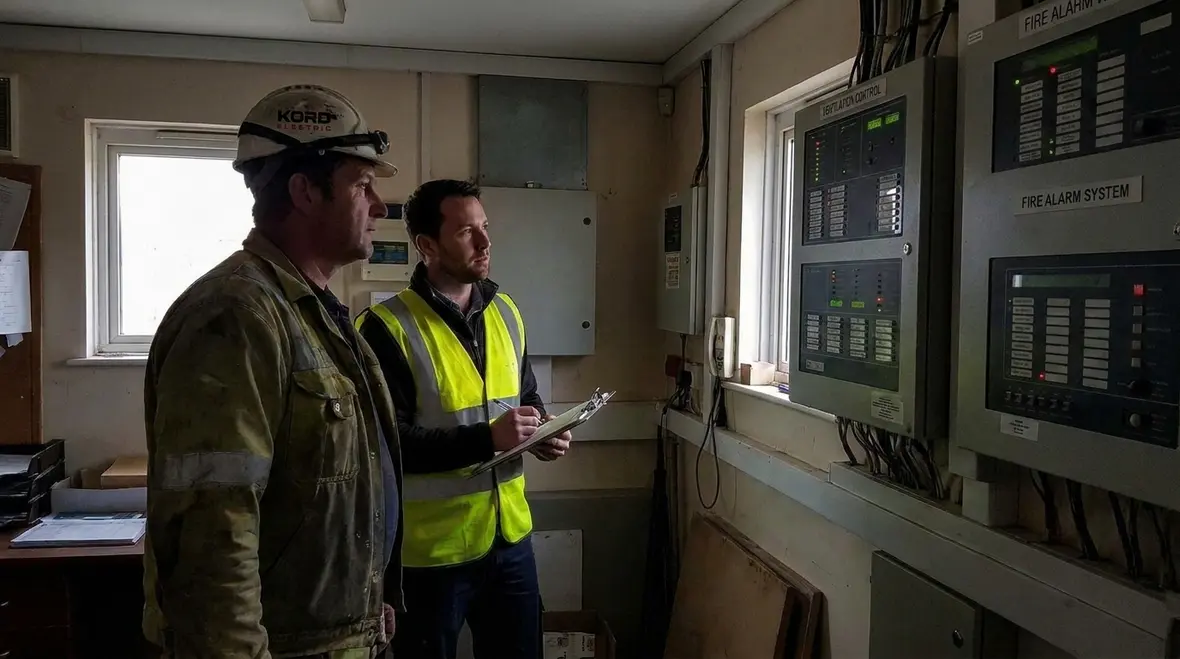
Ventilation does not work alone. It ties into fire alarm systems, smoke control concepts, and electrical power distribution. As a result, NFPA 70 Section 110.57 control location rules often connect to broader planning across the building.
Our team works closely with other professionals involved in major property projects. We review how control wiring, circuits, and device placement affect the overall safety strategy. Additionally, we confirm that the electrical supply and control components support the intended mode changes when conditions shift.
We also keep an eye on the bigger code landscape. The NEC covers how electrical systems function and how safety features behave. Meanwhile, fire protection standards focus on smoke and fire response. When those disciplines align, ventilation controls stay consistent with the building’s emergency plan. When they do not, teams lose time troubleshooting, and that time costs lives and property. In a way, the building becomes a confusing side quest instead of a mission.
Linking ventilation control locations with broader NEC strategies
In many projects, conversations about ventilation system control locations happen at the same table as discussions about feeder sizing, emergency power, and distribution equipment layout. When teams review the National Electrical Code in that broader context, they can spot conflicts early and adjust control locations before conduit is installed and panels are set.
That is why we encourage facility managers and project stakeholders to treat NFPA 70 as an integrated roadmap instead of a stack of isolated rules. When ventilation strategies line up with power distribution, lighting control, and fault clearing paths, the building behaves more predictably under both normal and emergency conditions.
Testing, maintenance, and operator readiness after installation
Even when controls install exactly right, reality still shows up. Panels get covered. Access gets crowded. Staff changes roles. Therefore, Kord Electric does not treat ventilation control compliance as a one time checkbox.
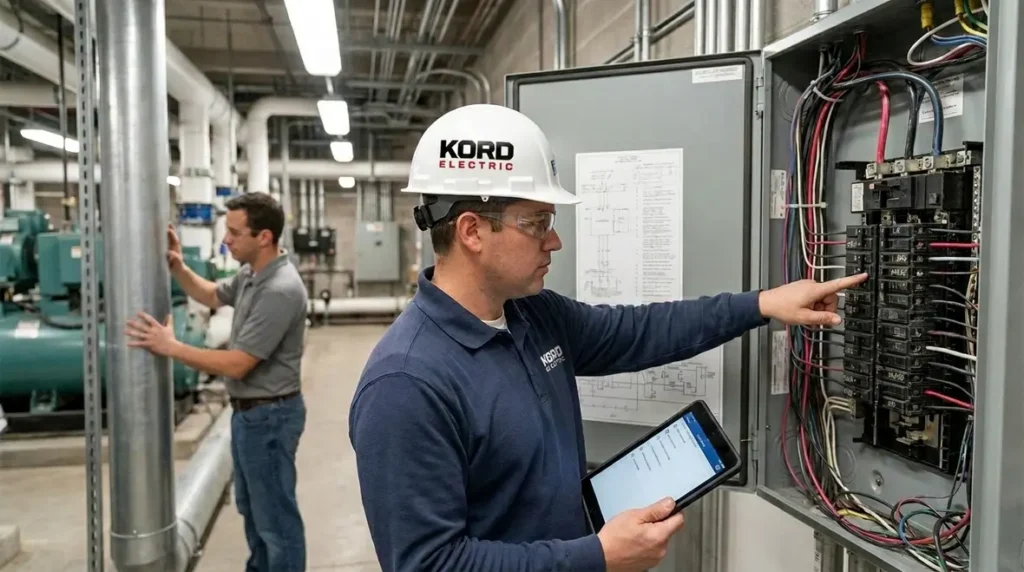
We recommend maintenance checks that include physical access verification, device condition review, and confirmation of labeling accuracy. Then we support operator readiness by helping facility staff understand what the controls do and when they should be used. Our technicians explain the function in plain language, because “code correct” should also mean “people can actually use it.”
If a building relies on emergency operations, training matters. We find that when teams understand the ventilation system control strategy, they respond with less hesitation. And when they respond faster, the system performs closer to the design intent. Think of it like this: even the best watch fails if you do not know the time. We aim to make sure operators can read the system.
Integrating control checks into preventive electrical maintenance
Ventilation control access does not sit on an island during maintenance. We integrate it into broader preventive electrical maintenance programs so that every inspection cycle includes a fresh look at how reachable, visible, and understandable those controls remain. When teams already have a schedule for panel inspections, thermography, and breaker testing, adding targeted checks on ventilation control locations creates a stronger safety net without reinventing the maintenance calendar.
That combined view helps facilities reduce surprise failure points. Instead of discovering blocked controls only when smoke starts moving through a space, they discover and correct the issue during routine maintenance, long before a real incident can test the system.
Common issues we see on major property sites
In commercial and industrial facility work, we frequently encounter problems that look small but cause big headaches later. The first issue is blocked access. Someone stores material where controls should remain reachable. The second issue is unclear location identification. Even with the right components installed, staff may not find them during stressful moments.
Another recurring issue involves changes after commissioning. Renovations, new equipment, or reconfigured spaces can shift pathways and block access to the control devices. Furthermore, some sites install temporary staging in the wrong places and forget to restore access. That is where compliance becomes fragile.
Finally, we see mismatches between design assumptions and on site workflows. For instance, the team that operates the ventilation system might not match the team assumed during design. So, we verify operational reality early, document it, and keep the information current. When facilities keep the plan aligned with people and spaces, the NEC ventilation system control code intent stays intact.
Simple preventive habits that keep ventilation controls usable
Most of the issues we uncover do not require complex engineering to fix. They require discipline. Clear housekeeping expectations around control panels, regular walk throughs that specifically check access, and updated signage after renovations can preserve compliance far more effectively than a one time design review.
By pairing those habits with periodic reviews of the NEC ventilation system control code requirements, facility leaders can keep controls visible, reachable, and logically placed even as tenants change, equipment is added, and spaces evolve over time.
Ventilation control compliance approach by Kord Electric
Kord Electric supports commercial and industrial clients who need dependable solutions for major property buildings. Our process stays grounded in field practicality and code intent. First, we study the ventilation control strategy and the electrical arrangement. Next, our technicians confirm device placement and access routes align with the requirements in NFPA 70 110.57. Then we coordinate recommendations with the project team so the final installation supports safe operations.
We also make sure the documentation and handoff reflect what exists in the building. Because when someone takes over a facility later, clear records reduce confusion. Additionally, we help facility teams understand the controls so the building does what it should, when it should.
By the time we finish, the facility does not just “pass.” It operates with fewer surprises. And if that sounds like a magic trick, well, we only do magic the electrical kind.
| What we verify | Why it matters for ventilation control |
| Control location and safe access paths | Operators reach controls quickly during abnormal conditions |
| Protection of control equipment from obstruction and damage | Devices remain usable, not blocked or compromised |
| Coordination with overall emergency workflows | Control actions match how trained staff respond on site |
Relating ventilation control reviews to broader electrical system design
Because ventilation controls rely on the same conductors, panels, and protection devices that power the rest of the building, we often combine NFPA 70 110.57 reviews with higher level electrical system design checks. That might include verifying available fault current at control panels, confirming feeder routing that avoids unnecessary risk, or aligning control power sources with the facility’s emergency and standby systems.
For facilities planning larger upgrades, that integrated view helps ensure that new distribution equipment, lighting controls, and mechanical systems all support the same emergency response story, instead of pulling in different directions when it matters most.
FAQ on NFPA 70 110.57 ventilation control locations
Facility leaders and project teams often share similar questions when they start focusing on ventilation control locations. They want to know where the code draws the line, how often they should recheck placements, and what happens when renovations or operational changes move people and equipment around. The answers shape both the initial installation and the long term maintenance plan.
Call Kord Electric for ventilation control placement support
If your facility manages smoke control, ventilation modes, or major life safety workflows, you need ventilation controls that people can find and operate fast. Kord Electric helps commercial and industrial teams verify compliance with NFPA 70 Section 110.57, confirm safe access, and explain operation through clear technician guidance. Contact us for a review of control locations and practical recommendations that hold up on site, not just on paper. We will help your building respond like it should, calmly and on time.
For properties across the region, our broader Los Angeles County electrical services give facility leaders a single partner for ventilation control reviews, electrical system upgrades, and ongoing maintenance. Whether you manage one major property or a portfolio of buildings, we align NFPA 70 110.57 compliance with the rest of your electrical strategy so safety, uptime, and code requirements move in the same direction.
If you want to connect ventilation system control planning with a deeper understanding of the National Electrical Code, you can also explore our related NEC resources on the Kord Electric blog for more context before your next upgrade or inspection cycle.
When you are ready to verify your ventilation control locations or plan improvements, our team is ready to walk the site, review the drawings, and translate the NEC ventilation system control code into steps your operations team can actually use.