NEC 110.54 Bonding Grounding Conductor Working Spaces
At Kord Electric, we build safer power systems for commercial and industrial facilities, and we take NFPA 70 seriously. In the NEC bonding grounding conductor workspace, Section 110.54 plays a key role in how we bond equipment and route an equipment grounding conductor within working spaces. That means when technicians access a panel, motor control center, switchboard, or similar gear, the grounding plan supports reliable fault clearing and safer touch conditions. And yes, we know: nobody wakes up thinking, “Today I will read Section 110.54.” But just like a good plot twist, good grounding shows up before the bad stuff does.
Why Section 110.54 matters in the NEC bonding grounding conductor workspace
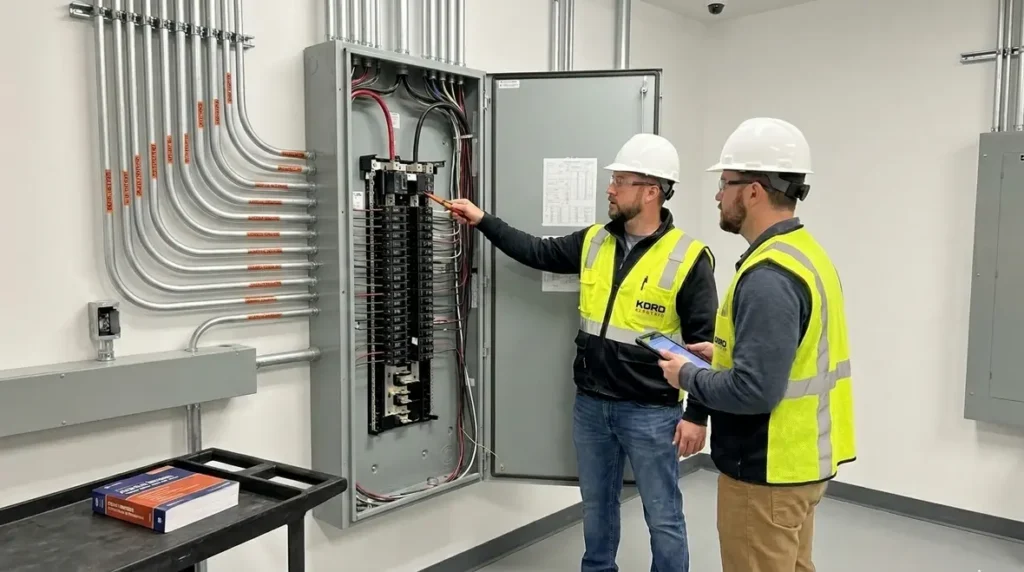
In the field, we see the working space around electrical equipment treated like a storage area. Tools get stacked there, covers get left off longer than they should, and wires get rerouted “just for now.” However, Section 110.54 focuses on the bonding and grounding requirements that affect that working space. In short, it helps ensure that exposed noncurrent carrying metal parts remain properly bonded, so a fault does not turn the metal you touch into an unwanted “conductor of surprises.”
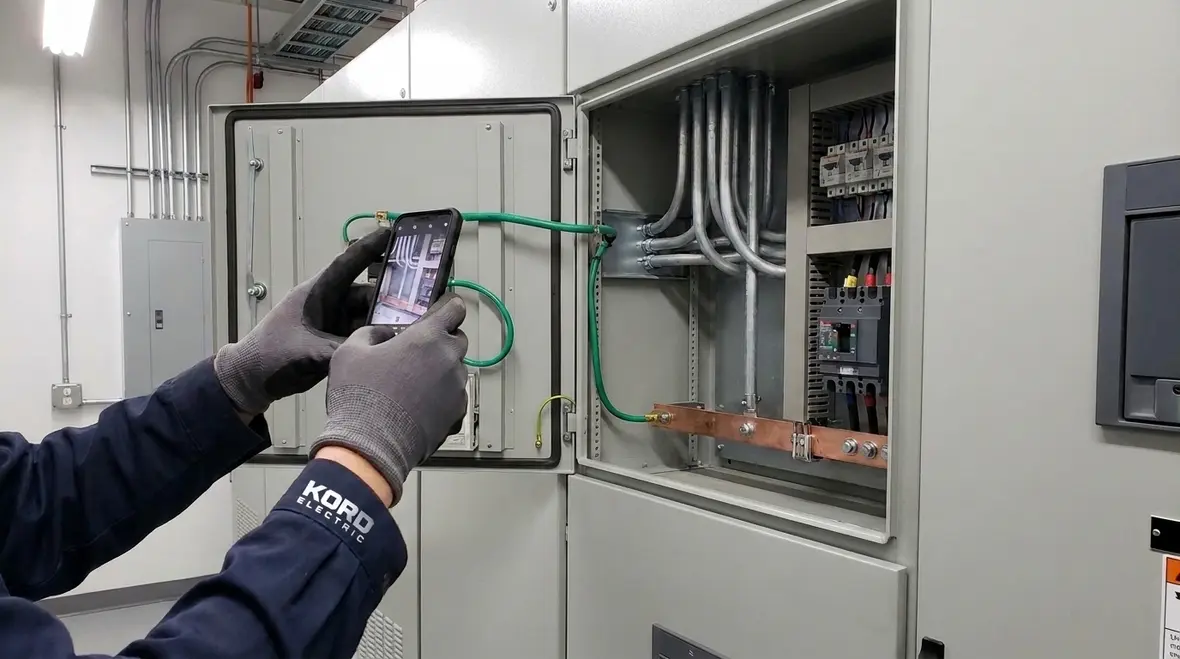
To support this, the code requires that any metal raceways and metal enclosures associated with the equipment, along with other metal parts that could become energized, are bonded in a way that keeps grounding continuous. When a technician is working close by, the system should behave as designed. Therefore, a strong bonding method and correct equipment grounding conductor layout matter every day, not only during inspection week.
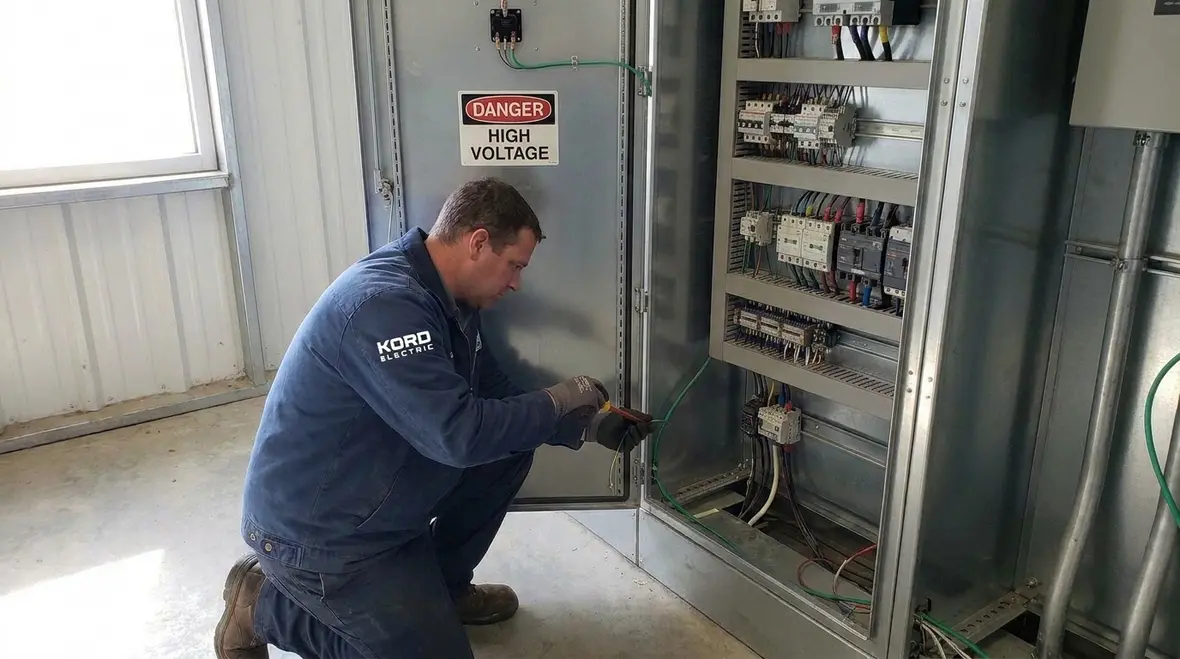
Our team explains it with a simple idea. If a fault happens, the grounding path must guide current where the protective device can clear it quickly. Otherwise, protective devices may not trip in time, and the working space becomes a problem instead of a place to work.
What the code asks for when bonding and grounding are near live parts
Section 110.54 sits in the part of NEC that governs electrical equipment installation practices. It supports safe access and correct bonding where working spaces exist. At Kord Electric, we use that to drive clear install rules on commercial and industrial jobs, including major property buildings and multi-tenant facilities.
First, we identify the “working spaces” around equipment and cabinets. Then we check where bonding jumpers, grounding conductors, and metal parts come together. Next, we verify that the equipment grounding conductor remains present and correctly connected, so the entire metal system stays at the intended potential. Finally, we confirm that raceways and enclosures do not break continuity through sloppy terminations.
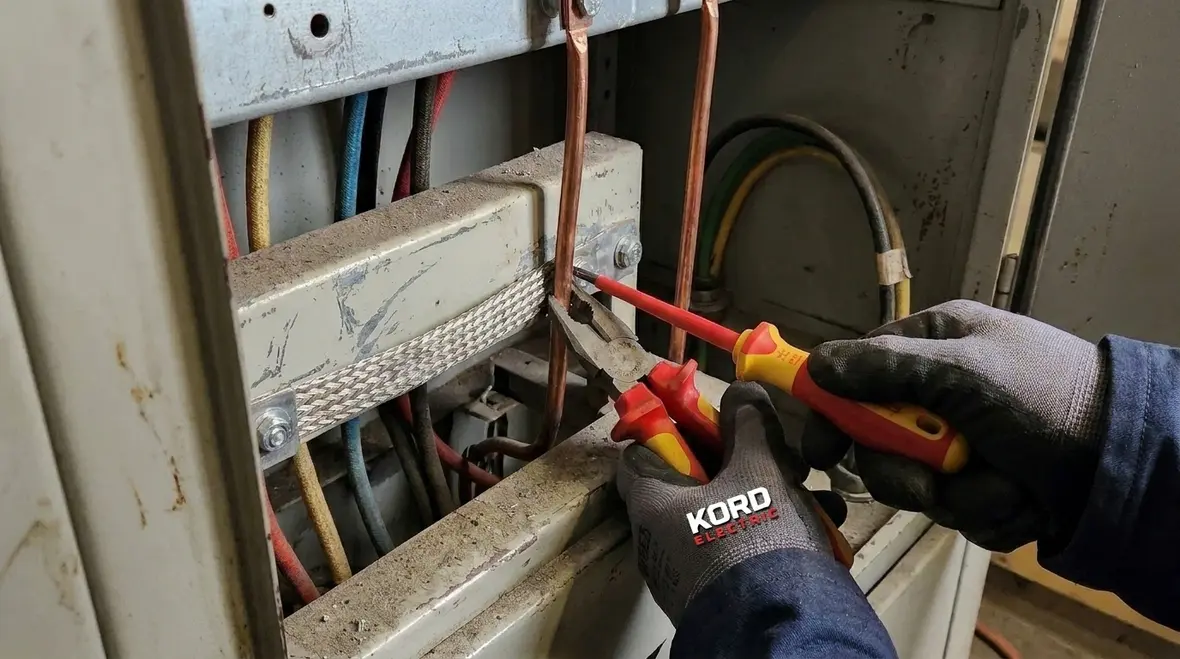
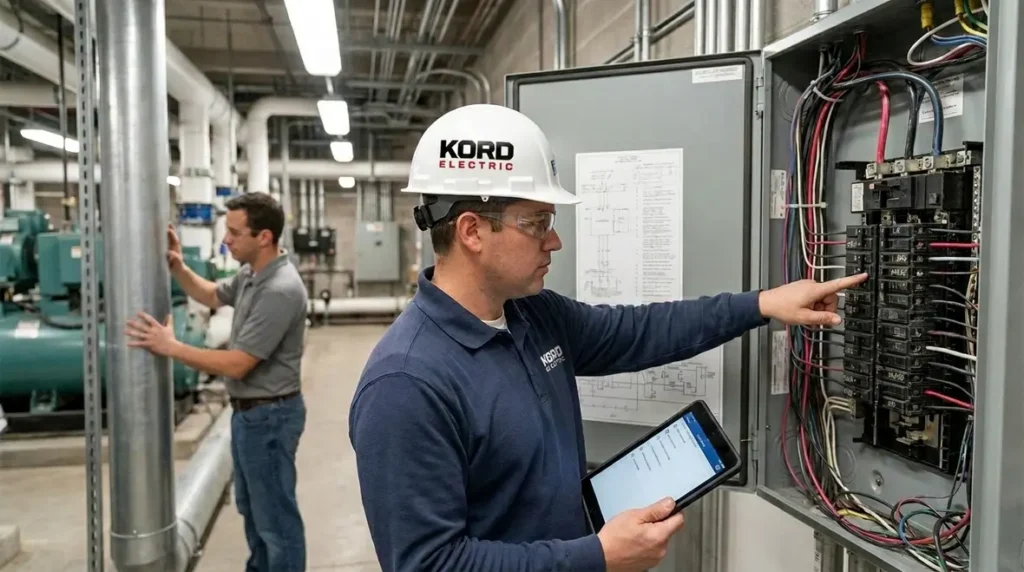
Here is where our expert service staff earns their pay. They do not just point at a diagram and move on. Instead, they walk the job, explain what the code expects, and show why a particular termination method matters. When we talk with facility managers, we also explain what changes a “good job” from an “acceptable job.” In the NEC world, those two are not always the same. Sometimes the difference is the type of lug used, sometimes it is torque, and sometimes it is whether the path stays intact when someone adds a conduit later.
For teams that want to connect Section 110.54 to the bigger picture, our article Understanding NFPA 70: The National Electrical Code Explained for 2026 walks through how grounding, bonding, and working space rules fit into the overall NEC structure and the 2026 update cycle.
Common failures we prevent in commercial electrical rooms
Most grounding failures do not start as dramatic errors. They start as small decisions that slowly pile up. For commercial and industrial spaces, we often see these issues near panels, ATS cabinets, switchgear, and MCC buckets.
One common failure is broken bonding continuity across enclosures. A technician removes a section, adds a new feeder, and forgets to restore the bond between sections. Another frequent issue involves metal raceways where installers rely on “contact” at a joint. In real life, paint, oxidation, or imperfect threads can ruin the connection. Also, we sometimes see grounding conductors added but routed in a way that later blocks access or puts strain on terminations.
Moreover, when working spaces become cluttered, crews may shift raceways or reposition equipment without updating bonding checks. As a result, the grounding path that once looked correct becomes uncertain. And, like that meme where someone says “I’ll fix it later” and later never shows up, these errors can linger until an inspection, a fault, or both.
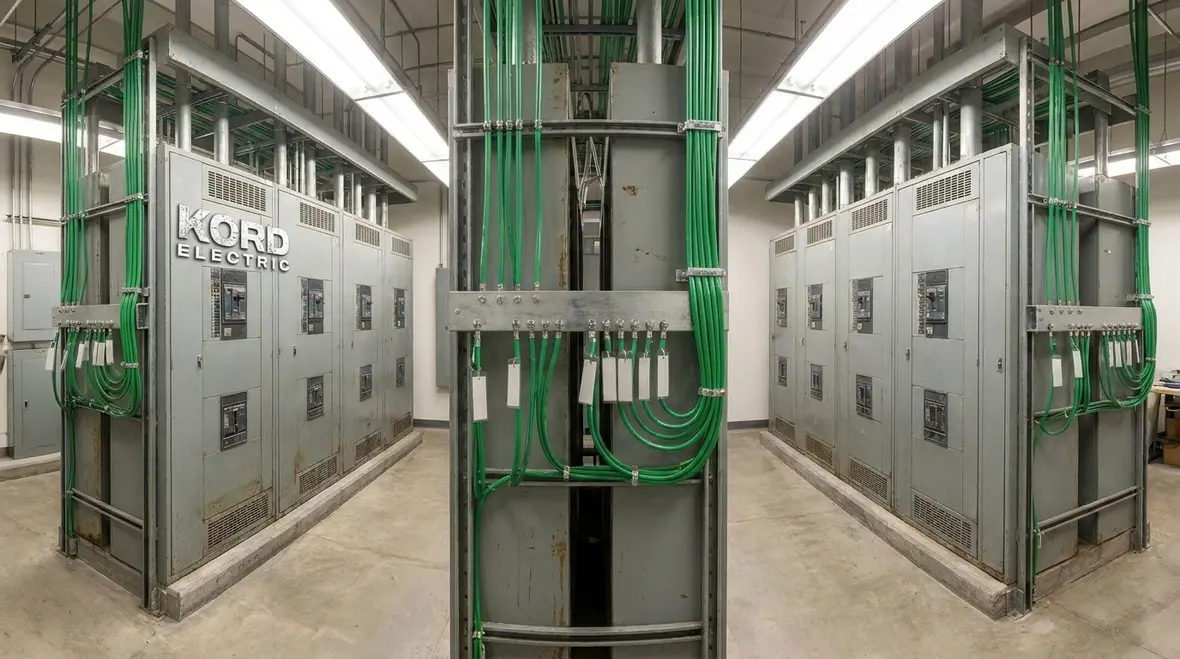
Our technicians handle this with process. They verify bonding points before closing covers, they document grounding paths, and they recheck after rough in changes. In other words, they treat grounding like a chain, not a wish.
How we design safer access for panels and control gear
Working spaces are not only about room. They are about how humans approach equipment. At Kord Electric, we help our commercial and industrial clients keep access safe and functional, which directly supports the intent of Section 110.54. We plan cable and raceway routing so that equipment access stays clear, covers fit correctly, and grounding conductors remain in their intended locations.
When we lay out conduits and cable trays, we also plan for how maintenance teams will work later. Therefore, we avoid routes that force bending stresses at terminations and we prevent bonding conductors from becoming pinch points during cover installation. Then we align bonding methods with the equipment type, whether it is a metal enclosure, a control panel, or a larger gear lineup.
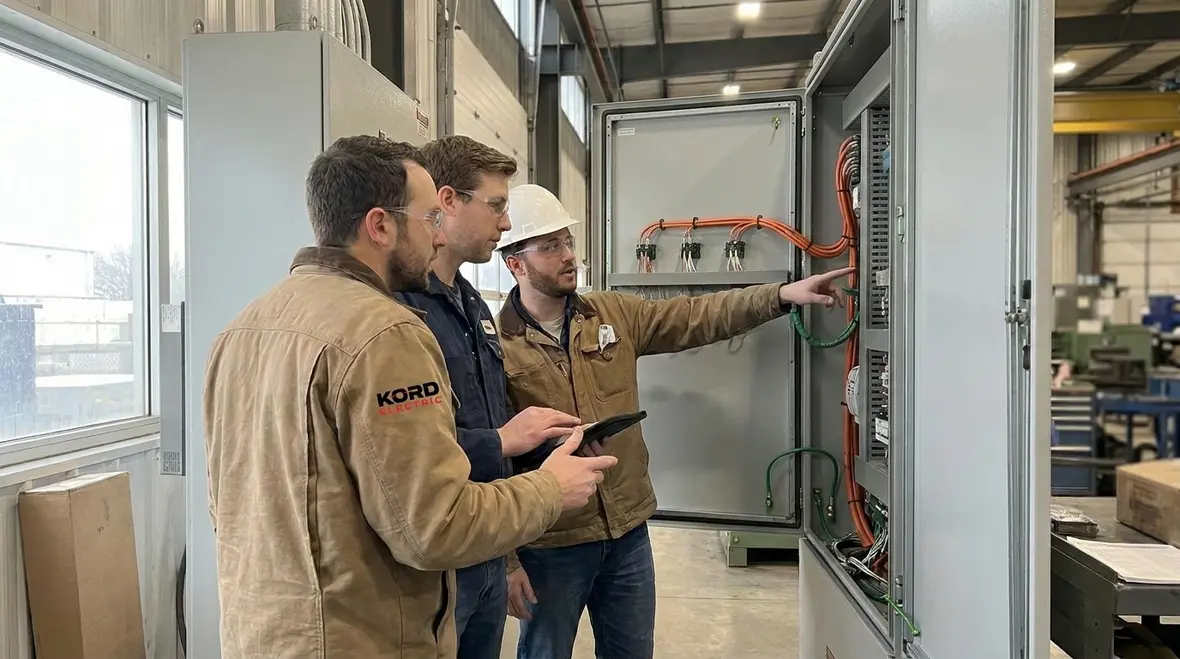
We also coordinate with other trades. For example, if a facilities team requests a new connection for a device, our technicians confirm whether that device changes bonding needs. We do this early, not after the fact. That keeps safety intact and reduces rework. Nobody likes rework. Even sitcom characters hate it. They just disguise it with jokes.
Using bonding correctly helps protection work as it should
Bonding and grounding in a working space do more than satisfy paperwork. They directly influence how fault current travels. When a fault occurs, the system must provide a low impedance path back to the source so protective devices can trip. That is the practical goal behind the bonding rules in NFPA 70 and the NEC sections that govern working spaces.
So, we check continuity and terminations with a mindset that ties code to physics. If we bond correctly, equipment enclosures do not rise to dangerous voltages during faults. Also, during ground faults, the protective device has a clearer job. This helps reduce risk to workers who are close to the equipment, and it helps reduce downtime for facilities because faults clear more predictably.
Our approach matches the way we explain NEC in our resources. We focus on how the National Electrical Code supports real installations, including the “why” behind each requirement. For readers who want the broader picture of how NEC fits into the 2026 update cycle, Kord Electric and our partners provide detailed discussions. And for fire and life safety context related to electrical systems, Kord Fire also covers NEC fundamentals and why they matter when safety systems must stay reliable.
Inspections, documentation, and how our staff keeps it clean
Commercial and industrial facilities live on tight schedules, so we make documentation part of the job. We help clients understand what the authority having jurisdiction expects, and we also help contractors provide clean records. That includes clear grounding and bonding documentation that shows the equipment grounding conductor workspace intent is met. When we install, we also verify that labels and connections match the field reality.
Then, when an inspector asks for proof, our technicians can explain the method used and where it connects. They do not hide behind jargon. They walk through the system step by step, in plain terms that facility teams can understand. This is where our expert service staff shines. They treat the conversation like partnership, not like a quiz.
In addition, we align with fire and life safety thinking. For many building teams, electrical safety and fire safety work together. Kord Fire’s code commentary and resources connect NEC expectations to fire protection goals, and industry organizations focused on fire pumps and emergency water supplies reinforce how much electrical reliability matters when life safety systems need to perform under stress.
FAQ
Next steps for safer working spaces
If your commercial or industrial facility has older electrical gear, frequent modifications, or crews working close to panels, we should review your bonding and grounding approach. Kord Electric helps teams align installations with NFPA 70 and NEC requirements for working spaces so faults clear properly and workers stay safer. Contact us to schedule a field assessment with our expert service staff. We will explain what we find, recommend practical fixes, and help you move forward with confidence.
For facilities across the region that need coordinated upgrades, our Los Angeles County electrical services for commercial and industrial buildings bring bonding, grounding, and working space checks into a broader power reliability and safety plan instead of leaving them as one-off corrections.
When you are ready to take the next step, we can connect your NEC bonding grounding conductor workspace review with design updates, documentation support, and inspection preparation so your electrical rooms stay organized, grounded, and ready for the next chapter of your facility’s story.