

NFPA 70 267.23 Exterior Multiconductor Cable Compliance
At Kord Electric, we help commercial and industrial facilities protect people, property, and critical operations with compliant power and communications wiring. That starts with NEC exterior multiconductor cables, especially where cables run across building exteriors. However, code rules can feel like a movie script written by a committee. So we take a calm, step by step approach, and our technicians explain what matters in practical terms. In this article, third person readers learn how NFPA 70 Section 267.23 addresses multiconductor cables on building exteriors, what compliance looks like in the real world, and how a strong inspection process reduces surprises. And yes, we promise the electrical code will not bite. Not usually.
NFPA 70 Section 267.23 and why it matters outdoors
NFPA 70 Section 267.23 sets requirements for multiconductor cables on building exteriors. The goal is simple: cables outside face sun, moisture, vibration, wind, and temperature swings. Over time, those conditions can damage insulation, loosen connections, and increase the risk of fault or overheating. Therefore, the section focuses on cable type, installation method, and exposure control so the system stays reliable where it is hardest to protect.
In many commercial and industrial settings, multiconductor cable systems support communications, signaling, and other control functions. Even if a circuit seems “low power,” the wiring still needs to survive real weather and real building movement. Consequently, contractors cannot treat outdoor runs like indoor pulls with a little extra duct tape. Our expert service staff often tells clients that the weather does not care how busy the project schedule is. The environment keeps its own calendar.
What “building exterior” means in practice
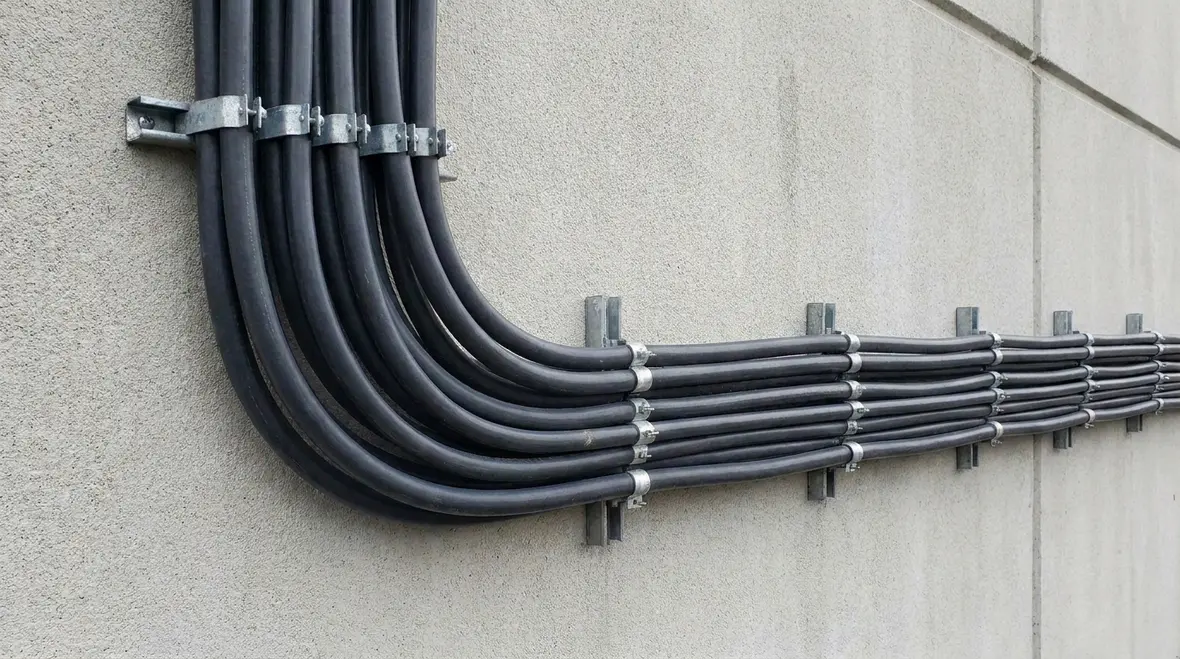
When third person readers hear “building exterior,” they might picture the obvious areas like walls, soffits, and rooftop edges. Yet the code thinking usually includes exposed routing paths where the cable can receive direct or indirect environmental exposure. For example, runs along the outside face of a wall, routing through exterior conduits, or cable lengths that are exposed to rain splash or sunlight can fall under the same compliance mindset.
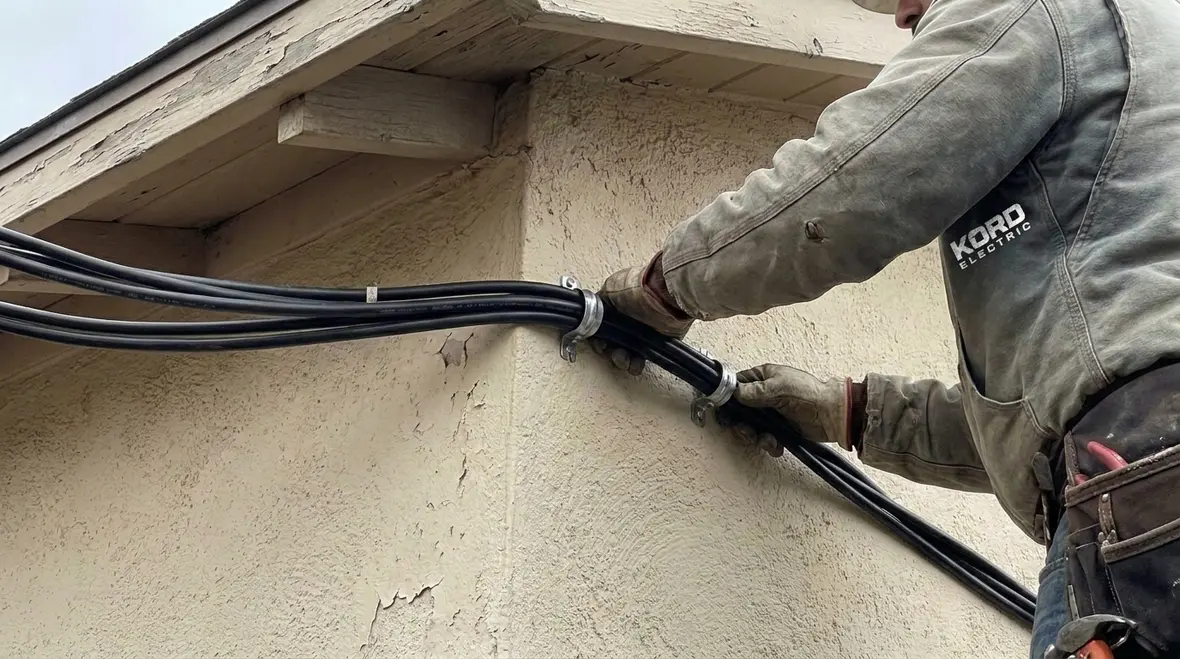
Moreover, building exteriors in major property projects include more than flat surfaces. They include transitions at penetrations, where cables enter and exit equipment rooms, and segments that run near roof edges or exterior structural members. In those zones, installers must account for strain, movement, and sealing details. Then, inspections must verify the “whole path,” not just the connection point.
Cable construction and exposure: the real compliance test
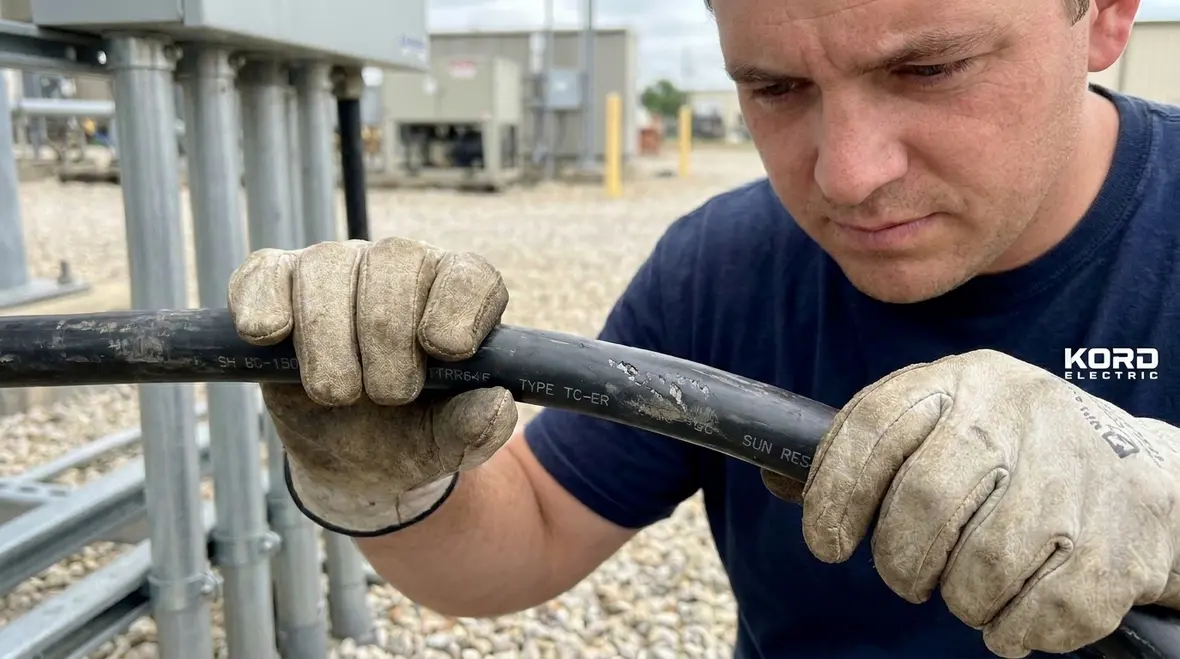
Section 267.23 expects installers to use NEC exterior multiconductor cables that can handle the conditions they will meet. That means cable jacket material, rating, and the intended installation environment need to match the job. If the wiring is not designed for outdoor exposure, performance can degrade. Insulation can crack, adhesives can fail, and connectors can lose grip under thermal cycles.
Additionally, our technicians look at how the cable behaves under installation stresses. Pulling tension, bending radius, and routing around corners can create weak spots. Even when a cable is rated for outdoor use, sloppy handling can still lead to damage before the building ever gets a weather test.
To keep projects steady, Kord Electric applies a simple method during planning and preconstruction coordination. First, we confirm the exterior route scope. Next, we match cable and protection methods to the actual exposure level. Finally, we verify the final installation with checklists that align with NEC expectations and jobsite reality. For teams who want a deeper code foundation before they zoom into exterior wiring details, our internal crews often refer back to resources like Understanding NFPA 70: The National Electrical Code Explained for 2026, because it connects section level rules to the whole NEC framework.
Routing, support, and protection on exterior runs
Compliance does not live in the cable label alone. It also lives in routing, support spacing, and physical protection. Therefore, installers must secure cables properly so they do not sag, whip, or rub against surfaces. In high wind zones or around mechanical equipment, movement can wear down jacketing and stress terminations.
When cables pass through areas with potential mechanical damage, additional protection may be necessary. That could include conduit requirements, guarding, or placement choices that reduce impact risk. In commercial and industrial facilities, the exterior environment also includes maintenance activity and foot traffic near rooftop access points. As a result, the installation must anticipate where people and equipment move over time.
Our expert service team explains these points clearly, because misunderstandings often come from assumptions like “it will be fine because it looks fine.” Yet the code is not based on appearances. The code is based on outcomes after years of sun and rain and maintenance work that never stops.
Connections, terminations, and water management
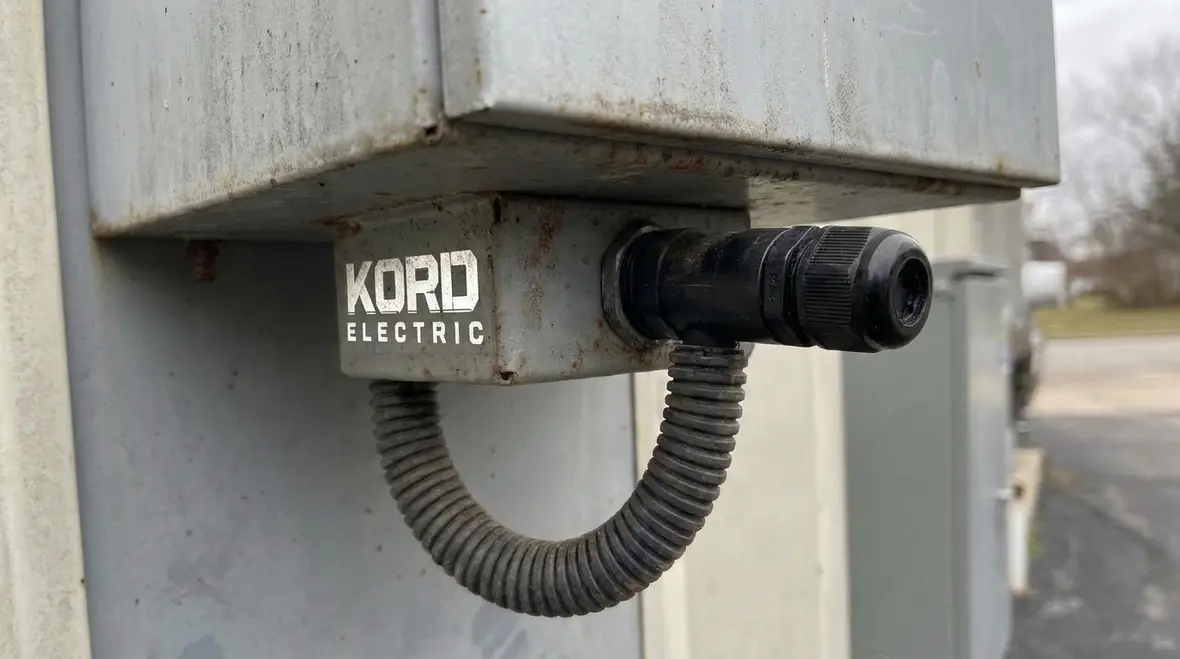
Even with the right NEC exterior multiconductor cables, the weak link is often at terminations and cable entry points. Water infiltration and corrosion can start where cables connect to enclosures, devices, or junction systems. Consequently, proper sealing and correct installation of connectors becomes a key part of compliance.
Third person readers should note that exterior wiring projects often include transitions between enclosures indoors and exposed sections outdoors. That means installers must manage drip loops, cable entry orientation, and sealing practices. If moisture collects at the enclosure, it can travel inward through seams or into cable ends. Over time, that can lead to intermittent faults, signal dropouts, or equipment protection triggers.
Kord Electric’s technicians approach these details with practical discipline. They verify enclosure readiness, confirm that fittings match the cable type, and ensure terminations maintain the intended environmental protection. Then, during closeout, they document what was installed and how it was protected. That documentation becomes valuable later, when operations teams need quick troubleshooting without guesswork.
Coordination with other NEC rules and fire safety goals
NFPA 70 is not a single isolated rulebook, and neither is an exterior wiring system. Section 267.23 connects to broader NEC principles about wiring methods, damage prevention, and system reliability. Also, in major property buildings, the exterior cable system often supports life safety or critical operations indirectly. That means coordination with fire safety planning and facility risk goals matters even when a project focus sits on power distribution or communications.
For readers who want a bigger picture, Kordfire content and guidance often frames the NEC as a practical tool for reducing hazards. Kordfire and Kordfire.com.au also emphasize that code compliance protects the building’s ability to function during emergencies. Meanwhile, firepumps.org highlights how reliable electrical and signaling support matters when water based suppression systems need dependable actuation. In other words, exterior wiring is not just “outside wiring.” It can influence how systems behave when the building must perform under stress.
So, when Kord Electric builds exterior wiring plans, we consider how the system supports the facility’s operational needs and safety targets. We still follow the code section requirements, but we also design for the real world. If the building is a machine, the wiring is the nervous system. You would not want weak nerves, and neither does the code.
Inspection and acceptance for commercial and industrial projects
Project teams often treat inspection as a last step. Yet in major property buildings, inspection works best as part of the workflow. As a result, we recommend pre inspection walk downs for exterior cable routes, including support verification, routing verification, and enclosure review.
Third person readers should understand that acceptance is not only about whether the cable exists. It also covers whether it was installed correctly for the environment. Our technicians check for proper routing, correct fitting types, secured supports, and the absence of obvious damage. Additionally, they confirm that labels and documentation align with the as built plan.
When teams run on tight schedules, electrical work can feel like the final boss. The trick is to control the variables before the inspection window. Kord Electric helps clients do that with clear checklists, expert explanations for facility stakeholders, and a closeout process that keeps future maintenance simple. Because nothing says “great day” like chasing an intermittent fault that started as a bad exterior transition.
FAQ: NFPA 70 exterior multiconductor cable requirements
Conclusion: schedule a compliance focused exterior review
Kord Electric supports commercial and industrial facilities with expert planning, installation support, and inspection readiness for NFPA 70 Section 267.23. Our technicians explain key requirements in clear, calm terms, and we help teams confirm that NEC exterior multiconductor cables are installed with the right exposure protection, routing, and water management. When a building’s exterior wiring is correct the first time, operations run smoother and troubleshooting gets faster.
For facility leaders who want to coordinate exterior wiring with broader electrical reliability goals across Los Angeles County and Southern California, our dedicated Los Angeles County electrical services team helps align code compliance, project schedules, and long term maintenance planning so exterior cable systems support the rest of the building, not the other way around.
Contact Kord Electric to schedule an exterior compliance review today and keep your facility performing like it should.


