
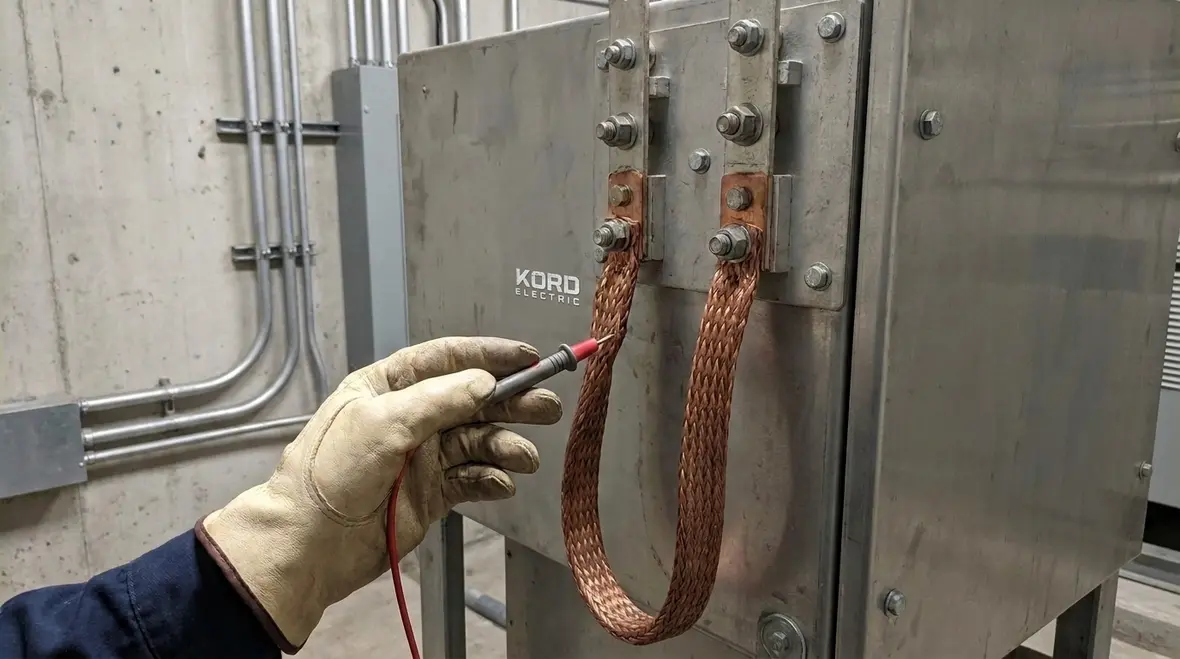
NFPA 70 270.134 Fixed Equipment EGC Above 2 kV
At Kord Electric, we help commercial and industrial facilities stay compliant, safe, and ready for the real world. In this article, we focus on NFPA 70 Section 270.134, specifically the rules for the equipment grounding conductor for fixed equipment above 2 kV. We also keep the practical lens wide open for people who manage major property buildings and critical electrical systems. If you are dealing with the NEC fixed equipment EGC 2 kV boundary, you already know the stakes. And yes, the code is detailed, because physics is not interested in our feelings. Still, we make it easier by having our technicians explain what the text means on the job, not just in a training room.
What NFPA 70 270.134 changes for fixed equipment
NFPA 70 Section 270.134 governs how we handle grounding for fixed equipment operating above 2 kV. In other words, the code draws a clear line once you go past that threshold, and grounding methods must follow the rules closely. This matters because grounding is not a “nice to have” accessory. It is the path that helps protect people, limits damage, and keeps fault conditions from turning into full scale chaos.
When facilities run medium voltage systems, the grounding approach must match the risk level. Therefore, Section 270.134 focuses on the equipment grounding conductor rules for fixed equipment, including how conductors are sized and how they are connected. While some teams treat grounding as a checkbox, we treat it like an engineered system component. That mindset prevents costly surprises during inspections, maintenance, or fault events.
NEC fixed equipment EGC 2 kV boundary and why it matters
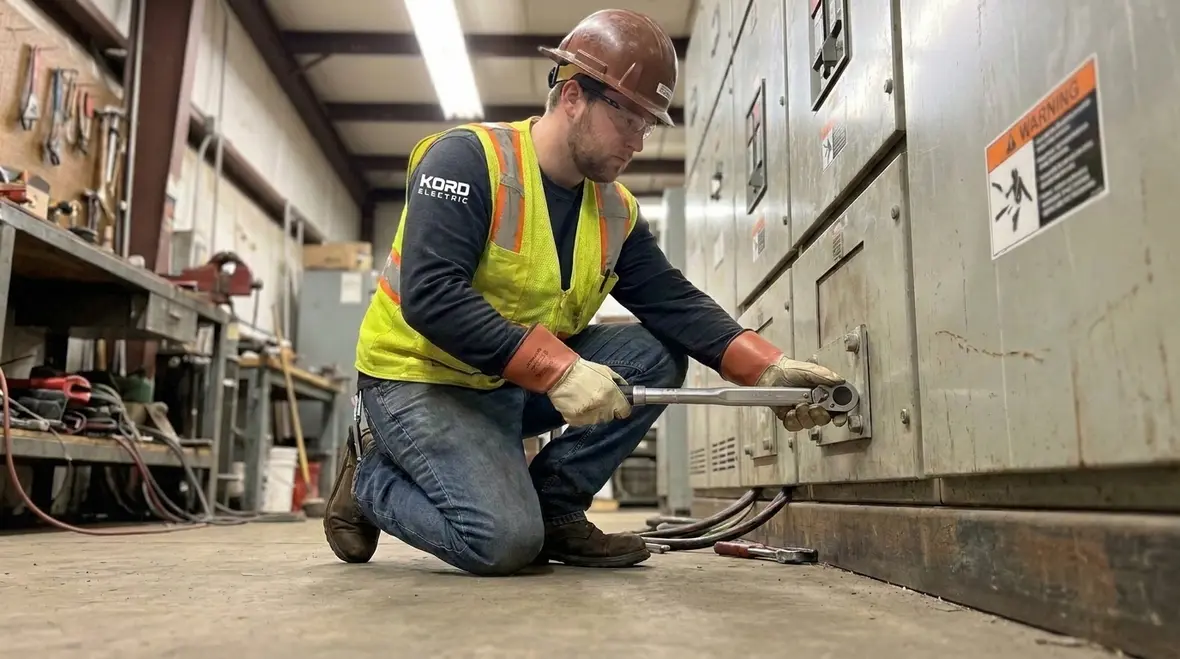
The NEC fixed equipment EGC 2 kV boundary matters because equipment grounding methods tighten after you move above 2 kV. Once you cross that line, the grounding conductor requirements aim to ensure faults clear in a controlled way and that exposed conductive parts stay at safer voltage levels.
At Kord Electric, we often see confusion in the field. For example, teams sometimes rely on what worked at lower voltages and assume the same logic applies. However, as soon as you pass the fixed equipment EGC 2 kV point, the grounding design must match the higher voltage environment. Then, the question shifts from “Is it grounded?” to “Is it grounded correctly, consistently, and per the rules for that voltage range?”
For facility leaders who want a broader code backdrop behind these rules, resources like Understanding NFPA 70: The National Electrical Code Explained for 2026 on the Kord Electric blog help connect the fixed equipment grounding requirements to the larger NEC framework for 2026 planning and design decisions.
How EGC connections affect fault clearing and equipment protection
NFPA 70 Section 270.134 does not exist in isolation. It ties into how your electrical system behaves during abnormal conditions. When a fault occurs, the grounding path must carry fault current long enough for overcurrent protection to operate. Meanwhile, conductive parts should not float to dangerous potentials.
So, we help our clients look at the full chain, from the fixed equipment to the grounding conductor system. Then we trace how connections are made at terminations, bonds, and grounding points. Because connections can fail even when conductors are correct. A loose connection, poor contact, or the wrong bonding method can raise resistance and undermine the grounding path. In short, your grounding system can look compliant on paper while acting poorly in practice. We do not like that kind of “surprise.”
Our technicians explain this clearly: grounding is not one conductor, it is the connections, the routing, and the termination quality. It is the electrical equivalent of tying every knot in a rope before you trust it. If one knot is weak, the whole job becomes a bad joke. And nobody wants a bad joke when the building is in full operation.
Compliance details: what to verify in real projects
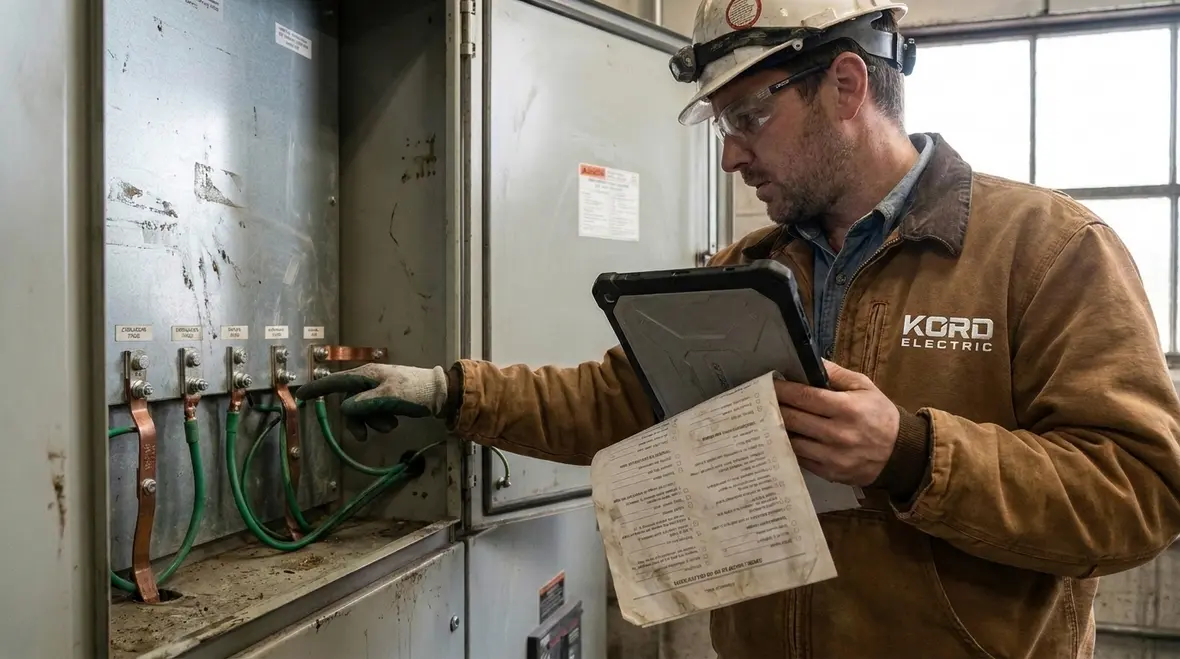
In commercial and industrial installations, we verify grounded equipment circuits and related bonding points with a practical checklist. That includes conductor behavior, termination practices, and whether fixed equipment connections follow the intent of Section 270.134. We also coordinate with facility teams so they understand what inspections typically focus on.
Here is what we commonly verify during design review and field support for higher voltage fixed equipment:
- Correct EGC sizing and selection for the voltage level and the fixed equipment category, aligned with the rules in the NEC and the intent behind 270.134
- Proper bonding paths so exposed conductive parts remain controlled under fault conditions
- Termination quality, including mechanical security and contact integrity, because “tight enough” is not a standard
- Conductor routing practices that avoid damage, unnecessary strain, and interference with other systems
- Coordination with testing and documentation so the facility can show what was installed and why
Then, we bring in expert service staff to explain the “why” behind each item. Many clients only hear the “what.” We believe the “why” reduces rework. It also helps operations teams maintain the system without guessing later. If you manage a major property building, guessing is a hobby that gets expensive fast.
Tying Section 270.134 to broader NEC planning
Because Section 270.134 plugs into the wider NEC structure, we often cross-reference its intent with planning tools like the 2026 NEC application scope guidance and practical reading guides. That way, teams looking at fixed equipment above 2 kV can also see how service entrances, feeders, and branch circuits have to align with the same safety story instead of working from separate rulebooks.
For many clients, pairing a focused review of fixed equipment grounding with broader resources on how to read NFPA 70 or NEC application requirements gives them a practical map from the front of the code book all the way to jobsite installation standards.
Coordination with medium voltage systems and facility teams
Section 270.134 sits inside the larger world of medium voltage electrical systems. Therefore, grounding design affects and gets affected by switchgear, transformers, feeders, and protective devices. When teams coordinate early, they avoid patchwork fixes later.
At Kord Electric, we work with clients managing commercial and industrial facilities where uptime and safety matter. We align with electrical supervisors, facilities engineers, and contractors who handle installation and commissioning. After that, we help them map where fixed equipment grounding conductors connect and how the bonding system functions as a whole.
For people reading from a higher level, the takeaway is this: correct equipment grounding conductor work supports fault response, helps limit equipment stress, and reduces risk to staff and equipment. However, those results require more than a diagram. They require consistent installation quality and clear handoff documentation.
Also, we stay mindful of the broader NEC education people look for, including explanations like those published in our related resources about understanding the National Electrical Code and how systems connect. We also keep our field approach practical, the way the folks at Kord Fire emphasize in their NFPA 70 overviews: real compliance is measured by how the system performs, not just how it reads.
Linking EGC strategy to NEC scope and enforcement
Because the NEC defines where and how its rules apply, we connect fixed equipment EGC plans to scope and enforcement guidance so there are no surprises in the field. That includes reading how NEC scope sections describe medium voltage applications and how authorities having jurisdiction expect grounding to support overall system safety.
In practice, that means our technicians do more than wire and walk away. They help trace grounding conductors through switchgear lineups, transformers, and feeders, making sure that what Section 270.134 expects on paper matches what the AHJ and inspection team see during energization and acceptance testing.
Common mistakes we see above 2 kV
Let us be honest. Many grounding issues do not come from bad intent. They come from rushed schedules, unclear responsibility, or teams assuming one rule carries across voltage ranges. Still, we see the same trouble spots again and again for fixed equipment above 2 kV.
- Applying lower voltage grounding habits without updating the design for the above 2 kV requirements
- Underestimating termination quality, including weak mechanical fastening or poor contact surfaces
- Skipping bonding verification, especially where components connect through multiple enclosures or pathways
- Not tracking field changes, where revisions change conductor runs or attachment points and documentation lags behind
- Assuming “grounded” equals “safe”, even when the grounding path does not match the intent of Section 270.134
When clients bring us in early, we help avoid these problems. And when they call after something has been installed, we explain options for correction that respect uptime needs. Because for major property buildings, downtime is not a schedule preference. It is an operational cost. We try to save clients from that bill.
Why documentation and upgrades matter for fixed equipment EGC
Above 2 kV, a missing as-built note or an undocumented field change on an equipment grounding conductor can turn into a future outage. That is why we pair hands-on corrections with updated drawings, grounding details, and maintenance notes that facilities teams can use when they troubleshoot or expand later.
For facilities planning broader electrical upgrades, our medium voltage grounding reviews often run alongside services like electrical code upgrade consulting and targeted maintenance planning, so Section 270.134 work fits neatly inside a long-term reliability strategy instead of becoming a one-time patch.
FAQ about NFPA 70 270.134 and grounding fixed equipment
Request an NEC grounding review with Kord Electric
If your facility runs medium voltage fixed equipment and you want confidence before inspection or maintenance, Kord Electric can help. Our technicians and expert service staff walk through NFPA 70 Section 270.134 in plain terms, then align the grounding design with how your system actually gets built. You will get clear next steps, practical verification, and documentation support that fits commercial and industrial operations. Call us today and let’s keep your grounding system sturdy, safe, and compliant.
For facilities in Southern California looking for hands-on help with medium voltage design, grounding reviews, and broader NEC implementation, our Los Angeles County electrical services team supports everything from new installations to complex code-driven upgrades, so your fixed equipment EGC strategy lines up with the rest of your power system.
When you are ready to connect the NEC rules for fixed equipment above 2 kV with real-world work plans, Kord Electric is ready to listen, review, and build a grounded path forward that your inspectors, your operations team, and your bottom line can all live with.


