
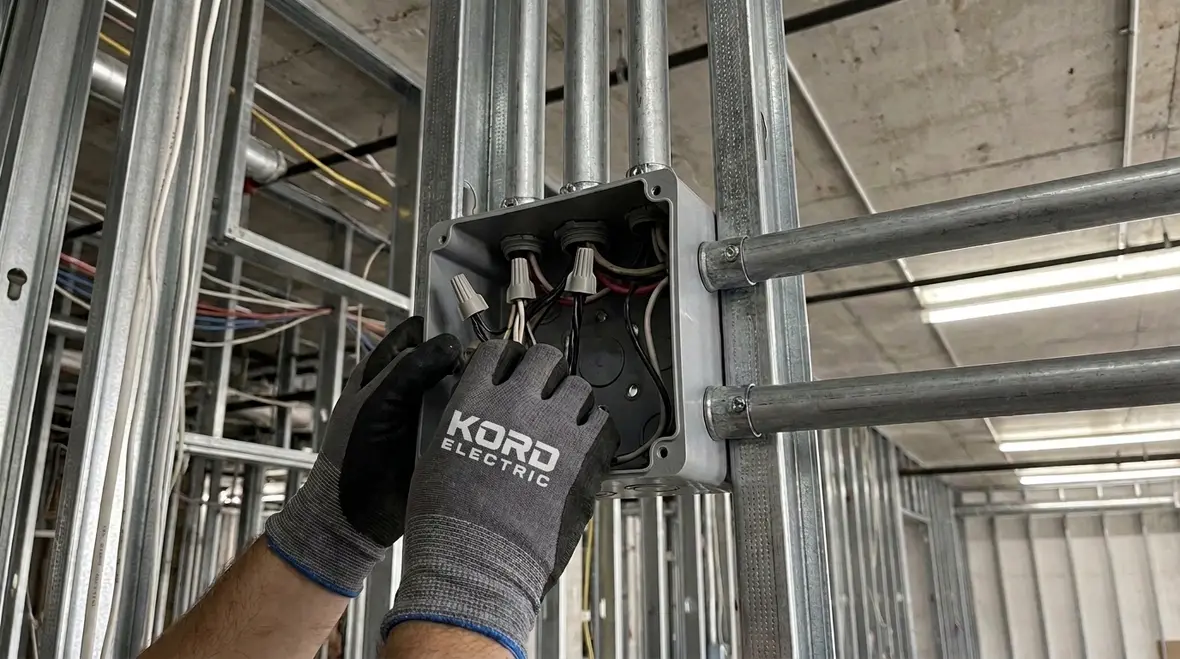
NFPA 70 314.103 Nonmetallic Box Construction Explained
NEC nonmetallic box construction, explained for commercial and industrial teams
At Kord Electric, we see it every day in commercial and industrial facilities: crews want safe wiring, inspectors want clear compliance, and everyone wants it done on time. That is why we focus on NFPA 70 Section 314.103 and the rules for nonmetallic box construction. Within the first look, our technicians explain that this section helps define how nonmetallic boxes should be made and tested so they can support wiring systems without turning into a future problem. Then, we help building teams apply those rules in the real world, where ceilings run long and change orders show up like uninvited guests. And yes, we have seen enough “quick fixes” to know that electricity does not care about anyone’s optimism.
In this guide, a third person account of what we do and what others expect from code compliance will make the topic easier to follow. We also explain the practical details that matter for major property buildings, so your electrical system stays dependable.
NFPA 70 Section 314.103 sets the bar for nonmetallic boxes
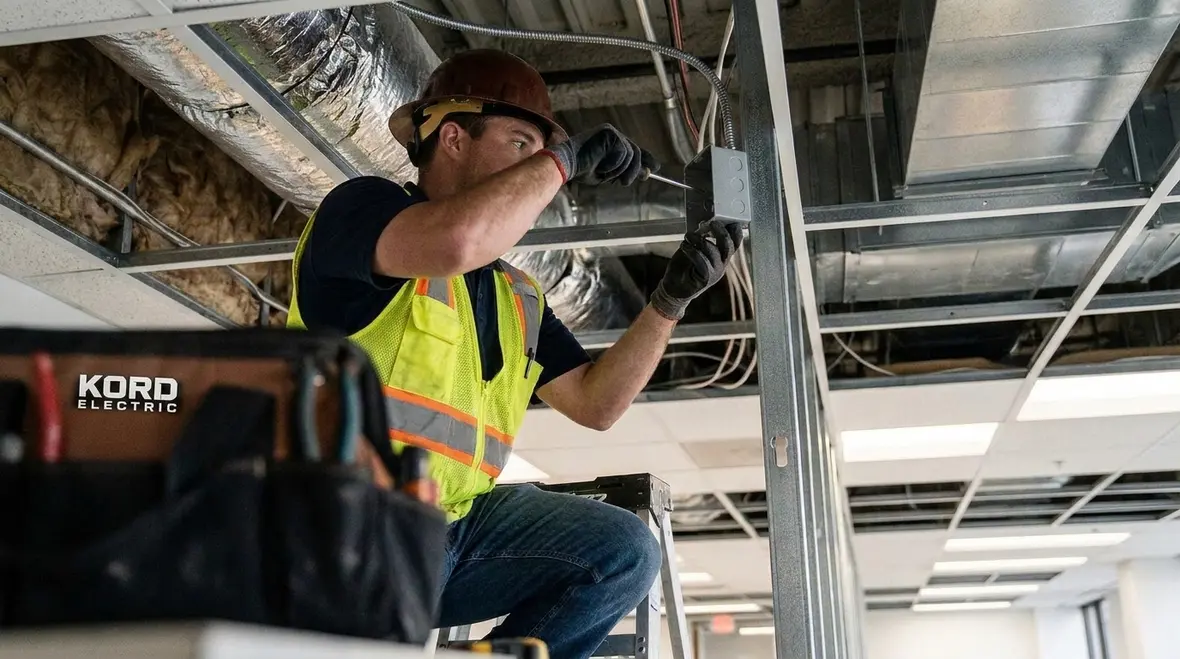
When a building team references NFPA 70 Section 314.103, they are not chasing trivia. They are setting a performance standard. This section guides how nonmetallic outlet, junction, and switch boxes must be constructed, so the box can handle heat, mechanical stress, and the wiring methods that run through it.
First, the code expects the boxes to resist damage during installation. Then it expects them to perform during use. And importantly, it treats the box as a component inside a larger system, not as a decorative shell. Our expert service staff often explains it this way: think of the box as a safety jacket for the conductors. If the jacket tears too easily, the whole jacket story ends badly.
For commercial and industrial facilities and major property buildings, this matters because electrical systems face real conditions. People move through spaces. Equipment vibrates. HVAC cycles temperature. And maintenance crews open and close access panels more often than anyone likes to admit.
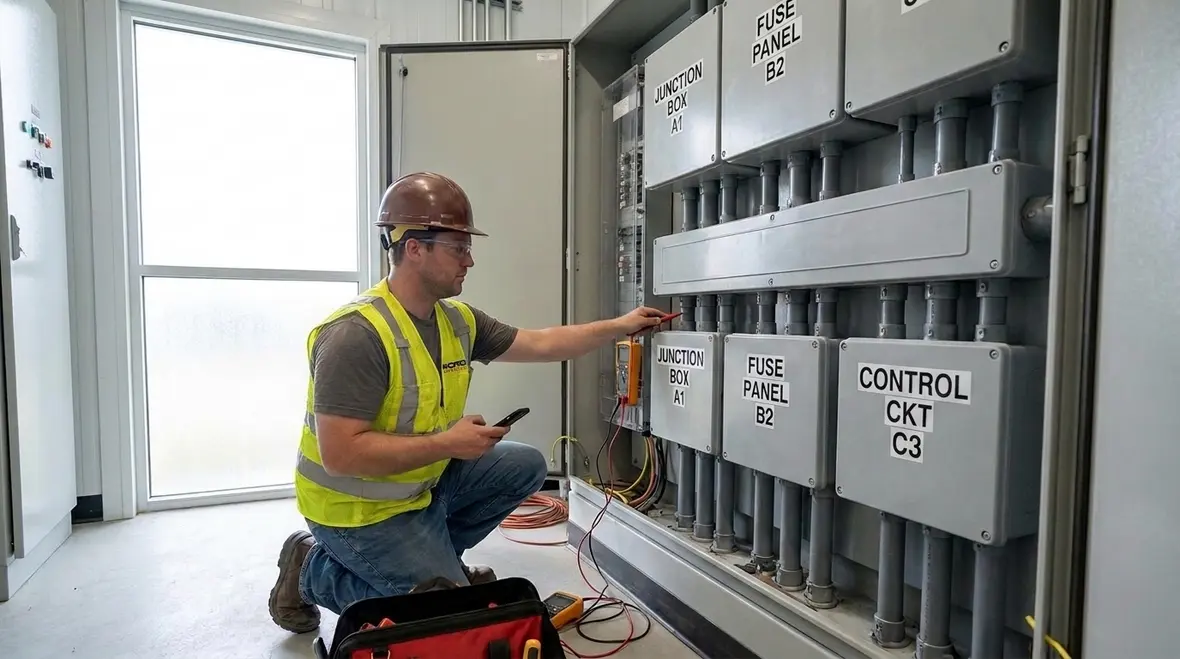
How material choices affect safety and long term performance
Nonmetallic boxes are typically made from engineered polymer materials. However, the material is only part of the story. What matters is how the box behaves under stress: impacts during installation, heat exposure, and long term aging. This is where code based construction requirements come in.
In practice, a compliant box supports these goals:
- Secure wiring support so connections do not loosen from vibration or handling
- Resistance to heat so the box does not warp or degrade around wiring methods and terminations
- Strength against physical damage from tools, cable pulls, and routine access
- Proper fit with covers, devices, and raceway connections
Because our team works on commercial and industrial projects, we also care about how these materials hold up when timelines get tight. Crews pull cables hard, then they settle. Later, the building team returns for changes. If the nonmetallic box construction is weak, the weak point shows up at the worst time, usually during an inspection or a tenant turnover. Our technicians explain this with a calm honesty: “We can fight gravity today, or we can argue with it tomorrow. We prefer today.”
Inspections, labeling, and installation details that prevent failures
Code compliance does not stop at the box itself. It continues into installation methods and how the box gets used. Section 314.103 works together with broader NEC guidance, including requirements for how boxes connect to raceways and how devices mount properly.
Our technicians often walk teams through the common failure points we see in major property buildings:
- Improper mounting that causes device stress on the box
- Over tightening that can distort the box or damage fittings
- Misalignment between box, cover, and raceway so strain builds over time
- Loose fittings that invite moisture or allow movement
- Using the wrong cover or mismatched components
Also, inspection readiness matters. When a facility team can show a clean installation with correct components, the process moves faster. It reduces back and forth. And it prevents the “we will fix it after we get the rough inspection” approach, which is usually just a polite way of saying “we will fix it during your stress window.”
To keep everything grounded, our team follows guidance from reputable NEC related sources, including discussions available through Kord Electric and KordFire content, such as their NEC overview materials like Understanding NFPA 70, the National Electrical Code Explained for 2026. We also align with recognized fire and electrical guidance communities, including resources shared alongside Kord Fire’s NEC content for broader fire protection context. Of course, the actual install must always match the NEC requirements in effect for the project.
Where nonmetallic boxes fit in larger commercial wiring systems
In a commercial or industrial facility, nonmetallic boxes do not live alone. They connect to raceways, cables, devices, and often pathways that run across floors, through corridors, and around equipment. Therefore, the box must work well with what surrounds it.
Typically, facility designs place boxes in these zones:
- Ceiling plenum areas where heat and access matter
- Electrical rooms where space and cable routing get tight
- Wall partitions where installers must keep alignment and secure mounts
- Workstations and shared spaces where devices see daily handling
Then, system planners must consider how wiring methods and device types interact. For example, device covers and fittings must match the box type. Cable routing must avoid damage. And raceway entry must remain secure.
Here is where the practical reality hits: a major property building often has contractors from multiple trades. So, coordination matters. Our approach uses clear labeling and step by step checks. We explain what to expect before work begins. After that, our technicians verify alignment, cover fit, and cable strain relief. In other words, we handle the details that keep the wiring system calm, like a well trained metronome, even when the schedule tries to rush it.
Common mistakes teams make during box selection and upgrades
Even good teams run into issues when they treat code as a checklist instead of a design goal. So here are mistakes we see in commercial and industrial work, along with how Kord Electric helps prevent them.
1. Mixing box types across areas
When a facility uses nonmetallic boxes in one area and metal boxes in another, teams sometimes forget device and cover compatibility. This can lead to gaps, strain, and failed inspections.
2. Ignoring installation environment
Heat, impact risk, and access frequency affect performance. If the area sees frequent maintenance, the box and cover need to hold up to repeated access.
3. Substituting components during the rush
If an expected box is delayed, someone might “make it work.” And it usually does, at first. Then, it fails later under stress. Our expert service staff explains that code based nonmetallic box construction exists because substitutions create unpredictable outcomes.
4. Skipping documentation for inspections
For major propertie buildings, inspectors and facility managers need clarity. That means product selection records, installation notes, and correct labeling when required. It is not glamorous, but it saves time.
Sometimes, a team asks us for a quick fix the way someone asks for “one more episode” of a TV show they should stop watching. The honest answer is that electrical compliance is not a bingeable hobby. It must be built to last.
How NEC nonmetallic box construction connects with broader code topics
NEC nonmetallic box construction does not sit in isolation. It ties directly into workmanship, wiring integrity, and working space rules that shape how safe and maintainable a system feels in daily use. When Kord Electric plans a commercial or industrial installation, our team connects Section 314.103 with topics like wiring integrity standards, equipment working clearances, and overall connection quality so boxes are not just installed — they are installed in a way that supports long term reliability.
For example, guidance such as Kord Electric’s take on NFPA 70 wiring integrity and workmanship standards helps teams see how box selection and installation details affect conductor support, terminations, and strain relief across an entire circuit. At the same time, resources on working space and equipment clearances remind facility leaders that boxes, cabinets, and enclosures must all cooperate with access, safety, and maintenance expectations. When those ideas meet in the field, technicians gain a clear roadmap: choose the right NEC compliant nonmetallic box, install it with workmanship that protects connections, and keep the surrounding space serviceable for the life of the system.
NEC compliance resources and how Kord Electric supports commercial projects
Kord Electric supports commercial and industrial facilities with service staff who explain requirements in plain business language. While code topics can sound dry, our technicians break them down so facility teams can make clear decisions. We also connect our work to broader NEC education found through resources like Kord Electric’s NEC explained content for 2026 and KordFire’s NEC overview materials. Those materials help teams understand the big picture, while we handle what matters on site: correct box selection, correct installation methods, and inspection ready outcomes.
For property owners and engineering teams, we focus on practical guidance that reduces rework. For contractors, we support clean installation practices that keep crews moving. And for facility managers, we aim for long term reliability.
If a team wants to understand the code and then apply it correctly, they do not have to guess. We help them translate NFPA 70 requirements into real installations.
And when a facility in Southern California needs a partner who can keep NEC nonmetallic box construction aligned with the rest of the electrical design, they tap into Kord Electric’s broader capabilities. From panel work to lighting, raceways, and code upgrades, our commercial and industrial focus means nonmetallic boxes are selected and installed as part of a coordinated system, not as an afterthought.
For teams planning larger projects or renovations, pairing this topic with structured electrical code consulting keeps surprises out of the schedule. Instead of chasing last minute fixes, facility leaders can coordinate NEC box requirements with panel capacity, equipment clearances, and life safety systems so inspections move faster and operations stay steady.
FAQ about NFPA 70 Section 314.103 and nonmetallic box installation
CTA: Request a code aligned wiring consult with Kord Electric
If your facility team wants safe wiring and smoother inspections, Kord Electric is ready to help. Our technicians walk through NFPA 70 requirements, including nonmetallic box construction, then we support correct selection and clean installation for commercial and industrial buildings. We answer questions in plain language, and we focus on practical outcomes that stand up to inspections. Reach out to schedule a consult, and let us help your project move forward with confidence, not guesswork.
For teams in Southern California, that support can extend across your wider electrical system, from NEC nonmetallic box construction all the way through panels, distribution, and upgrades coordinated with services like Los Angeles County electrical services for commercial facilities. When everything is planned together, inspections feel less like a hurdle and more like a confirmation that the job was done right.
Kord Electric also helps facilities align NEC nonmetallic box construction with broader code upgrade and modernization goals, so future projects build on a strong foundation instead of revisiting the same weak points. That means fewer surprises during expansions, smoother coordination with other trades, and electrical systems that stay ready for the loads and technology your building will carry next.


