
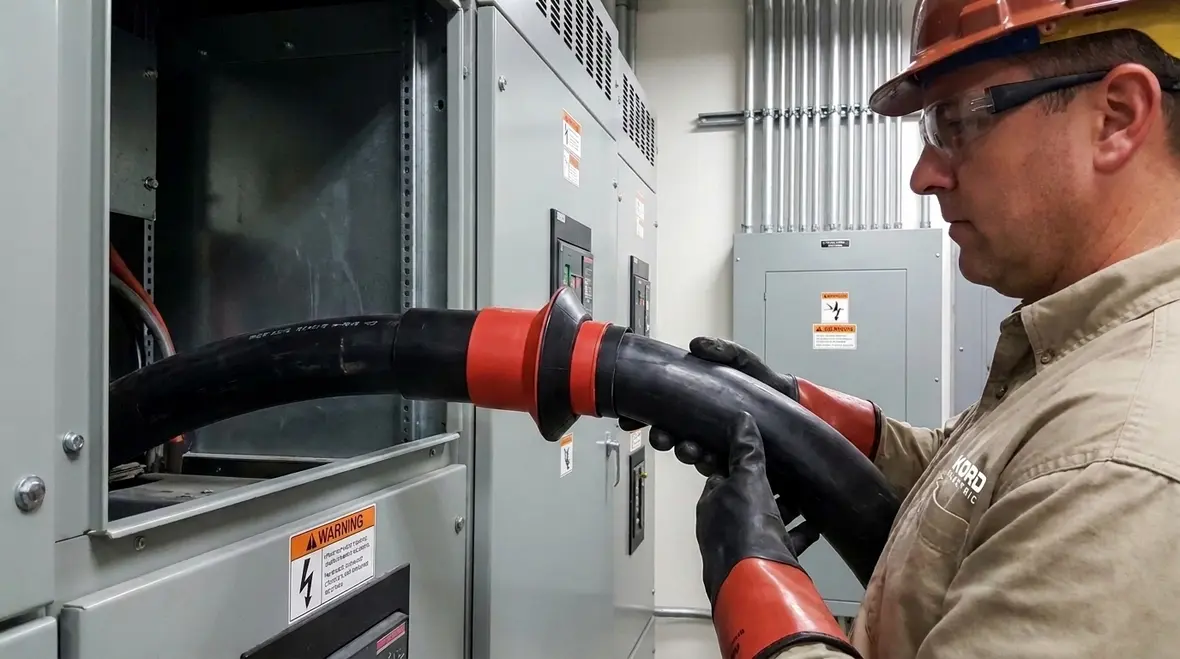
NEC Medium Voltage Cable Scope in 315.1 Explained
Understanding the NEC Medium Voltage Cable Scope in 315.1
In this guide, Kord Electric explains the NFPA 70 Section 315.1 scope that covers what the NEC means for NEC medium voltage cable scope and related installations. We keep it practical for commercial and industrial facilities and major property buildings, because those sites run on schedules, budgets, and the hard truth that outages are expensive. Before we go deeper, we ground the topic in the basics: Section 315.1 sets the boundaries for where this NEC medium voltage cable guidance applies, and where it does not. After that, our technicians and expert service staff help translate the legal language into real-world decisions you can actually make. Think of it as turning a dense rulebook into a map, without pretending we can fix everything with one screwdriver and good intentions.
If you want a broader companion resource on how the National Electrical Code fits together beyond just medium voltage scope, you can pair this guide with our article on Understanding NFPA 70: The National Electrical Code Explained for 2026, which connects scope language to day-to-day decisions for commercial and industrial buildings.
What Section 315.1 Controls and Why It Matters
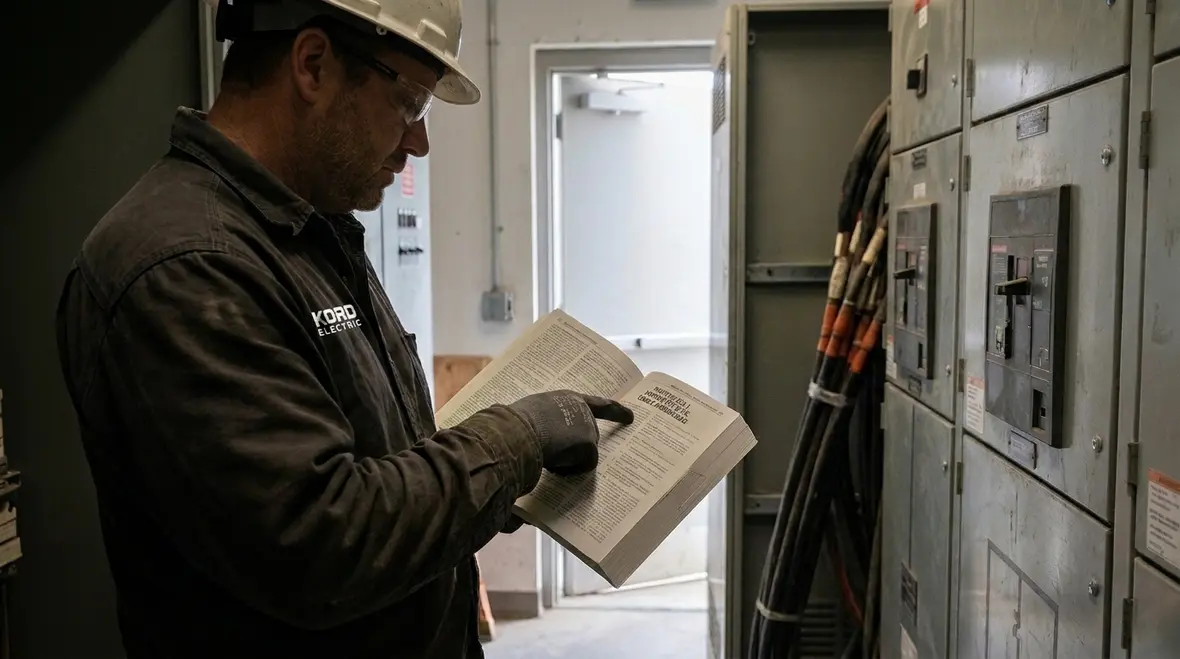
Section 315.1 is not there for decoration. It tells electrical designers, contractors, and facility managers how to handle medium voltage cable rules within the bigger framework of the NEC. In other words, the scope limits where the article applies, so you do not waste time chasing the wrong requirements. This matters because medium voltage systems often connect to switchgear, transformers, motor control centers, and critical building power paths. Therefore, the scope influences safety, installation method, and how inspection teams will judge the work.
In the field, we see two common problems. First, others assume all cables follow the same rules just because the wire looks similar. However, medium voltage systems bring different energy levels and different failure consequences. Second, teams sometimes treat code articles like optional guidelines. Yet when the electrical authority inspects, the conversation stops being “should” and starts being “show me.”
Our technicians and expert service staff explain that scope helps you build a clean compliance plan early, which saves time later. And yes, it also saves meetings that drag on longer than a mystery TV season. Nobody wants a season finale made of paperwork.
For leaders who are planning larger modernization work around these systems, our Commercial Electrical Infrastructure Modernization guide shows how medium voltage decisions fit into broader upgrades, capacity planning, and code alignment across major properties.
How the NEC Connects Medium Voltage Cable Choices to Safety
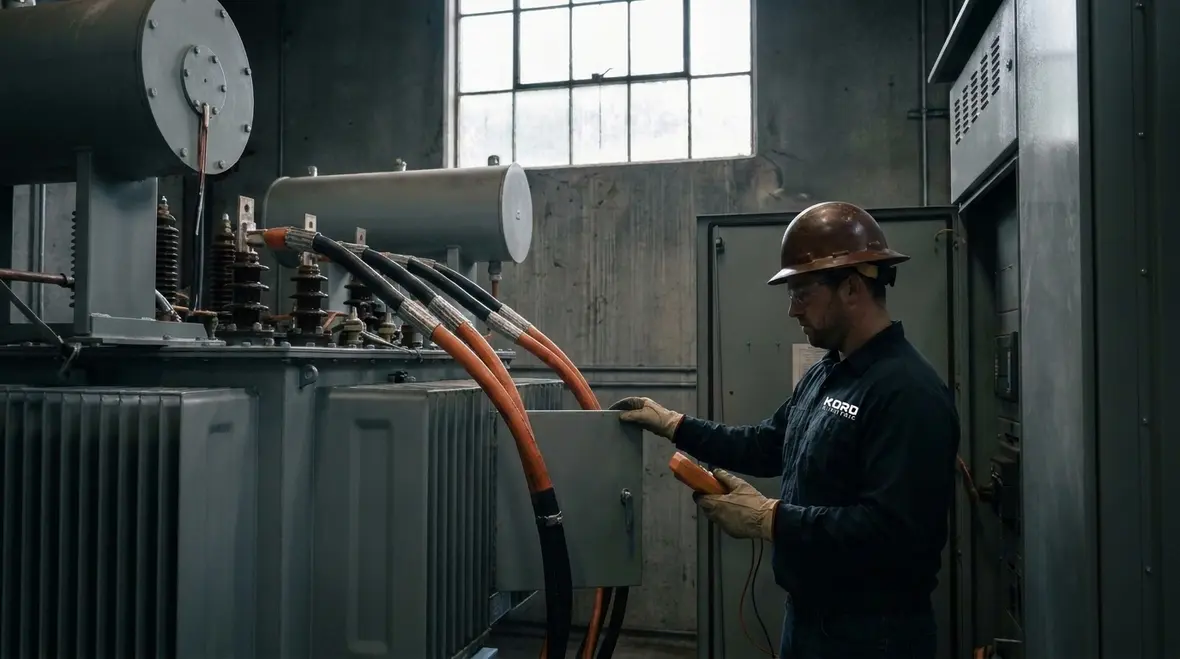
Once you understand what Section 315.1 covers, the next step is linking that scope to installation safety. Medium voltage cable systems work under conditions that demand more than basic workmanship. Consequently, installation details matter: where cables run, how they support, how they separate from heat sources, and how installers protect insulation and terminations. Even small oversights can affect performance over time.
At Kord Electric, we guide teams on how to interpret the code intent for medium voltage cable runs within commercial and industrial settings. Additionally, we help clients coordinate with architects, electrical engineers, and inspectors so everyone uses the same language and requirements. That coordination helps reduce the gap between design drawings and what gets installed.
Our expert service staff also points out that safety is not only about preventing shock. It also includes limiting fault impact, reducing fire risk, and ensuring the system behaves predictably during abnormal conditions. Therefore, the NEC scope in 315.1 acts like a compass: it steers decisions toward predictable outcomes, not guessing.
For many projects, that compass points directly at practical safety practices like the ones we outline in our Fire Prevention in Commercial Electrical Systems guide, where insulation, protection devices, and installation quality work together to reduce risk in everyday operations.
Design and Installation Points That Flow from the 315.1 Scope
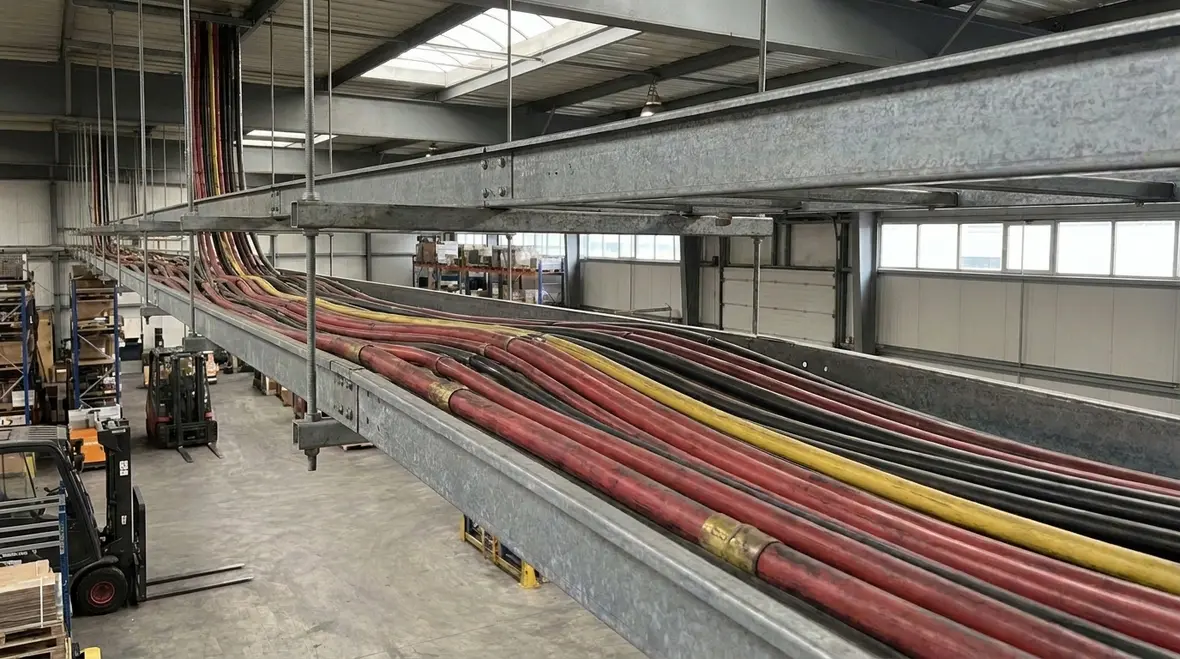
Now we move from “what it says” to “what it changes” in the real world. Because Section 315.1 defines the medium voltage cable article boundary, it influences several design and installation choices. We outline the practical links so teams can plan better.
- Cable routing and protection: Teams select pathways and protection methods aligned with the scope, which affects how cables endure building environments.
- Support and terminations: Installers follow scope-related rules to avoid stress at terminations and to maintain support under service conditions.
- Coordination with other electrical systems: The scope helps teams align medium voltage work with switchgear, grounding, and protective device planning.
- Inspection readiness: When scope drives planning, the documentation and installation details match what inspectors expect to see.
Importantly, we do not treat this as a one-time checklist. Instead, we help clients set up a process where the design team and the installing contractors stay aligned from pre construction through closeout. That approach prevents last minute changes that can turn “tight schedule” into “tight trouble,” which is a phrase we do not use lightly.
That same process driven mindset shows up in resources like our Electrical Infrastructure Upgrade Planning Guide, where planning, documentation, and verification keep complex work moving without turning every inspection into a cliffhanger.
Common Misreads We See in Commercial and Industrial Projects
Even with code education available, misreads happen. At Kord Electric, we address these issues early because they often cause rework, delays, or costly field fixes. For major property buildings, the stakes rise, so we keep the communication direct and the documentation clean.
One misread involves assuming that the “scope” only affects the paperwork. In reality, scope affects installation decisions and how teams verify compliance. Another misread comes from mixing low voltage habits with medium voltage requirements. Teams might use familiar routines, yet those routines may not match what the NEC medium voltage cable scope requires in the relevant article boundaries.
In addition, some teams try to interpret the NEC like a choose-your-own-adventure book. They skip sections, then hope the next rule covers what they missed. Yet code compliance does not work like that. It works like building a bridge: each part has to fit, and the inspector wants to see that the structure follows the design intent and safety logic.
That is why we bring our technicians and expert service staff into the conversation. They explain how to read and apply the rules in plain language, then they help teams execute the work in a way that stands up to scrutiny.
If your team is still getting comfortable with how to navigate articles, parts, and exceptions, our guide on How to Read NFPA 70: National Electrical Code offers a step-by-step way to approach the code so medium voltage scope sections like 315.1 make more sense on the first read.
What Compliance Looks Like on Site, Not Just on Paper
Compliance becomes real when the installation reflects the code scope and the project team can explain the choices. Therefore, our approach focuses on observable practices and clear records. For commercial and industrial facilities and major property buildings, we support planning, installation, testing coordination, and closeout documentation.
Our experts typically help clients verify that medium voltage cable installations align with the NEC medium voltage cable scope by checking the fundamentals that affect long term performance. For example, proper support systems reduce mechanical stress. Correct handling reduces damage risk during pull and termination. Thoughtful separation reduces exposure to heat and other hazards. When these fundamentals work together, the system performs as intended, and the project team reduces avoidable surprises.
Also, we make room for communication. We tell others what matters and why it matters. And if someone asks for a short answer, we give one. If someone asks for a detailed answer, our expert service staff provides it. It is the difference between explaining wiring and explaining wiring like someone might actually be responsible for the outcome.
For facilities that need help connecting medium voltage scope details to everyday operations, our Commercial Electrical Systems for Modern Buildings resource shows how feeders, switchgear, emergency power, and controls interact to keep tenants, processes, and equipment supported without constant firefighting.
Frequently Asked Questions
Final Thoughts and Next Steps with Kord Electric
When your project involves medium voltage cable systems, the NFPA 70 Section 315.1 scope becomes the starting line, not a footnote. Kord Electric helps commercial and industrial facilities and major property buildings interpret the boundaries, plan the work correctly, and execute installations that inspectors can verify. Our technicians and expert service staff explain the rules in plain language and support compliance from design coordination through closeout. If you want fewer surprises and cleaner documentation, contact Kord Electric and let us help you get it right the first time.
For organizations across Southern California, our Los Angeles County electrical services bring this same code conscious approach into full project delivery: from early NEC scope reviews and NEC medium voltage cable scope planning, to energized system support and long term maintenance that keeps critical operations running.


