
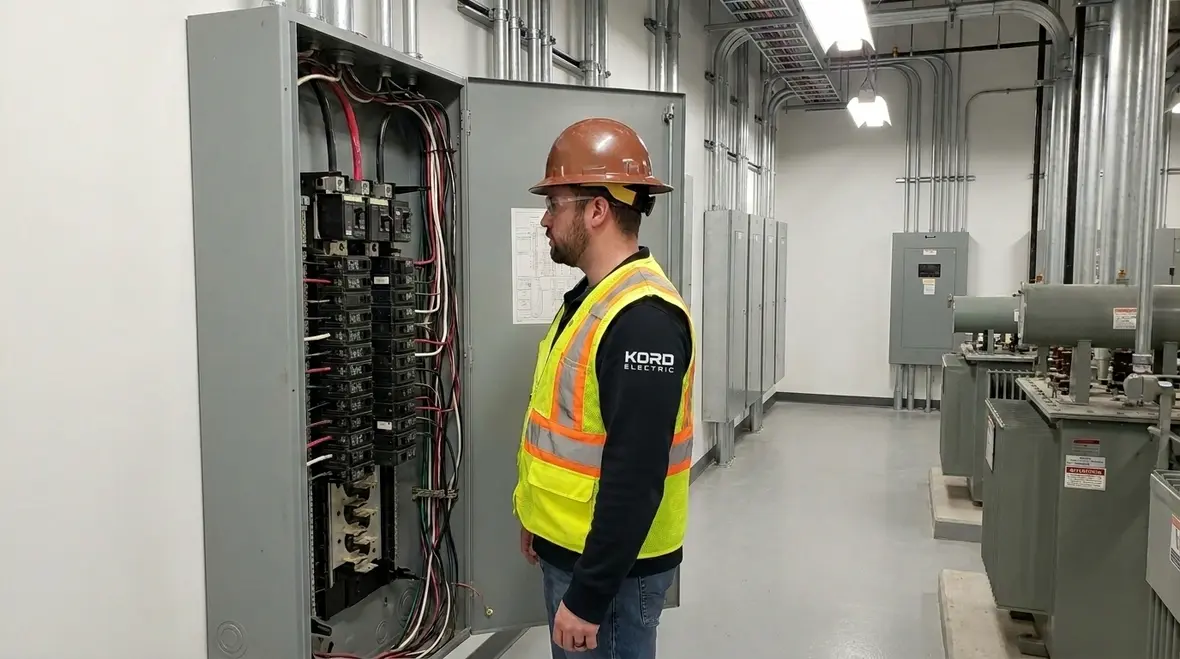
Commercial Electrical Infrastructure Modernization
Modernizing Commercial Power Systems: Where Scaling Starts to Get Real
Commercial power systems do not fail politely. They fail quietly at first, then loudly when the facility can least afford it. That is why commercial electrical infrastructure modernization has to be planned like a business decision, not like a last minute fix. At Kord Electric, we help commercial and industrial facilities, and major property buildings, modernize the electrical backbone that supports growth, higher loads, and new technology.
In this guide, others can expect a clear set of steps, grounded in practical field experience. And yes, our technicians also explain things in plain language, because nobody needs a power system translated into “mystery soup.” Now, let’s get into the essential steps that scale without creating surprise outages.
Step One: Audit the System Like a Professional, Not Like a Guess
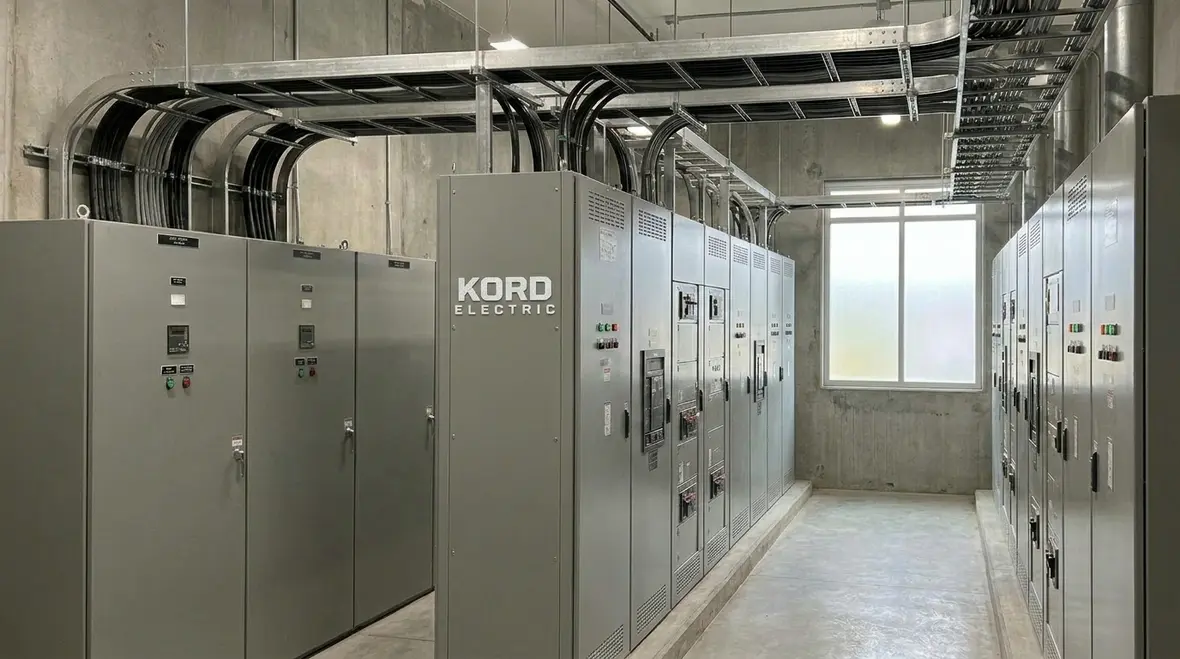
Before a single panel gets opened, we start with an audit that measures reality, not assumptions. Then we map how power actually flows through the facility: utility service, switchgear, transformers, busways, critical feeders, and distribution levels. As we do this, our expert service staff looks for telltale signs that the system already carries more stress than it should.
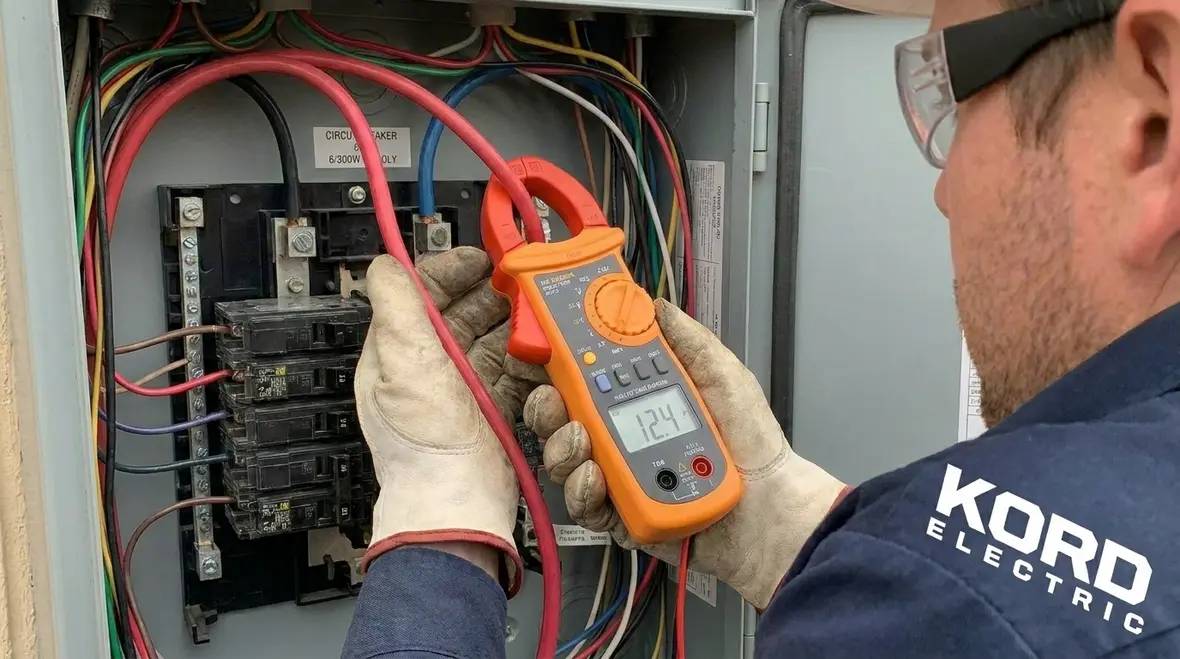
Others often think an audit means taking a few readings and calling it done. However, a useful audit ties together data and condition. For example, we review load profiles across seasons and shifts, check for harmonics and voltage fluctuations, and evaluate protective device coordination so the system trips correctly when it must.
Additionally, we document equipment age, maintenance history, and operating temperature patterns. This makes later decisions easier. And it keeps you from spending money on the wrong upgrades, which is, let’s be honest, the electrical version of buying the wrong charger for your laptop and acting surprised when it does not charge.
Step Two: Plan for Capacity and Growth Without Creating Bottlenecks
Scaling a commercial site requires more than “adding more amps.” We plan the path of growth. First, we forecast future loads: HVAC upgrades, EV charging, process equipment, data center expansions, tenant improvements, and life safety loads. Then we compare that forecast to the available capacity at each level of distribution.
Next, we identify bottlenecks. Sometimes the limit sits at the transformer size. Other times it lives in aging switchgear, undersized feeders, or overloaded busbars. Once we see where constraints exist, we design a modernization path that matches the facility timeline.
To keep operations stable, we also consider phased implementation. That means we upgrade sections without shutting down the whole operation. In turn, this reduces downtime risk and keeps the building functioning while improvements progress. And when disruptions show up, our team communicates clearly so facility managers can plan around them.
Connecting Modernization to Real-World Power Quality Issues
When we map capacity and growth, we also evaluate how existing issues like unstable voltage or harmonics could affect the next phase of expansion. If your facility already struggles with nuisance trips, flickering lighting, or sensitive equipment failures, tackling those problems as part of commercial electrical infrastructure modernization prevents you from scaling existing headaches. For a deeper dive into how voltage instability affects commercial and industrial environments, you can explore Kord Electric’s resource on managing voltage fluctuations in commercial and industrial facilities.
Step Three: Upgrade Protection, Coordination, and Selectivity
Modernization fails when protection devices work like random guesswork. So we focus on protective device performance and coordination. In plain terms, we want the right breaker to trip, for the right reason, at the right time. That is called selectivity, and it matters most in commercial electrical infrastructure modernization because it protects critical loads and limits outage spread.
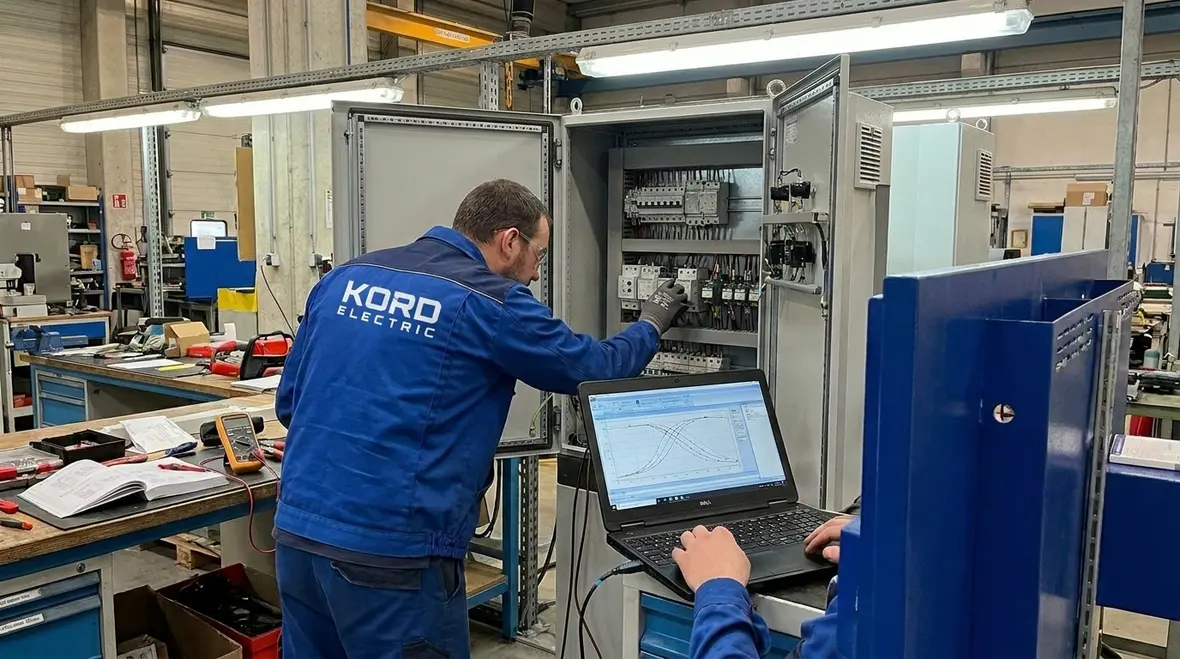
Our technicians review relay settings, breaker timing, and coordination curves. Then we confirm that protective devices respond correctly under both normal and fault conditions. When equipment ages, trip curves drift and settings get changed over the years, often by well meaning people during emergencies.
After that, we test and verify. We do not just install and hope. We confirm that discrimination works between upstream and downstream devices. That way, a fault in one area does not take down an entire building wing. The facility stays operational, and operations people keep their sanity. (They are usually already running on “coffee and vibes,” so we help with the vibes.)
Step Four: Improve Reliability with Better Distribution and Power Quality
Once protection is set, we shift to reliability and power quality. Modern systems must handle today’s loads, which include variable frequency drives, modern lighting, server farms, and building automation. These loads can introduce harmonics and cause overheating, nuisance tripping, and premature component wear.
In our work, we evaluate voltage regulation, total harmonic distortion, and grounding performance. Then we address issues through targeted improvements like busbar upgrades, conductor optimization, transformer loading adjustments, and power quality mitigation where it makes sense. When upgrades support the equipment’s actual needs, the facility runs more smoothly and with fewer surprises.
We also consider redundancy for critical circuits, especially for major property buildings that host essential operations. That might include alternate feeds, transfer schemes, and better monitoring. As a result, your facility does not rely on a single point of failure. And when something goes wrong, operators can identify the problem faster and restore service sooner.
If you want a clear view of how this connects to data center level needs, our team also covers data center electrical infrastructure essentials in our resources. You can dig deeper into that topic in our dedicated article on data center electrical infrastructure essentials, where we apply the same discipline we use across other commercial and industrial environments: measured planning, proper design, and field verification.
Linking Reliability Upgrades with Preventive Maintenance
A more reliable distribution system is only as strong as the maintenance strategy that supports it. When we upgrade busways, transformers, or distribution panels, we also recommend preventive maintenance aligned to those assets. That can include infrared inspections, torque checks, and periodic testing to catch issues before they trigger downtime. For facilities that want a structured, long term plan, Kord Electric’s guide on commercial and industrial electrical maintenance plans outlines how to keep critical systems healthy year after year.
Step Five: Bring Controls, Monitoring, and Documentation Up to Modern Standards
Here is where modernization starts to feel less like construction and more like control. Facilities scale best when they can see what the electrical system is doing in real time. Therefore, we upgrade metering, controls, and monitoring, then we integrate it into the building’s operations so stakeholders can make informed decisions.
Our technicians and expert service staff walk clients through the “why” behind each change. They explain how monitoring helps prevent problems and how alarms should be set so they alert the right people for the right conditions. Then we help teams understand what the numbers mean, which reduces confusion when the system signals an issue.
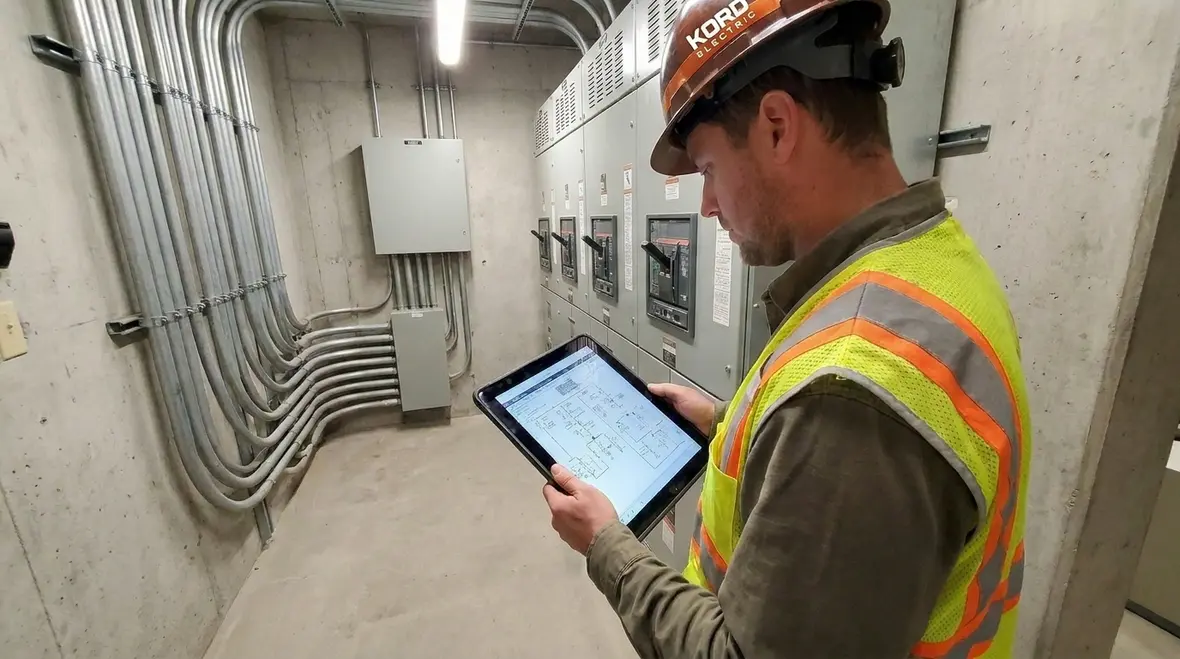
Also, we update documentation. That includes as built drawings, one line diagrams, relay settings records, and maintenance procedures. When facilities grow, documentation gaps become costly. Instead of troubleshooting in the dark, your staff gets a clear map of how everything works. And that turns an emergency into a planned response, which is a far better business outcome.
For extra smooth scaling, we recommend a maintenance strategy aligned to the new equipment and its operating environment. Then we help schedule testing and inspections so the system remains dependable as loads increase.
From Raw Data to Actionable Electrical Intelligence
The real value of modern controls and monitoring shows up when your team can act on trends instead of reacting to alarms. By correlating load data with operating schedules, for example, facilities can shift non critical loads, refine demand response strategies, or plan future commercial electrical infrastructure modernization work in a way that avoids peak disruptions. Over time, your electrical system stops being a black box and becomes a transparent, manageable part of your business strategy.
Step Six: Execute Safely with Phased Work, Testing, and Clear Communication
Commercial and industrial modernization means working around schedules, people, tenants, and production. So we execute with safety and sequencing. First, we build a phased plan that avoids critical disruptions. Then we coordinate outages, temporary power needs, and switching procedures.
Next, we verify every step. That means insulation testing, continuity checks, functional tests for relays and controls, and commissioning where required. We also confirm torque values, labeling, and workmanship details, because small issues can grow into big failures later.
Meanwhile, we keep the facility team informed. Others might treat communication like a courtesy. We treat it like part of the installation. When our expert service staff shares what is happening, what to expect, and how long it will take, operations teams can plan instead of panic.
And yes, sometimes a phased job feels like a real life game of chess. But unlike chess, you do not have to sacrifice a knight. You just follow the plan.
Safety, Compliance, and Long-Term Reliability
Every modernization project has three non negotiable goals: protect people, protect property, and protect uptime. That means adherence to NFPA 70, local codes, and internal safety policies at every step, backed by documented testing and verification before systems are put into service. When commercial electrical infrastructure modernization is executed this way, the result is not just new equipment, but a safer, more predictable operating environment.
What Kord Electric Delivers for Commercial and Industrial Facilities
Commercial electrical infrastructure modernization needs a team that understands both engineering and how buildings operate day to day. Kord Electric focuses only on commercial and industrial facilities and major property buildings. That focus keeps our recommendations practical and aligned with business goals.
We bring skilled technicians, experienced project coordination, and an expert service staff that explains the work in straightforward terms. As a result, our clients understand what changes are coming and why. Then they can approve upgrades confidently, instead of hoping everything “works out.”
Ultimately, our aim is to help facilities scale with safer protection, better reliability, and power quality that supports modern equipment. When the electrical system keeps up, the rest of the business moves with less friction.
Modernization Backed by Dedicated Commercial Services
Because our team works every day in offices, industrial plants, campuses, and major property buildings, we design projects that respect how commercial spaces truly operate. That includes after hours work, careful coordination with other trades, and sequencing around production schedules. To see how this mindset extends across our broader offerings, you can review our overview of Kord Electric reliable electrical services, which highlights how we support government, commercial, and industrial clients with the same disciplined approach.
Related Services for a Complete Modernization Strategy
In many facilities, commercial electrical infrastructure modernization goes hand in hand with upgrades to EV charging, lighting, and ongoing preventive maintenance. When a modernization project includes new EV charging capacity, for example, Kord Electric’s dedicated EV charger installation services ensure that new loads are integrated safely and in full compliance with code. For facilities that want to extend the life of their investment, our electrical preventive maintenance programs provide structured inspections, testing, and reporting that keep systems dependable long after the project wraps.
FAQ
Conclusion: Ready to Scale Without Electrical Surprises?
If your commercial or industrial facility plans to grow, Kord Electric can help you modernize the electrical foundation with a safe, phased approach. We audit the real system, plan for capacity, improve protection and power quality, and verify performance through testing. Then our technicians and expert service staff explain the changes clearly so your team can operate with confidence. Call Kord Electric today to schedule a site assessment and build a modernization roadmap that fits your schedule and your business goals.
Whether you are planning EV infrastructure, lighting upgrades, or a full commercial electrical infrastructure modernization, the right partner turns complex power systems into a clear, manageable path forward. Kord Electric is ready to walk that path with you.


