Warehouse Lighting Energy Efficiency Strategies
Warehouse lighting energy efficiency strategies that start paying off fast
Large warehouses waste power the same way a leaky faucet wastes water: quietly, daily, and with no applause. At Kord Electric, we use warehouse lighting energy efficiency strategies to cut energy use without cutting safety. We start with smart upgrades that fit real dock traffic, aisle height, and maintenance schedules. Then we pair better fixtures with controls and a plan to keep performance steady over time. Our team walks through the options in plain language, and our technicians explain what changes do, why they matter, and how long the savings usually take to show up. Of course, no one wants a lighting project that turns into a “great suspense” movie. We keep it practical, documented, and calm.
How we assess a warehouse lighting system before changing anything
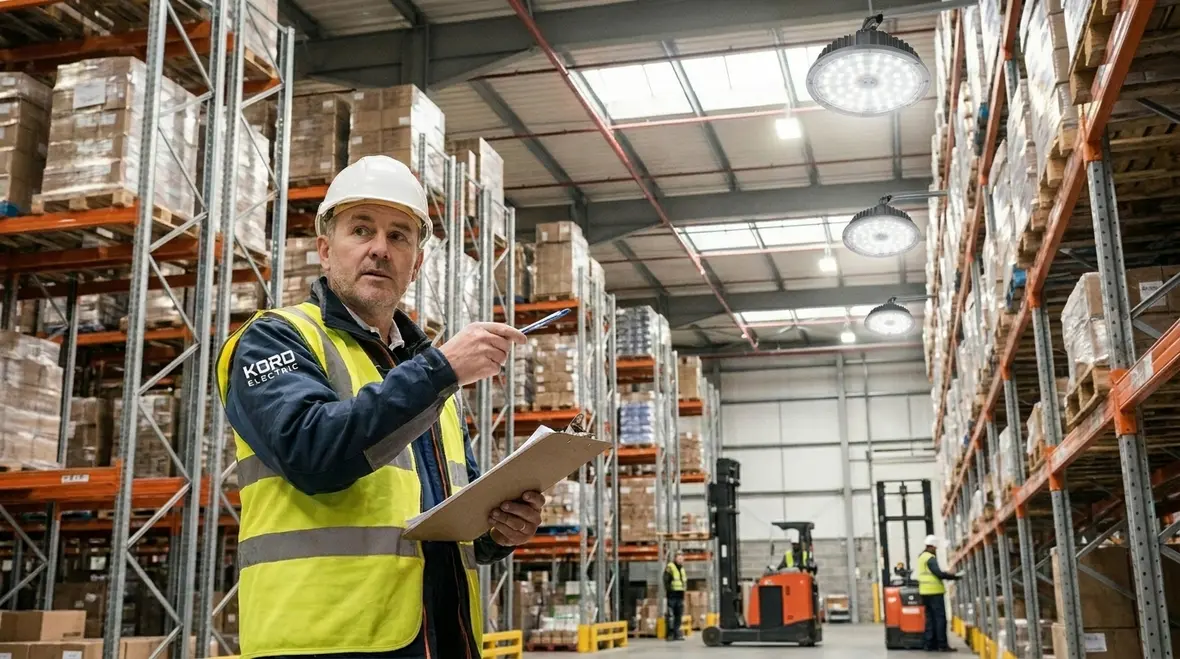
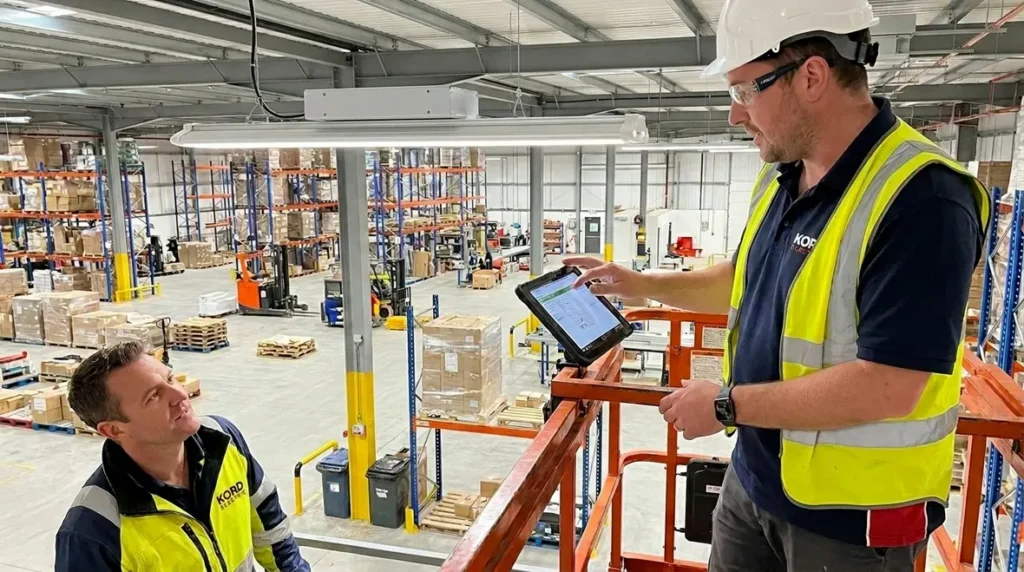
First, our experts treat the lighting system like a living network, not a pile of fixtures. They review the current layout, mounting heights, reflector conditions, and beam angles. Next, they check distribution boards, dimming compatibility, and how often lights cycle during loading and shift changes. Because warehouses run on schedules, our approach also tracks operating hours and zone usage.
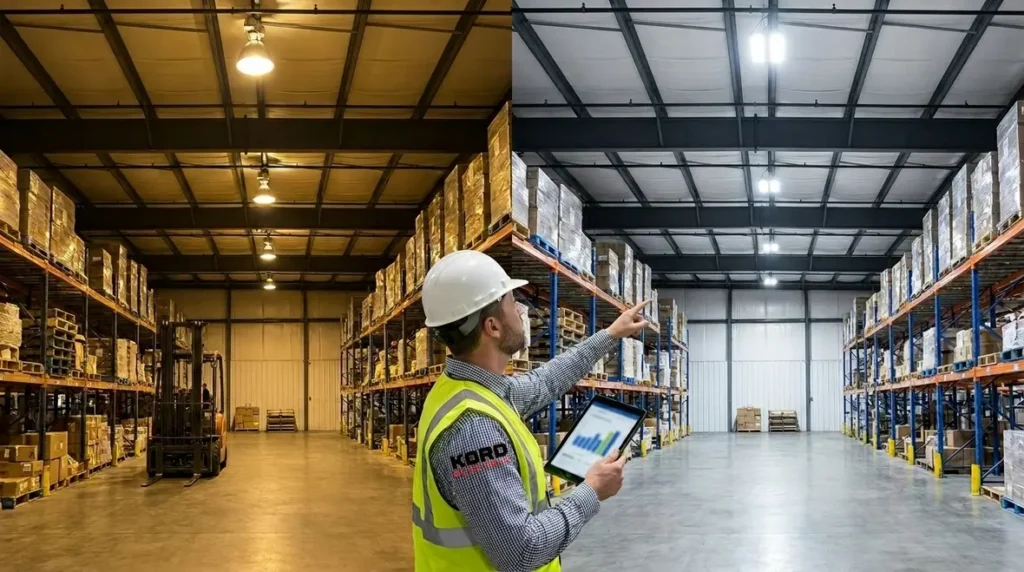
Then we look for the usual culprits. Older lighting often loses output over time, and dirty lenses reduce effectiveness. Also, uneven illumination creates “hot spots” near skylights and “dark pockets” in interior lanes. As a result, teams compensate by adding work lights, which costs money and can confuse traffic flow. Our technicians explain what they find and how the upgrade will support safe movement, efficient picking, and compliance expectations for commercial and industrial facilities.
Finally, we confirm the building’s realities. If a warehouse has harsh ambient light, we plan controls accordingly. If it uses high bays in multiple wings, we sequence the work to avoid shutting down everything at once. We do not guess, and we do not pretend the same solution fits every property.
Which lighting upgrades deliver the best efficiency per dollar
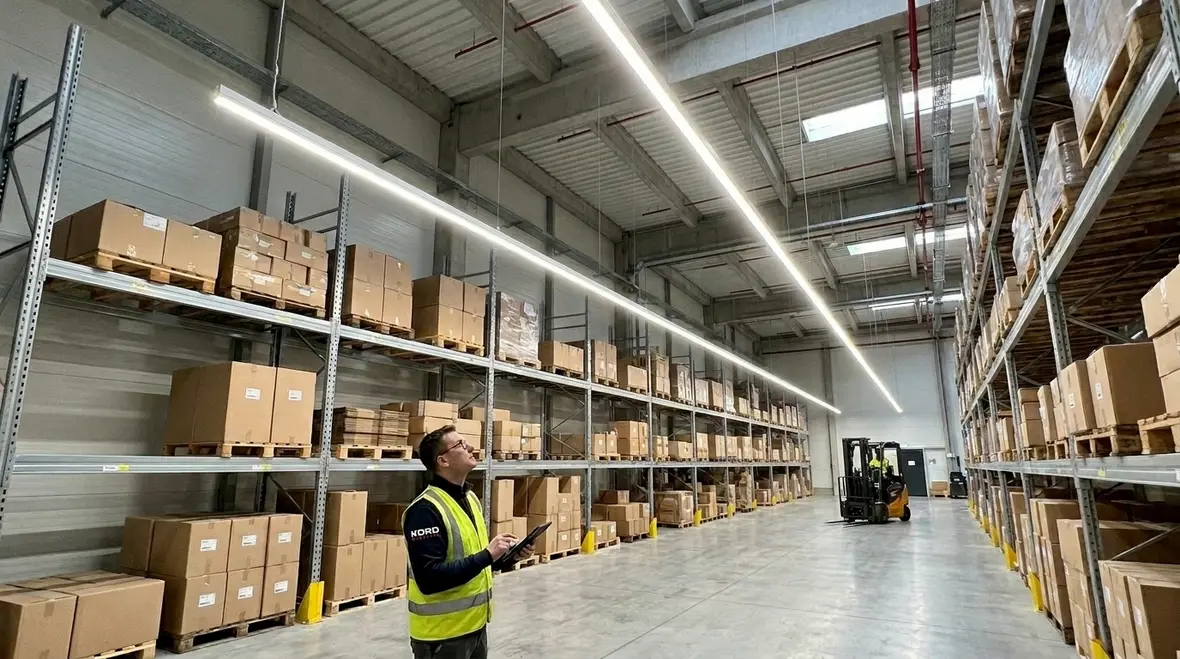
Once the assessment finishes, we recommend upgrades based on where the biggest gains come from. For many large warehouses, the biggest return starts with high output, energy saving LED systems designed for high bays and aisle coverage. However, we do not just “swap lamps.” We match fixture optics to aisle width and task distance so light reaches the floor where it counts.
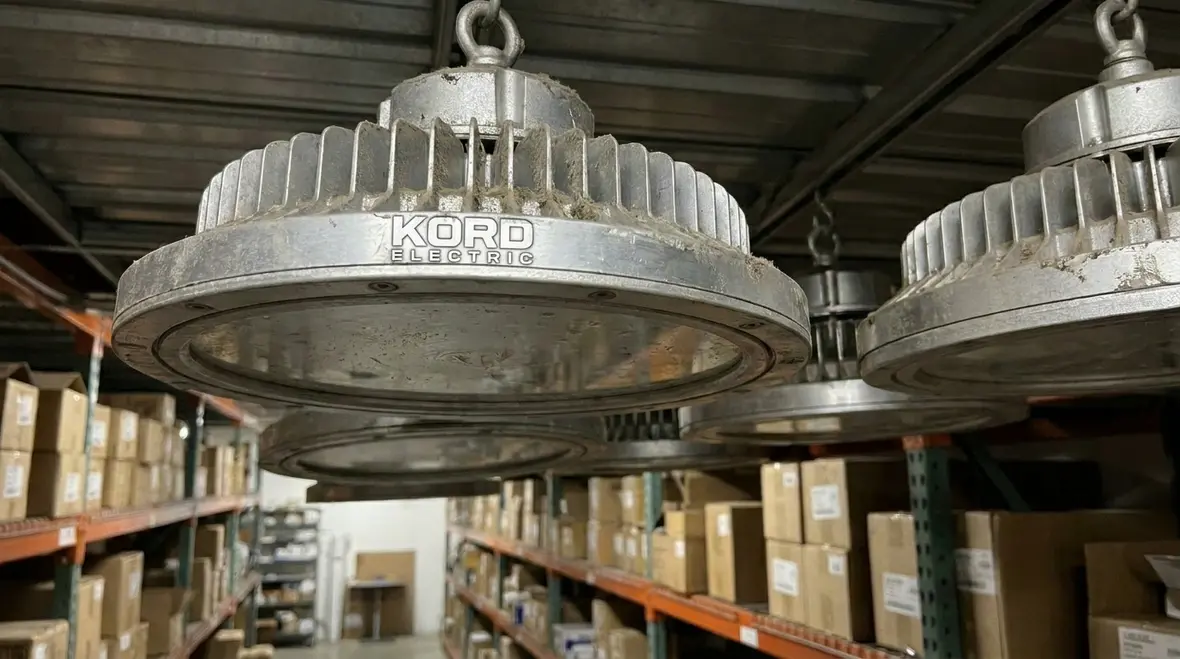
Next comes lumen maintenance. In dusty spaces, fixtures can lose performance faster than in offices. Therefore we select solutions with proper sealing and cleaning strategy guidance. Even the best LED loses value if it is wrapped in grime, like a coffee cup nobody rinses. Our technicians help set a practical cleaning interval that supports stable output.
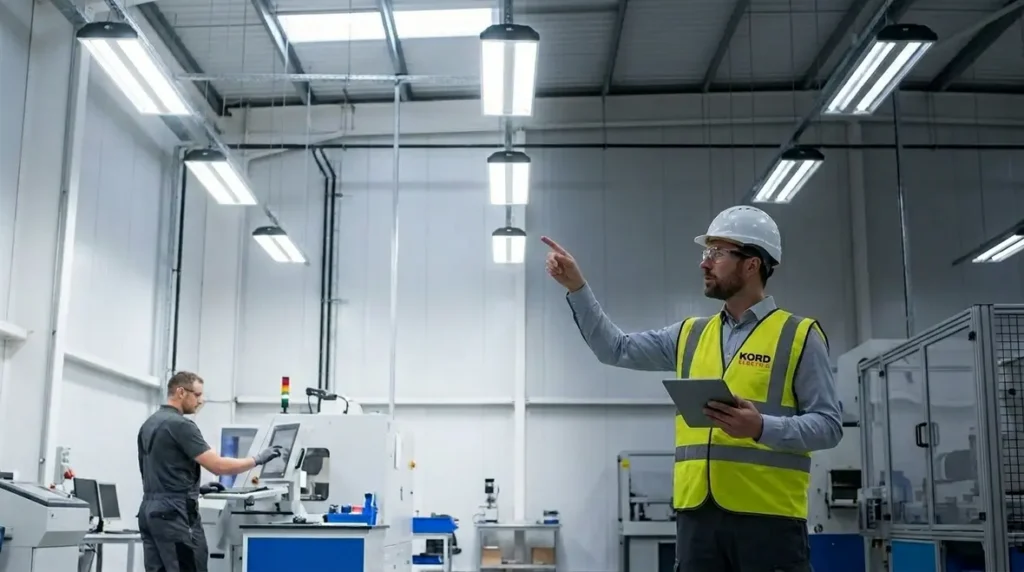
Then we address glare and uniformity. Poor optics can create reflections on glossy packaging or uncomfortable contrast for forklift operators. So we tune layouts and consider diffuser needs or shielding where appropriate. When the distribution improves, teams work faster and safer, and the building stops “paying twice” through extra task lighting or unsafe workarounds.
We also evaluate retrofit options versus full replacement. Retrofit can work when drivers and wiring conditions remain healthy. Full replacement can be the better choice when components are near failure. Our staff walks through the tradeoffs and explains what to expect in cost, downtime, and long term performance. For facility teams exploring broader budget planning, resources like the Commercial Lighting Upgrade Cost Guide help connect project scope with long term savings.
Controls and zoning: the hidden win inside warehouse lighting energy efficiency strategies
Lighting upgrades feel great, but controls turn good lighting into efficient lighting. As lighting experts, we see many warehouses lighting the whole building at full power when only parts are in use. That is where zoning and smart dimming help.
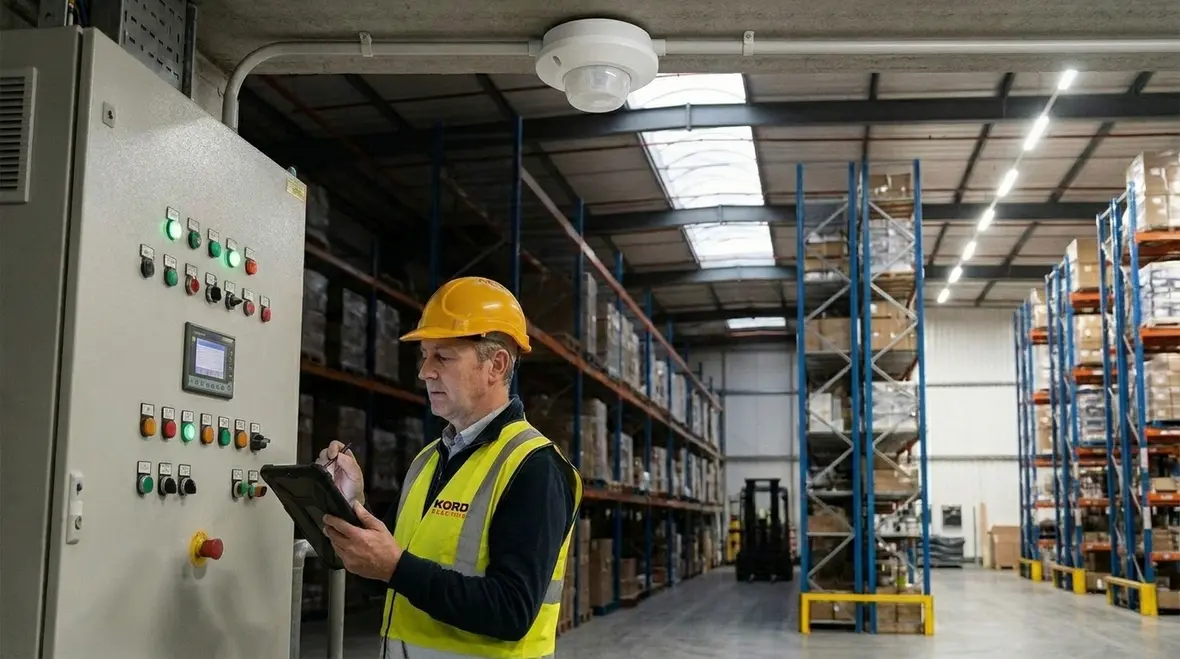
We design control strategies by operating zones. For example, loading docks need reliability and consistent output during active shifts. Meanwhile, storage rows may only need full output during picking and restocking. So we reduce levels in low activity zones and restore full brightness when motion or schedules trigger it.
We also plan daylight response when skylights or large side openings exist. Of course, daylight can be like a pop song that starts too early and ends too late. It changes through the year, and it changes through the day. Controls help prevent over-lighting when the sun does the heavy lifting.
Motion sensing and scheduled overrides also matter. We configure them so staff does not feel like the lights are playing games with their eyes. Then we set rules for minimum light levels to support safety and code expectations. Our technicians explain how the system behaves during different conditions, so your team knows what to expect and does not “fight the controls.”
Because warehouses run on speed, we integrate controls with an upgrade plan that reduces surprises. We document settings and labeling so future maintenance stays simple. For properties in California, aligning these strategies with Title 24 expectations and resources such as our Commercial Lighting Compliance in California guide keeps energy savings and code requirements on the same page.
Preventive maintenance keeps efficiency from drifting away
Even the best retrofit can lose efficiency if the system declines unnoticed. That is why we lean on preventive maintenance for commercial and industrial sites, following the same principles described in our approach to electrical preventive maintenance: we focus on inspection, performance checks, and early correction before small issues turn into major downtime.

As time passes, components wear, drivers age, and connections loosen. Then lamps dim or flicker, and operators start turning things up to compensate. In other words, the building slowly “reverts” to wastefulness unless someone stops it. Our expert service staff schedules inspections that match how your warehouse operates, so maintenance does not disrupt shipping and receiving.
During these visits, we verify fixture performance trends, check control wiring and sensors, inspect connections, and review panels that feed lighting loads. We also look for signs of moisture, heat, and dust intrusion. Then we help you keep records that make it easier to budget and plan.
When our technicians explain findings, they connect them to real outcomes: less flicker, more consistent brightness, and fewer service calls. This is not just about avoiding failure. It also helps sustain lighting efficiency so your energy savings remain stable, not temporary.
Managing downtime, safety, and project sequencing at scale
Large warehouses cannot pause their entire operation just because a lighting plan is on the calendar. So we plan sequencing like we plan logistics. First, we map the areas by usage intensity and risk level. Next, we schedule work during slower shifts or planned shutdown windows when possible.
We also coordinate with your site leaders to protect walkways, dock zones, and forklift routes. Because safety is not optional, we keep work areas contained and clearly labeled. Our technicians use proper lockout and follow procedures that match industrial expectations.
Then we test systems in phases. That way, we confirm lighting performance before moving on. We verify dimming response, sensor coverage, and zone transitions so the building does not end up with “mystery darkness.” If a zone needs adjustment, we make it early rather than after everything is closed up.
Finally, we wrap with documentation and training in plain language. We explain what we changed, what settings matter, and how to spot early warning signs. Because the fastest way to lose savings is to ignore the system after installation. And nobody wants to become a modern-day ghost who checks the lights only when something is already broken.
FAQ
Why Kord Electric is the partner for commercial warehouse lighting
When a large warehouse needs better lighting, we do more than install fixtures. We analyze, design, and maintain a system that supports safety and stable energy savings. Our technicians explain each step in clear terms, and our service approach aligns with proven electrical preventive maintenance practices. If you want a lighting upgrade that stays efficient long after the ribbon cutting, contact Kord Electric today. We will review your needs, recommend practical options, and help you move forward with confidence. To see how these projects scale across facilities, you can also explore our dedicated Lighting Installation Services for commercial and industrial properties.
Whether you are planning a focused warehouse retrofit or evaluating portfolio-wide upgrades, combining smart fixtures, thoughtful controls, and disciplined preventive maintenance turns warehouse lighting energy efficiency strategies into real, dependable savings. And when you are ready to put those plans into motion, Kord Electric’s commercial and industrial lighting team is prepared to help you design, install, and maintain a system built for long-term performance.