

Industrial Electrical System Expansion Guide Planning
When a commercial or industrial facility grows, the electrical system has to grow with it. To help our clients move from “we think we need more power” to “we have a plan that works,” Kord Electric follows an industrial electrical system expansion guide during every expansion from early load mapping to final commissioning. This guide leads decisions step by step, including how we study current demand, how we forecast future loads, and how we design equipment so it can handle real world conditions. And yes, we also remind people that electricity does not care about optimism. It cares about calculations.
Industrial load planning for a facility that will grow
As facilities scale, electrical load changes in predictable ways and unpredictable ways at the same time. So we start by tracking what is already happening, not just what the spreadsheet says. We ask others in the operation team what is changing first: production schedules, new HVAC zones, more lifts, additional compressors, or added process lines. Then we compare that information to real usage data from metering and submetering where it exists.
Next, we forecast growth using practical assumptions. For example, a machine that runs twice as long does not always double its demand during startup periods. Meanwhile, motors, drives, and thermal loads can create spikes when you least want them, like a pop quiz during a board meeting. Our technicians explain those differences in plain terms, and they keep the conversation grounded in measurable outcomes.
From there, we translate load forecasts into an electrical plan that fits the site. We evaluate the capacity of utility service, switchgear, transformers, panels, and branch circuits. Then we look at distribution paths and protection coordination, because a system can have enough power on paper and still fail in the field.

How we build a future ready electrical architecture
Once the load picture gets clearer, we design the architecture to handle it without forcing constant rewrites. Therefore, our approach focuses on system “headroom” where it makes sense. That means we size transformers and switchgear with realistic growth, specify bus ratings that match the full load profile, and choose conductor sizes that can handle both steady operation and short duration surges.
We also plan for operational flexibility. For instance, when future tenants or departments increase load, the facility should not require full shutdown just to reconfigure distribution. We use staging strategies such as adding spare capacity, planning feeder routes early, and preparing switchgear for expansion. In many projects, this work saves months later, and it prevents the classic situation where everyone discovers the new equipment needs power after it is already installed.
In addition, we address power quality and controls. Drives, welding systems, and high frequency equipment can introduce harmonics and voltage dips. So we evaluate existing power quality and plan mitigation where needed, such as harmonic reduction methods or improved grounding and bonding practices. Our expert service staff walk through options and explain tradeoffs so decision makers can choose confidently.
What data matters most before we add capacity
Planning becomes easier when the right data exists. However, many facilities do not have it in one convenient place. So we start by collecting and validating what we can, then we fill gaps with targeted testing. We typically review utility bills, one line diagrams, previous change orders, and as built documentation. Then we confirm actual equipment ratings and operating schedules.
We also perform load studies and equipment assessments. That includes checking motor nameplate data, analyzing time of day demand, and confirming transformer loading in peak windows. If the facility has critical systems, we include those too, because life safety and continuity requirements affect how capacity should be delivered.
Next, we validate protection performance. We examine breaker settings, fuse coordination, and selective tripping needs. Then we evaluate grounding and bonding because expansion often changes how current travels through metallic systems. In other words, we do not just add capacity. We make sure the system behaves safely when something changes fast.
Upgrading service, switchgear, and transformers without surprises
Electrical expansion work can feel like replacing tires while the car is still driving. So our technicians plan for transitions, outages, and commissioning windows from the start. We look at utility service capacity first, because if the service point cannot deliver more, downstream upgrades will not solve the root limitation.
When the utility needs updates, we coordinate the timeline and requirements early. Then we evaluate existing switchgear. Some facilities can add sections or integrate new distribution. Others need complete replacement due to bus rating, age, or outdated protection design. We explain the options clearly, and our expert service staff provide realistic schedules based on equipment lead times and field conditions.
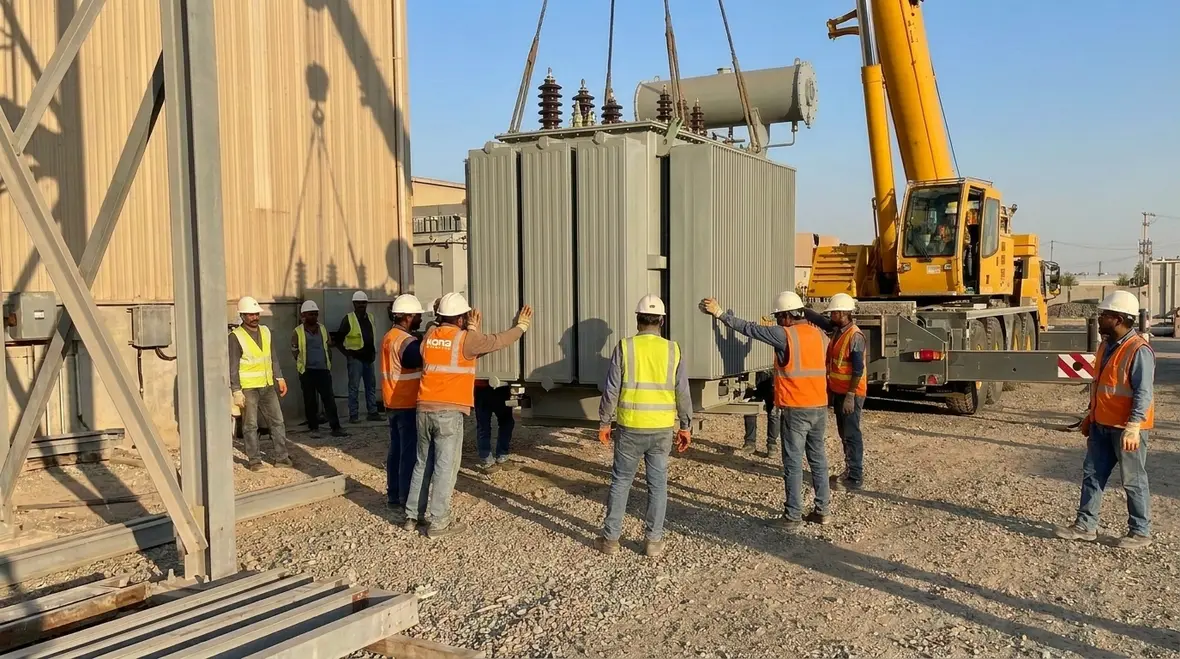
Transformer upgrades often become the turning point in a project. We size transformers based on predicted load growth, not just present-day amperage. Meanwhile, we consider temperature rise, ventilation, and loading patterns. We also account for inrush during startup and how multiple loads might start together. That is where good engineering prevents nuisance trips and protects equipment.
Finally, we verify performance through testing. So we commission new feeders and panels, confirm phase balance, and check protective device operation. We document results in a way that operations teams can use later. That way, when future upgrades happen, everyone starts with solid information, not guesses.
Conductor, panel, and feeder planning for reliable distribution
Now we move deeper into distribution details, because this is where most “almost good enough” designs quietly fail over time. Therefore, Kord Electric designs conductor and feeder layouts to meet load requirements with appropriate derating and installation considerations. We also evaluate voltage drop across long runs. If voltage falls too much, motors run hotter, controls become unstable, and efficiency drops. Then your maintenance budget starts doing more cardio than it should.
We choose panelboards and distribution equipment based on actual load categories. Some loads behave like steady workhorses. Others are spiky and sensitive. So we plan separate circuits, proper breaker types, and appropriate neutral sizing. For three phase systems, we balance phases to reduce uneven heating.
Next, we address labeling and identification. It sounds small, but it helps operations teams troubleshoot faster when something changes. Our technicians label correctly and coordinate numbering so the facility can support itself after construction. We also plan spare breaker spaces and reserved conduits when the facility likely grows again. That spare capacity often becomes the difference between a smooth second expansion and a chaotic third one.
Commissioning, safety checks, and training after expansion
Even a well designed system can perform poorly if it is not commissioned and understood. So we bring the project together with safety checks and verification steps. We confirm insulation resistance, test protective device settings, and check correct phasing at every new connection. Then we verify that emergency and critical circuits behave as required, including proper operation during transfer events where applicable.
We also review arc flash and safety labeling needs when expansion changes fault levels. Then we ensure that operating procedures match the updated system. This is where education matters. Our expert service staff do walkthroughs with the client team, explaining what changed and how it impacts day to day operation. They also cover what warning signs look like, how to respond to nuisance alarms, and when to call for service before a small issue becomes a big one.
Finally, we hand over clean documentation. That includes updated one line drawings, equipment schedules, test reports, and commissioning notes. So when another change request arrives months later, the team is not stuck trying to reverse engineer the past.
FAQ about industrial electrical system expansion planning
Related resources for industrial electrical planning
If you are mapping your own industrial electrical system expansion guide, it helps to see how related systems behave over time. For example, long term reliability depends on more than new gear. It also relies on ongoing maintenance and power quality. Our blog on commercial and industrial electrical maintenance plans walks through how preventative programs keep new infrastructure performing as designed. Likewise, if your expansion includes significant lighting changes, our lighting installation code compliance guide explains what inspectors focus on when they evaluate upgraded spaces.
Many facility managers also pair expansion projects with targeted improvements that solve known issues. For instance, if you have already seen flicker or nuisance trips during production peaks, our overview of voltage fluctuations in commercial and industrial facilities outlines how we diagnose and correct unstable power before new loads come online. And when new circuits support specialized environments—such as commercial kitchens or high density workspaces—articles like our commercial kitchen electrical upgrades and wiring guide show how we balance capacity, safety, and code requirements in demanding spaces.
Ready to scale up with a plan that holds
When a facility grows, the electrical system has to keep pace without guesswork. Kord Electric helps commercial and industrial teams plan capacity, upgrade service and distribution, and commission everything so it works the way it was designed. If your project involves new production lines, upgraded HVAC, major tenant changes, or a large property expansion, we can map the electrical path early and build a future ready design. Contact Kord Electric today to start an electrical load planning conversation with our technicians.
If you are in the early planning stages and need help turning ideas into a defined scope of work, our team can align your industrial electrical system expansion guide with real-world services. From electrical preventive maintenance that protects new infrastructure to emergency electrical services that keep critical operations online during unexpected events, we support the full lifecycle of commercial and industrial systems.
When you are ready to move from “we think we need more power” to “we have a documented plan and a schedule,” Kord Electric is ready to help design, install, and maintain an expansion that holds up under real conditions.


