
NFPA 70 Section 315.3 NEC MV Reconditioned Equipment Compliance
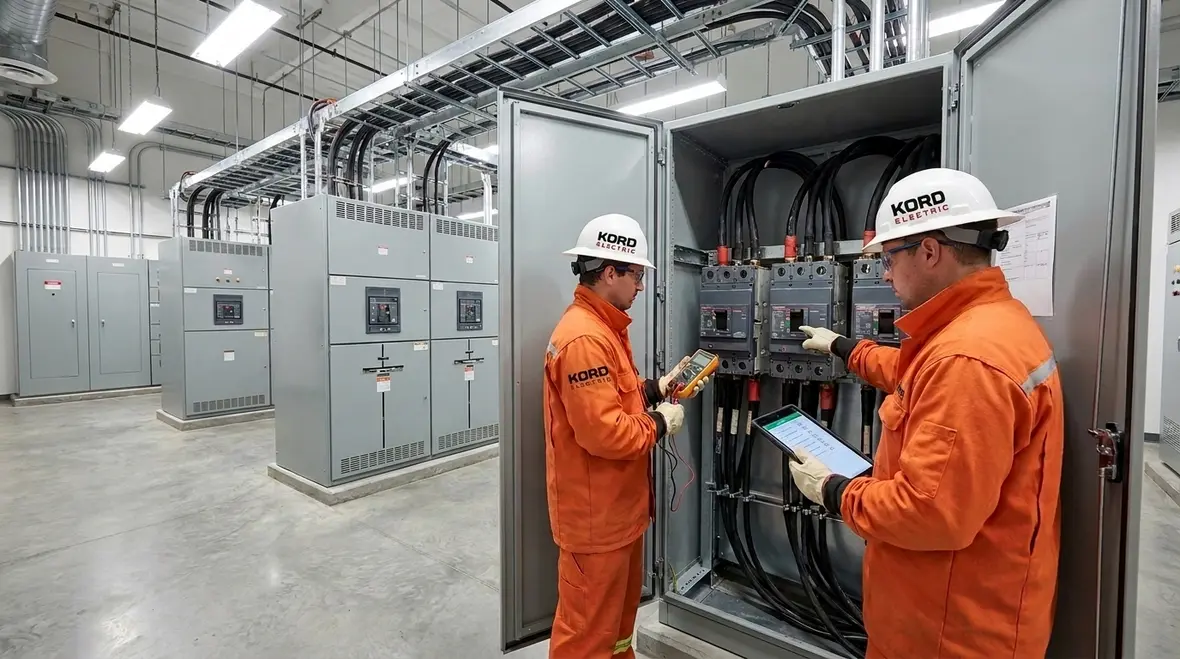
NFPA 70 Section 315.3 sits at the heart of how we handle NEC MV reconditioned equipment for commercial and industrial facilities. At Kord Electric, we support major property buildings by getting medium voltage gear back to a safe, usable standard, and we do it the right way. In the first step, our technicians follow the requirements in NFPA 70 Section 315.3 — Reconditioned MV Equipment per NEC so the gear meets NEC rules after it is serviced, rebuilt, or repaired.
Now, nobody wants to treat electrical gear like it is a thrift store find. However, when done correctly, reconditioning can be a smart path. Then again, done poorly, it turns into the kind of problem that shows up at the worst possible time, like a pop quiz you never studied for. We avoid that by working methodically, documenting the work, and verifying the results before equipment returns to service.
What NFPA 70 Section 315.3 really requires
NFPA 70 Section 315.3 focuses on how reconditioned medium voltage equipment must be handled so it stays compliant after service work. In plain terms, it does not let anyone simply clean, replace a few parts, and call it good. Instead, it pushes us to evaluate the equipment condition and make repairs or adjustments based on what the NEC expects for safe operation.
To explain it clearly, our expert service staff walks clients through the “before, during, and after” process. First, we assess the equipment condition and identify what needs correction. Next, we perform the reconditioning work using procedures that maintain or restore the equipment to an accepted standard. Finally, we confirm the equipment can perform safely through testing and inspection.
For commercial and industrial facilities and major property buildings, this matters because the stakes are high. Medium voltage equipment supports critical loads. Therefore, compliance is not a paperwork exercise. It is a safety system for people, assets, and uptime.
For facility leaders who want more background on how NFPA 70 shapes everyday decisions, our team also shares resources like Understanding NFPA 70: The National Electrical Code Explained for 2026, which connects code language to practical planning for complex buildings.
How NEC MV reconditioned equipment stays compliant after service
We treat compliance like a chain. If one link is weak, the whole chain fails. Consequently, when we work on medium voltage gear, we follow NEC expectations that carry through after reconditioning.
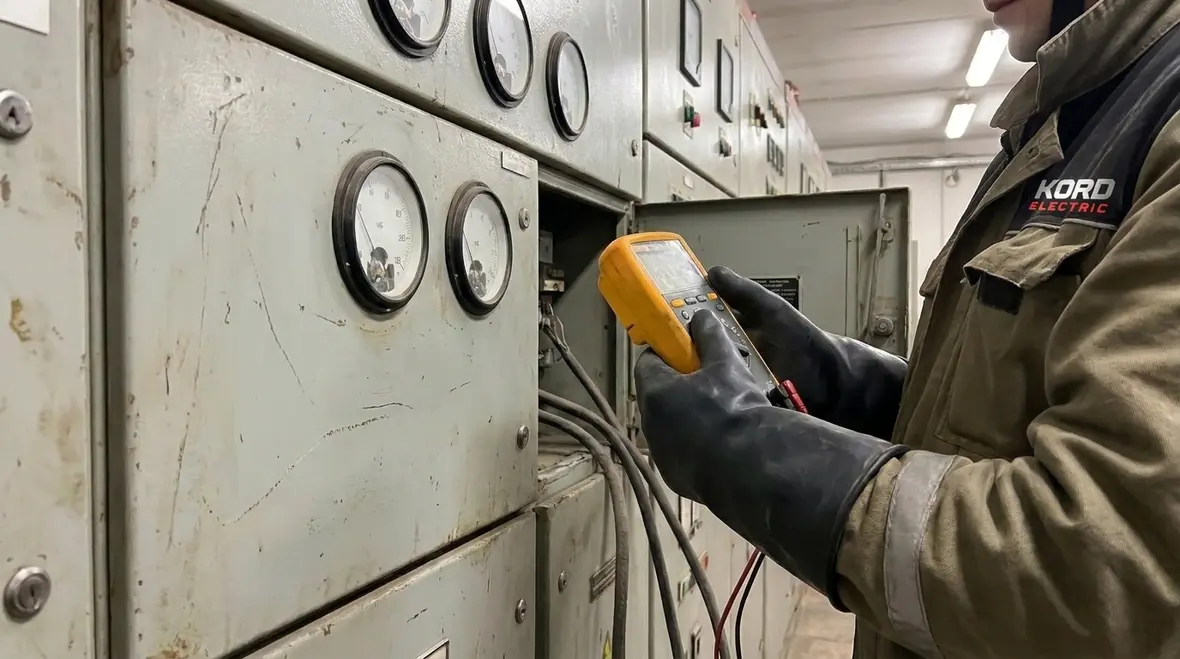
Our technicians do three main things. First, we confirm the equipment configuration stays aligned with approved electrical design and ratings. Then, we inspect insulation systems, switching components, and protection elements so the gear behaves like it should. After that, we verify performance through tests that match the equipment type and the service scope.
However, here is the part many teams skip when they rush. They focus only on what is visibly broken. We do not. We look for hidden wear patterns and aging effects that may not be obvious during a quick visual inspection. In fact, some failures start long before they show up as a dramatic event. So we catch those early through structured evaluation.
And yes, this is where good documentation saves everyone. When our team provides records of what was done and what was measured, it helps facility owners, engineers, and inspectors understand the equipment condition with confidence.
Testing and inspection steps we use before return to service
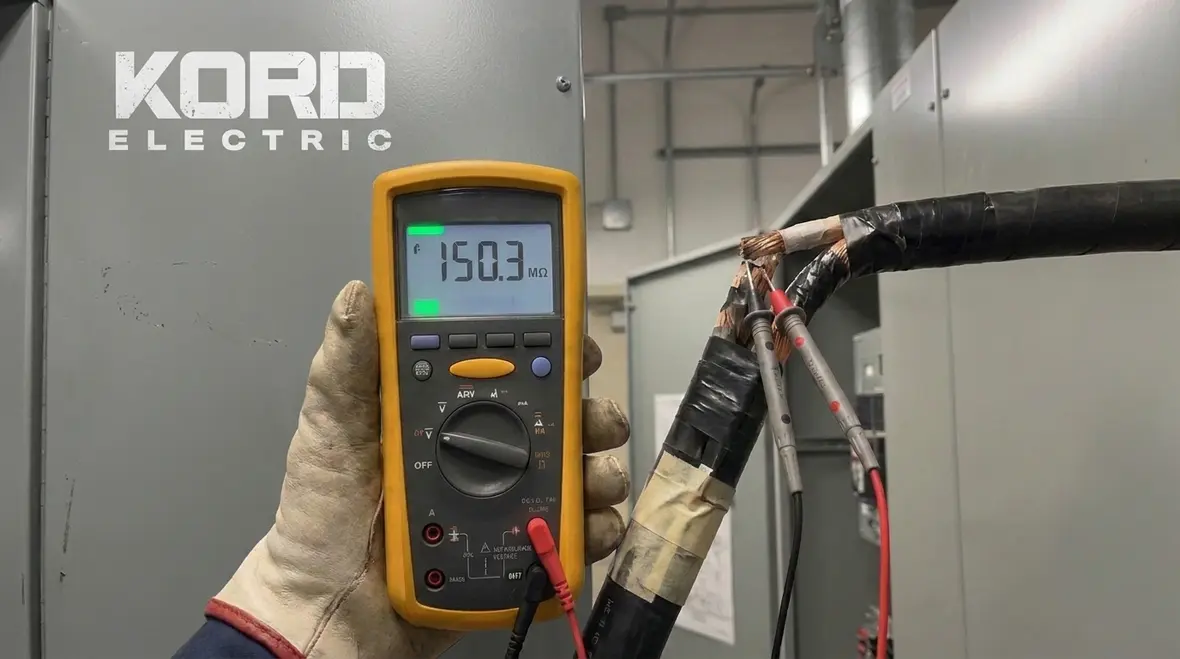
Once reconditioning work is complete, we do not just sign off and hope. We test and inspect because numbers tell the truth better than memory or vibes.
Our process includes careful checks that typically cover electrical performance, insulation condition, and switching function depending on the equipment design. We also review mechanical condition and interlock integrity where applicable. Then we confirm labels, nameplate data, and operating instructions remain accurate so the equipment matches its documented configuration.
As we test, our technicians explain the results in a way that facility teams can use. Instead of vague statements, we translate findings into action. If something falls outside acceptable limits, we do not pretend it will “probably be fine.” We correct it first, because downtime and safety incidents cost far more than taking the time to do it right.
That is also why we work closely with commercial and industrial facility teams. We coordinate around operations so testing and verification happen with minimal disruption to critical schedules.
Common reconditioning pitfalls we prevent for major property buildings
When a reconditioning project goes wrong, it usually does not start with an obvious mistake. It starts with shortcut thinking. For example, some teams replace a component but ignore how it affects the system. Others rely on generic parts that do not match the original electrical needs. Then, they stop testing once the gear “seems to work.” That approach is like fixing a radio by spinning the dial really fast. It might change the sound, but it does not fix the problem.
At Kord Electric, we prevent these pitfalls by controlling scope and verifying outcomes. We avoid mismatched ratings and we check that any modifications support the intended operation. We also make sure protection and switching behavior stays consistent with NEC expectations and with the equipment’s design basis.
Because our focus stays on commercial and industrial facilities and major property buildings, we build our workflow around real environments: complex infrastructure, strict uptime needs, and ongoing safety obligations. Therefore, we do not treat reconditioning as a one size fits all job. We tailor it to the equipment type, installation context, and service history.
Who should manage reconditioned MV equipment on-site
Not everyone should handle medium voltage gear, and that is not gatekeeping. It is risk management. Facility teams need specialists who understand NFPA 70 and the NEC intent, especially when equipment returns to service after reconditioning.
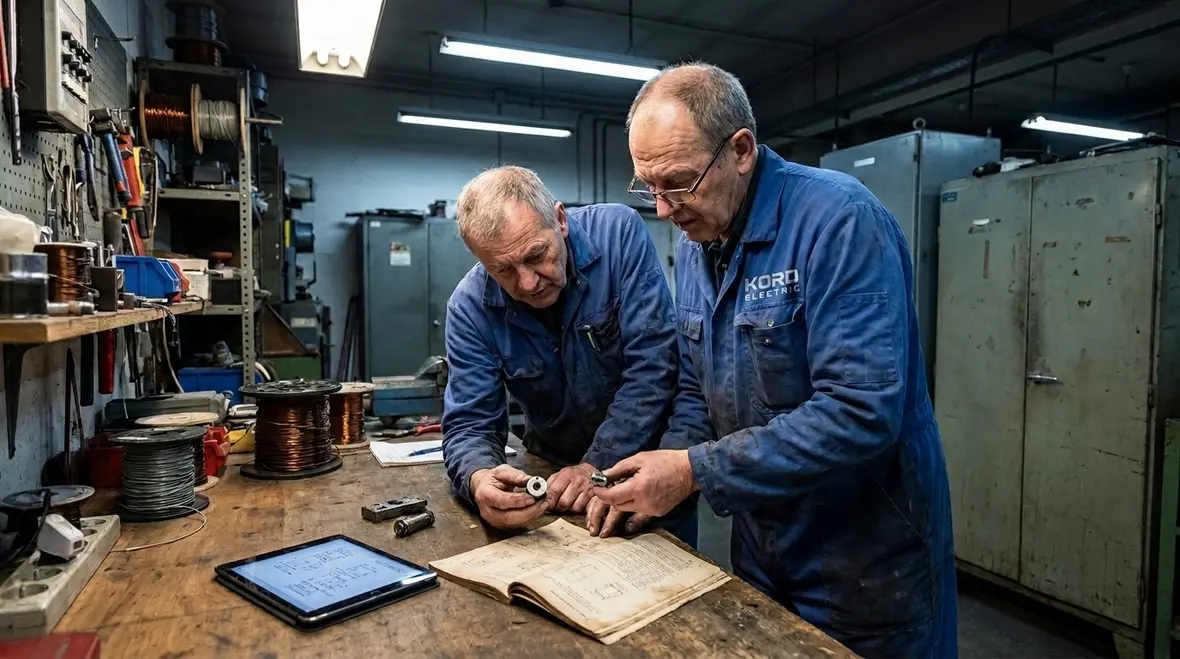
We staff our work with experienced technicians and expert service staff who explain the process while they complete it. That communication is not just friendly. It helps stakeholders make decisions with clear information. In addition, when we report results, we provide details that engineers and inspectors can review without guesswork.
Also, since medium voltage gear plays a role in power reliability, the facility team needs to know what was done and why. Therefore, we support clients by explaining the rationale behind each step, including why specific tests matter and how we interpret them.
In our experience, the best projects happen when the facility team partners with qualified service professionals. Then everyone stays aligned on safety, compliance, and schedules.
Documentation and field communication that keep projects smooth
When a facility asks, “What changed, and can you show us?”, we respond with clear records. Documentation turns reconditioning from a claim into evidence.
We organize field communication so it stays useful for commercial and industrial clients. Our updates typically include what we evaluated, what we corrected, and what we tested. Then we explain the outcomes in a direct, calm way so facility managers and electrical engineers can act quickly.
What we record during reconditioning
- Equipment condition findings
- Repair and replacement actions
- Test methods and measured results
- Configuration and label verification
Why the records matter
- Supports compliance review
- Helps inspectors and engineers
- Improves maintenance planning
- Reduces uncertainty after return to service
Next, we help clients understand how the documented work supports ongoing maintenance. That is how reconditioning becomes an investment, not a temporary fix.
How these requirements connect to broader safety planning
Medium voltage equipment does not live in isolation. It connects to protection strategies, operational procedures, and life safety planning across major property buildings. Therefore, the intent behind NFPA 70 and the NEC extends beyond the gear cabinet.
When we manage NEC MV reconditioned equipment properly, we support the larger system goals: safer operation, predictable performance, and fewer emergency events. In other words, we reduce the likelihood of unexpected failures by addressing both the condition and the verified performance of the equipment.
And if you are wondering whether this is overkill, consider the alternative. A failure event does not just break equipment. It disrupts operations, creates safety concerns, and triggers costly repairs that no one wants to explain to leadership. So we handle reconditioning with the care that complex facilities deserve.
Finally, we stay mindful that our work serves commercial and industrial facilities and major property buildings, not smaller sites. That focus helps us build repeatable quality in the environments where power reliability matters most.
When facilities want to see how this ties into broader planning, we often connect the dots with related topics like emergency power, power quality, and electrical safety reviews across the Kord Electric blog, so NEC decisions live inside a bigger, coordinated picture instead of in isolation.
FAQ
Conclusion
At Kord Electric, we manage NFPA 70 Section 315.3 work with clear process control, careful testing, and documentation that holds up under review. Our technicians and expert service staff explain the steps in plain language, so your facility knows what changed and what we verified before return to service. If you operate a commercial or industrial facility or manage a major property building, we can help you keep your medium voltage systems reliable and compliant. Contact us today to plan your next reconditioning and verification steps, or explore how our broader Los Angeles County electrical services support design, upgrades, and long-term maintenance for critical electrical infrastructure.


