
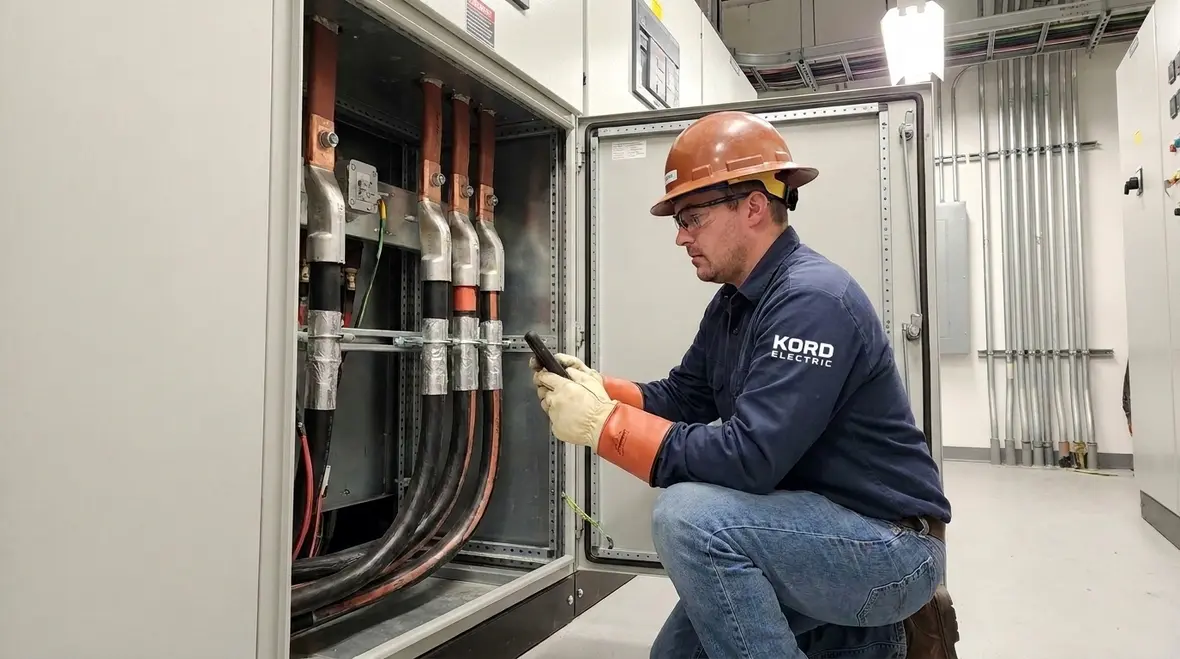
NFPA 70 Section 315.12 NEC MV Conductors Compliance
NFPA 70 Section 315.12 sets clear rules for MV conductors by tying the requirements to what the NEC expects for safe, reliable power in commercial and industrial settings. In other words, it does not let anyone “wing it” when voltage levels rise. At Kord Electric, we focus on the details that keep critical systems stable, so our teams follow the NEC MV conductors requirements with care, especially in service equipment, feeders, and metering arrangements for major property buildings. And yes, we still explain it like a human being, not like a robot reading a warning label. Our expert technicians walk facilities managers through what matters, how it affects installation choices, and why the code cares about things like conductor location, insulation, and protection.
Why NEC MV conductor rules matter in real buildings
In commercial and industrial facilities, medium voltage is the backbone that keeps production, life safety systems, and major building operations online. Yet the environment does not stay calm. Materials age, installations get modified, and maintenance schedules stack up. NEC MV conductors requirements exist so the electrical system can handle those realities without turning into a “surprise me” contest.
When our technicians review MV conductor runs, terminations, and routing paths, they look for the same things the code expects: proper conductor type and rating, correct installation practices, and the right protection approach. Additionally, they confirm that the electrical design aligns with actual equipment layout, not just the one-line diagram that sounded great in a meeting.
To put it plainly, medium voltage faults can cause expensive downtime fast. And while nobody wants dramatic stories about smoke and shutdowns, we have seen how small gaps in compliance create major headaches. We handle the compliance work now, so the building does not pay for it later.
Section 315.12 and what it demands for medium voltage conductors
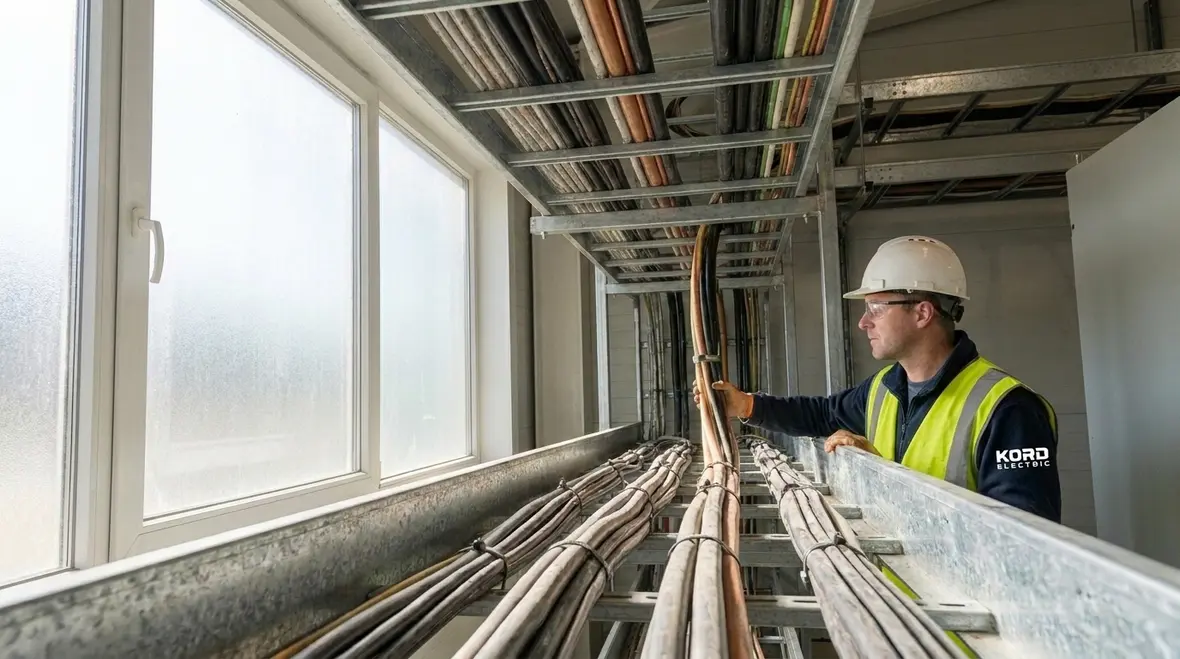
NFPA 70 Section 315.12 focuses on how MV conductors must be installed and handled so the system stays safe and reliable. It does not treat medium voltage like “just a bigger version” of low voltage. Instead, the section pushes design and installation to respect insulation needs, physical constraints, and the need to reduce risk.
In practice, this means the code pushes the installer to consider conductor construction and use conditions. It also ties the installation method to the location and exposure risks. For example, we make sure our crews understand when conductors must stay within permitted spaces and when specific practices apply due to how the conductor behaves under load and fault conditions.
Moreover, the section pairs installation expectations with the bigger NEC framework. That matters because MV conductor work rarely lives alone. It connects to switchgear, transformers, raceways, terminations, and protective devices. Therefore, Kord Electric treats Section 315.12 as part of a system, not as a standalone checkbox.
How insulation, routing, and physical protection work together
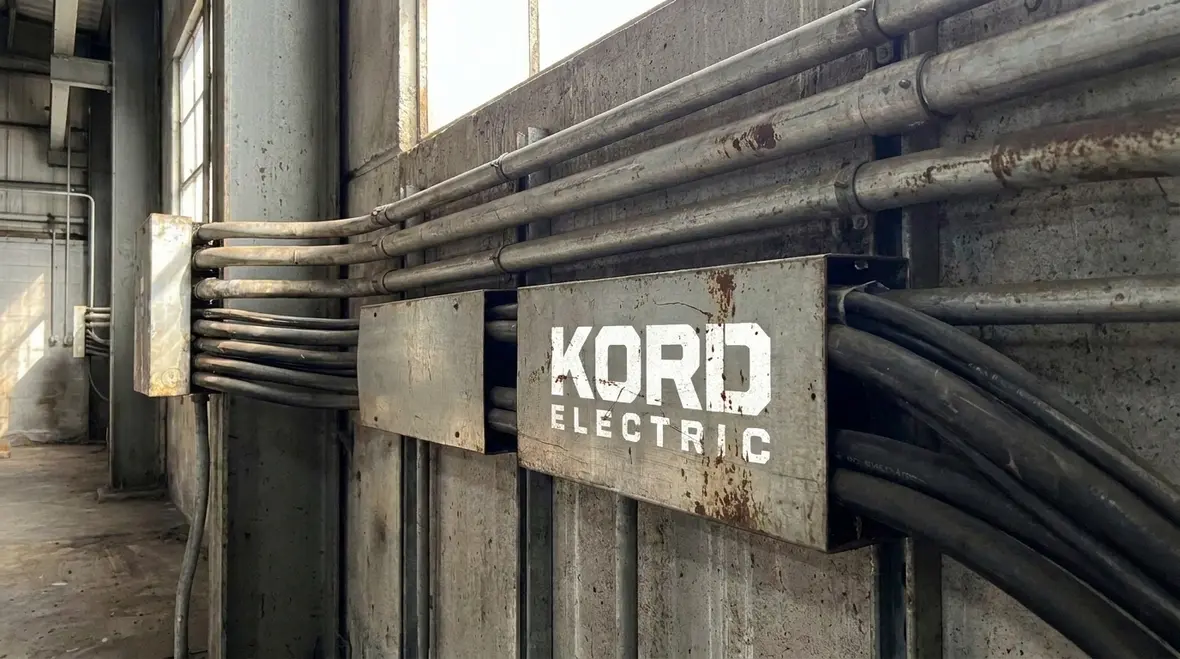
Even when the conductor itself is correct, installation choices can still create risk. So our technicians do not just confirm wire size and rating. They also confirm how the system routes, supports, and protects the conductor along the full path.
First, we look at insulation integrity and the expected operating conditions. Next, we check routing so conductors avoid hazards like sharp edges, unsupported spans, and areas where damage risk rises. Then, we verify physical protection methods that reduce the chance of impact or abrasion.
Transitioning from “where it runs” to “how it survives,” our service teams confirm termination quality and conductor management at equipment. That is where many failures start, because the conductor is not only a material. It is also a connection point. And connections tend to be where heat, vibration, and environmental stress show up first.
To keep it simple, we tell facility teams this: the conductor is the athlete, and the installation is the training program. If you ignore the plan, the athlete gets hurt. If you follow it, the athlete performs.
Commercial and industrial projects: where compliance shows up in the details
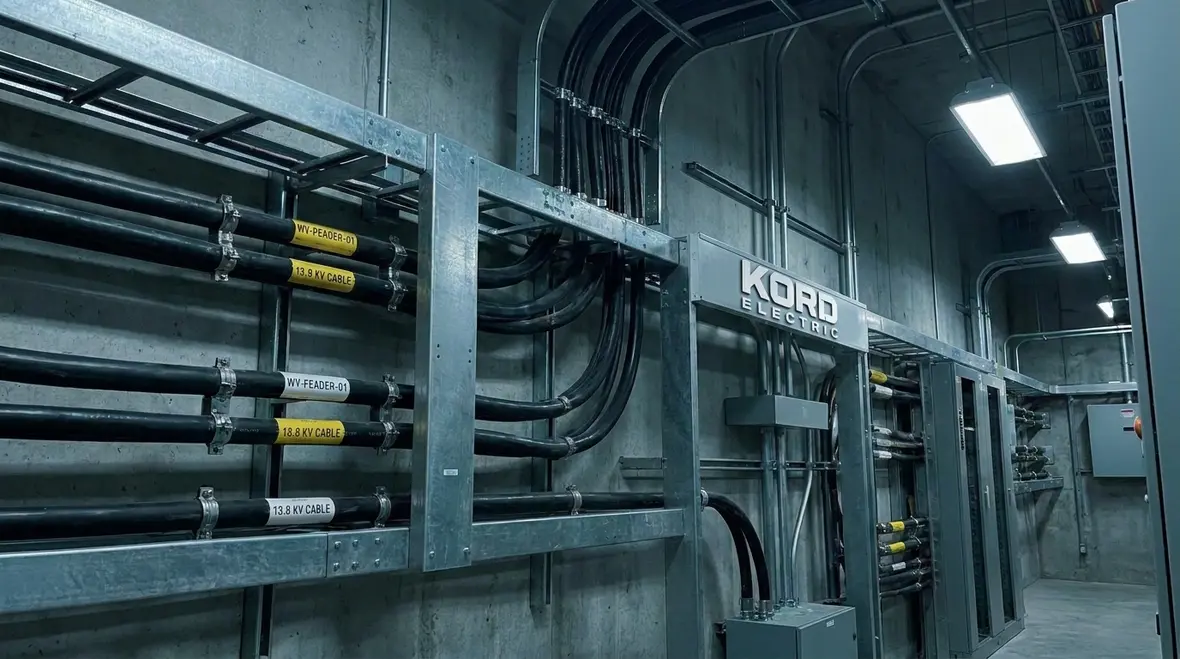
Large buildings do not operate like a quiet house. They operate like a city block with power. That is why our scope stays focused on commercial and industrial facilities and major property buildings. We support electrical systems where the cost of delay, rework, or safety risk can reach high levels quickly.
In these projects, compliance becomes visible in several areas:
- Coordination with switchgear and transformer interfaces so MV conductor runs match the equipment requirements
- Verification that routing paths match permitted installation practices and do not create unnecessary exposure
- Quality checks for supports, bends, and transitions that affect stress and long term stability
- Documentation that supports inspection needs and future maintenance work
We also manage the human side. For example, when building teams ask our technicians whether a minor routing change “should be fine,” we slow down and explain the code logic behind the answer. Sometimes the “minor change” has consequences at the termination, in a raceway section, or at a support point. And that is why we prefer clarity over guesswork.
Dual column reality check: common mistakes and how we prevent them
Common mistake we see
Conductors installed without matching the right installation method to the location and exposure conditions
Terminations handled as a rush item, not a critical system component
Supports and spacing treated as “good enough”
Changes made during construction without a compliance impact check
How Kord Electric addresses it
Our technicians review routing paths, protection needs, and equipment interfaces before work starts
We apply quality checks at terminations so insulation, compression, and connection integrity meet expectations
We verify mechanical support and conductor management for long term stability and safety
Our expert service staff tracks changes and confirms the electrical system still aligns with the NEC approach
And to keep the mood light, we like to say this: electricity does not care if you were tired. It only cares if the installation holds up. We handle the work so your team can go home.
Inspections, documentation, and ongoing maintenance strategy
Once MV conductor work is installed, the job does not end at energization. Inspections and maintenance protect the investment. So we help commercial and industrial teams plan for the real world: operational changes, routine inspections, and repair needs.
As our technicians review installation documentation, they connect the practical details to the NEC expectations. That includes verifying that equipment interfaces support safe conductor use. It also includes ensuring that labeling and recordkeeping align with how maintenance crews will later find and service components.
Then, for ongoing maintenance, we focus on what helps systems last. We support safe inspection routines and help teams identify early warning signs like abnormal heat patterns, mechanical stress, or signs of insulation stress. In other words, we help facilities move from reactive fixes to planned care.
Our goal remains calm and clear: reduce unexpected downtime and support safe power delivery across major property building systems.
Connecting NFPA 70 Section 315.12 to the bigger code picture
Medium voltage conductor work does not live in isolation. It sits inside the larger framework of NFPA 70, which shapes how power gets designed, installed, and inspected across a facility. When we apply NEC MV conductors requirements in the field, we line them up with the broader expectations for wiring, protection, overcurrent devices, and equipment layout.
For facility teams who want a deeper dive into that bigger picture, resources like Kord Electric’s guide on Understanding NFPA 70: The National Electrical Code Explained for 2026 help connect individual sections such as 315.12 to everyday design and upgrade decisions. When teams see how these requirements fit together, it becomes easier to plan MV work that passes inspection the first time and stays reliable over the long term.
That system mindset is also why we coordinate MV conductor decisions with upstream and downstream equipment: switchgear, transformers, protective relays, and distribution panels. If one piece ignores the code logic, the rest of the system inherits the risk. We prefer the opposite: MV installations that quietly support safe, predictable power for years.
FAQ for NFPA 70 Section 315.12 and NEC MV conductors
Next step with Kord Electric
If your facility uses medium voltage and you want the work done right the first time, we are ready. Kord Electric supports commercial and industrial facilities and major property buildings with expert technicians who explain requirements and verify compliance in the field. Instead of guessing, we help you plan for safe conductor installation, strong documentation, and maintenance-ready results. Reach out today so we can review your project approach and help keep your power system steady, safe, and built to last.
For facility teams across Southern California, that support includes full-scope power projects, from MV conductor runs to downstream distribution. If your site is planning upgrades, expansions, or new construction, our dedicated Los Angeles County electrical services team can help align NEC MV conductors requirements with practical installation strategies that fit your schedule and operational needs.
If you want to connect MV work to a broader roadmap for code readiness, reliability, and uptime, our broader Kord Electric blog library on NFPA 70, power quality, redundancy, and emergency power can also help you see how each project piece fits together before anyone pulls cable.


