
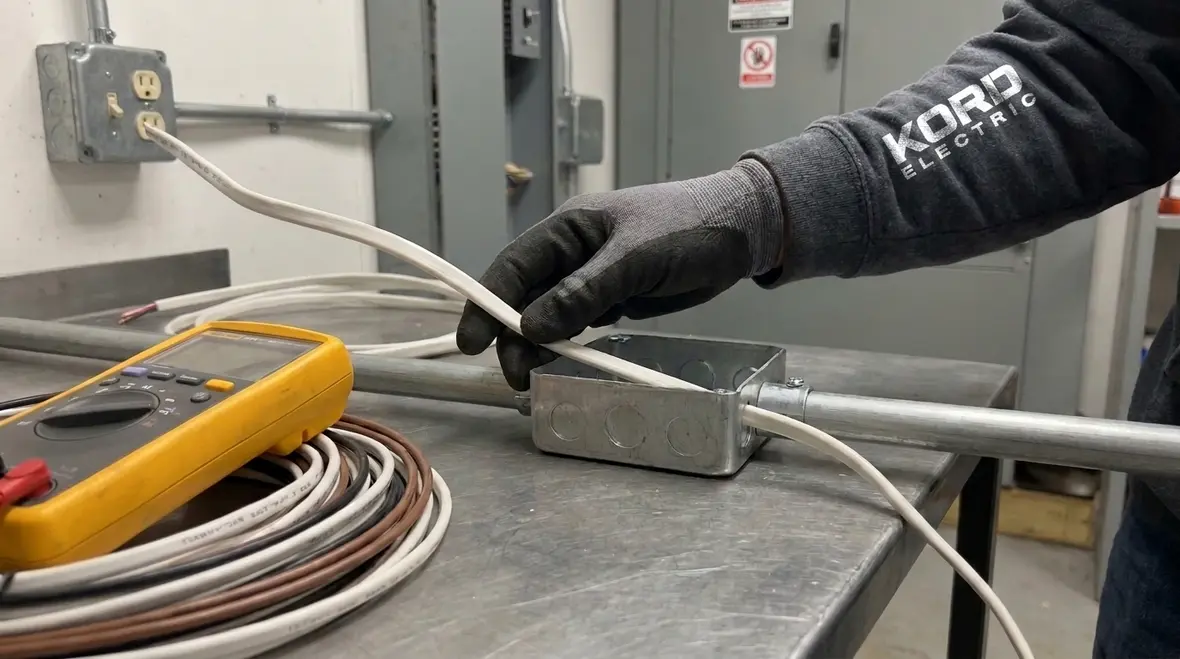
NFPA 70 320.104 NM Cable Conductor Installation Compliance
Kord Electric works with commercial and industrial facilities, and we treat electrical code the way good chefs treat knives: carefully and on purpose. When a site uses NEC NM cable conductors, our team pays close attention to how the rules land in the real world. NFPA 70 Section 320.104 explains how conductors in NM cable must be handled, and we make sure our installation methods match the NEC expectations. Our expert service staff also takes time to explain the “why” behind the requirements, so building managers and facility teams are not left guessing. And yes, we get it: reading electrical code can feel like watching a slow cooking show, waiting for the part where something actually happens.
What NFPA 70 320.104 requires for NM cable conductor installs
In plain terms, NFPA 70 Section 320.104 sets the baseline for how conductors within NM cable must be used. However, we do not treat it like a checklist you throw away after lunch. Instead, we translate the intent into safer installation practices for commercial and industrial projects.
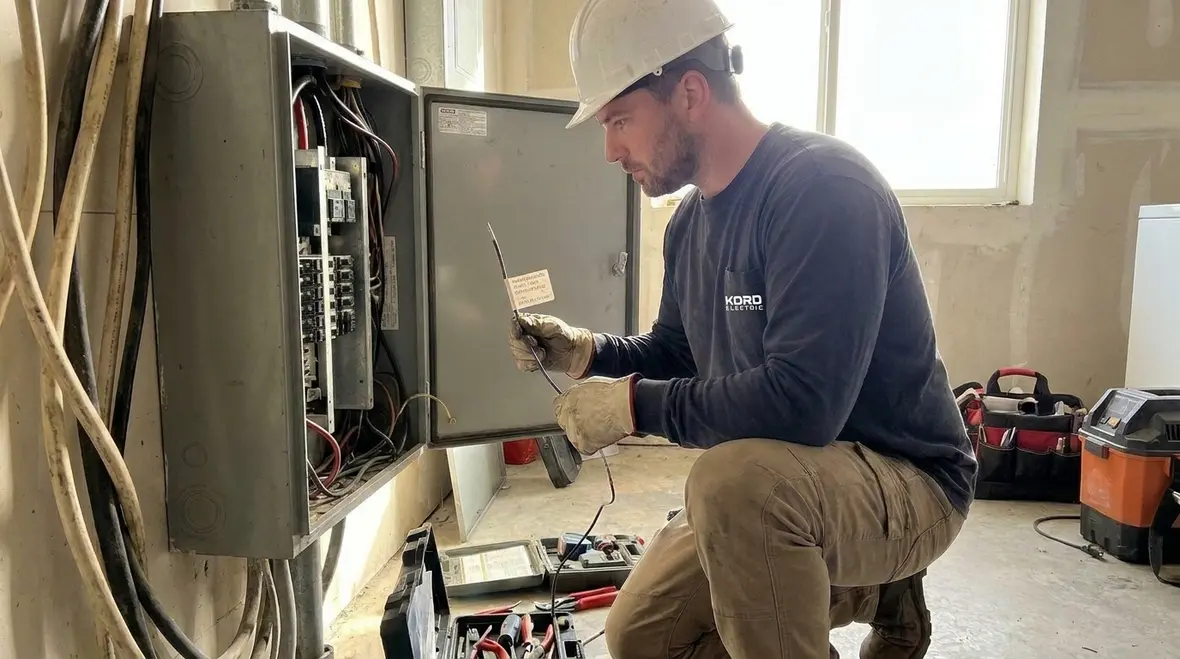
Our technicians follow these concepts as they review design documents, confirm cable markings, and verify how the runs will be routed. Moreover, we confirm conductor type, insulation, and ampacity considerations so the cable system supports the load it will carry. Then, during installation, we ensure the conductor management matches the rule language and the NEC application details.
For major property buildings, this matters because NM cable conductors do not live in a vacuum. They run through spaces that may experience heat, vibration, or future tenant changes. Consequently, correct conductor handling becomes a long term reliability decision, not just an “on paper” compliance moment.
How NEC rules shape conductor sizing and ampacity decisions
NFPA 70 does not just tell you what wire is acceptable. It influences how you size conductors so they stay within safe operating limits. Therefore, when our team designs or reviews an electrical distribution plan, we connect conductor requirements to the expected load, wiring method, and installation conditions.
We also watch for the little details that can trip up a fast job. For example, a cable run that seems “normal” today can end up with added load tomorrow. As a result, conductor sizing must anticipate the real scenario, not the optimistic one. Additionally, we verify that voltage drop, overcurrent protection, and termination practices align with the overall NEC intent for safety and performance.
During field work, our experienced service staff explains these choices to facility teams in straightforward language. Instead of sounding like a textbook, they break it down like this: if you undersize conductors or ignore heat conditions, you risk nuisance problems now and safety risk later. Nobody wants either, unless the goal is a dramatic TV plot twist.
Routing, protection, and where NM cable conductors fit in real buildings
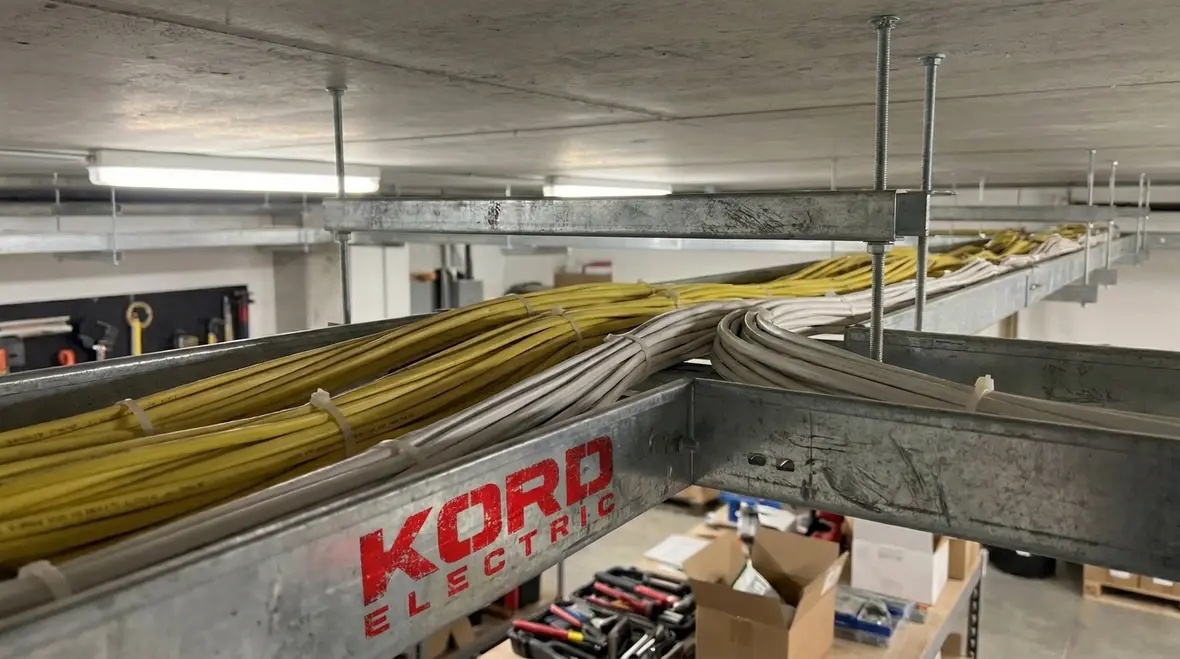
Even when conductors meet the letter of NFPA 70, the installation still has to respect the environment. So, we focus on how NM cable runs get routed, supported, and protected in commercial and industrial facilities.
For major property buildings, routing matters because cables often cross multiple rooms, pass through service corridors, and connect to equipment that operators access frequently. Consequently, we plan for protection against physical damage and for secure support along the run. Then we check how the cable enters enclosures, how it transitions at devices, and how bend limits and strain relief get handled.
At Kord Electric, we also consider that facilities change. A space becomes a new tenant suite, a production line gets upgraded, or an office area becomes a storage zone. Therefore, we install with clarity and maintainability in mind. When our technicians explain the approach, they often emphasize one idea: good conductor management today prevents costly troubleshooting tomorrow.
Termination, splices, and workmanship that keep compliance steady
NFPA 70 standards do not stop at “install the cable.” Conductors have to terminate properly, and connections must stay reliable over time. For NM cable conductor work, that means correct stripping, secure terminations, and splices that follow the applicable NEC expectations for safety and durability.
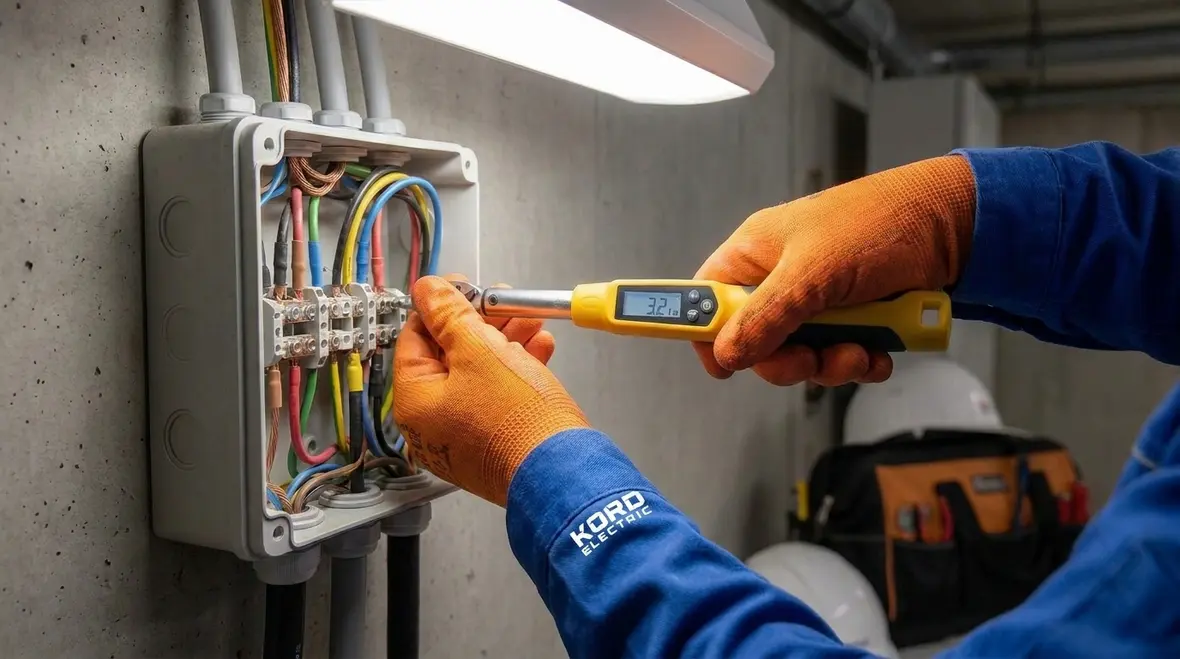
We instruct our team to verify that terminals and connectors match the conductor type and size. Moreover, we check for proper torque practices, because loose terminations create heat, and heat creates problems. Then we confirm that any splicing method supports long term integrity and does not weaken the insulation or conductor performance.
Our expert service staff also documents what they do. That matters for facility owners, inspectors, and future service calls. As a result, when someone later asks, “What exactly did you do here?” the answer comes fast and clear. It also avoids the “mystery splice” scenario, which is a horror movie we prefer not to star in.
Coordination with design, inspection, and facility teams
Commercial and industrial sites run on coordination. So we make sure electrical planning aligns with other trades and with the realities of the building. During pre construction reviews, Kord Electric teams work with contractors and facility stakeholders to align cable routes, equipment locations, and access needs.
Meanwhile, we help guide expectations around NEC related requirements so the team doing the work and the team inspecting the work share the same goal. Then, during installation, we maintain clear communication so changes do not quietly break code intent.
When our technicians explain the conductor rules, they focus on outcomes that facility teams care about: safe operation, fewer interruptions, and smoother upgrades. Therefore, we do not just claim compliance. We show the reasoning and the field steps that support it.
Common NM cable conductor mistakes we prevent
In the field, mistakes usually come from shortcuts, rushed schedules, or misunderstandings about how code applies to a specific site. To keep your facility protected, we prevent the errors that too often show up on large projects.
- Wrong conductor handling at terminations, which can create overheating and failure.
- Poor cable support and routing that increases strain, movement, or physical damage risk.
- Ignoring installation conditions that change how conductors behave under load.
- Unclear documentation, which makes later troubleshooting slower and more expensive.
- Inconsistent practices between crews, which leads to uneven quality across a building.
And yes, we see the same pattern: someone tries to “make it fit” and then acts surprised when the electrical system refuses to cooperate. At Kord Electric, we treat installation quality as part of compliance, not as a separate task.
FAQ on NFPA 70 and NEC NM cable conductor requirements
Why Kord Electric supports NEC compliant conductor work for major properties
Kord Electric supports commercial and industrial facilities with expert service staff and experienced technicians who take electrical code seriously. We do not treat NFPA 70 as a paper exercise. Instead, we translate requirements into careful installation practices for NM cable conductor systems, including routing, termination, support, and workmanship quality.
Additionally, we focus on outcomes that protect operations: fewer failures, safer electrical performance, and faster service when the unexpected happens. If you are planning a project or upgrading an existing system in a major property building, contact Kord Electric. We will review your conductor approach, answer your questions, and help you move forward with confidence.
If you want to connect this detailed conductor focus with a bigger picture of the National Electrical Code, you can also review our article Understanding NFPA 70: The National Electrical Code Explained for 2026, which explains how the code evolves and why those changes matter for large facilities.
For facility leaders in Southern California looking for hands-on support, our Los Angeles County electrical services team can help you align NEC NM cable conductors usage, routing, and terminations with local enforcement and real-world operating conditions.
CTA: Call Kord Electric today for NEC compliant design support and field execution for major commercial and industrial properties.


